
Mack Box Trucks For Sale in Oklahoma
Browse Mack box trucks for sale in Oklahoma. Learn common specs, GVWR classes, body options, and what matters for local and regional delivery.
Learn moreNo exact matches found for your search
Showing Mack Box Trucks instead.
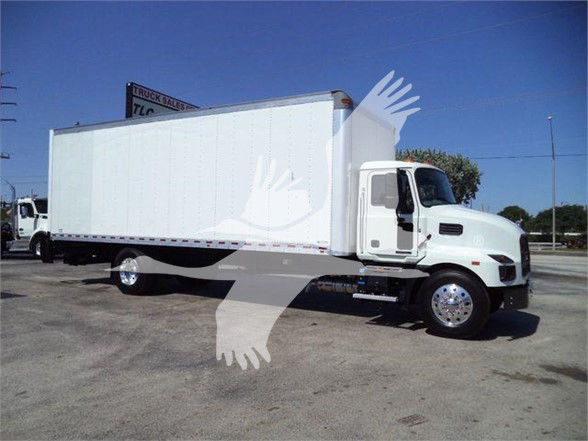
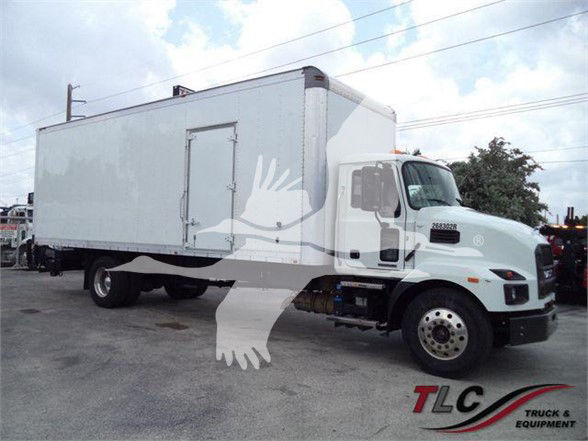
Showing 25 to 26 of 26 results
Have mack box truck to sell? List it here to reach thousands of buyers.
About Mack Box Trucks in Oklahoma
The first buying decision is usually size and weight class. Mack box trucks are commonly considered in medium-duty and heavier straight truck applications, so buyers should verify GVWR, front and rear axle ratings, wheelbase, and body length before comparing listings. Typical body configurations can include roll-up rear doors, liftgates, side doors, translucent roofs, E-track, scuff liners, and hardwood or laminated flooring depending on the freight. If the truck will handle palletized loads, the important details are cargo box dimensions, dock height, liftgate capacity, and how the body is mounted on the chassis. If the route includes tight city streets or jobsite access, wheel cut, overall length, and turning radius matter just as much as horsepower.
Powertrain and brake specifications deserve close attention on any used Mack box truck. Buyers should look at engine family, transmission type, rear axle ratio, and whether the truck was spec'd for urban delivery or steady road speeds. An automatic or automated manual can be a better fit for dense delivery work, while axle ratio and tire size will influence launch feel, cruising rpm, and fuel economy. Brake type, suspension setup, and frame condition also tell you a lot about how the truck was used. Air brakes, spring or air-ride rear suspension, PTO capability, and liftgate electrical or hydraulic systems can all affect the truck's suitability for appliance delivery, furniture moves, beverage routes, mobile service bodies, or dedicated commercial freight.
A good Mack box truck spec balances payload, cube, and uptime. Buyers in Oklahoma often need a truck that can handle both metro delivery and longer regional runs, so maintenance history, cab condition, cooling system performance, and body integrity are just as important as mileage. Check for roof leaks, floor wear, door seal condition, corrosion around body mounts, and signs of repeated dock impact. A well-matched box truck can reduce handling damage, protect cargo in all weather, and keep loading operations efficient for years, especially when the chassis, body, and route profile are aligned from the start.
Frequently Asked Questions
What should I check first when comparing Mack box trucks for sale?
Start with GVWR, axle ratings, wheelbase, body length, and the truck's intended payload. Those core numbers determine whether the truck can legally and efficiently handle your freight. After that, look at cargo box height and width, rear door opening, liftgate rating, and transmission type. A box truck that looks similar on paper can perform very differently depending on how the chassis and body were spec'd.
Are Mack box trucks good for local delivery and regional routes?
Yes, Mack box trucks can be a strong fit for both local and regional work when the powertrain and body are matched to the route. Local delivery usually benefits from a maneuverable wheelbase, automatic transmission, and durable rear suspension. Regional work places more importance on cruising ratio, cab comfort, cooling system condition, and stable highway manners. The right spec depends on stop frequency, average payload, and loading method.
What body features matter most on a used box truck?
The most important body features depend on the freight, but buyers usually focus on liftgates, roll-up doors, side access, E-track, scuff liners, and floor condition. For palletized cargo, liftgate capacity and dock compatibility are critical. For furniture, appliances, or route freight, interior tie-down options and wall protection matter more. Water intrusion, floor soft spots, damaged roof panels, and misaligned rear doors are common issues worth checking closely.
How do I choose the right box length on a Mack straight truck?
Choose box length based on cubic capacity, pallet count, and where the truck needs to operate. A longer box increases cargo volume but can reduce maneuverability in alleys, parking lots, and dense urban areas. A shorter body may be easier to route and park, but it can limit revenue per trip if your freight cubes out before it weighs out. The best choice is the shortest body that still handles your normal load profile without forcing extra trips.
What maintenance areas are most important on a used Mack box truck?
Pay close attention to engine service records, transmission operation, brake wear, suspension condition, cooling system performance, and any liftgate maintenance history. On the body side, inspect the roof, floor, body mounts, seals, hinges, and rear frame area. Box trucks often show wear from repeated loading cycles and dock contact, so body integrity matters almost as much as chassis condition when evaluating long-term operating cost.