
Box Trucks For Sale in Colorado
Browse box trucks for sale in Colorado. Compare dry vans, liftgate specs, GVWR, body length, and under-CDL delivery truck options.
Learn moreBrowse Box Trucks by Make
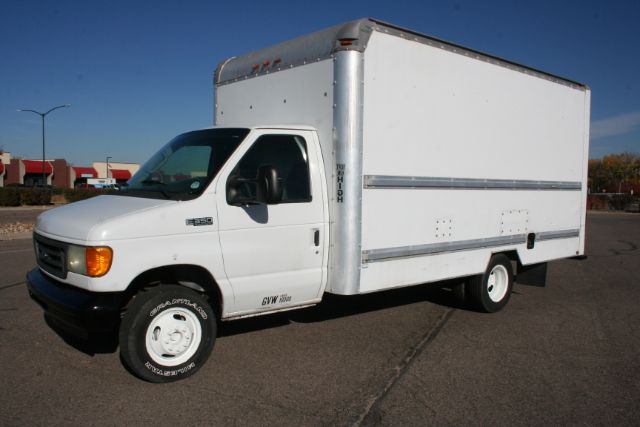
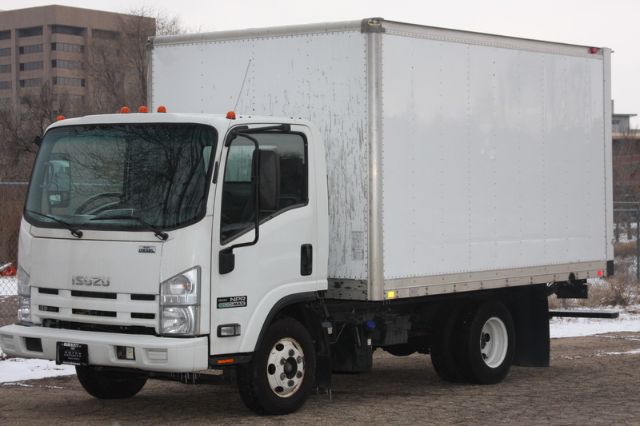
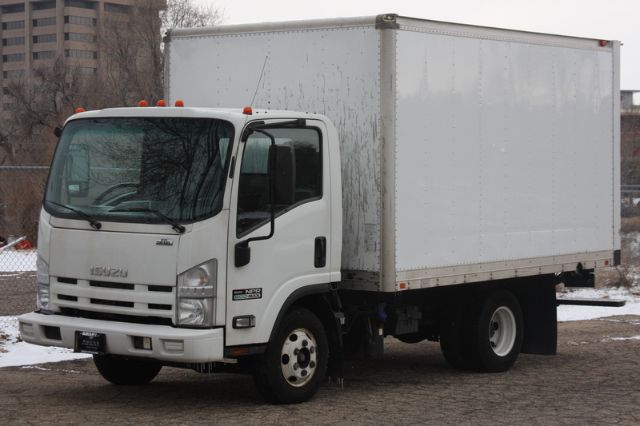
Showing 13 to 15 of 15 results
Have box truck to sell? List it here to reach thousands of buyers.
About Box Trucks in Colorado
The spec sheet matters more on a box truck than many buyers expect. Medium-duty models commonly use diesel engines in the 200 to 300 HP range paired with Allison automatic transmissions, which remain a standard choice for stop-and-go work because they are predictable, durable, and easy on drivers. Wheelbase, rear axle ratio, and suspension setup all affect how the truck carries a full box body and liftgate. A 10,000-pound front axle with a 19,000-pound rear axle is a typical medium-duty combination for 26-foot dry vans. Air rear suspension can improve ride quality for sensitive cargo, while drum or S-cam brake setups are still common in this class due to serviceability and cost control.
Body configuration is where one box truck can be much more useful than another. Many buyers look for liftgates rated around 3,000 pounds for palletized freight, beverage delivery, or routes without docks. Inside the body, E-track, scuff liners, wearband protection, bulkhead reinforcement, dome lighting, and rear roll-up doors all add practical value. If the truck will handle hand-unload routes, check door opening height, floor height, and interior dimensions, not just advertised body length. If pallet freight is the priority, verify clear inside width, liftgate platform size, and axle ratings with a realistic payload. For urban and Front Range use, turning radius and cab visibility are just as important as cargo volume.
Colorado buyers also need to think about terrain and altitude. A box truck that feels adequate on flat local routes can become underpowered on mountain grades if the engine, gearing, and loaded weight are mismatched. Turbo-diesel platforms help at elevation, but payload planning still matters. For regional delivery around Denver, Colorado Springs, Fort Collins, or Grand Junction, buyers usually benefit from balancing power, service network support, and body equipment against route density and dock access. The best box truck is not simply the biggest box. It is the chassis-body combination that matches freight type, loading method, legal weight target, and the daily operating environment.
Frequently Asked Questions
What is the difference between a box truck, a dry van truck, and a cube truck?
In most commercial truck listings, these terms are closely related and often used interchangeably. A box truck is a straight truck with an enclosed cargo body mounted to the chassis. Dry van truck usually refers to the same enclosed body style used for dry freight, while cube truck is a common term for smaller delivery-oriented units with a tall, square cargo body. The key distinction is usually size, chassis class, and application rather than a major structural difference.
What box truck size is most common for local delivery work?
A 24-foot to 26-foot box truck is one of the most common choices for local and regional delivery because it offers strong cargo volume without moving into a tractor-trailer setup. Many of these trucks are spec'd near the 26,000-pound GVWR mark to stay under CDL requirements, although some medium-duty units run higher GVWR ratings depending on payload needs. The right size depends on what the truck carries, how often it loads at docks, and whether routes involve tight city access or residential stops.
Do I need a liftgate on a box truck?
A liftgate is essential if the truck regularly handles palletized freight, appliances, vending equipment, or deliveries to locations without a dock. A common medium-duty spec is a 3,000-pound liftgate, but the correct capacity depends on the heaviest single piece being moved and how the freight is staged. Buyers should also consider platform size, tuck-under versus railgate design, and how often the truck backs into tight delivery points. If every stop has dock access, a liftgate may add cost and weight without much benefit.
What should I check when comparing used box trucks?
Look beyond the cab and focus equally on the chassis and the body. Confirm engine and transmission service history, GVWR, axle ratings, brake type, suspension condition, tire wear, and any signs of frame corrosion or accident repair. On the body, inspect the roof, corners, floor, roll-up door, seals, scuff liners, E-track, and liftgate operation if equipped. Water intrusion, floor rot, and body damage can be just as expensive as driveline repairs, especially on delivery trucks that have seen heavy dock contact.
Are box trucks practical for Colorado routes and mountain driving?
Yes, but the truck needs to be matched to elevation, grade, and loaded weight. Colorado operators should pay close attention to horsepower, torque, rear axle ratio, cooling capacity, and braking performance because a lightly spec'd delivery truck may struggle on mountain routes when fully loaded. Turbo-diesel engines help maintain performance at altitude, and automatic transmissions remain a strong fit for mixed city and grade driving. Buyers running mostly Front Range routes may prioritize maneuverability and stop-and-go durability, while higher-elevation or western-slope work often benefits from more conservative payload planning and stronger powertrain specs.