
2027 Box Trucks For Sale
Shop 2027 box trucks for delivery, moving, and route work. Compare GVWR, box lengths, liftgates, doors, and powertrain options.
Learn moreBrowse Box Trucks by Make
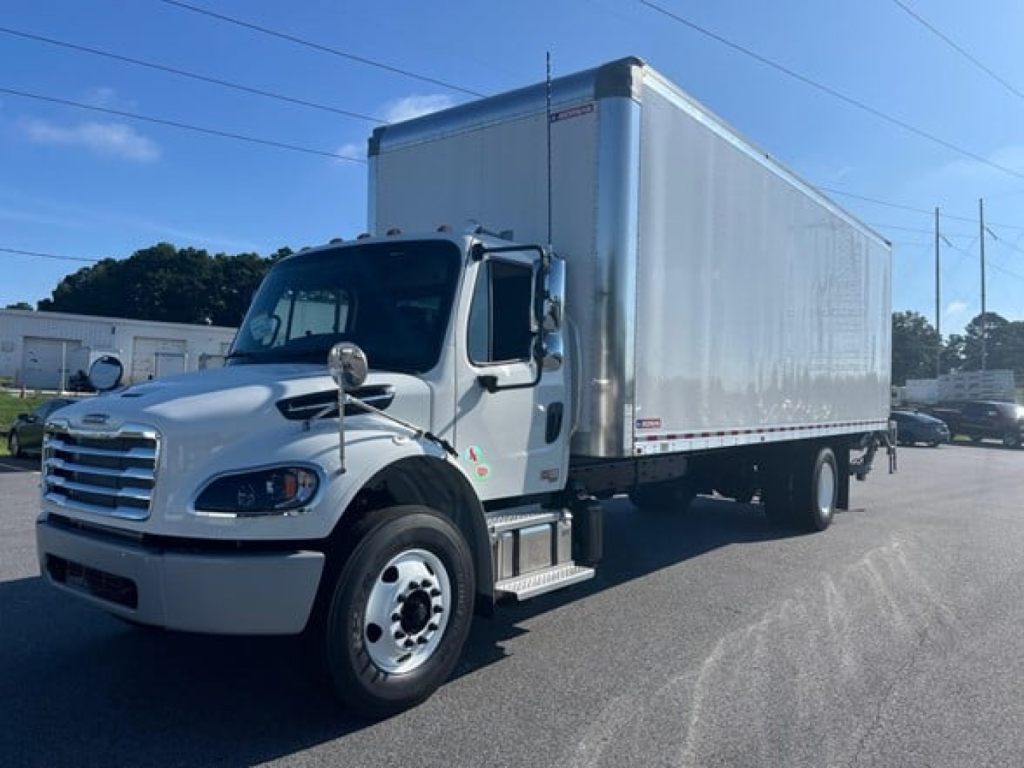
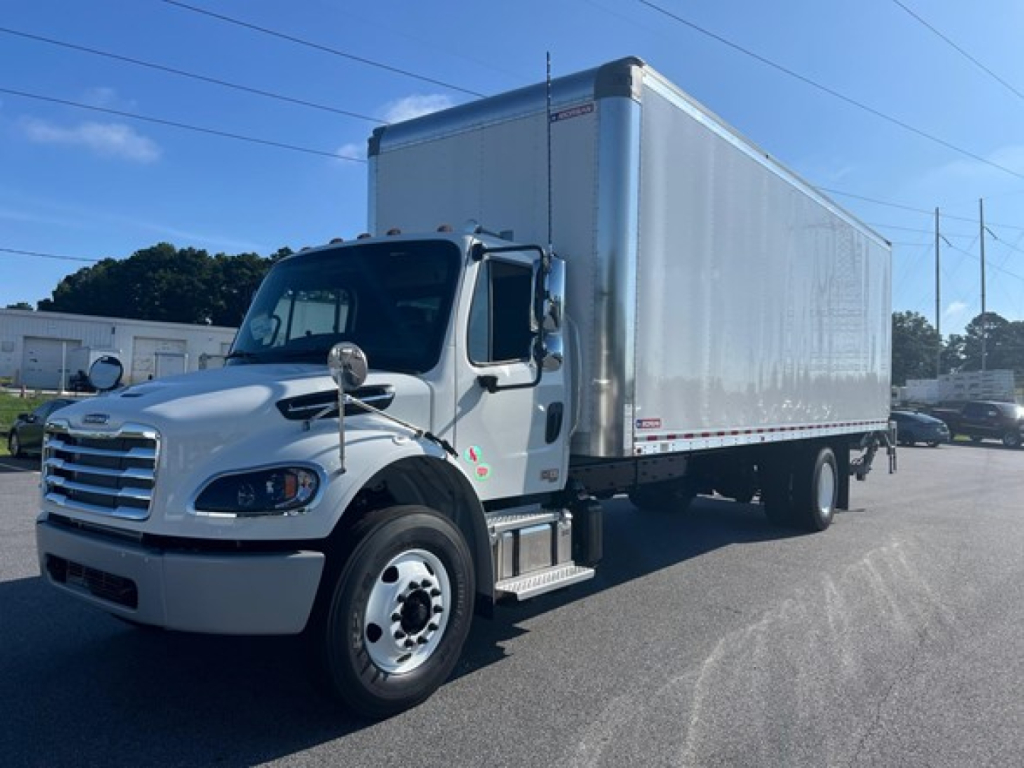
Showing 13 to 14 of 14 results
Have 2027 box truck to sell? List it here to reach thousands of buyers.
About 2027 Box Trucks
Body spec drives day-to-day usability. Buyers typically compare roll-up doors versus swing doors, wood floors versus composite flooring, E-track or logistics posts for load securement, translucent roofs for visibility, and scuff liners for sidewall protection. Liftgate capacity is another key point, with tuck-under and tuckaway designs commonly rated around 2,500 to 3,000 pounds for delivery work. Cargo width between wheel wells, interior height, and door opening dimensions should be checked against the actual freight mix, especially for carts, appliances, and standard pallets. If the truck will see high stop counts, details like step height, grab handles, side access doors, and cab ergonomics have a direct effect on driver efficiency.
Chassis and powertrain choices vary by operating pattern. Class 3 to Class 5 box trucks often use gas engines and automatic transmissions for urban fleets that prioritize lower acquisition cost and simpler service. Class 6 and heavier medium-duty box trucks more often use diesel engines, air brakes, stronger rear axles, and suspension packages suited for regional distribution and sustained payload. Common specs to compare include GVWR, wheelbase, cab-to-axle, rear axle ratio, brake type, tire size, and turning radius. A body that is too long for the wheelbase can hurt maneuverability and axle balance, while a truck spec'd too lightly for the route will wear brakes, tires, and suspension faster.
For many buyers, the best 2027 box truck is the one that fits the route, the loading method, and the freight profile with the least compromise. Urban delivery operations often favor shorter wheelbases and lower step-in height, while furniture, beverage, and wholesale distribution may need a 24 to 26 foot body, higher cube capacity, and a robust liftgate. Refrigerated and insulated variants exist within the broader box truck category, but standard dry van bodies remain the core choice for general cargo. Focus on payload after body and liftgate weight, service access for the engine and transmission, and the durability of the body hardware, because those factors affect uptime just as much as the badge on the grille.
Frequently Asked Questions
What is the difference between a box truck and a straight truck?
In most commercial truck listings, box truck and straight truck are used interchangeably. Both refer to a truck with the cab and cargo body mounted on the same chassis, unlike a tractor-trailer where the trailer is separate. Buyers may also see terms like cube truck, cargo truck, or moving truck depending on the body style and application.
What box length is most common for delivery work?
Common box lengths range from 14 to 26 feet. Shorter 14 to 16 foot bodies are popular for urban routes, tight residential access, and lighter-duty applications. Bodies in the 20 to 26 foot range are common for palletized freight, furniture delivery, and regional distribution where cargo volume and payload capacity matter more than tight-turn maneuverability.
Do I need a liftgate on a box truck?
A liftgate is often necessary if freight is loaded or unloaded at locations without a dock. Tuck-under or tuckaway liftgates in the 2,500 to 3,000 pound range are common on box trucks handling pallet jacks, appliances, and heavy cartons. If your operation is dock-to-dock only, deleting the liftgate can reduce weight, cost, and maintenance while increasing available payload.
Should I choose a gas or diesel box truck?
Gas box trucks are often favored for lighter-duty urban use, lower upfront cost, and fleets with simpler maintenance requirements. Diesel box trucks are typically better suited for heavier GVWR classes, longer route miles, and applications where torque, durability, and fuel efficiency under load are more important. The right choice depends on annual mileage, average payload, idle time, and the service infrastructure available to support the truck.
What specs matter most when comparing box trucks?
GVWR, payload, body length, wheelbase, cab-to-axle, door opening size, and liftgate rating are the core numbers to compare first. After that, look at engine type, transmission, axle ratio, brake system, suspension, and body construction details such as flooring, scuff protection, logistics track, and roof material. Those specs determine how well the truck fits the freight, the route, and the loading environment.