
Trucks For Sale Near Birmingham, Alabama
Trucks in Birmingham, Alabama compared by floor strength, insulation, tare weight, and corrosion resistance for day cab, sleeper, box, and reefer.
Learn more
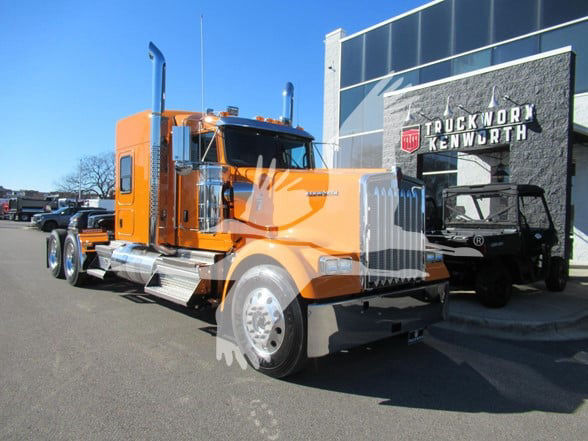
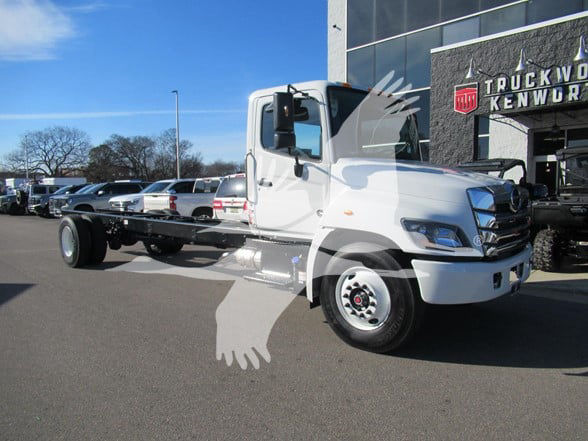
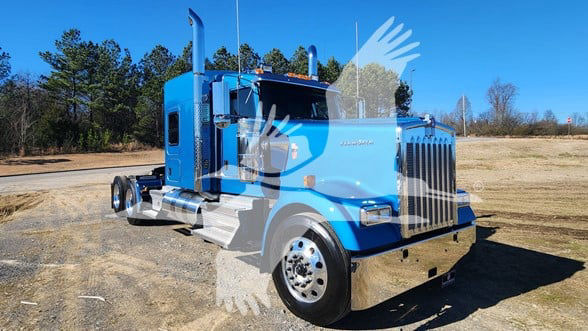
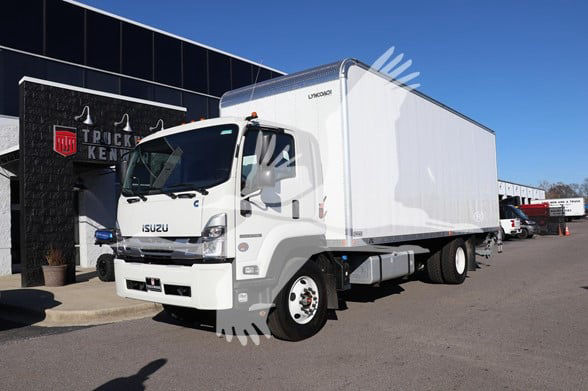
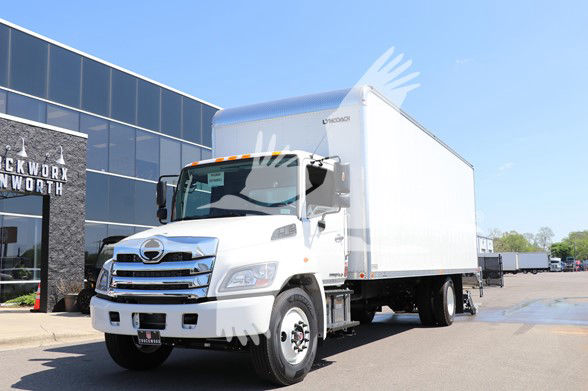
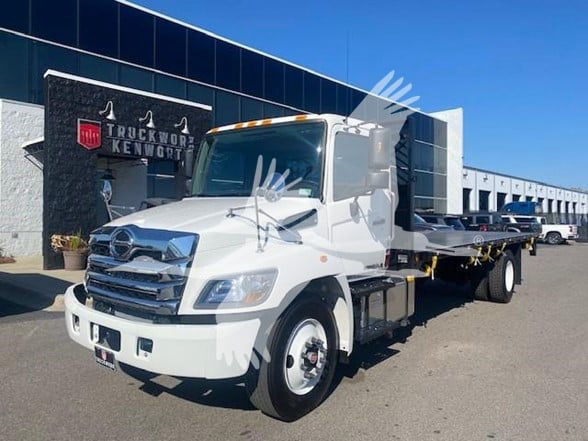
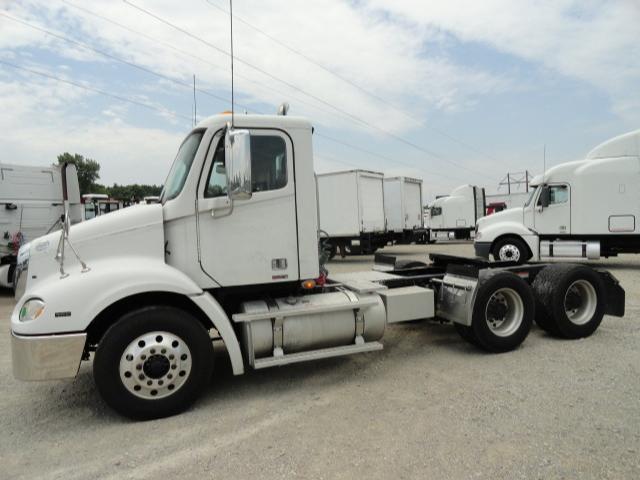
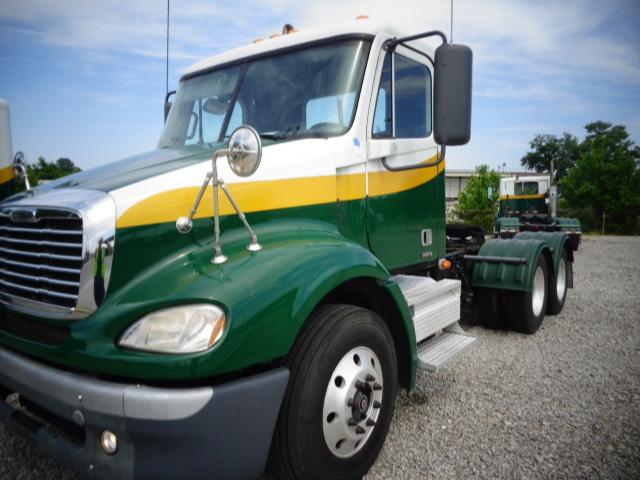
Have truck to sell? List it here to reach thousands of buyers.
About Trucks Near Birmingham, Alabama
Cargo body and floor strength drives uptime. For dry van and reefer box trucks, look for laminated hardwood or aluminum duct floors rated for 10k to 12k pound forklift axle loads, board thickness near 1.38 inches, crossmember spacing at 12 inches on center, and full length scuff liners to protect sidewalls. E track or logistic posts at 24 inch spacing make securement efficient. Flatbeds benefit from apitong or aluminum decks with 50k pounds concentrated load in 4 feet, heavy rub rails, stake pockets, and ample chain tie downs. Dump bodies rely on high tensile or AR steel floors, boxed top rails, and tight cross sill spacing to withstand impact, all of which prevent sagging, cracking, or premature repairs.
Thermal integrity pays back quickly in Alabama heat. Reefer trucks should have high density foam insulation with consistent thickness across sidewalls, roof, and nose, minimal thermal bridges at posts, and tight rear and side door seals. Air chutes and full length returns keep temperature even, and multi temp bulkheads handle mixed loads. Electric standby capability reduces fuel burn at docks, while strip curtains limit warm air intrusion during frequent stops. Verify unit capacity in BTU at high ambient, inspect drains, hinges, and door hardware, and confirm the box passes a light test or pressure test. Data logger ready wiring helps document cold chain compliance.
Tare weight and corrosion resistance are long term profit levers. Aluminum wheels, hubs, crossmembers, and air tanks, wide base singles, and 6x2 drive configurations can trim hundreds of pounds, but evaluate traction needs on wet clay or gravel and any bridge law constraints before committing. Air ride suspensions protect cargo and boxes, steel springs save weight and cost, choose based on route and freight. Look for e coated or galvanized components, sealed harnesses with Deutsch connectors, stainless fasteners, epoxy primer with urethane topcoat, and drain paths that keep water from pooling. Tire inflation systems, auto lube, and air disc brakes cut maintenance, while APUs or battery HVAC curb idling, protect the DPF and SCR system, and keep cabs comfortable in summer.
Frequently Asked Questions
What floor rating should I target for box or reefer trucks that load with forklifts?
For frequent forklift loading, look for laminated hardwood or aluminum duct floors rated at 10k to 12k pounds per forklift axle, crossmembers at 12 inches on center or closer, and a 1.38 inch deck thickness. Full length scuff liners, aluminum or stainless threshold plates, and reinforced rear frames protect high wear zones. Inspect for crushed crossmembers, loose fasteners, and soft spots, which indicate overloads or moisture intrusion.
How do I assess thermal integrity on a reefer body in Alabama heat?
Start with a pull down test at high ambient to confirm the unit reaches and holds setpoint quickly, then monitor recovery after door cycles. Inspect door seals, hinges, and latches for compression and alignment, and check for foam delamination, waviness, or sweating at seams that signal thermal bridging. Confirm air chutes and return air paths are intact, verify unit capacity in BTU at 95 to 100 degrees, and use a light test or pressure test to expose air leaks. Data logger readiness simplifies temperature compliance for food or pharma loads.
How can I reduce tare weight without sacrificing durability or traction?
Use aluminum wheels, hubs, crossmembers, and air tanks, apply composite panels where appropriate, and consider wide base singles to shed weight, then balance with duty needs. A 6x2 can save significant weight and fuel, but pair it with traction control, a liftable pusher, and the right tires for wet clay or gravel. Specify floors and bodies with adequate thickness and material grade, choose air ride for cargo protection or steel springs for simplicity, and avoid overspec options that add weight without adding revenue.
What corrosion protection features matter for humid Southern operations?
Seek e coated or galvanized frames and brackets, sealed wiring with molded Deutsch style connectors, stainless or zinc nickel fasteners, and epoxy primers with urethane topcoats. Isolation washers between dissimilar metals reduce galvanic attack, while cavity wax and designed drain paths prevent water traps. Combine these specs with regular washing after aggregate or brine exposure and routine inspection of harness grommets and paint breaks to keep rust at bay.
Which axle ratios and transmissions fit Birmingham regional and mixed city routes?
For regional highway speeds around 65 to 70 mph, many fleets pair 2.64 to 2.85 axle ratios with a direct drive AMT for efficiency, or 3.08 to 3.25 with an overdrive AMT when hills and heavy GCWs demand more torque multiplication. Engine downspeeding lowers fuel burn, but confirm gradeability and startability for your GCW and stop start profile. In city work, AMTs with creep mode, hill hold, and PTO capability improve control, backing, and uptime.