
Freightliner Asphalt - Hot Oil Trucks For Sale
Shop Freightliner asphalt and hot oil trucks. Compare chassis, tank, burner, spray, and patching configurations for road maintenance work.
Learn more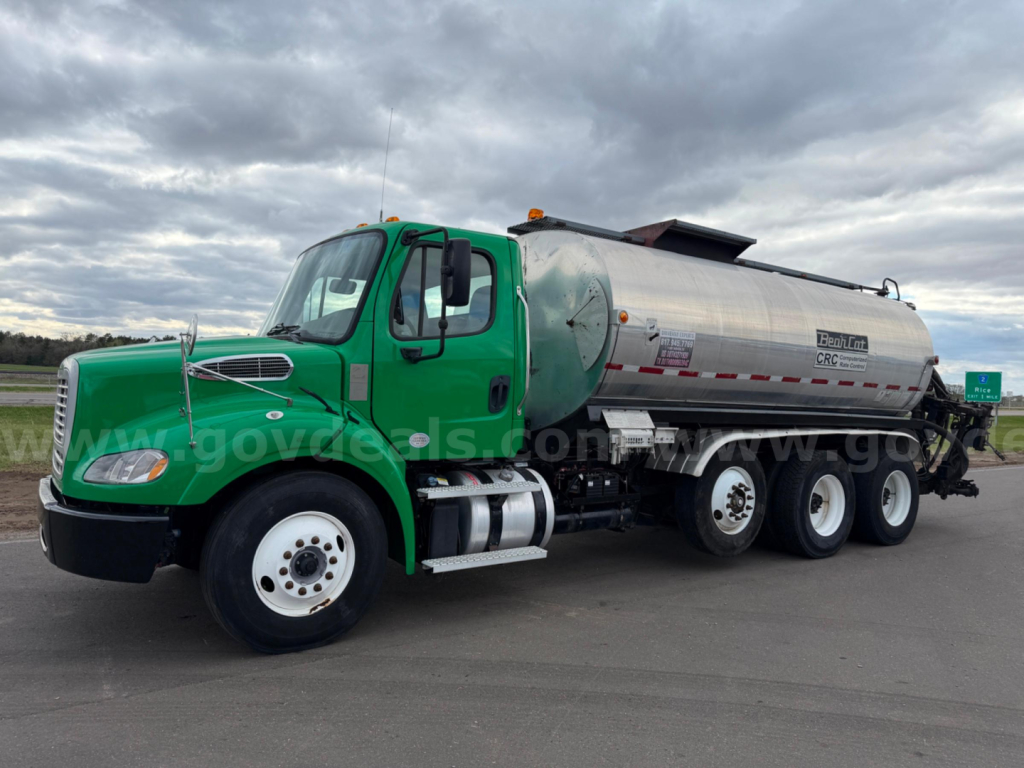
Have freightliner asphalt - hot oil truck to sell? List it here to reach thousands of buyers.
About Freightliner Asphalt - Hot Oil Trucks
The chassis matters as much as the body. Freightliner medium-duty platforms are common in municipal and contractor fleets because parts support is strong, cab ergonomics are familiar, and GVWR options fit a wide range of body sizes. Buyers should pay close attention to axle ratings, wheelbase, engine and transmission pairing, PTO compatibility, and overall weight distribution once the tank or patching body is loaded. On older units, condition of the hydraulic system, burner controls, heat exchangers, pumps, hose reels, and spray nozzles is often more important than cab cosmetics.
Body configuration drives application. A hot oil truck used for seal coat or tack work may have a distributor-style tank, temperature gauges, rear spray bar, and wand for edge treatment and spot application. A unitized asphalt patcher may add aggregate storage, conveyor or auger feed, debris blower, compaction tools, and operator controls designed for one-person pothole repair. Tank capacity, insulation quality, burner performance, and recirculation capability all affect how well the truck maintains material temperature through a full workday. If the truck will be used in colder climates or for longer route times, heat retention and burner reliability become critical buying points.
Freightliner hot oil and asphalt trucks are often selected by counties, cities, paving contractors, and highway departments that need a service-friendly chassis under specialized equipment. A good buyer comparison should include tank condition, burner hours, patching system operation, pump output, hose condition, control layout, and ease of cleaning after use. It also helps to confirm emissions requirements, CDL implications based on GVWR, and whether the truck was built for municipal stop-and-go work or contractor production use. In this category, the right truck is the one that matches your material type, daily coverage area, and repair method without adding unnecessary complexity.
Frequently Asked Questions
What is the difference between a hot oil truck and an asphalt patch truck?
A hot oil truck is typically designed to heat, store, and apply liquid asphalt products such as tack, prime, or crack seal material through a spray bar or hand wand. An asphalt patch truck usually goes further by combining heated liquid application with aggregate handling and patching functions for pothole repair. Many patch trucks are unitized systems that let one operator clean the hole, apply tack, place material, and complete the repair from a single chassis.
Why are Freightliner chassis common in asphalt and hot oil truck applications?
Freightliner chassis are common because they are widely supported, easy for mixed fleets to maintain, and available in medium-duty configurations that suit specialized road maintenance bodies. Models like the Freightliner M2 106 are frequently used because they offer practical GVWR ranges, vocational cab layouts, and components that many municipal and contractor shops already know how to service. That reduces downtime and simplifies parts sourcing compared with less common chassis platforms.
What should I inspect first on a used Freightliner asphalt or hot oil truck?
Start with the specialized equipment, not just the truck cab and drivetrain. Check the tank for corrosion or damage, confirm the burner fires correctly, verify pumps and hydraulics build pressure, inspect spray bars and nozzles, and look at hose reels, valves, and controls for leaks or repairs. On patch trucks, test the aggregate delivery system, material gates, and any blower or compaction accessories. A clean-running chassis is important, but the value of this equipment class is tied directly to the condition of the heating and application system.
What tank and system features matter most for hot oil and asphalt work?
Insulation quality, burner performance, recirculation capability, and application control are the key features. Good insulation and a reliable burner help maintain material temperature across long workdays and cooler weather. Recirculation helps keep material consistent and reduces plugging. Precise spray controls, functional temperature gauges, and a well-designed wand or spray bar setup improve material placement and reduce waste. For patch trucks, material flow from the aggregate compartment is just as important as liquid system performance.
Do I need a CDL to operate a Freightliner asphalt or hot oil truck?
That depends on the truck's GVWR, local regulations, and how the unit is equipped when loaded. Many Freightliner asphalt and hot oil trucks are medium-duty units, but some body and tank combinations can still place the truck in CDL territory. Buyers should verify the door sticker GVWR, loaded operating weight, brake configuration, and any state or municipal requirements for hauling heated materials or specialized road maintenance equipment before putting a unit into service.