
Mercedes-Benz Ambulance Trucks For Sale Near Durham, North Carolina
Shop Mercedes-Benz ambulance trucks, including Sprinter-based EMS units, with details on chassis, roof height, payload, and service use.
Learn moreNo exact matches found for your search
Showing Ambulance Trucks instead.
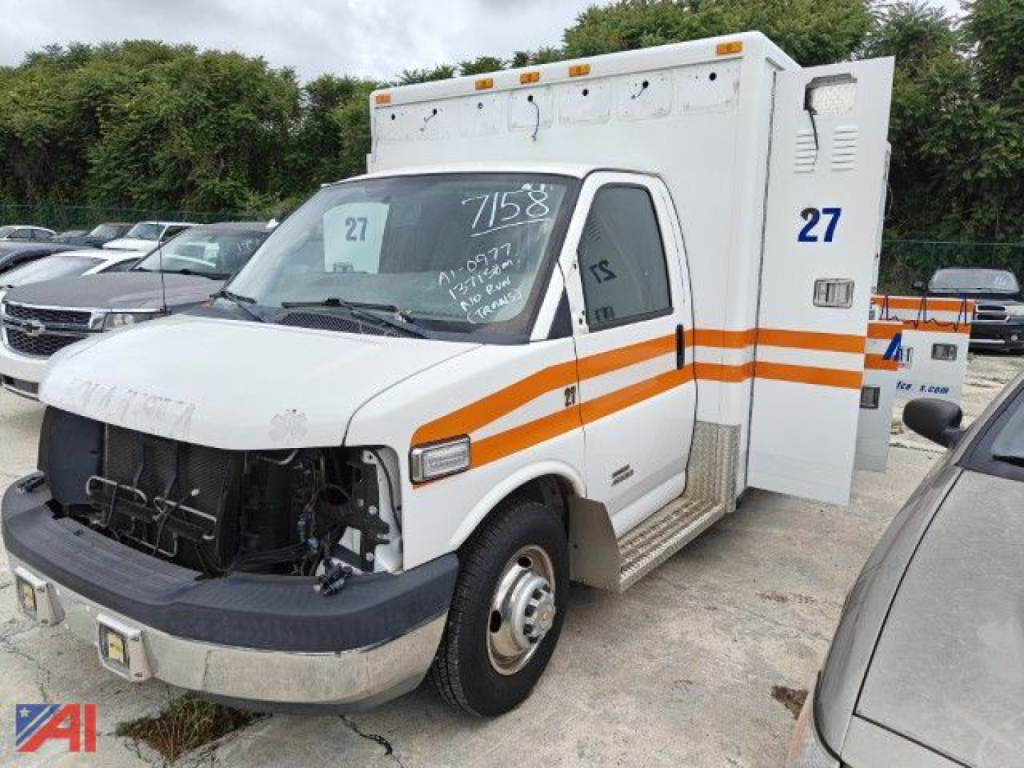
Have mercedes-benz ambulance truck to sell? List it here to reach thousands of buyers.
About Mercedes-Benz Ambulance Trucks Near Durham, North Carolina
On Mercedes-Benz ambulance units, the chassis and powertrain deserve close attention. Many Sprinter ambulances in the used market are powered by a Mercedes-Benz turbo diesel paired with an automatic transmission, and buyers should confirm engine generation, emissions system condition, idle hours, and maintenance records. Wheelbase, roof height, rear door opening, and module layout all affect day-to-day usability. Payload capacity is also important because ambulance upfits add substantial weight through cabinets, HVAC, inverter systems, oxygen storage, cot retention hardware, warning lights, shoreline charging, and onboard medical equipment.
The patient compartment and electrical system often separate one used ambulance from another. Buyers should inspect 12-volt and 110-volt systems, inverter operation, shoreline connection, scene lighting, emergency lighting controls, suction, oxygen plumbing, and climate control performance in both cab and rear compartment. Interior layout matters for crew workflow, especially if the unit will be repurposed for non-emergency medical transport, mobile medical services, or specialty fleet use. Door seals, roof-mounted accessories, rear HVAC components, suspension wear, and signs of water intrusion are all worth checking on a Sprinter-based ambulance.
A Mercedes-Benz ambulance can also appeal to buyers outside frontline EMS. Common secondary uses include mobile clinics, community paramedicine, support vehicles, airport or industrial medical response, and specialty commercial conversions. If the unit has been decommissioned, verify local requirements for siren, light package, radio removal, title status, and any emissions or inspection compliance in North Carolina. For buyers comparing listings, the key differences usually come down to chassis condition, electrical integrity, patient compartment configuration, and how much remount, refurbishment, or reconfiguration the unit will need before it goes back into service.
Frequently Asked Questions
What type of ambulance is usually built on a Mercedes-Benz chassis?
Most Mercedes-Benz ambulance trucks in the used market are Sprinter-based units, commonly configured as van-style ambulances rather than large modular box ambulances. They are often chosen for city EMS, interfacility transport, and specialty medical response because they offer a smaller footprint, good interior height in high-roof configurations, and efficient diesel operation.
What should I inspect first on a used Mercedes-Benz Sprinter ambulance?
Start with service records, engine and transmission operation, and the condition of the emissions system. After that, inspect the ambulance conversion itself, including warning lights, shoreline charging, inverter, HVAC, oxygen system, suction, cabinetry, and rear door seals. High idle time, heavy electrical loads, and frequent stop-and-go operation can affect an ambulance differently than a standard cargo van.
Are Mercedes-Benz ambulances practical for non-EMS commercial use?
Yes. Decommissioned Mercedes-Benz ambulances are often repurposed for mobile medical units, event support, industrial first-response, and custom service vehicle builds. The key is evaluating the existing electrical and climate-control systems, interior layout, and any removal or rework needed to meet local rules on emergency equipment and road use.
How does a Sprinter ambulance compare with a larger box-style ambulance?
A Sprinter ambulance is generally easier to maneuver, easier to park, and more efficient to operate than a larger medium-duty box ambulance. A box-style unit usually offers more patient compartment space and higher payload capacity. Buyers should choose based on route density, crew needs, storage requirements, and whether the unit will remain in emergency service or be converted for another application.