
Used Chevrolet Ambulance Trucks For Sale
Browse used Chevrolet ambulance trucks, including Express ambulance models, with guidance on chassis, module type, mileage, service history, and fleet fit.
Learn more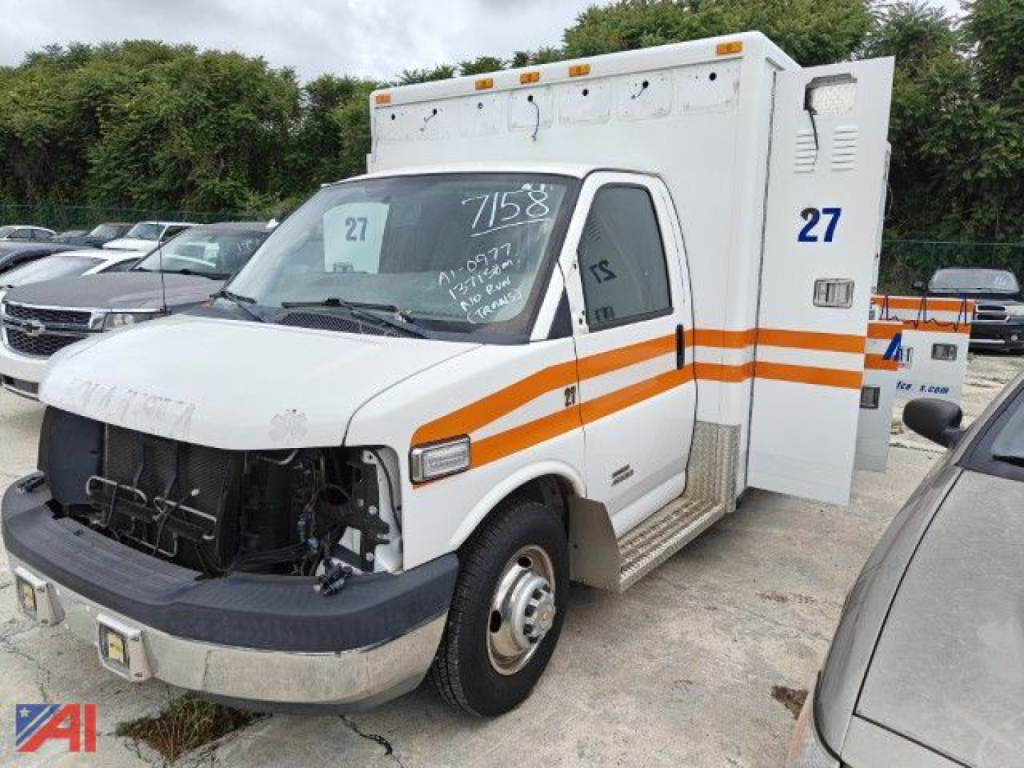
Have used chevrolet ambulance truck to sell? List it here to reach thousands of buyers.
About Used Chevrolet Ambulance Trucks
A buyer comparing used Chevrolet ambulances should look beyond mileage alone. Idle time and total engine hours often matter just as much, since ambulances spend long periods running scene lighting, HVAC, oxygen systems, inverters, and medical electrical loads while stationary. Common checkpoints include transmission condition, cooling system health, brake wear, front-end components, charging system output, and the condition of the alternator and auxiliary batteries. On the ambulance body side, inspect the module or conversion carefully for water intrusion, corrosion, door seal wear, electrical repairs, shoreline connections, warning light function, HVAC performance, and the condition of cabinets, seating, cot mounts, and interior surfaces.
Chevrolet ambulance trucks are often chosen because the van-style front end and cutaway design can be easier to maneuver than larger medium-duty rescue units. That makes them practical for city streets, hospital loading zones, nursing facility routes, and secondary response roles. Body configurations vary by upfitter, but buyers will commonly see Type II van ambulances and Type III modular bodies mounted on the Chevrolet chassis. A Type II generally favors a smaller footprint and lower acquisition cost, while a Type III usually offers more working room in the patient compartment, more exterior storage, and a layout better suited to higher call volume or more equipment-intensive use.
For a used purchase, service records and decommissioning details are critical. Many Chevrolet ambulances come out of public fleets with scheduled maintenance histories, but buyers still need to verify how emergency equipment was removed or left in place, whether warning systems were disabled correctly, and what refurbishment may be needed before the unit is returned to duty or repurposed. Some buyers need a compliant ambulance for EMS work, while others are sourcing a Chevrolet ambulance truck for mobile medical services, event standby, disaster response, or specialty conversion. In any case, the best unit is usually the one with a sound chassis, a dry and functional patient box, a clean electrical system, and maintenance documentation that supports the asking price.
Frequently Asked Questions
What should I check first on a used Chevrolet ambulance truck?
Start with engine hours, idle hours if available, maintenance records, and the condition of the ambulance body. A Chevrolet ambulance may show reasonable mileage but still have high stationary run time from scene operations and onboard electrical loads. After that, inspect the transmission, cooling system, brakes, steering and suspension components, charging system, auxiliary batteries, warning lights, HVAC, shoreline setup, and any signs of leaks or corrosion in the module.
Are Chevrolet Express ambulance trucks good for fleet use?
Chevrolet Express ambulance trucks are a common fleet choice because the chassis is well known, relatively easy to service, and supported by broad parts availability. For many operators, that translates into simpler maintenance planning and lower downtime compared with less common platforms. They are especially practical for urban EMS, non-emergency medical transport support, hospital-based fleets, and reserve units where maneuverability and service familiarity matter.
What is the difference between a Type II and Type III Chevrolet ambulance?
A Type II ambulance is usually van-based with a narrower body and smaller overall footprint, which can help in tighter urban settings and lower-cost operations. A Type III uses a modular ambulance body mounted on a cutaway chassis such as the Chevrolet Express, giving the crew more interior workspace, more cabinet capacity, and often more exterior compartments. Buyers generally choose between them based on call volume, equipment load, crew preference, and facility access constraints.
Does mileage matter more than hours on a used ambulance?
On a used ambulance, mileage alone does not tell the full story. Engine hours and idle time are extremely important because ambulances often spend substantial time running while parked to support medical equipment, lighting, and climate control. A unit with moderate mileage but very high hours may have more wear than a higher-mileage ambulance with documented highway use and strong maintenance history.
Can a used Chevrolet ambulance be repurposed for other applications?
Yes. Many retired Chevrolet ambulance trucks are repurposed for mobile clinics, event medical support, community outreach, disaster response, training, and specialty service bodies. Before repurposing, buyers should confirm local title and registration requirements, inspect the electrical system carefully, and determine which emergency systems have been removed or deactivated. The value of a repurposed unit depends heavily on body integrity, power system condition, and how much rework is needed for the new application.