
2019 Peterbilt Trucks For Sale
Shop 2019 Peterbilt trucks for sale, including highway, vocational, and day cab models with proven specs, driver-focused cabs, and strong resale appeal.
Learn moreBrowse Peterbilt Trucks by Category
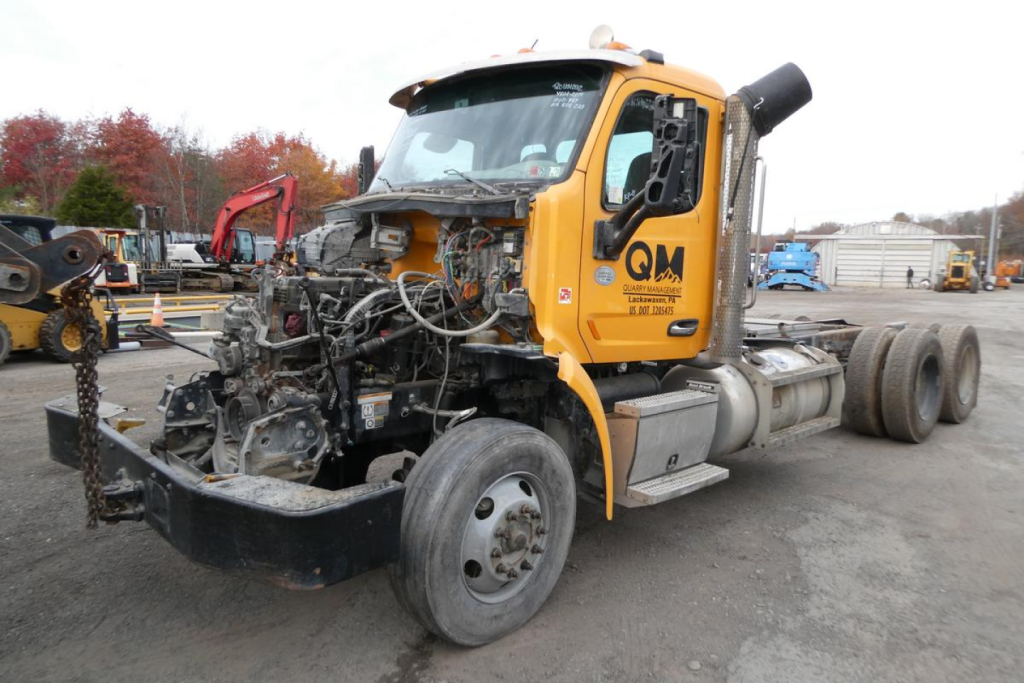
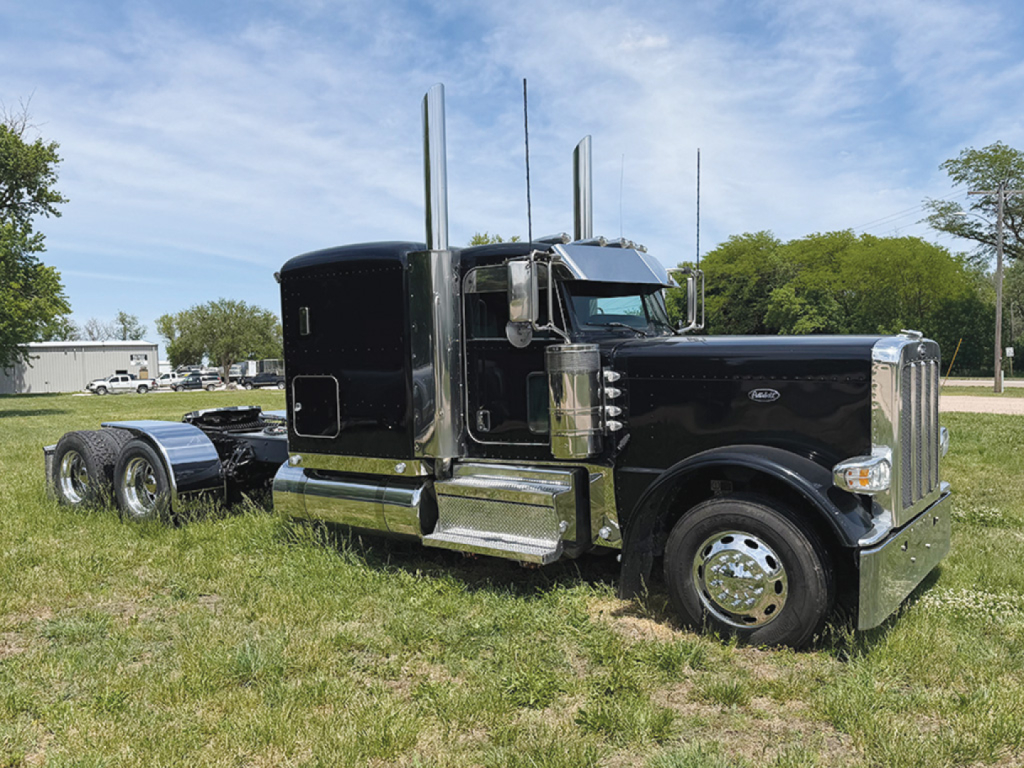
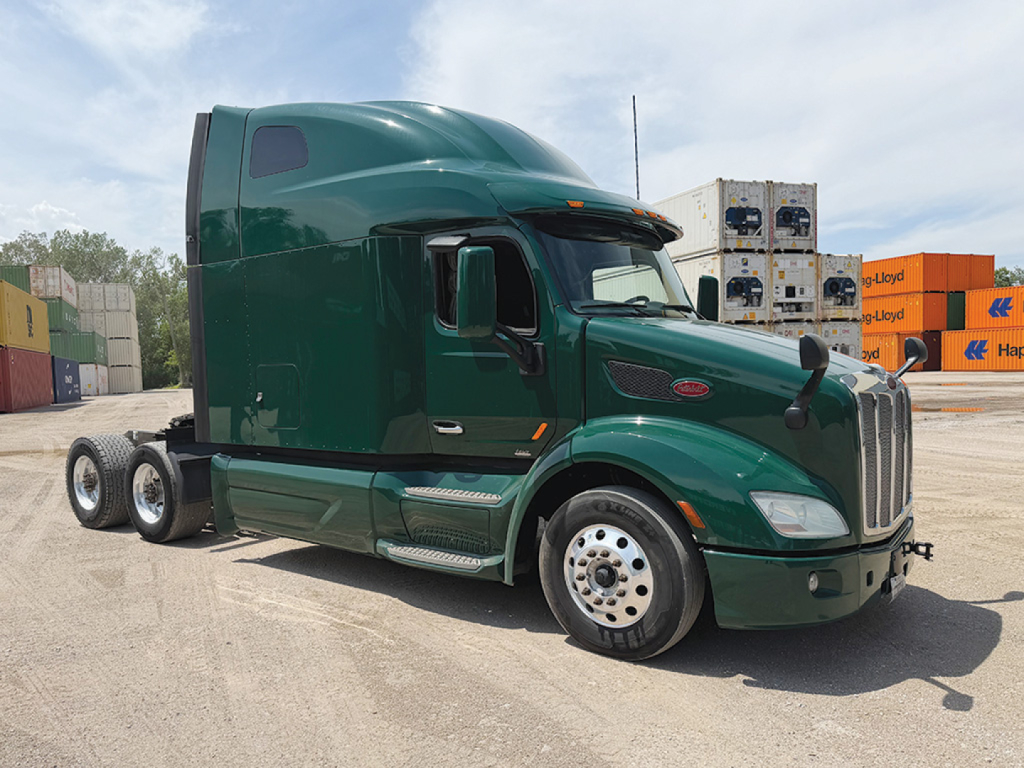


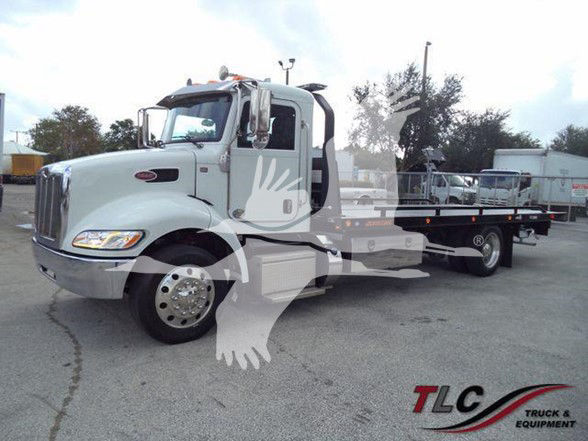
Showing 1 to 12 of 13 results
Have 2019 peterbilt truck to sell? List it here to reach thousands of buyers.
About 2019 Peterbilt Trucks
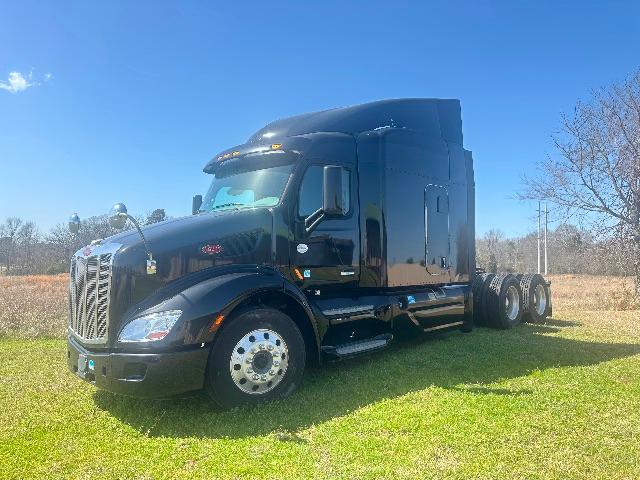
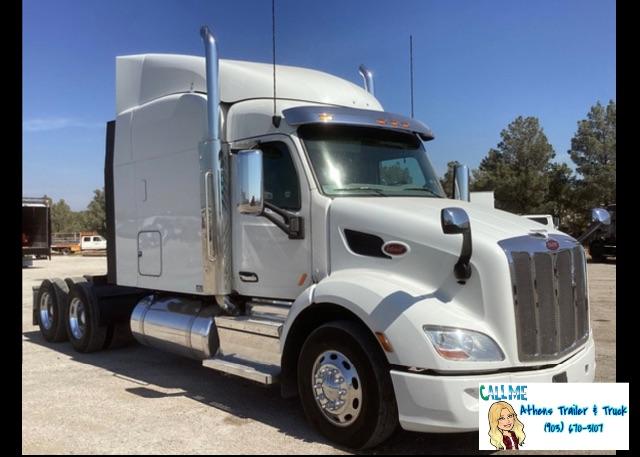
For highway use, 2019 Peterbilt 579 trucks are among the most common searches, especially in sleeper and day cab form. Buyers will typically compare PACCAR MX-13 and Cummins X15 engines, with horsepower often landing in the 400 to 510 HP range depending on the application. Transmissions may include manual Eaton Fuller units or automated options such as the Endurant and other AMT setups. Rear axle ratings around 40,000 pounds, ratios like 2.79, 2.93, or 3.08, and wheelbases in the low-220s to mid-240s are all common numbers that directly affect fuel economy, cruise RPM, bridge compliance, and trailer pairing. Sleeper configurations such as the Peterbilt Unibilt and UltraLoft matter if the truck is being assigned to team operations, extended-haul lanes, or a driver retention role where bunk space, HVAC performance, bunk heater function, and inverter capacity all count.
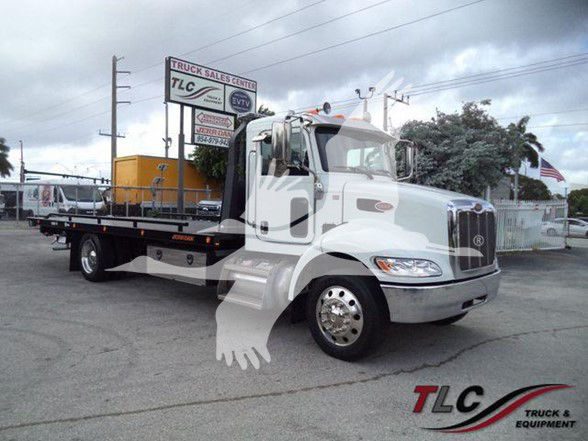
On vocational 2019 Peterbilt trucks, the buying checklist shifts fast. Dump, box, rollback, mixer, plow, service, and municipal specs bring more attention to front axle capacity, frame reinforcement, PTO compatibility, suspension type, transmission programming, and body manufacturer integration. A 2019 Peterbilt 348 or 367 may be configured far differently from a highway tractor even if both carry the same model year. Buyers should verify engine hours against idle time, confirm any PTO or hydraulic system operation, inspect frame rails and crossmembers for upfit stress, and pay close attention to emissions service history. On diesel trucks from this era, DPF, DOC, SCR, and EGR maintenance records can be just as important as mileage when judging long-term operating cost.
Cab condition and driver environment also matter more on a 2019 Peterbilt than many buyers first assume. Peterbilt held strong resale value in part because drivers recognize the brand, but resale is still driven by spec discipline and maintenance. Features like air ride suspension, disc or drum brake setup, dual fuel tanks, fairings, cab extenders, air-slide fifth wheels, digital dash layouts, and aluminum wheels can affect operating efficiency and market appeal. The best 2019 Peterbilt truck is usually the one with a documented maintenance trail, a clear application fit, and a drivetrain spec matched to the route and payload instead of simply the highest horsepower or the biggest sleeper.
Frequently Asked Questions
What are the most common 2019 Peterbilt truck models buyers look for?
The most commonly searched 2019 Peterbilt trucks usually include the 579 for highway use, along with vocational models such as the 348, 367, and 389 depending on the job. The 579 is a frequent choice for fleet and owner-operator sleeper or day cab applications because it balances aerodynamics, driver comfort, and drivetrain flexibility. Vocational buyers tend to focus more on axle ratings, frame specs, PTO capability, and body compatibility than on the model name alone.
What engine options are common in 2019 Peterbilt trucks?
Common engine choices in 2019 Peterbilt trucks include the PACCAR MX-13 and Cummins X15 in highway tractors, with smaller displacement Cummins engines appearing in some medium-duty and vocational applications. Horsepower ratings often range from the low-400s into the 500 HP class on highway units. The right engine depends on route profile, gross weight, idle time, maintenance preference, and whether fuel economy or pulling performance is the higher priority.
Is a 2019 Peterbilt a good choice for long-haul freight?
A properly spec'd 2019 Peterbilt can be a strong long-haul truck, especially in 579 sleeper configuration. Buyers should look at sleeper size, bunk layout, fuel capacity, wheelbase, rear axle ratio, and transmission type alongside engine make and horsepower. Driver comfort features such as bunk heaters, inverters, refrigerator prep, climate control, and aerodynamic fairings also matter because they affect retention, idle reduction, and total operating cost over long distances.
What should buyers inspect on a used 2019 Peterbilt truck?
The highest-value inspection points are emissions history, drivetrain condition, axle and suspension wear, brake type and remaining life, and any signs of frame or body stress from the truck's prior application. On highway tractors, review mileage, idle hours, clutch or AMT service, fifth wheel condition, and tire wear pattern. On vocational trucks, inspect PTO operation, hydraulic plumbing, frame modifications, front axle loading, and body mounting integrity. Service records for DPF cleaning, SCR components, and EGR-related repairs are especially important on trucks from this emissions era.
Do 2019 Peterbilt trucks hold their resale value well?
2019 Peterbilt trucks generally hold value well when they have desirable specs, clean maintenance records, and a popular application fit. Brand reputation helps, but resale is usually strongest on units with fleet-friendly engines, documented emissions maintenance, good interior condition, and practical axle and wheelbase specs. Overbuilt or unusual configurations can still perform well in niche markets, but they may take longer to match with the right buyer.