
2015 Trucks For Sale
Find used 2015 semi, sleeper, day cab, box and dump trucks. Know engines, AMTs, emissions and key inspections to control cost and uptime.
Learn morePopular Trucks Categories
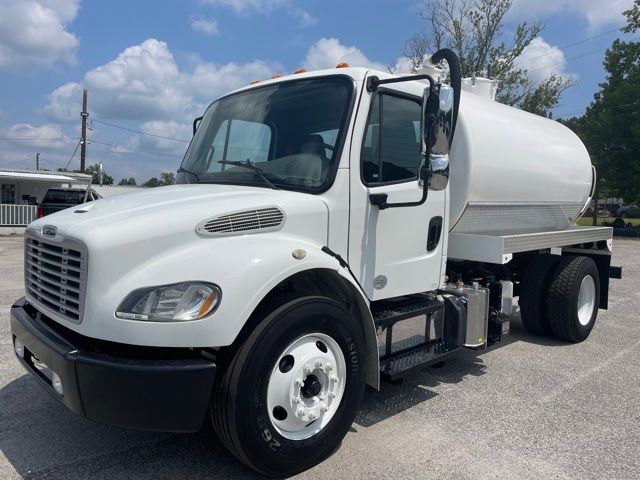
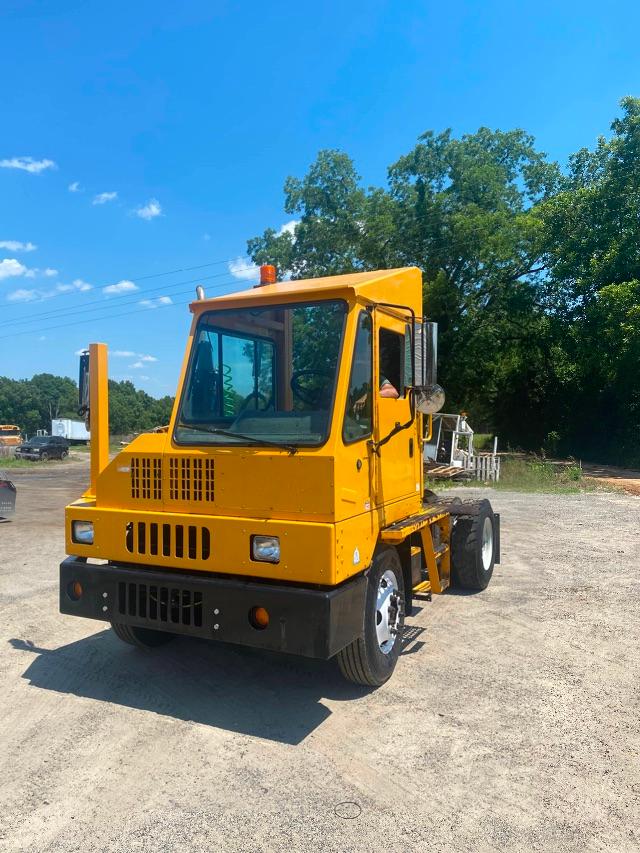

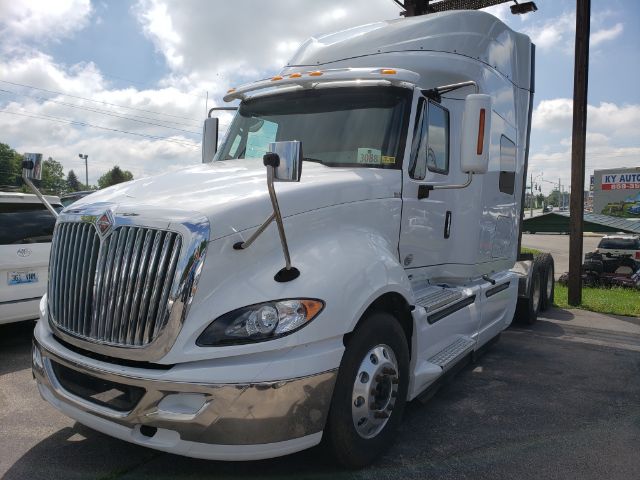

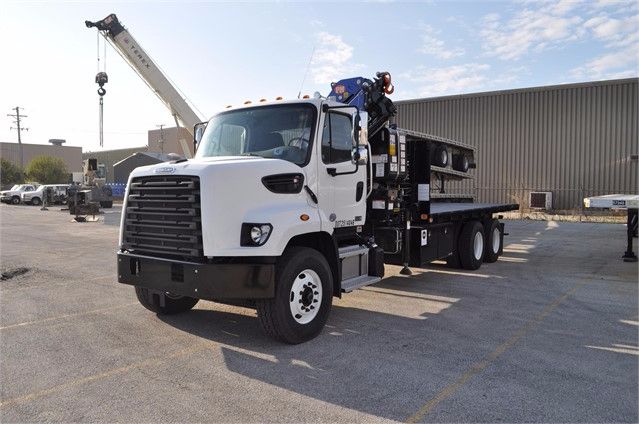
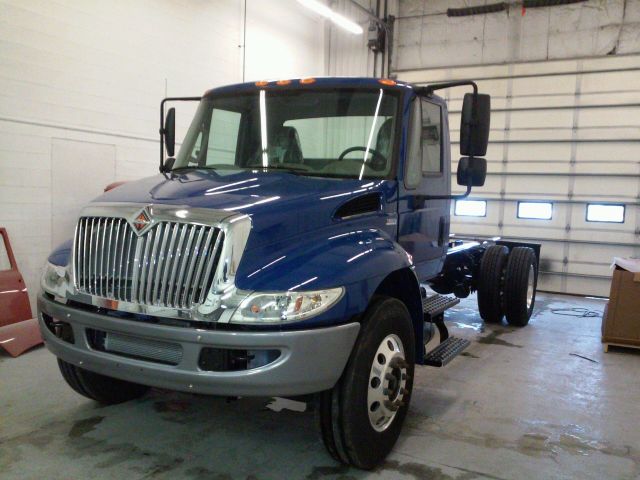
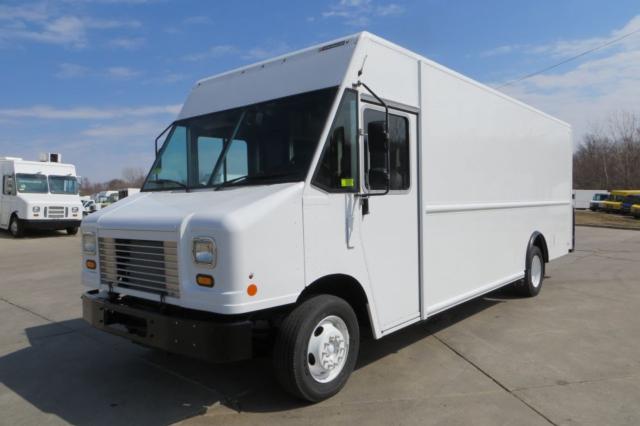
Showing 61 to 72 of 72 results
Have 2015 truck to sell? List it here to reach thousands of buyers.
About 2015 Trucks
Drivetrain specs in 2015 leaned heavily toward fuel efficiency. Common engines include Cummins ISX15 and ISX12, Detroit DD13 and DD15, Paccar MX-13, Volvo D13, and International N13 with SCR. Pairings with automated manuals were widespread, such as Eaton UltraShift Plus, Detroit DT12, and Volvo I-Shift, alongside Fuller 10, 13, and 18 speed manuals. Rear axle ratios typically range from 2.26 to 3.55 depending on tire size and top gear OD. Aero packages, side fairings, roof caps, low rolling resistance tires, and tire inflation systems are frequent on 2015 sleeper and day cab tractors, providing real MPG gains when matched to the route and cruise speed.
Applications are diverse across 2015 trucks for sale. Over-the-road sleepers often show 400k to 800k miles with APUs, bunk heaters, disc brake options, collision mitigation, and lane departure systems starting to appear. Regional day cabs benefit from shorter wheelbases and tighter kingpin settings for city docks. Straight trucks from this year include dry vans and reefers with common box lengths 24 to 28 feet, liftgates, and dock-height bodies; evaluate floor condition, scuff liners, and reefer engine hours for Carrier or Thermo King units. Vocational units like dumps, mixers, and roll-offs should be checked for double frames, crossmember integrity, PTO operation, suspension type, and body hydraulics. For heavy haul, look for 46k rears, full lockers, 18 speed gearboxes, and longer wheelbases.
Total cost of ownership hinges on a sound pre-buy process. Scan the ECM for faults, aftertreatment counters, idle percentage, and derate history. Inspect turbo and charge air system, coolant test, water pump seepage, clutch wear on manuals, and bushing or kingpin play. Disc brakes reduce maintenance but verify rotor thickness and caliper slide health; drums remain common and economical. 2015 electronics are ELD-ready through a 9-pin J1939 port and support most telematics. For compliance-sensitive lanes, confirm CARB readiness and SmartWay aero where applicable. Matching engine torque to rear ratios and top gear is key: low 2.2x to 2.6x works at steady 62 to 68 mph cruise on tall overdrive, while 3.08 to 3.55 is typical for mixed duty, grades, or PTO use.
Frequently Asked Questions
What emissions system is on most 2015 trucks and what should I inspect before buying?
Most 2015 trucks use a DPF with SCR that requires DEF. Review maintenance records for DPF cleanings, forced regen frequency, and replacement of NOx sensors, DEF pumps, dosers, and heaters. Check for DEF contamination, inspect the DOC and DPF with a boroscope if possible, and run a forced regen while monitoring temps and backpressure. A clean aftertreatment history lowers downtime risk and operating costs.
Which engines are common in 2015 trucks and how do they differ in serviceability and fuel economy?
Typical choices are Cummins ISX15 and ISX12, Detroit DD13 and DD15, Paccar MX-13, Volvo D13, and International N13 with SCR. All target improved fuel economy over prior years, with differences in torque curves, recommended cruise RPM, and parts pricing. Cummins and Detroit offer broad service networks, Paccar and Volvo focus on integrated powertrain efficiency, and the N13 gained reliability after adopting SCR. Review oil analysis, injector and turbo history, EGR cooler work, and valve set intervals to gauge health.
How do automated manual transmissions in 2015 compare to traditional manuals?
Automated manuals such as Eaton UltraShift Plus, Detroit DT12, and Volvo I-Shift generally improve MPG and reduce clutch wear and driver fatigue. They shift consistently and pair well with low RPM cruise ratios. Manuals like Fuller 10, 13, and 18 speeds remain simple and durable with lower parts costs but require driver skill. For AMTs, check clutch actuator operation, software calibration, and driveline backlash; for manuals, inspect clutch life, input shaft seals, and synchronizer behavior.
What mileage or hours are typical for 2015 trucks and which components may be near end of life?
Highway sleepers and day cabs from 2015 often show 400k to 800k miles, while vocational units are better judged by engine and PTO hours. Components that may approach lifecycle limits include injectors, turbochargers, water pumps, charge air coolers, radiators, aftertreatment sensors and DPF, air dryers, suspension bushings, kingpins, and brakes. Budget for updated belts and hoses, fresh coolant, and a full PM to reset the maintenance clock.
Are 2015 trucks compliant with CARB rules and ELD requirements?
2015 diesel engines meet EPA 2010 standards and are generally acceptable for most CARB on-road requirements when the DPF and SCR are functional. Transport refrigeration units have separate CARB rules based on the TRU model year, so verify reefer compliance by serial number and hour tier. ELD compliance is straightforward on 2015 trucks through the J1939 port, but confirm constant power, GPS antenna placement, and data plan needs for your telematics platform.