
John Deere Dozers & Crawler Tractors For Sale
Browse John Deere dozers and crawler tractors with guidance on size class, undercarriage, blade setup, hydrostatic drive, and jobsite fit.
Learn more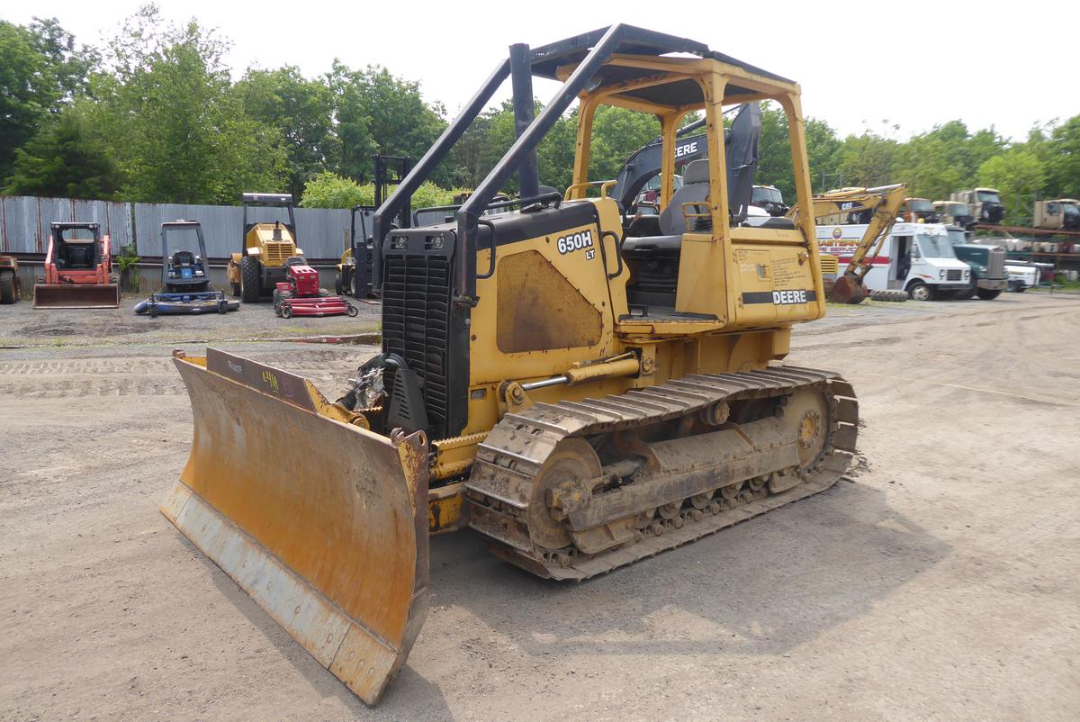
Have john deere dozers & crawler tractors equipment to sell? List it here to reach thousands of buyers.
About John Deere Dozers & Crawler Tractors
Hydrostatic transmission is a major reason these machines remain popular in mixed-duty fleets. It gives smooth modulation for slot dozing, spreading fill, working on slopes, and fine grading around foundations or road shoulders. Buyers should compare blade configuration closely because a 6-way PAT blade changes the machine’s versatility compared with a straight blade or semi-U setup. Track shoe width, grouser style, and overall undercarriage condition also deserve close attention. On any used crawler tractor, rails, pads, rollers, idlers, sprockets, and adjusters can represent a large share of future ownership cost, so undercarriage life often matters as much as engine hours.
John Deere crawler dozers are also known for simple service access and familiar diesel power in long-running fleet applications. When reviewing listings, pay attention to operating weight, horsepower, ground contact length, and ROPS configuration. Open-station units can be a practical fit for farm, ranch, and fair-weather site work, while enclosed cab machines typically make more sense for commercial contractors working year-round. Blade pin and bushing wear, hydraulic seepage at tilt or angle cylinders, steering response, and final drive condition are all worth evaluating before purchase because they directly affect grading accuracy and repair cost.
A good Deere dozer choice comes down to matching the machine to the material and the production target. Soft ground and finish work usually benefit from wider pads and lower ground pressure, while tighter, harder material may favor a setup that prioritizes traction and pushing power. If the machine will spend time loading, backfilling, and dressing sites rather than heavy cut-and-push work, a mid-size crawler tractor with a PAT blade is often the most flexible option. Buyers comparing John Deere dozers for sale should weigh transport dimensions, undercarriage percentage, hydraulic condition, and blade setup before focusing on cosmetics.
Frequently Asked Questions
What should I check first on a used John Deere dozer or crawler tractor?
Start with the undercarriage. Track chains, pads, rollers, idlers, sprockets, and adjusters can be one of the most expensive wear areas on any crawler. After that, evaluate the hydrostatic drive performance, steering response, blade function, cylinder leakage, final drives, and pin and bushing wear at the blade and C-frame. Engine hours matter, but undercarriage condition and hydraulic health often tell you more about near-term ownership cost.
Are John Deere hydrostatic dozers good for finish grading?
Yes. John Deere hydrostatic dozers are widely used for finish grading because they allow smooth directional changes, precise speed control, and consistent blade modulation. That makes them effective for backdragging, spreading material, shaping pads, and trimming around structures. A 6-way PAT blade adds versatility because it can angle, tilt, and pitch material more precisely than a simpler blade setup.
How do I choose the right size John Deere crawler tractor?
Match the machine to the material, jobsite access, and hauling plan. Smaller models are easier to transport and work well on residential construction, utility support, and farm projects. Larger machines are better suited for heavier cut-and-fill, land clearing, and production earthmoving. Buyers should compare horsepower, operating weight, blade width, ground pressure, and transport dimensions instead of relying on model number alone.
Why is undercarriage percentage so important on a dozer listing?
Undercarriage percentage gives a quick estimate of remaining wear life in the tracks and supporting components. A machine with a low undercarriage percentage may still run well, but it could require major investment sooner than a comparable unit with stronger track life remaining. Since undercarriage replacement is a significant cost on crawler equipment, this number has a direct effect on value, budgeting, and total cost of ownership.
What jobs are John Deere dozers commonly used for?
John Deere dozers and crawler tractors are commonly used for site prep, road and driveway building, lot clearing, pond work, utility backfill, farm and ranch improvements, and general grading. Mid-size units are especially common where operators need one machine to cut, spread, shape, and clean up a jobsite. The right blade and track setup can make the same machine suitable for both rough dozing and more controlled finish work.