
New Viking Trailers For Sale
New Viking trailers for sale, including log trailers built for timber hauling with lightweight frames, bolsters, load scales, and tandem axles.
Learn more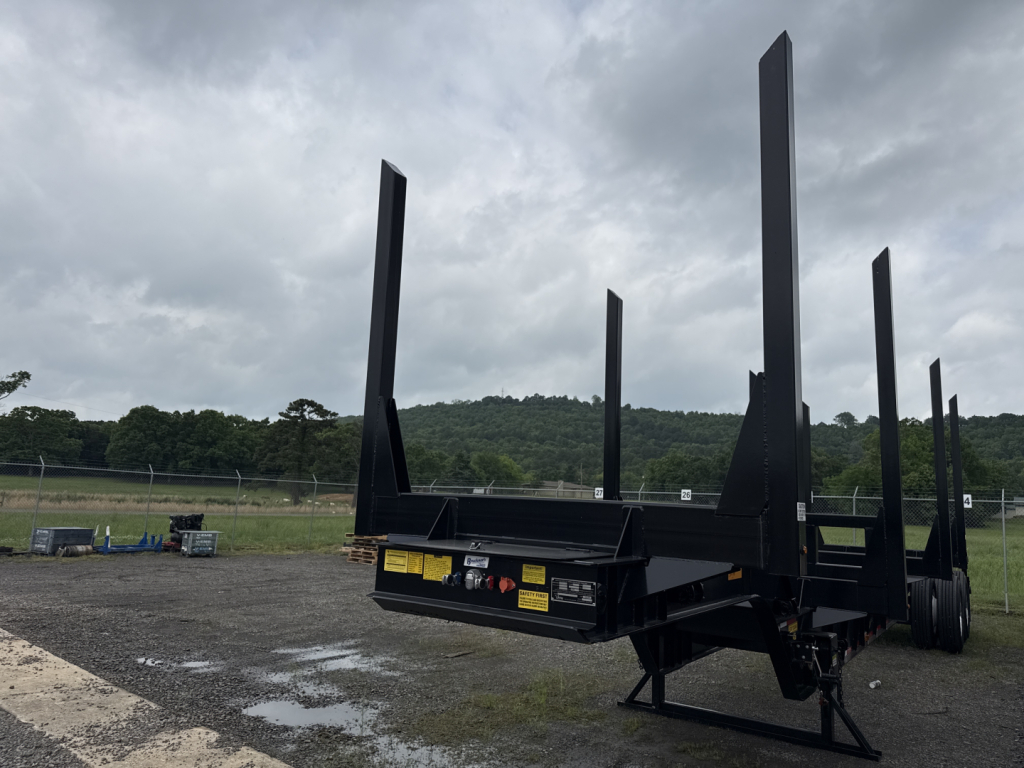
Have new viking trailer to sell? List it here to reach thousands of buyers.
About New Viking Trailers
On many Viking log trailers, common specifications include a 40-foot overall length, four bolster arrangement, 25,000 lb. axles, 11R24.5 tires, and drum brakes. Features such as an 8-inch drop center, grapple bar, winch-back landing gear, and single-point suspension are important because they support faster loading, better log containment, and cleaner weight transfer under uneven conditions. Some units are equipped with Viking load cells and onboard electronics, which can be a major advantage for operations trying to maximize legal payload and reduce guesswork at the scale. Polished aluminum outer wheels, air ride or other ride-control setups, and strap packages are also common details that affect long-term operating cost and daily usability.
The main buying decision is matching the trailer to the type of timber being hauled and the roads it will see every day. Plantation pulpwood, chip-n-saw, and longer saw logs can each push the trailer toward different bolster spacing, frame reinforcement, and suspension preferences. Lighter configurations can improve payload on legal roads, but severe off-road service may justify a heavier build with more emphasis on structural life. Brake type, tire size, and kingpin or fifth wheel compatibility matter less on a dedicated log trailer than on van or flatbed equipment, but axle spread, ride height, and loaded center of gravity are critical for safe handling in woods operations.
Viking has a strong reputation in specialized forestry trailer applications, so buyers typically compare build details more than brand familiarity. Look closely at tare weight, bolster construction, brake and hub serviceability, suspension simplicity, and the integration of scales or electronics. For fleets and owner-operators hauling timber every day, the right new Viking trailer is the one that keeps payload high, maintenance straightforward, and uptime steady across both muddy landings and highway miles.
Frequently Asked Questions
What are new Viking trailers commonly used for?
New Viking trailers are commonly used in forestry and timber hauling, especially as log trailers for plantation wood, pulpwood, chip-n-saw, and saw log applications. They are built to handle repeated loading cycles, uneven off-road ground conditions, and highway transport to mills or processing yards. Their design centers on payload efficiency, log security, and durability in demanding wood-hauling service.
What specs matter most when buying a new Viking log trailer?
The most important specs are trailer length, number and spacing of bolsters, axle capacity, suspension type, tare weight, brake setup, and tire size. Buyers should also pay attention to drop-center design, grapple bar configuration, landing gear, and whether the trailer includes onboard load scales or electronics. These details affect legal payload, trailer stability, loading speed, and maintenance cost over the life of the trailer.
Are Viking trailers built for off-road forestry conditions or mainly highway use?
Viking log trailers are generally built for a mix of off-road forestry work and highway hauling. They need to track through muddy landings, plantation roads, and uneven loading areas while still running stable and legal on pavement. The right configuration depends on how severe the off-road conditions are, because lighter trailer builds can improve payload while heavier-duty configurations can hold up better in rough service.
Do load cells and onboard scales make a difference on a log trailer?
Yes, load cells and onboard scale systems can make a significant difference in timber hauling. They help drivers estimate payload before reaching a public or mill scale, which can reduce overweight risk and improve payload consistency across loads. For operations paid by weight, integrated scale electronics can also improve efficiency by helping load each trip closer to legal capacity.
How do I choose between a lightweight and a heavier-duty Viking trailer?
A lightweight Viking trailer generally makes the most sense when legal payload is the top priority and routes include a higher percentage of maintained roads. A heavier-duty trailer may be the better choice when the trailer will spend more time on rough woods roads, in deep ruts, or under severe loading conditions. The decision should be based on the average log length, road conditions, expected daily cycles, and the balance between payload revenue and long-term structural durability.