
Viking Trailers For Sale
Browse Viking trailers for fuel hauling, logging, and other vocational applications with specs that matter for payload, durability, and compliance.
Selling a viking trailer? List your viking trailer for sale and reach thousands of commercial buyers.
Viking Trailers
On Viking tank trailers, buyers should look closely at shell material, gallon capacity, compartment count, and discharge setup. Aluminum tanks are common for petroleum service because they help reduce tare weight while resisting corrosion. A typical spec may include tandem axles, spring suspension, multiple compartments for split loads, cable-operated valves, rear ladder access, and pump-off capability. If the trailer will stay in fuel service, confirm the piping, vapor recovery equipment, emergency shutoff functions, and inspection status are current and documented. If it is being repurposed for water or another liquid application, check how the existing plumbing, baffles, and tank code fit the intended use.
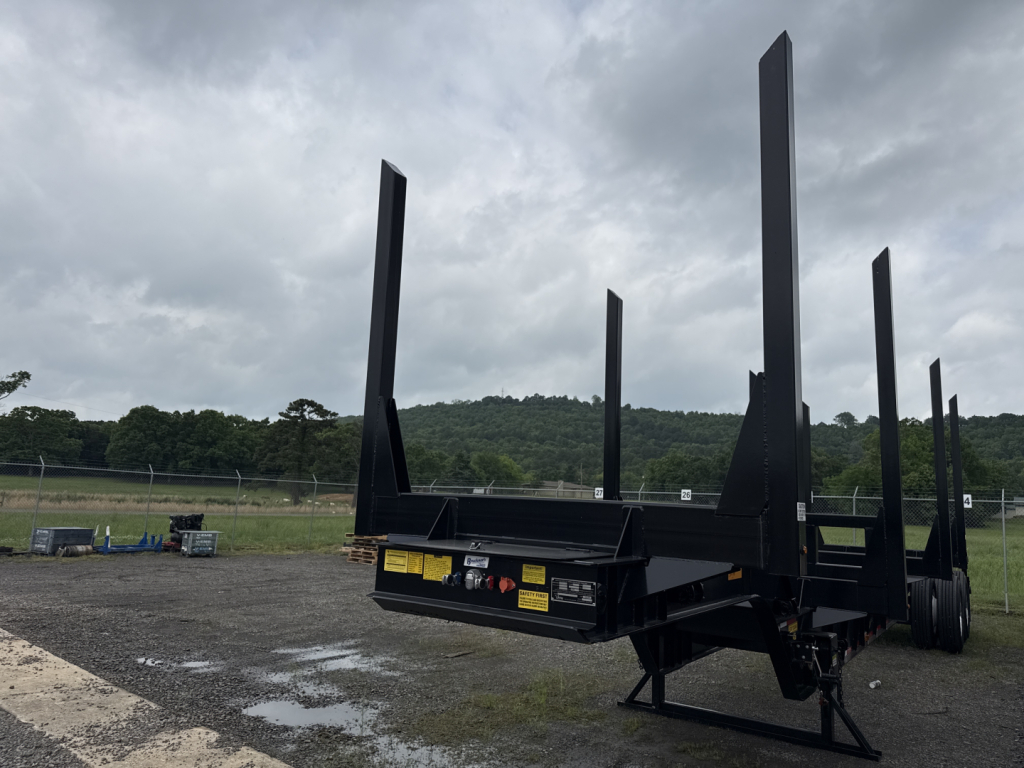
On Viking log trailers, the main buying points are structural design and woods-ready equipment. Common specs include 40-foot layouts, tandem axles, air ride or single-point suspension setups, 25,000-pound axles, drum brakes, and 11R24.5 rubber. Bolster count, drop-center design, landing gear style, and grapple bar dimensions all affect loading efficiency and stability in the woods and on the highway. Buyers hauling plantation wood, pulpwood, or cut-to-length timber should pay attention to trailer weight, stake and bolster construction, wheel and tire package, and any onboard load cell systems that help control gross weight before leaving the landing.
Because Viking trailers tend to show up in demanding regional and vocational service, condition matters as much as the original spec. Check frame and crossmember integrity, suspension wear, brake condition, wheel-end service history, and signs of tank repairs or logging damage. On fuel units, verify compliance items first. On log units, inspect wear points around bolsters, bunks, neck structure, and running gear. A well-matched Viking trailer can be a productive asset, but the best value comes from aligning the trailer's exact configuration with the commodity, route, loading method, and maintenance environment it will face.
Frequently Asked Questions about Viking Trailers
What types of Viking trailers are most commonly found on the used market?
Viking trailers commonly appear in specialized categories such as fuel tank trailers and log trailers. These are vocational units built for a specific hauling task rather than general freight. Fuel tank models are designed around liquid containment, compartmentalization, and regulatory compliance, while log trailers focus on lightweight structure, bolster arrangement, axle capacity, and durability in off-road loading environments.
What should I verify before buying a used Viking fuel tanker trailer?
Start with the tank code, gallon capacity, compartment count, and current inspection status. Confirm that the trailer has the correct piping, valves, vapor recovery equipment, and discharge components for the product being hauled. Buyers should also inspect the tank shell, subframe, suspension, brakes, and wheel ends, and review any repair history carefully. A fuel trailer that is rack-ready and properly documented can save significant time and cost compared with a unit that needs compliance work before it can be dispatched.
What features matter most on a Viking log trailer?
The most important features are trailer weight, axle rating, suspension design, bolster setup, and overall structural condition. A log trailer must carry legal payload efficiently while holding up in rough loading areas and on public roads. Buyers should examine the drop-center design, landing gear, grapple bar, brake package, tire size, and any load scale or load cell systems. Worn bolsters, cracked welds, and suspension issues can quickly turn a low purchase price into a high-cost trailer.
Are Viking trailers typically aluminum or steel?
That depends on the trailer type and the intended service. Fuel tank trailers are often aluminum to reduce tare weight and improve corrosion resistance. Log trailers are commonly steel because the application demands high structural strength and resistance to impact in woods service. Material choice affects payload, durability, repair methods, and long-term operating cost, so it should be evaluated in relation to the trailer's actual job.
How do I know if a Viking trailer is the right fit for my operation?
Match the trailer to the commodity, loading method, route profile, and maintenance capacity of your fleet. For a tanker, that means confirming the tank specification, compartment layout, and unloading system fit your product and terminal requirements. For a log trailer, it means confirming the bolster layout, suspension, axle capacity, and empty weight fit your wood basket and legal weight targets. The best fit is the trailer that meets the job without requiring major reconfiguration after purchase.