
2016 Wabash Van Trailers For Sale
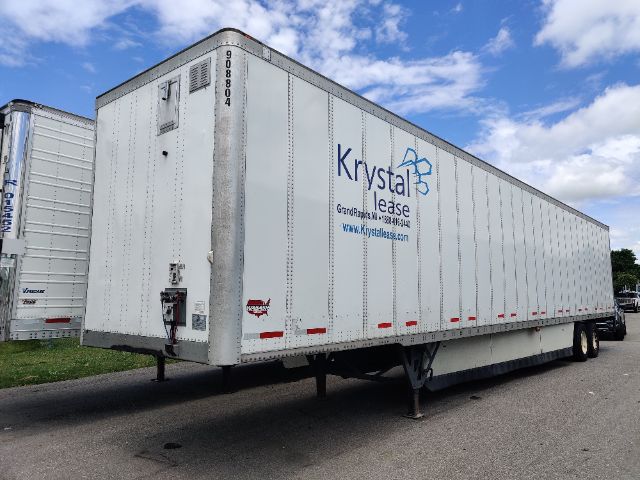
Shop 2016 Wabash van trailers with specs buyers want: 53-foot dry vans, air ride, swing or roll-up doors, logistics posts, and durable floors.
Learn more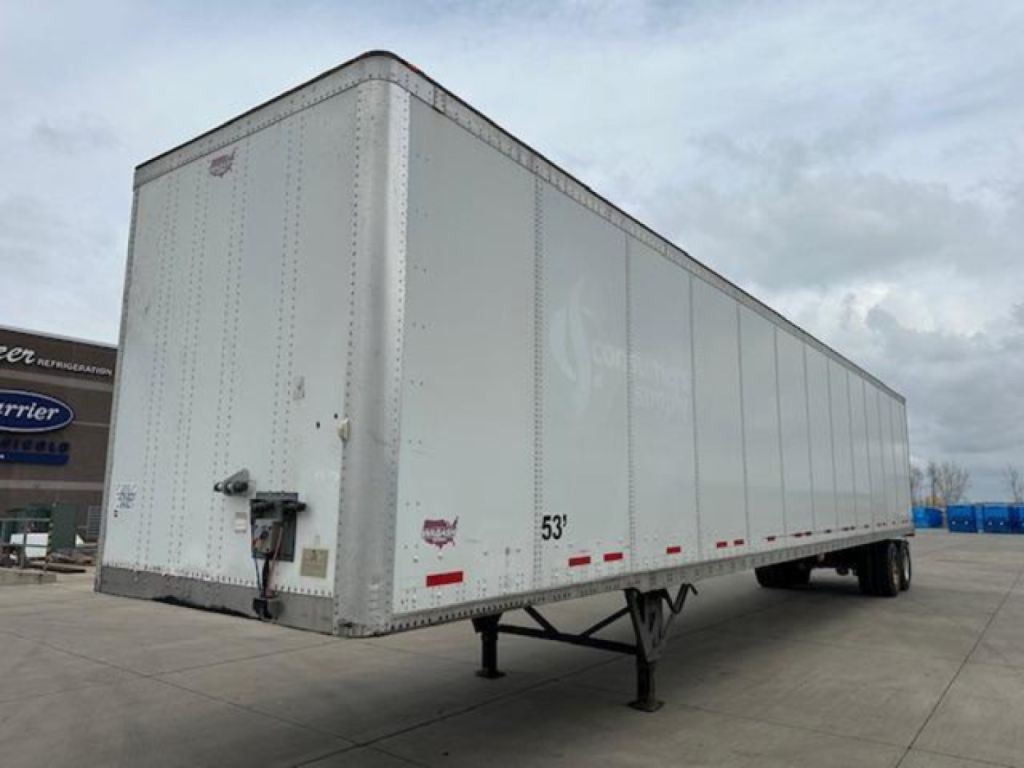
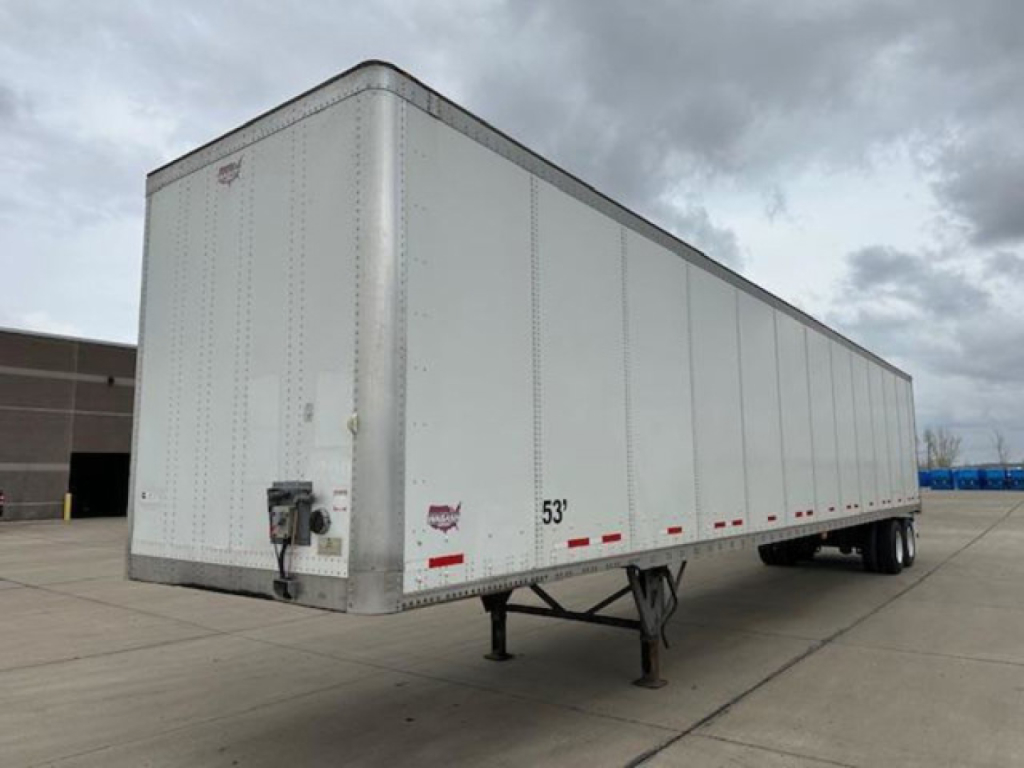
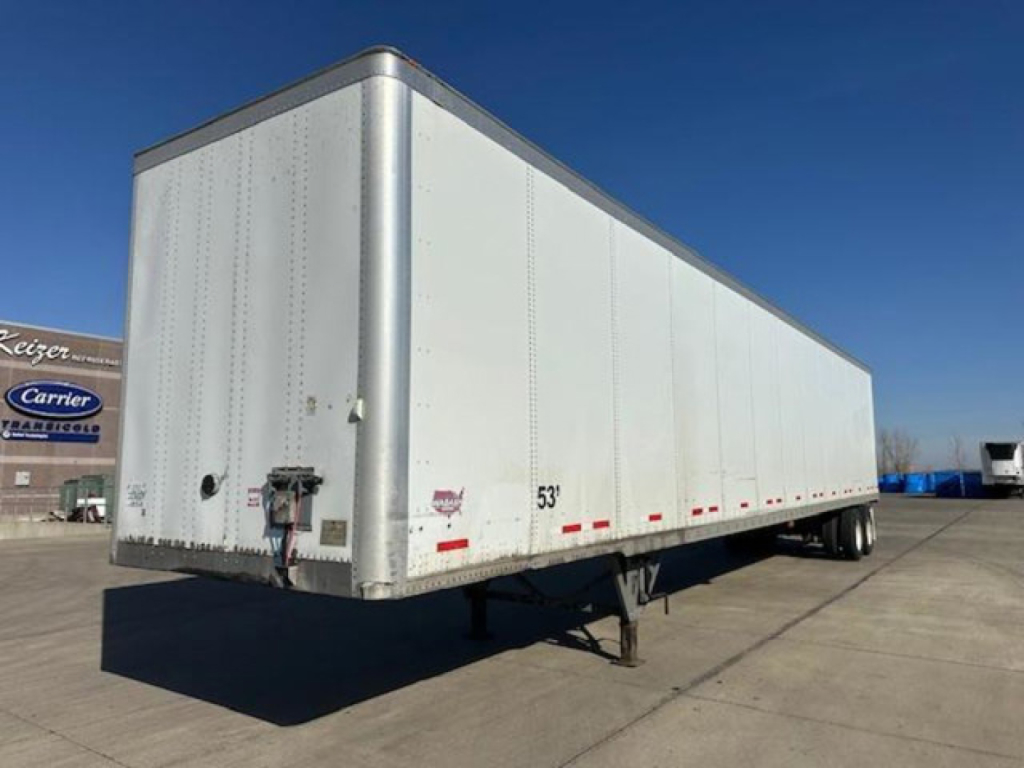

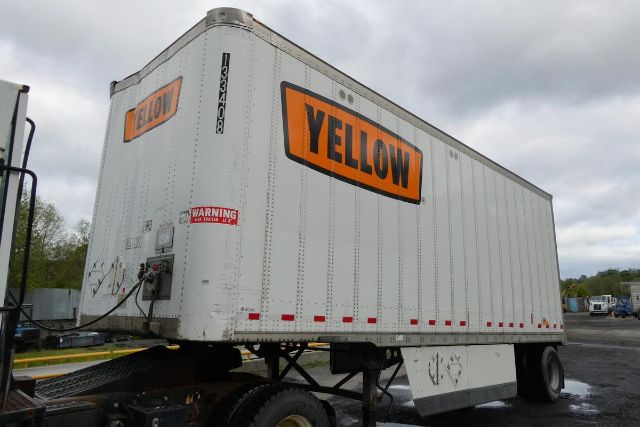
Showing 49 to 54 of 54 results
Have 2016 wabash van trailer to sell? List it here to reach thousands of buyers.
About 2016 Wabash Van Trailers
On a used 2016 dry van, interior condition matters as much as the headline specs. Buyers should look closely at floor wear, threshold and rear frame condition, roof integrity, sidewall repairs, and the state of the scuff liner and logistics track or posts. Wabash vans from this era are commonly found with composite or aluminum roof panels, hardwood floors, translucent roofs on some specs, and either swing doors or roll-up doors. Roll-up doors can be useful in city delivery or frequent dock work, but swing doors usually preserve more full opening height and add less maintenance at the rear. If the trailer will handle food-grade packaged freight, paper goods, or consumer products, a clean interior and tight roof are often more important than cosmetic exterior appearance.
Running gear and compliance details deserve a careful review. Many 2016 Wabash van trailers will be equipped with tandem sliding axles, 295/75R22.5 tires, air brakes, and a standard 102-inch width. Check kingpin setting, axle slide operation, brake life, tire matching, wheel-end condition, and signs of uneven wear that may point to alignment or suspension issues. Buyers operating in states with strict bridge and axle requirements should confirm slider travel and legal load positioning. If fuel economy matters, side skirts may already be installed or easy to add, and some fleet units from this period may include tire inflation systems or other fleet maintenance spec upgrades.
A 2016 model year sits in a practical sweet spot for many carriers and owner-operators. It is new enough to offer modern fleet spec features and common replacement parts, but seasoned enough that condition and prior use history will determine value more than age alone. The best fit depends on lane type and commodity mix. A trailer used in long-haul dry freight has different wear patterns than one used in multi-stop route distribution. For buyers comparing multiple Wabash van trailers for sale, the smartest approach is to prioritize structural condition, rear frame and floor health, suspension type, and door configuration before focusing on cosmetic details.
Frequently Asked Questions
What are the most important things to inspect on a used 2016 Wabash van trailer?
Start with the floor, roof, rear frame, and sidewalls because those are the areas that most directly affect serviceability and repair cost. Check for soft or patched floor sections, roof leaks, bowed or repaired crossmembers, damaged scuff liners, and signs of repeated forklift impact at the threshold. Then inspect the slider, suspension, brakes, tires, and wheel ends for wear and maintenance history. A dry van can look acceptable from the outside and still need significant structural work inside.
Is air ride better than spring ride on a Wabash dry van?
Air ride is generally preferred for ride quality, freight protection, and broader shipper acceptance, especially in retail, packaged goods, and higher-value dry freight applications. Spring ride can still be a workable choice for buyers focused on lower upfront cost and simpler suspension maintenance. The better option depends on cargo sensitivity, lane conditions, and how often the trailer will see rough docks, uneven yards, or regional routes.
Should I choose swing doors or a roll-up door on a van trailer?
Swing doors are usually the better choice for maximizing rear opening space, reducing door mechanism maintenance, and keeping weight lower at the rear. Roll-up doors are useful for frequent urban stops, tight dock areas, and operations where drivers open and close the trailer repeatedly throughout the day. The tradeoff is that roll-up doors can reduce opening height slightly and add maintenance over time.
Are 2016 Wabash van trailers typically 48-foot or 53-foot units?
Most buyers searching this category are looking for 53-foot dry vans, which are the standard for over-the-road and fleet freight operations. Some older or specialized units in the market may be 48-foot trailers, so length should always be confirmed in the listing. Trailer length affects cubic capacity, bridge compliance, route fit, and resale demand.
What makes one used Wabash van trailer more valuable than another of the same year?
Condition and specification drive value more than model year alone. A cleaner trailer with a solid floor, good brakes and tires, functioning slider, straight sidewalls, and a dry roof will usually command stronger money than a rougher unit with the same year badge. Features such as air ride, swing doors, logistics posts, side skirts, and documented fleet maintenance can also improve desirability depending on the intended application.