
Utility Van Trailers For Sale in Iowa
Browse Utility van trailers with 53x102 specs, air ride, swing doors, wood floors, and fleet-friendly dry van durability for freight hauling.
Learn more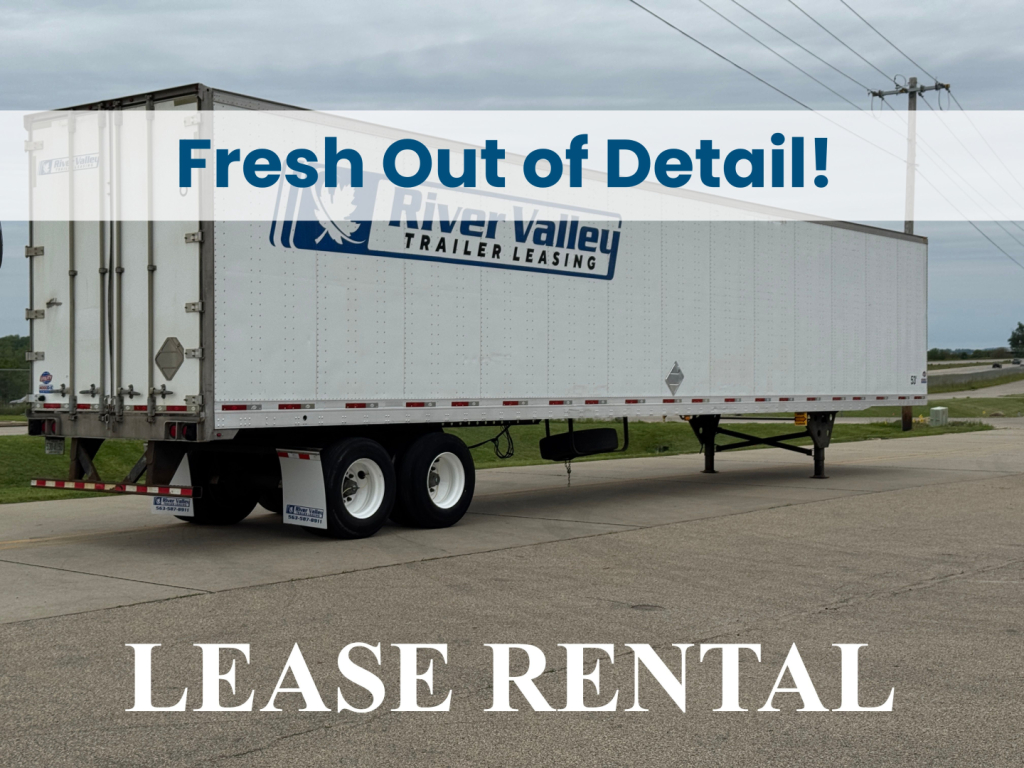
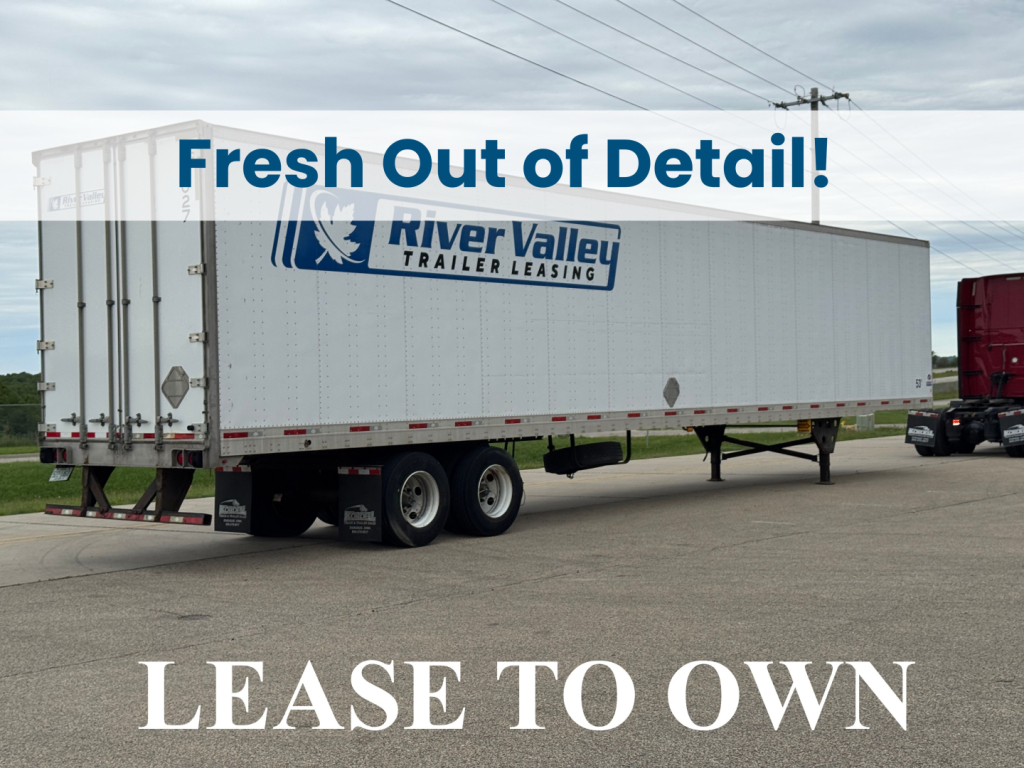
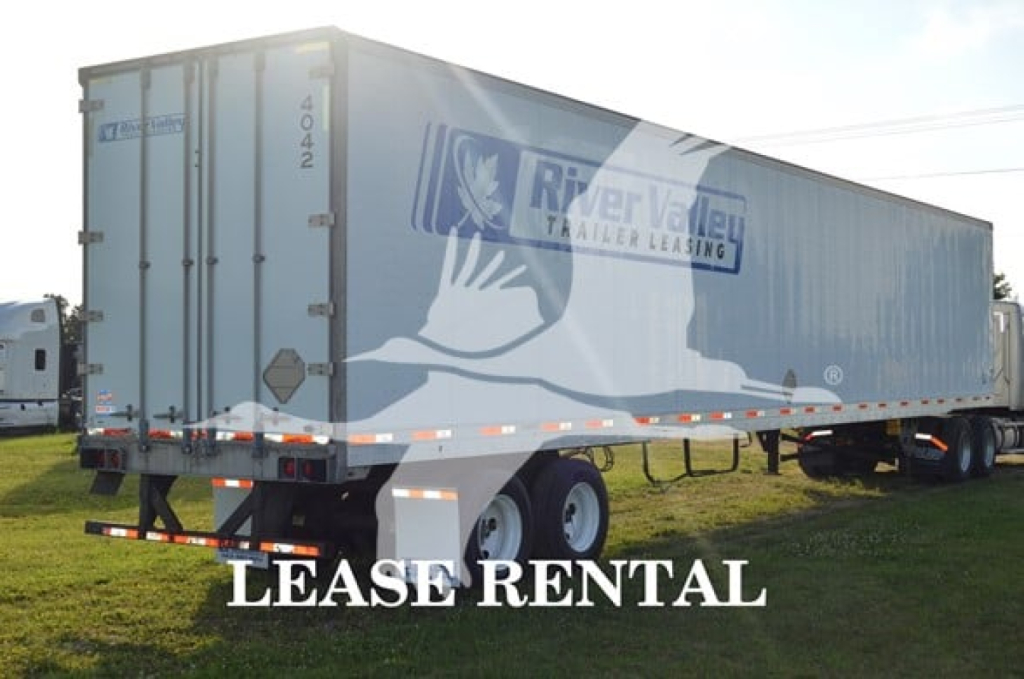
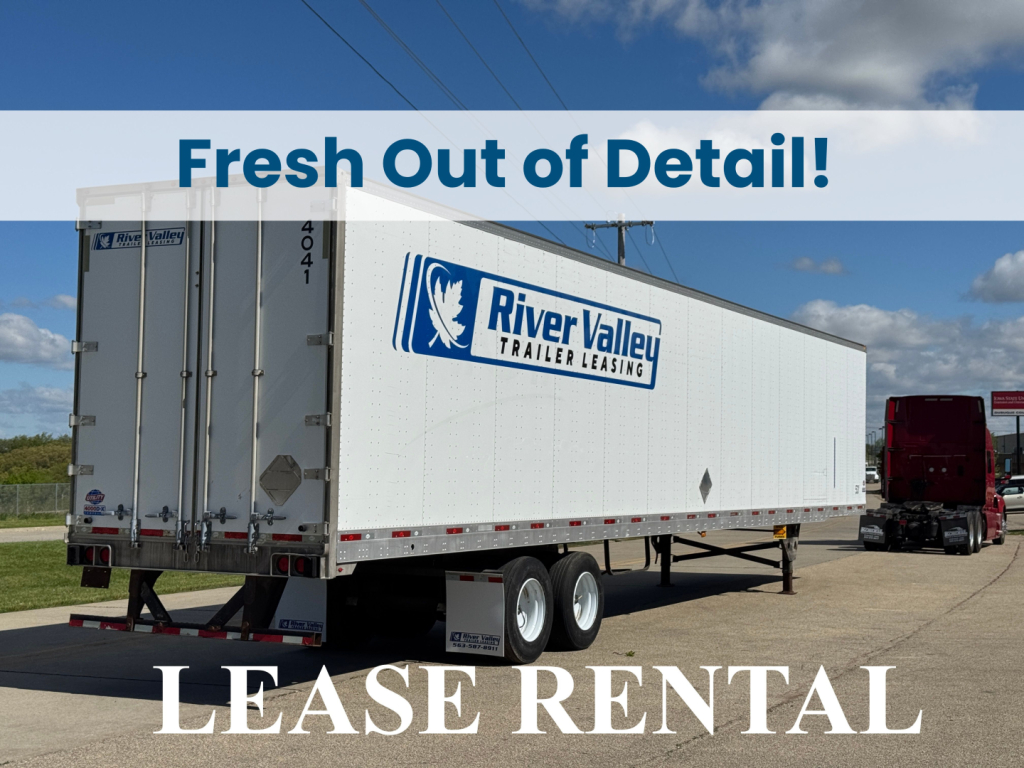
Showing 13 to 17 of 17 results
Have utility van trailer to sell? List it here to reach thousands of buyers.
About Utility Van Trailers in Iowa
One of the main spec decisions is suspension and floor configuration. Air ride suspension remains the preferred setup for higher-value freight, mixed dock work, and lanes where cargo claims matter, because it helps reduce shock transfer compared with mechanical suspension. Wood and laminated hardwood floors are common in Utility trailers and are still favored by many operators because they handle forklift traffic well and are straightforward to repair in sections. High base rails, scuff liners, and solid rear frame structure are worth close attention on a used van, especially if the trailer has spent years in heavy LTL, food service, or beverage service.
Utility has long been known for dry vans that fit mainstream fleet requirements, which makes replacement parts, shop familiarity, and resale demand easier to manage. Common features seen in this category include composite or aluminum swing doors, steel or aluminum wheels, tire inflation systems such as PSI, and plated configurations for higher payload flexibility. Tire inflation systems can reduce irregular wear and roadside downtime, which matters on regional and over-the-road lanes where missed deliveries cost more than the repair itself. Buyers in Iowa and across the Midwest often pay extra attention to corrosion around the rear sill, crossmembers, landing gear mounts, and door hardware because road salt and seasonal moisture can shorten service life if maintenance has been deferred.
The best Utility van trailer for a buyer depends on freight type, dock conditions, and trade cycle. A fleet moving palletized dry goods may prioritize clean interior walls, a sound floor, and dependable door operation. An owner-operator may focus more on low acquisition cost, DOT-ready condition, and maintenance items such as brakes, tires, lights, and suspension components. Kingpin wear, tandem slide operation, ABS function, roof bows, sidewall repairs, and evidence of prior forklift impact all deserve a careful inspection. A well-kept Utility dry van can deliver years of service in general freight applications, and its broad acceptance across shippers and carriers keeps it one of the most practical trailer categories on the road.
Frequently Asked Questions
What are the most common specs on a Utility van trailer?
The most common Utility van trailer configuration in the used market is a 53-foot by 102-inch dry van with air ride suspension, rear swing doors, an aluminum roof, and a wood or laminated hardwood floor. Many units also include plated ratings, sliding tandems, and PSI tire inflation systems. These specs fit standard dock freight, palletized dry goods, and over-the-road van operations.
What should I inspect first on a used Utility dry van trailer?
Start with the floor, roof, rear frame, and doors. Floor soft spots, excessive forklift gouging, and patched sections can signal expensive repairs or limited remaining life. Check the roof for leaks, inspect door hinges and seals for proper closure, and look closely at the rear sill, crossmembers, and landing gear area for corrosion or cracking. After that, verify tandem slide operation, brake condition, tire wear, and ABS function.
Are Utility van trailers good for Midwest freight operations?
Utility van trailers are well suited for Midwest freight because they are widely accepted in general freight networks, easy for shops to service, and commonly spec'd for dock-to-dock work. In Iowa and surrounding states, the bigger issue is not brand suitability but weather-related wear. Trailers exposed to road salt and freeze-thaw cycles should be checked carefully for corrosion on steel components, door hardware, and the understructure.
Is air ride suspension worth it on a dry van trailer?
For many buyers, yes. Air ride helps protect freight by reducing road shock, which is important for consumer goods, packaged products, and mixed loads. It is also widely preferred by shippers and carriers operating in dedicated or higher-service freight. Mechanical suspension can still work for some applications, but air ride is often the more versatile and marketable choice in a Utility van trailer.
What is the difference between composite and aluminum swing doors on a Utility van?
Composite swing doors are common because they can resist dents and everyday dock abuse well while maintaining a good seal. Aluminum doors can offer durability and repairability, but condition matters more than material alone on a used trailer. Buyers should focus on hinge wear, frame alignment, seal integrity, and whether the doors open, close, and latch cleanly without sagging.