
2027 Utility Van Trailers For Sale
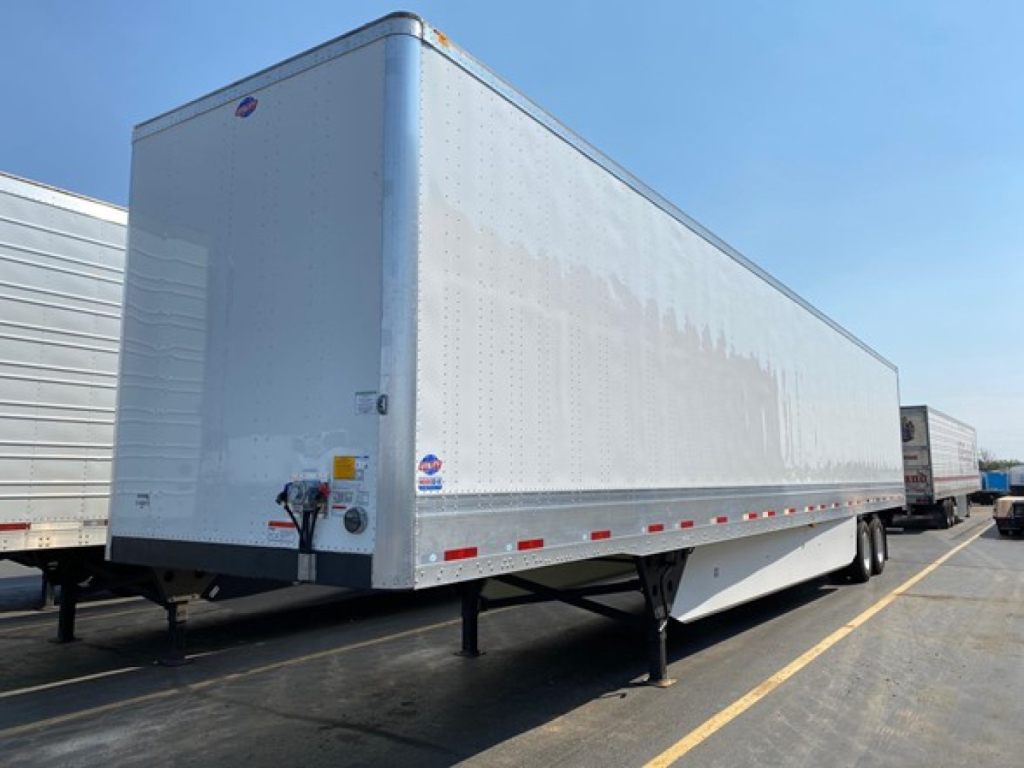
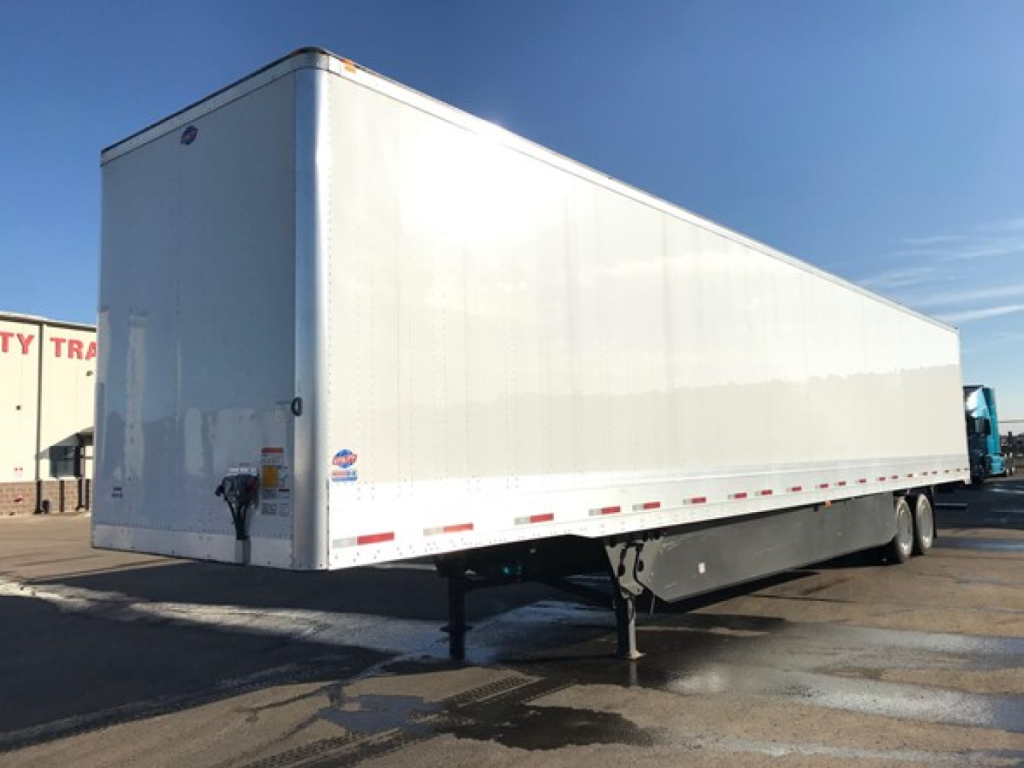
Shop 2027 Utility van trailers, including dry van configurations with air ride, slider tandems, composite panels, logistics posts, and LED lighting.
Learn more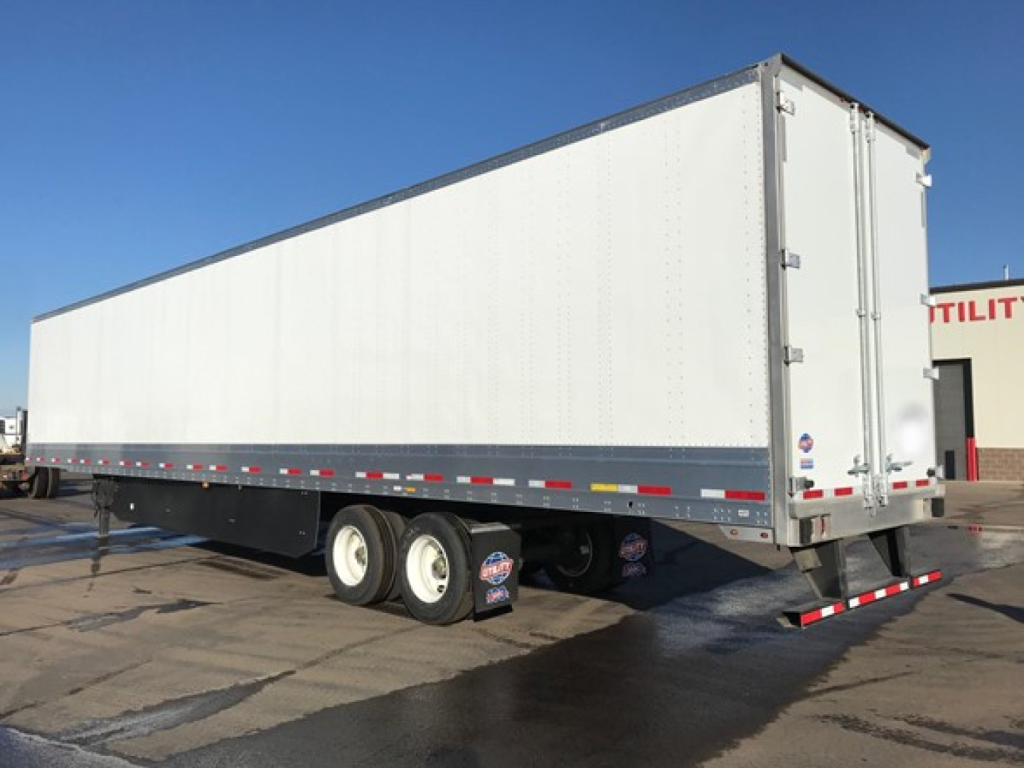
Showing 97 to 99 of 99 results
Have 2027 utility van trailer to sell? List it here to reach thousands of buyers.
About 2027 Utility Van Trailers
The biggest buying decisions usually come down to body construction, running gear, and dock-focused options. Common specs in this category include aluminum roofs, smooth exterior side panels, composite wall liners or wall panels, wood floors, rear swing doors, and slider tandems with air ride suspension. A tall bottom rail and wearband package can matter if the trailer will see frequent forklift loading or heavy dock traffic. Logistics posts placed on tight centers improve securement flexibility for mixed freight and partial loads. Air ride suspension is often preferred for ride quality and cargo protection, while tire inflation systems can reduce irregular wear and help control roadside downtime.
Wheel and tire setup also affects cost of ownership. 22.5 low-profile tires are common on fleet-spec dry vans, and buyers often choose between aluminum and steel wheels based on tare weight targets, appearance standards, and replacement cost. Side skirts are increasingly common where fuel economy matters, especially in long-haul regional and over-the-road service. Rear details such as heavy-duty threshold plates, dock bumpers, anti-dock-walk features, LED lighting, and ICC bumper design all deserve a close look because they affect daily abuse tolerance and trailer uptime more than many buyers expect.
A Utility van trailer is also known simply as a dry van trailer or enclosed van trailer, but the important differences are in the spec sheet, not the name. Buyers should verify tandem slider range, kingpin setting, floor rating, post spacing, door hardware, and the exact liner or wall construction before comparing one listing to another. If the trailer will haul high-cycle freight, pay close attention to floor fastening, threshold reinforcement, and lower side protection. If the trailer will stay on clean drop-and-hook lanes, lighter specifications may make more sense. The right Utility van trailer is the one whose structure and running gear match the freight, the dock environment, and the expected maintenance cycle.
Frequently Asked Questions
What is the typical application for a Utility van trailer?
A Utility van trailer is primarily used for dry freight that needs weather protection and secure enclosed transport. Typical applications include retail freight, consumer packaged goods, palletized warehouse freight, paper products, parcel support, and dedicated distribution lanes. These trailers are most often found in over-the-road, regional, and drop-and-hook service where cube utilization, dock compatibility, and dependable door-to-door protection matter more than open-deck loading access.
What should buyers compare first on a 2027 Utility dry van?
Start with the structural and operational specs that directly affect freight compatibility and maintenance cost. The most important items are trailer length and width, suspension type, tandem configuration, floor construction, wall and liner material, logistics post spacing, tire and wheel package, and rear door setup. Buyers should also confirm options such as side skirts, tire inflation systems, anti-dock-walk equipment, and threshold reinforcement because these features can change both operating cost and daily durability.
Is air ride suspension worth it on a van trailer?
For many fleets, air ride is worth the added cost because it improves ride quality and helps protect sensitive or high-value cargo. It can also reduce shock transfer to the trailer structure compared with some mechanical setups, which may help over long service cycles. Air ride is especially common in dry van applications that involve mixed freight, packaged products, electronics, or customer freight with stricter handling expectations. The value depends on the freight type, lane conditions, and the fleet’s maintenance discipline.
Why do logistics posts and wall construction matter in a dry van trailer?
Logistics posts and wall construction directly affect cargo securement and resistance to forklift and freight contact. Posts on closer centers provide more tie-off and load control flexibility, which is useful for mixed shipments and partial loads. Composite wall panels or interior liners can help protect the trailer body and maintain a cleaner interior appearance over time. Buyers hauling high-frequency multi-stop freight should pay close attention to these details because interior abuse usually shows up first in the walls and lower side structure.
How do aluminum wheels compare with steel wheels on a Utility van trailer?
Aluminum wheels reduce weight and often improve appearance, which can help fleets chasing every pound of payload or maintaining a uniform late-model image. Steel wheels usually cost less up front and can be practical for buyers focused on purchase price and straightforward replacement. The right choice depends on the trailer’s duty cycle, tare weight goals, maintenance practices, and how much value the operation places on weight savings versus lower initial cost.