
2014 Utility Van Trailers For Sale
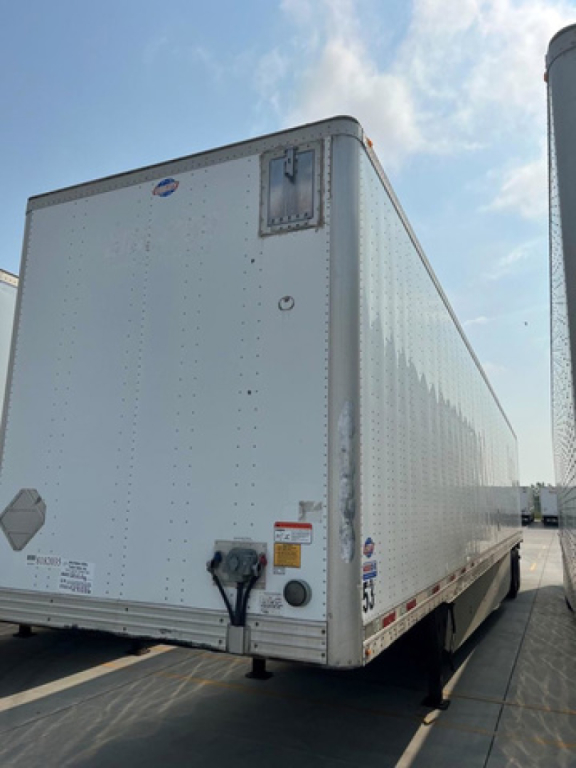
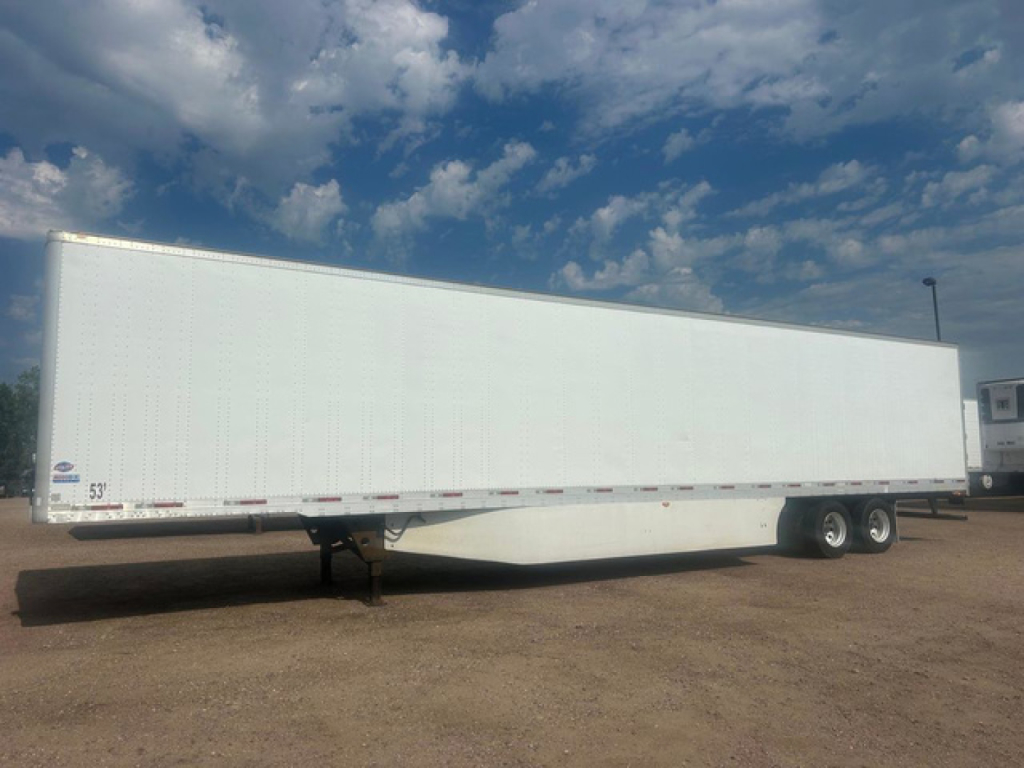
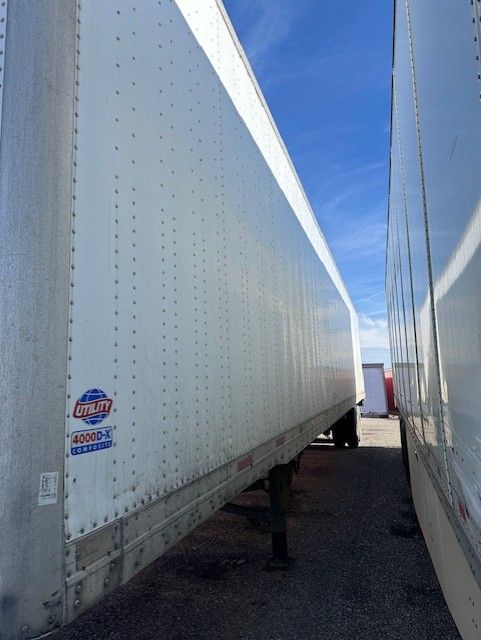
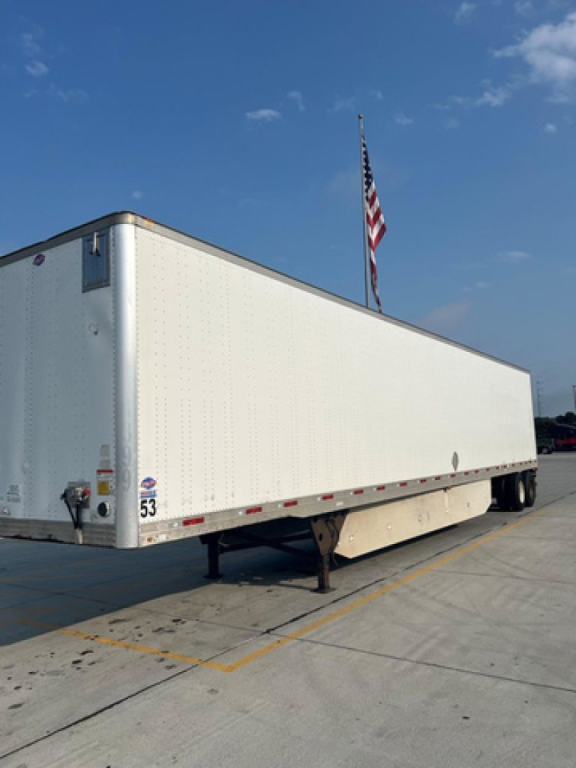
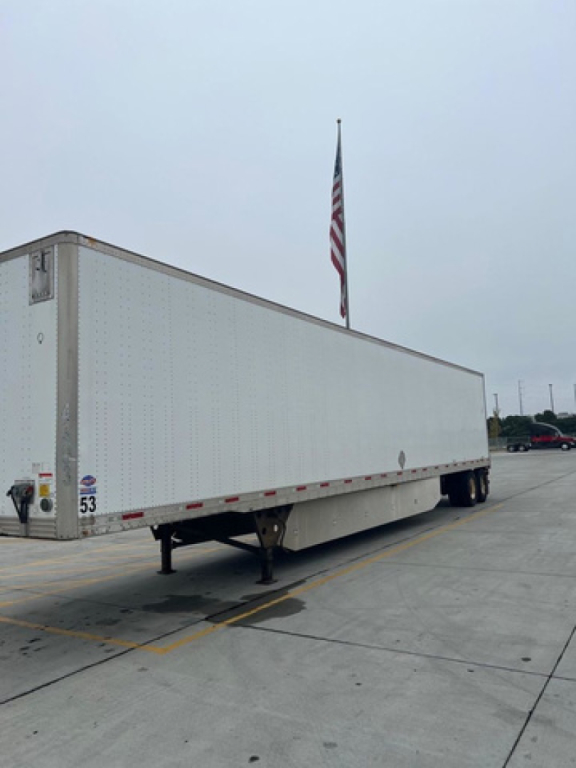
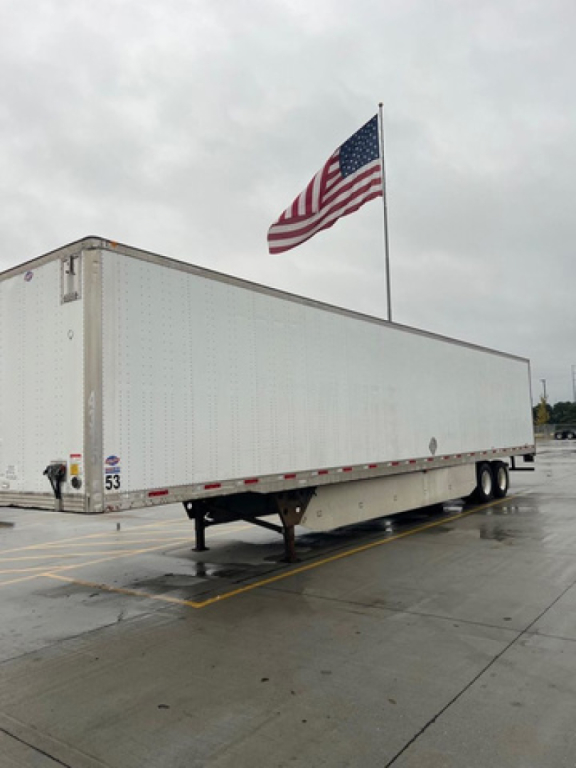
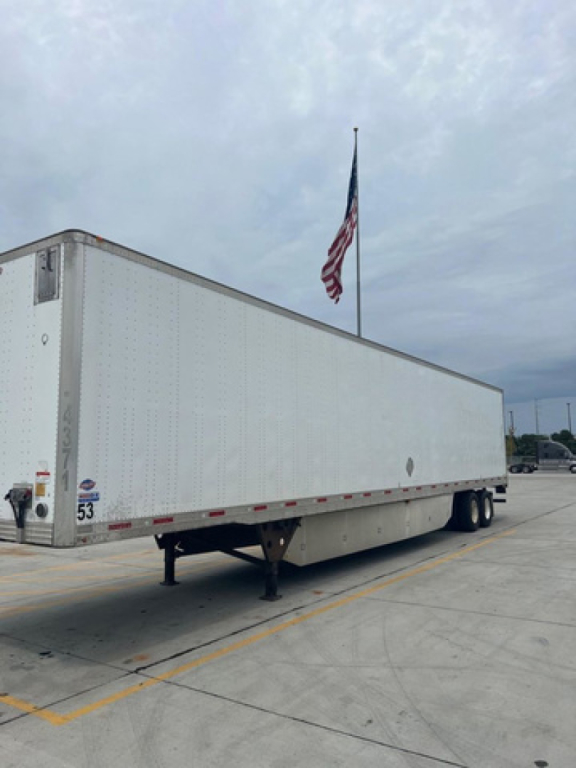
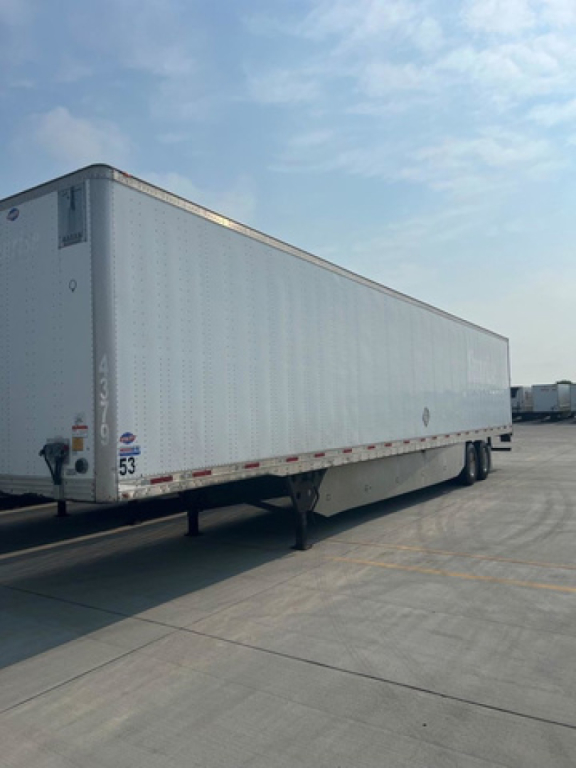
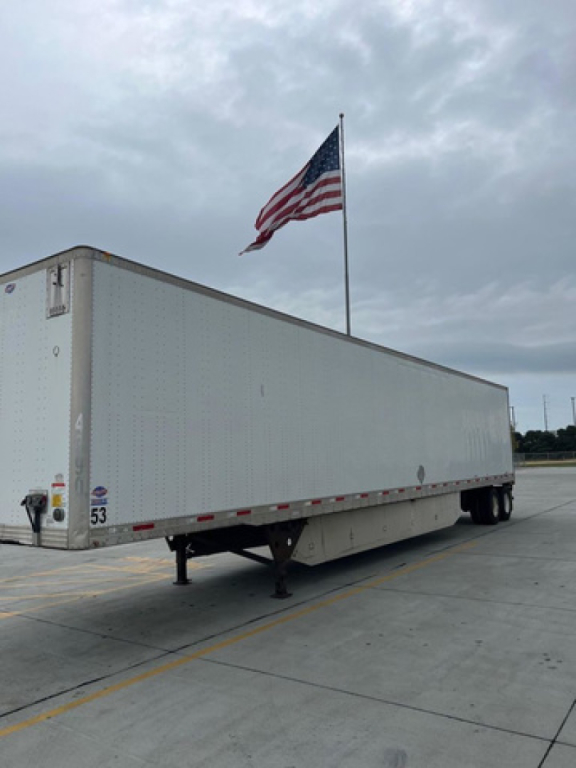
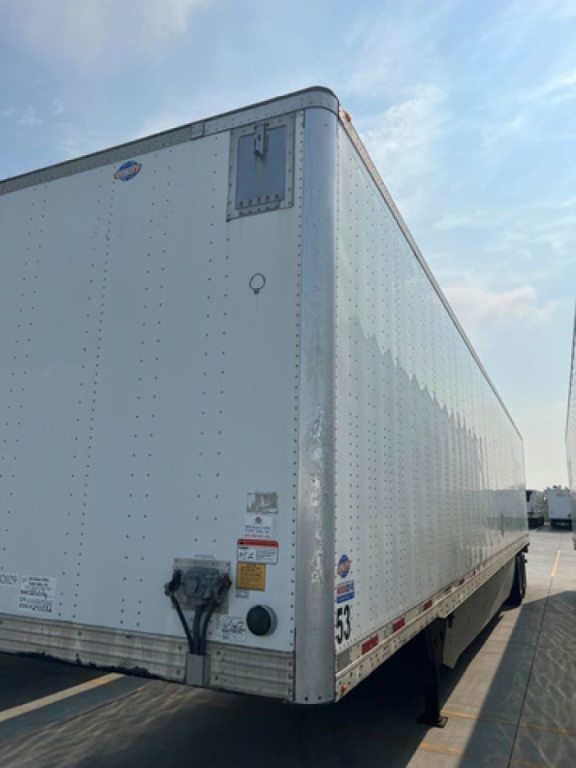
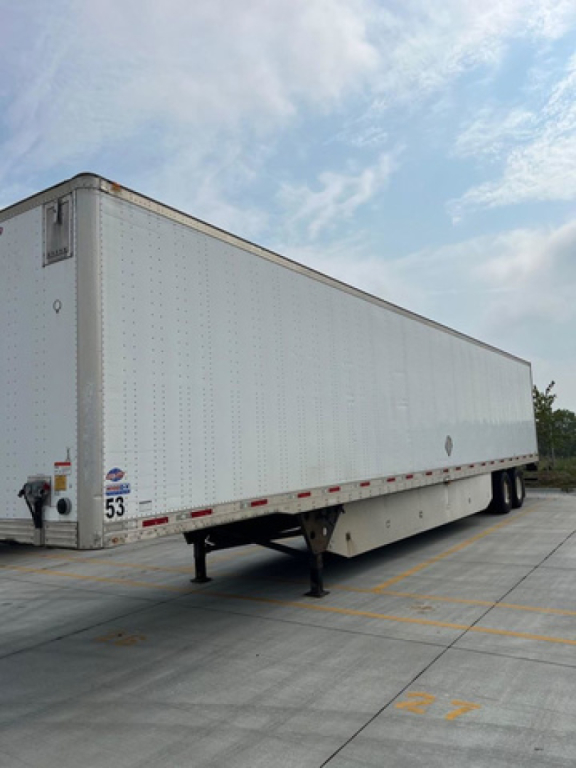
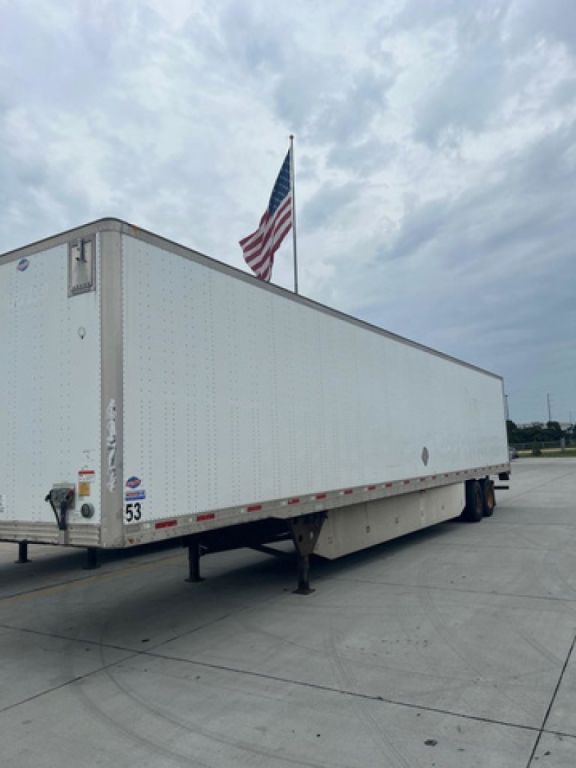
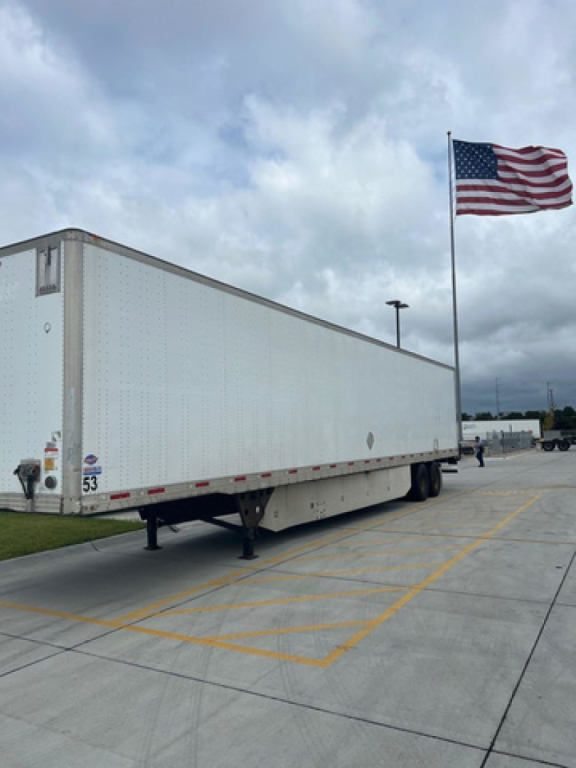
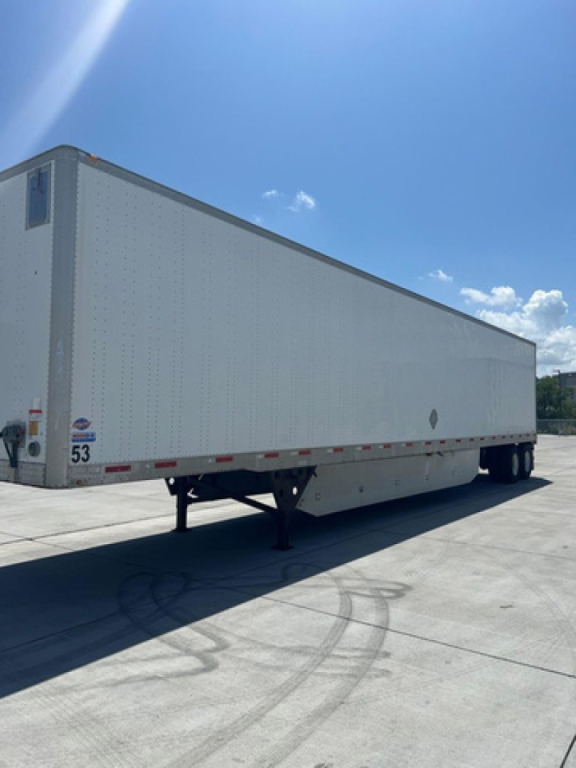
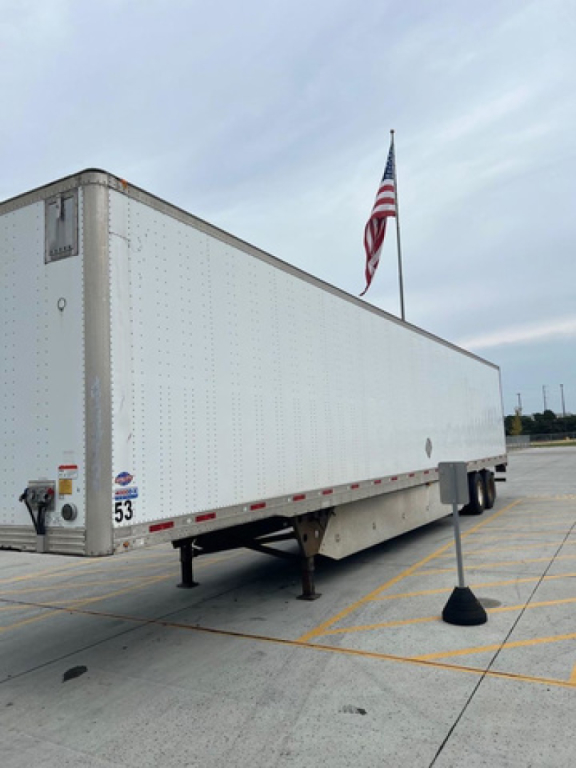
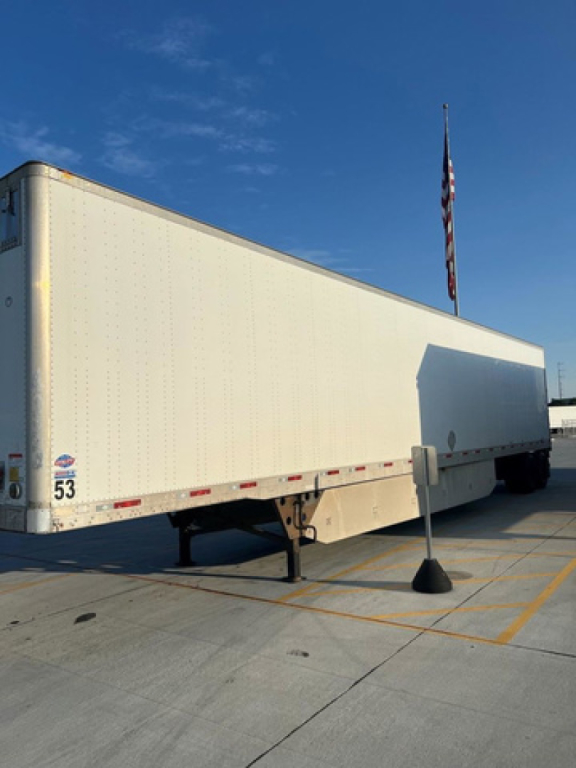
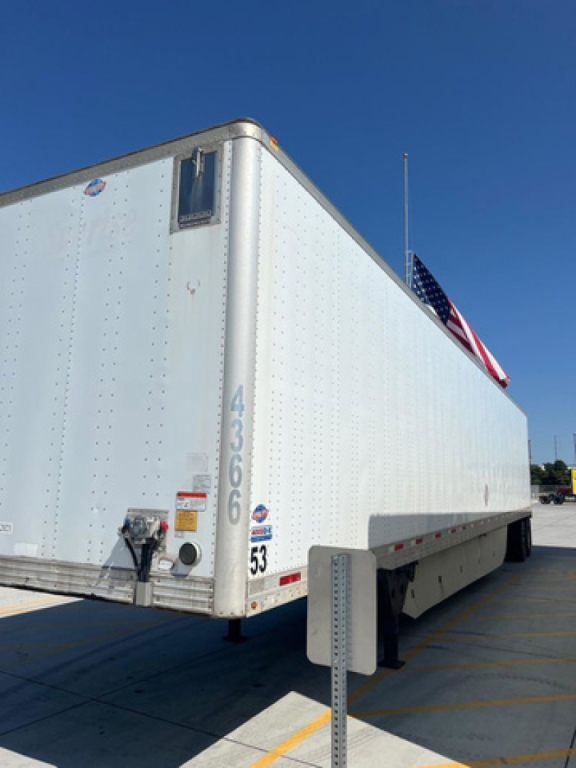
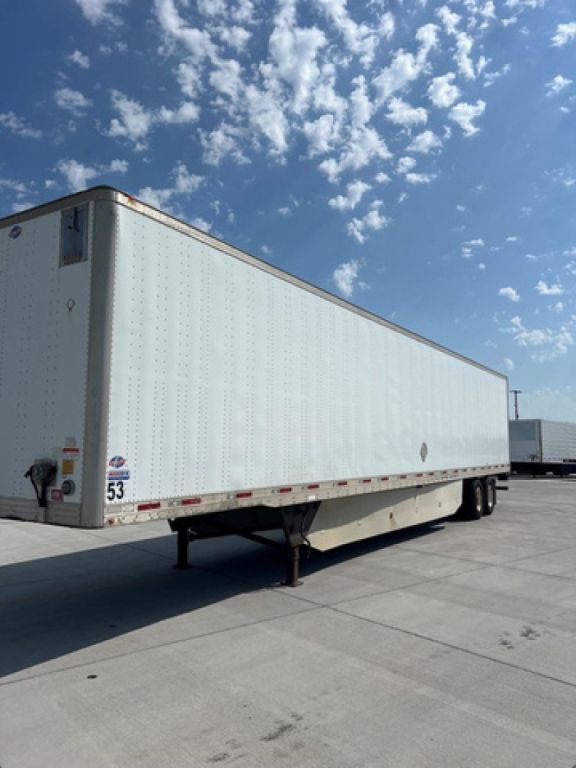
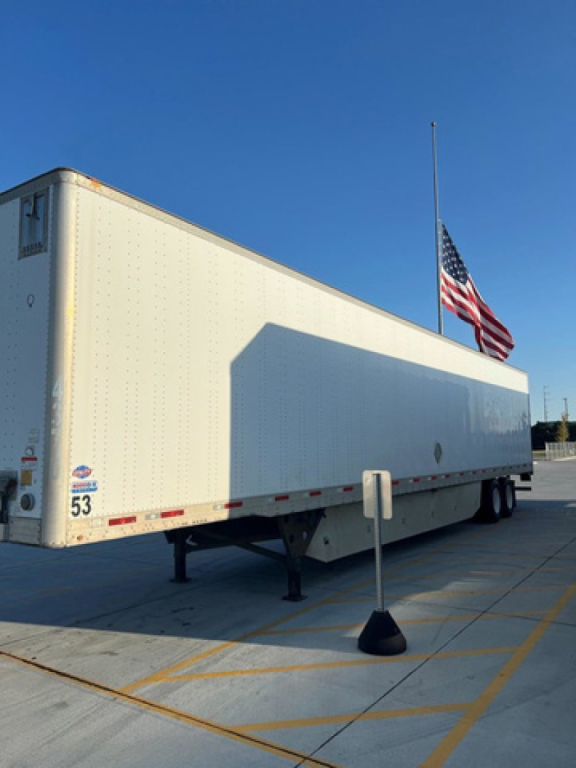
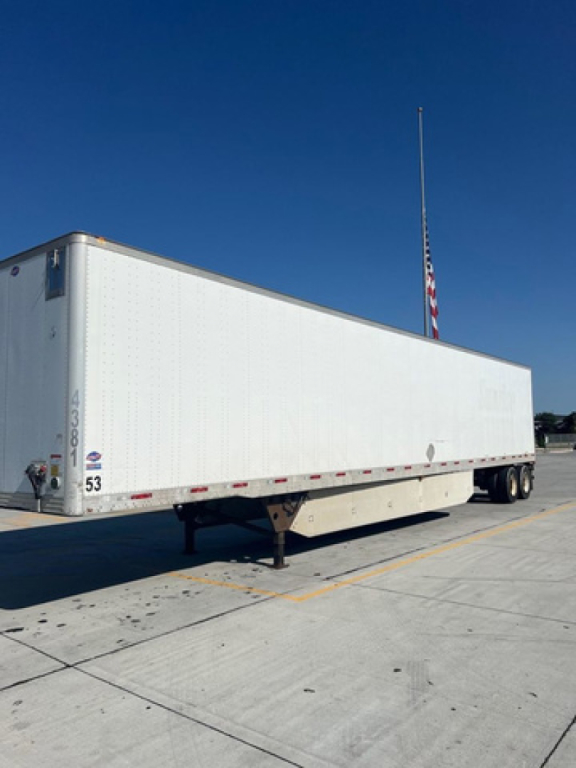
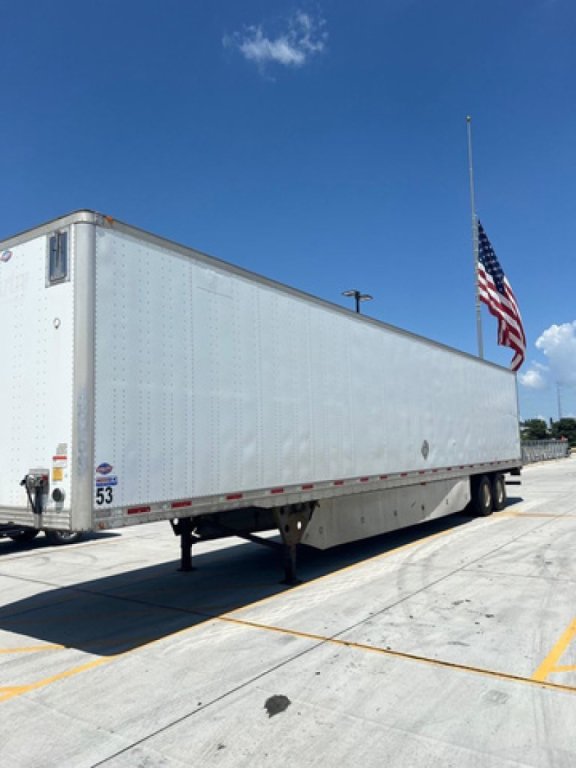
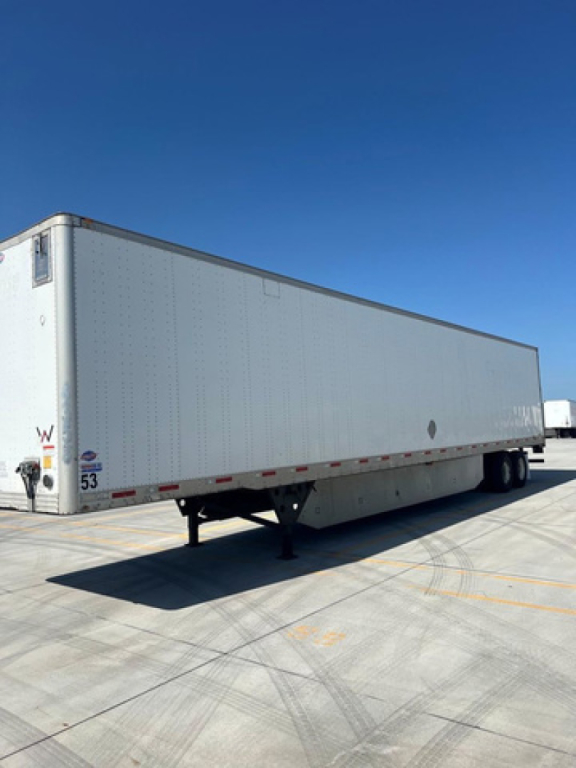
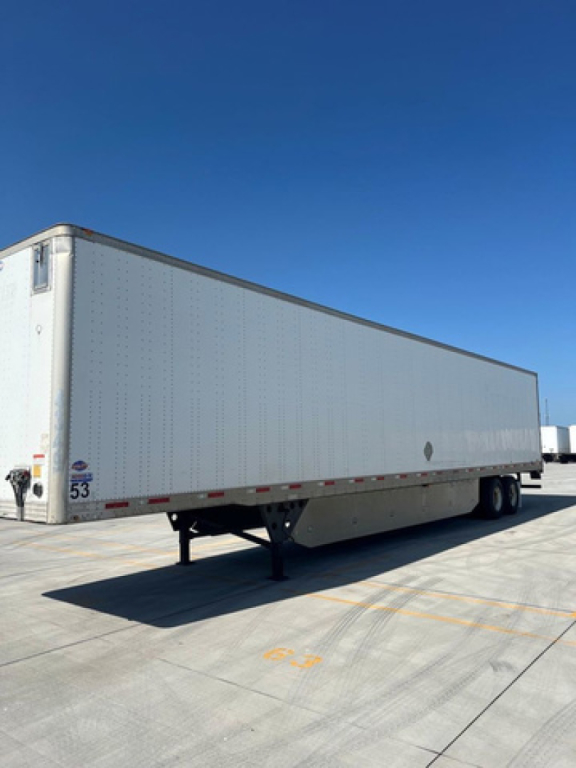
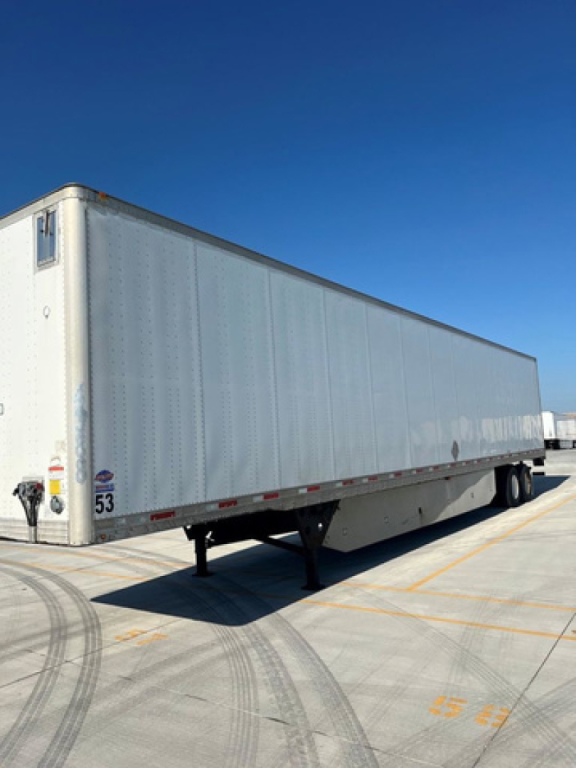
Showing 1 to 24 of 36 results
Have 2014 utility van trailer to sell? List it here to reach thousands of buyers.
2014 Utility Van Trailers
The big buying decisions usually come down to structure, weight, and dock-duty wear. Many 2014 Utility vans were built with aluminum roofs, composite or plate sidewall construction, hardwood floors, and logistic posts on 24-inch centers for load securement flexibility. A buyer should pay close attention to floor condition, threshold plate wear, rear frame integrity, door seals, and signs of previous sidewall or roof repairs. If the trailer has spent years in heavy grocery or multi-stop freight, scuff liners, nose condition, crossmember health, and evidence of forklift impact matter as much as the basic spec sheet. Tire inflation systems, air pin sliders, anti-dock walk setups, and side skirts can add value depending on the lane and operating model.
Weight and compliance still drive resale value on a 2014 dry van. Closed tandems versus spread configurations, 22.5 low-profile tires versus standard rubber, wheel material, and kingpin setting all affect how the trailer fits your freight network and state bridge laws. Air ride remains the preferred suspension for most van applications because it helps protect cargo and reduces trailer shock, but suspension condition should be verified along with axle alignment, brake life, and slider operation. Buyers running dense freight should also compare empty weight against payload targets, especially if they are replacing older steel-heavy trailers with lighter specifications.
A well-matched 2014 Utility van trailer can still be a solid revenue unit if the maintenance history supports it. For fleet use, the right trailer is usually the one that balances structural condition, door and floor integrity, standardization with existing equipment, and low-cost serviceability. For owner-operators and smaller carriers, the value often comes from finding a trailer with a clean frame, dry interior, smooth logistics-friendly walls, and road-ready running gear instead of chasing cosmetic appearance alone.
Frequently Asked Questions about 2014 Utility Van Trailers
What are the most common specs on a 2014 Utility van trailer?
Most 2014 Utility van trailers in the market are 53-foot by 102-inch dry vans with tandem axles, air ride suspension, slider tandems, swing doors, and 22.5-inch wheels and tires. Many were built with aluminum roofs, hardwood floors, and logistics posts on 24-inch centers. Exact specs vary by original fleet order, so buyers should confirm suspension type, axle spacing, floor rating, wheel material, and door configuration on each trailer.
What should I inspect first on a used 2014 Utility dry van?
Start with the floor, rear frame, doors, roof, and suspension. A dry van can look decent outside and still have expensive issues in the floor, threshold, crossmembers, or rear impact area. Check for water intrusion, soft floor sections, patched sidewalls, damaged scuff liners, worn door hardware, and slider problems. Brake condition, tire age, axle alignment, and signs of chronic dock impact should also be reviewed before purchase.
Is a 2014 Utility van trailer still a good choice for fleet service?
Yes, if the trailer has been maintained and the structure is sound. Utility trailers are widely used in fleet service because parts availability, repair familiarity, and standard dry van dimensions make them easy to keep in operation. The key is matching the trailer's remaining life to your freight application. A well-kept 2014 unit can still perform reliably in regional or over-the-road service, but deferred maintenance can erase any upfront savings quickly.
Do side skirts and tire inflation systems add value on a 2014 van trailer?
They can, especially for fleets focused on fuel economy and tire cost control. Side skirts may improve aerodynamic performance on highway lanes, and automatic tire inflation systems can help extend tire life and reduce roadside calls. Their value depends on condition and how the trailer will be used. Buyers should inspect mounting points, damaged fairings, air system integrity, and any bypassed or non-working components rather than assuming these options are fully functional.
How important is trailer weight on a 2014 Utility dry van?
Trailer weight matters whenever payload, bridge compliance, or lane flexibility are priorities. A lighter dry van can give you more legal payload and better versatility across freight types. On a 2014 model, differences in wall construction, wheel choice, suspension setup, and added equipment can change tare weight noticeably. Buyers hauling dense packaged freight should compare actual empty weight and not rely only on a generic model description.