
Hyundai Van Trailers For Sale
Browse Hyundai van trailers with specs buyers want most, including 53-foot dry vans, aluminum construction, sliding tandems, and fleet-ready options.
Learn more
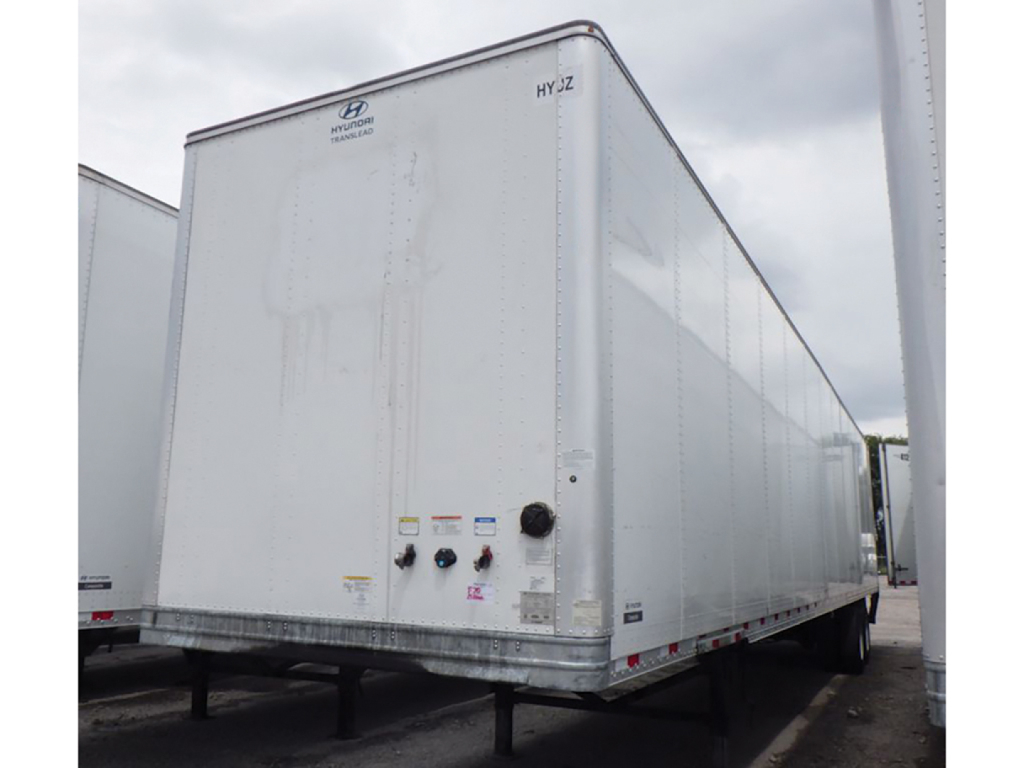
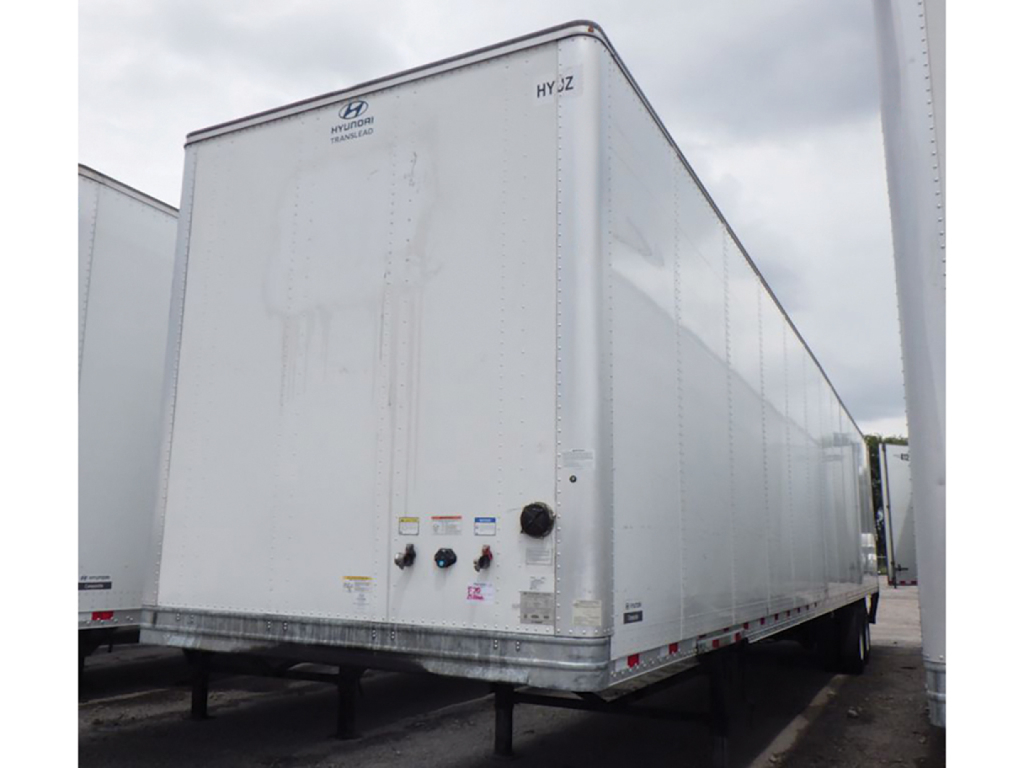
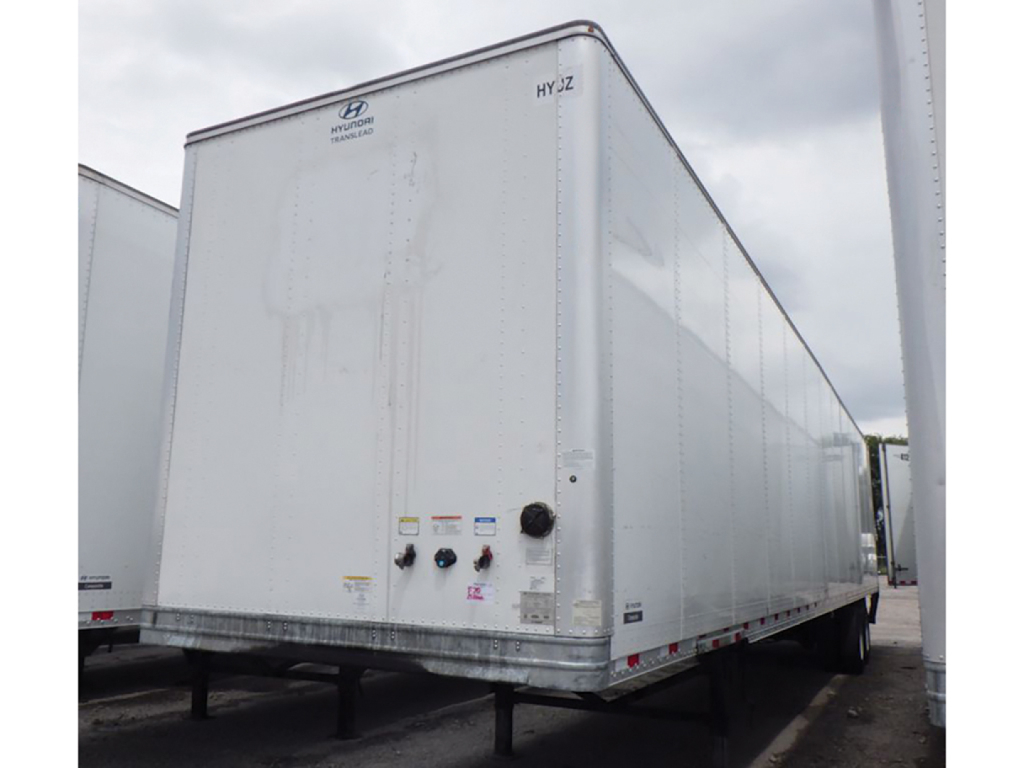
Showing 1 to 12 of 48 results
Have hyundai van trailer to sell? List it here to reach thousands of buyers.
About Hyundai Van Trailers
The spec sheet matters more than the badge in this category, and Hyundai vans are often built the way high-cycle freight demands. Common configurations include aluminum trailer construction, wood floors, plywood lining, scuff plates, threshold plates, and E-track for load securement flexibility. Roll-up doors are popular for dock work and multi-stop freight, while front and rear vents help manage airflow inside the box. Many late-model units also show up with undertray storage systems, side skirts, tire inflation systems, and disc wheels, all of which can affect operating cost, service intervals, and fuel performance.
Suspension and axle setup deserve a close look before comparing listings. Air ride suspension is often preferred for ride quality and cargo protection, but spring ride units can still make sense for buyers focused on simplicity and lower acquisition cost. Sliding tandems are standard on many Hyundai van trailers and matter for bridge law compliance, dock positioning, and weight distribution. Some fleet-spec trailers also include an air-lift front axle, which can help reduce tire scrub in certain operating conditions and improve maneuverability when lightly loaded. Tire size, brake type, and kingpin setting should all be reviewed against the lanes and tractor specs the trailer will actually run.
For buyers comparing used Hyundai van trailers, condition clues usually tell the real story. Floor wear, sidewall damage, roof integrity, door frame alignment, suspension maintenance, and evidence of repeated forklift impact are more important than model year alone. A clean late-model van with scuff protection, solid lining, and documented maintenance can be a better fit than a newer trailer with heavy distribution abuse. Hyundai dry vans are widely used in general freight, retail distribution, packaged goods, and dedicated contract hauling, so the best choice comes down to matching trailer spec to freight type, loading pattern, and maintenance expectations.
Frequently Asked Questions
What are the most common specs on a Hyundai van trailer?
Most Hyundai van trailers in the market are 53-foot dry vans with a 102-inch width and an overall height around 13 feet 6 inches, with inside heights often near 100 inches depending on the build. Common equipment includes aluminum construction, wood floors, plywood-lined walls, scuff plates, threshold plates, E-track, roll-up rear doors, sliding tandems, and 22.5 low-profile tires. Late-model fleet units may also include air ride suspension, side skirts, disc wheels, undertray systems, and automatic tire inflation systems.
Is air ride better than spring ride on a Hyundai dry van?
Air ride is usually preferred when cargo protection, ride quality, and dock stability matter most. It tends to reduce shock transfer to freight and is common on fleet-spec Hyundai van trailers used in retail and general commodity service. Spring ride can still be a practical choice for buyers who want a simpler setup with potentially lower repair complexity. The right choice depends on the freight, route quality, and the maintenance philosophy behind the trailer.
Why is a sliding tandem important on a van trailer?
A sliding tandem gives the operator flexibility to adjust axle position for bridge law compliance, weight distribution, and loading dock access. On a 53-foot van trailer, this is a critical feature because axle placement affects how easily the trailer can be scaled legally across different states and freight profiles. It also helps match the trailer to customer docks and yard conditions, especially in operations with varied load densities.
What should I inspect first on a used Hyundai van trailer?
Start with the floor, rear frame, door opening, and lower sidewalls because these areas take the most abuse in dry van service. Check for soft spots in the floor, patched crossmembers, buckled lining, roof leaks, and damage from repeated forklift contact. After that, inspect suspension components, brake condition, tire wear, wheel ends, and the sliding tandem system. Cosmetic condition matters less than structural integrity and evidence of regular maintenance.
Are Hyundai van trailers good for general freight operations?
Yes. Hyundai van trailers are widely used in general freight, retail distribution, palletized goods, and dedicated contract hauling because they are typically light, durable, and easy to spec for standard dock freight. Their popularity in large fleets also means buyers usually have a broad used market to compare, along with familiar service requirements and strong parts support. For many carriers, that combination makes a Hyundai dry van a practical choice for high-mileage over-the-road and regional work.