
2005 Van Trailers For Sale in New York
Shop 2005 van trailers in New York. Compare dry van specs, lengths, axle setups, door styles, floors, and trailer construction details.
Learn moreBrowse Van Trailers by Make

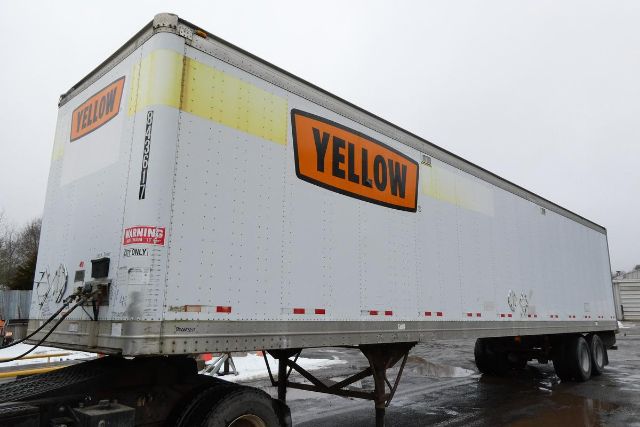
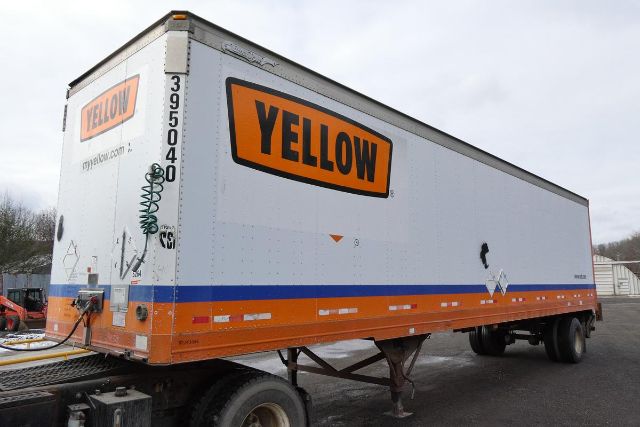
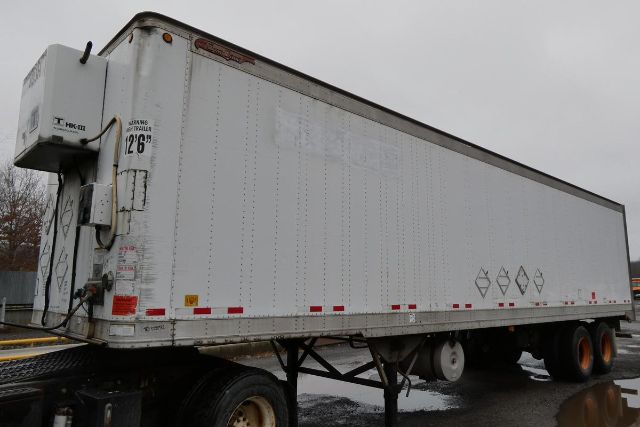
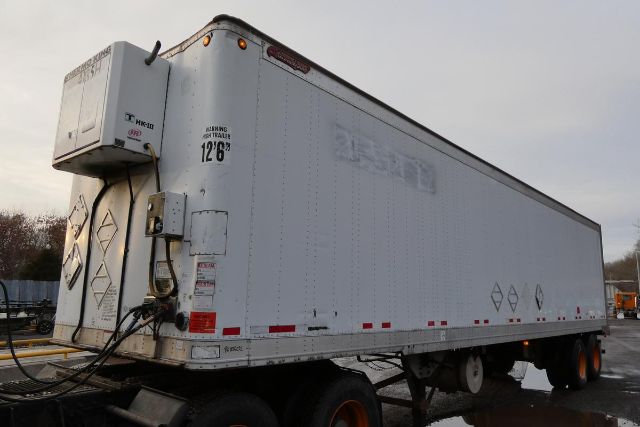
Showing 13 to 24 of 24 results
Have 2005 van trailer to sell? List it here to reach thousands of buyers.
About 2005 Van Trailers in New York
Frequently Asked Questions
What should I check first on a 2005 van trailer?
Start with the frame, roof, floor, rear door structure, and suspension. On a 2005 dry van, age-related wear often shows up as floor soft spots, crossmember corrosion, roof leaks, door frame damage, and suspension fatigue. Tire condition, brake life, axle alignment, and the condition of the slider box or tandem rail system are also high-value inspection points because they directly affect operating cost and roadability.
What trailer lengths are most common for a 2005 van trailer?
The most common configurations are 28-foot pup trailers, 45-foot vans, and 53-foot dry vans. A 28-foot trailer is often used in doubles service, city delivery, and terminal-based freight. A 53-foot van is the standard choice for long-haul general freight because it maximizes cubic capacity. A 45-foot van can still fit certain regional or legacy fleet needs where route profiles, dock space, or customer requirements favor a shorter trailer.
Are 2005 van trailers usually aluminum or steel?
Many 2005 van trailers use a combination construction with aluminum side panels or roof components and steel used in higher-stress areas such as the rear frame, crossmembers, or substructure. Full aluminum designs help reduce tare weight, while mixed aluminum-steel construction can balance durability and repairability. Buyers should compare trailer composition closely because it affects empty weight, corrosion resistance, and maintenance cost over time.
What door type is best on a dry van trailer?
Roll-up doors are common on regional and city equipment because they are convenient at tight docks and reduce the risk of door swing damage. Swing doors are often preferred in some long-haul applications because they can offer a slightly lighter setup and a full-clear opening depending on the design. The best choice depends on how often the trailer is loaded, dock conditions, and how important rear opening clearance is for forklifts and palletized freight.
Why does axle configuration matter on a used van trailer?
Axle configuration affects bridge compliance, turning behavior, tire wear, and how the trailer fits the job. A slideable tandem gives more flexibility for weight distribution and state bridge laws, which is important in many over-the-road operations. A fixed single axle is simpler and lighter, making it common on pups and city freight equipment, but it is built for a different duty cycle than a tandem highway van.