
Troxell Vacuum Trailers For Sale in Texas
No exact matches found for your search
Showing Vacuum Trailers in Texas instead.
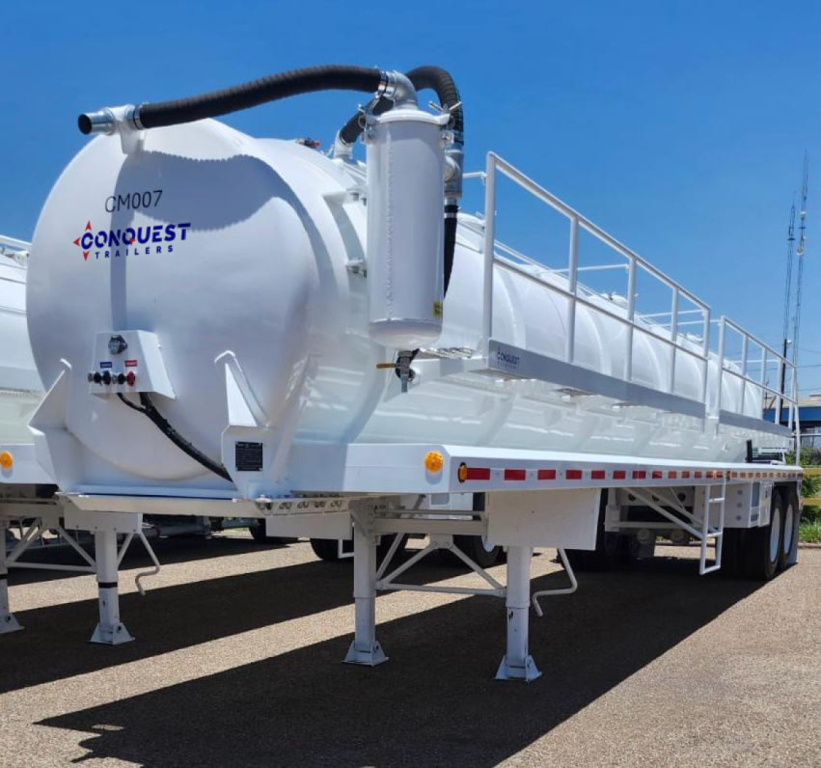
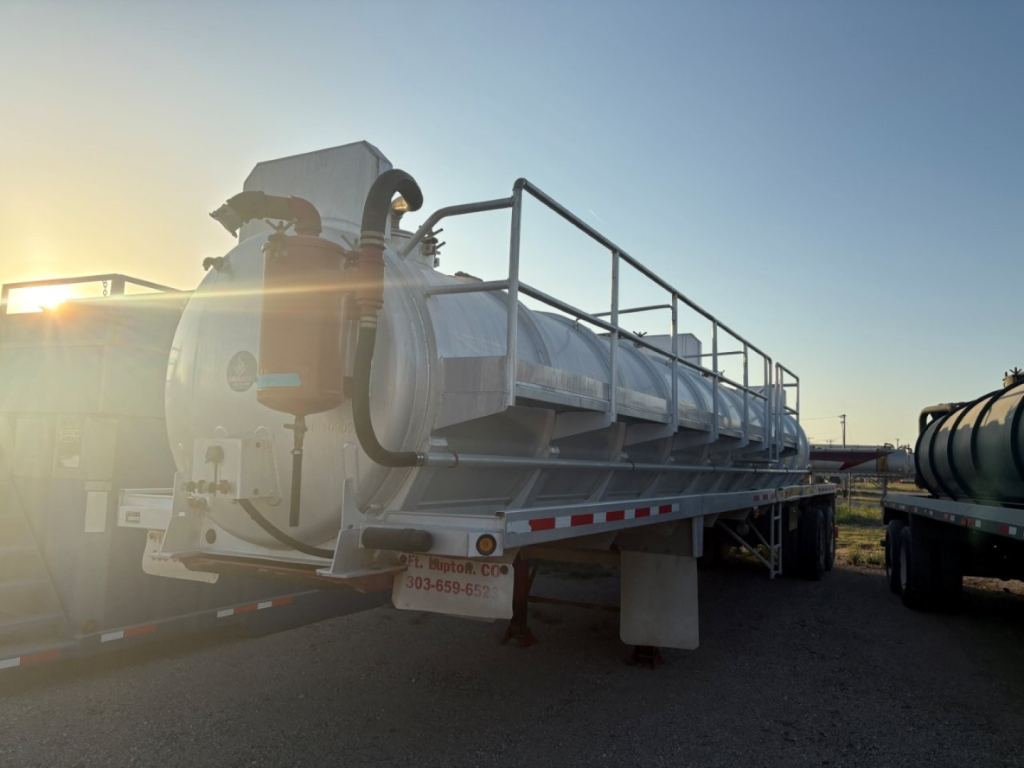
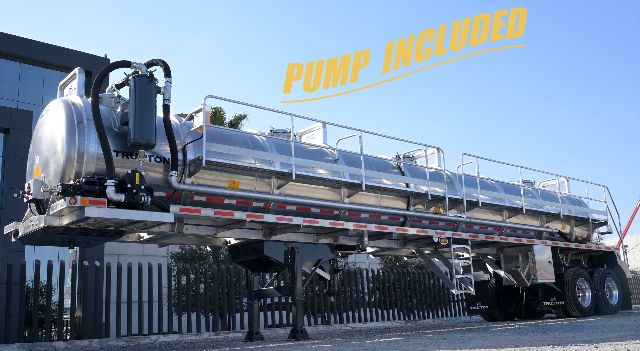

Have troxell vacuum trailer to sell? List it here to reach thousands of buyers.
Troxell Vacuum Trailers in Texas
When comparing Troxell vacuum trailers, tank specification should be the first filter. Many buyers start with non-code tanks for general oilfield fluid service, but the right choice depends on what product is being hauled and what customer or site rules apply. Look closely at barrel rating, tank lining, internal condition, rear head design, and access features such as full walkways and sight glasses. A lined tank can be a practical advantage when corrosion resistance and easier cleanout are priorities, especially in saltwater service. Toolbox layout, valve arrangement, and hose storage also affect day-to-day usability more than many first-time buyers expect.
Running gear matters because these trailers spend their lives on mixed surfaces, not just pavement. Spring suspension remains common on vacuum trailers because it is simple, proven, and easy to repair in field-service environments. Tire size, wheel type, axle rating, brake setup, and overall trailer weight all influence operating cost and legal payload. Buyers in Texas often pay close attention to roadability between oilfield locations and highway routes, so it is worth checking how the trailer is set up for stability, service access, and long-term wear. White-painted tanks are also common in this segment, partly for appearance and partly because they make leaks, residue, and general tank condition easier to spot during inspections.
A good Troxell vacuum trailer is usually judged by how efficiently it loads, hauls, and unloads over a long service cycle. Beyond tank size, buyers should evaluate pump compatibility, vacuum system setup, plumbing access, manway configuration, and how easy the trailer will be to clean and inspect. If the trailer will stay in oilfield service, practical details such as ladder placement, walkway coverage, sight glass visibility, and rugged suspension can make a measurable difference in uptime. For buyers comparing multiple vacuum trailers for sale, the best unit is the one matched to the fluid type, route conditions, and maintenance expectations of the operation.
Frequently Asked Questions about Troxell Vacuum Trailers in Texas
What is a Troxell vacuum trailer typically used for?
A Troxell vacuum trailer is typically used for hauling non-hazardous liquids in oilfield and industrial service, including produced water, saltwater, drilling fluids, and waste fluids. In Texas, these trailers are commonly seen moving fluid between well sites, tank batteries, disposal wells, and treatment facilities. The exact application depends on the tank specification, vacuum system, and any customer or regulatory requirements tied to the product being hauled.
What does a 130-barrel vacuum trailer mean?
A 130-barrel vacuum trailer refers to the tank's volumetric capacity, with one oilfield barrel equal to 42 gallons. That puts a 130 BBL trailer at roughly 5,460 gallons of nominal capacity. Actual legal payload depends on the weight of the liquid, trailer tare weight, axle ratings, and applicable state road limits. Capacity alone does not determine productivity, so buyers should also consider load density and route restrictions.
What is the difference between a non-code vacuum trailer and a coded tank trailer?
A non-code vacuum trailer is generally built for products and applications that do not require an ASME pressure vessel or other coded tank specification. These are common in oilfield fluid service where the trailer is used for vacuum loading and atmospheric transport of approved materials. A coded tank trailer is built to a recognized pressure vessel standard and is required for certain products or operating conditions. Buyers should confirm jobsite, customer, and regulatory requirements before choosing between non-code and coded equipment.
What features matter most when comparing vacuum trailers for oilfield work?
The most important features are tank capacity, tank lining or corrosion resistance, suspension type, axle and brake ratings, tire size, plumbing layout, and access equipment such as walkways, ladders, and sight glasses. Ease of cleaning and inspection also matters because vacuum trailers often handle fluids that leave residue or create corrosion concerns. Buyers should also check pump and hose compatibility, valve placement, and how easily the trailer can be maintained in a field-service environment.
Why do many buyers in Texas prefer simple suspension and serviceable components on vacuum trailers?
Texas vacuum trailer service often includes lease roads, uneven surfaces, and long runs between jobs, so buyers tend to value proven components that can be repaired quickly. Spring suspension is popular because it is durable, familiar to most shops, and generally less complex than more specialized setups. Serviceable wheel ends, common tire sizes, accessible plumbing, and clear tank access points can reduce downtime and make roadside or yard repairs more manageable.