
Used 2019 Utility Trailers For Sale
Shop used 2019 Utility trailers, including dry van and reefer models, with specs that matter for freight efficiency, durability, and resale.
Learn moreBrowse Utility Trailers by Category

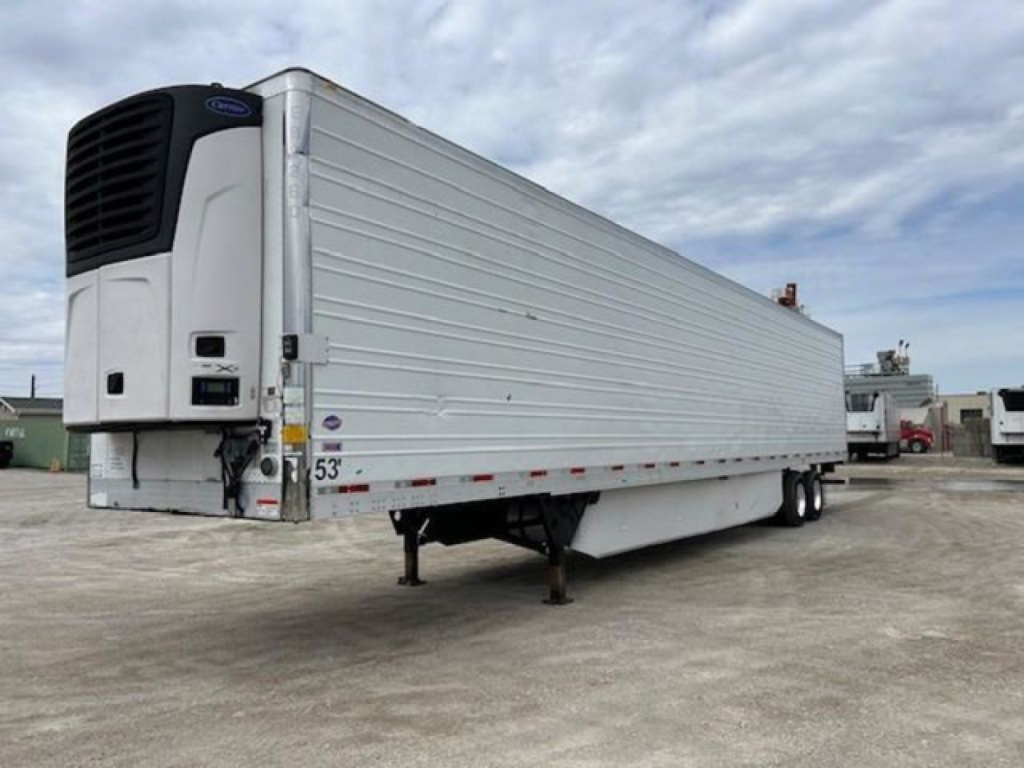
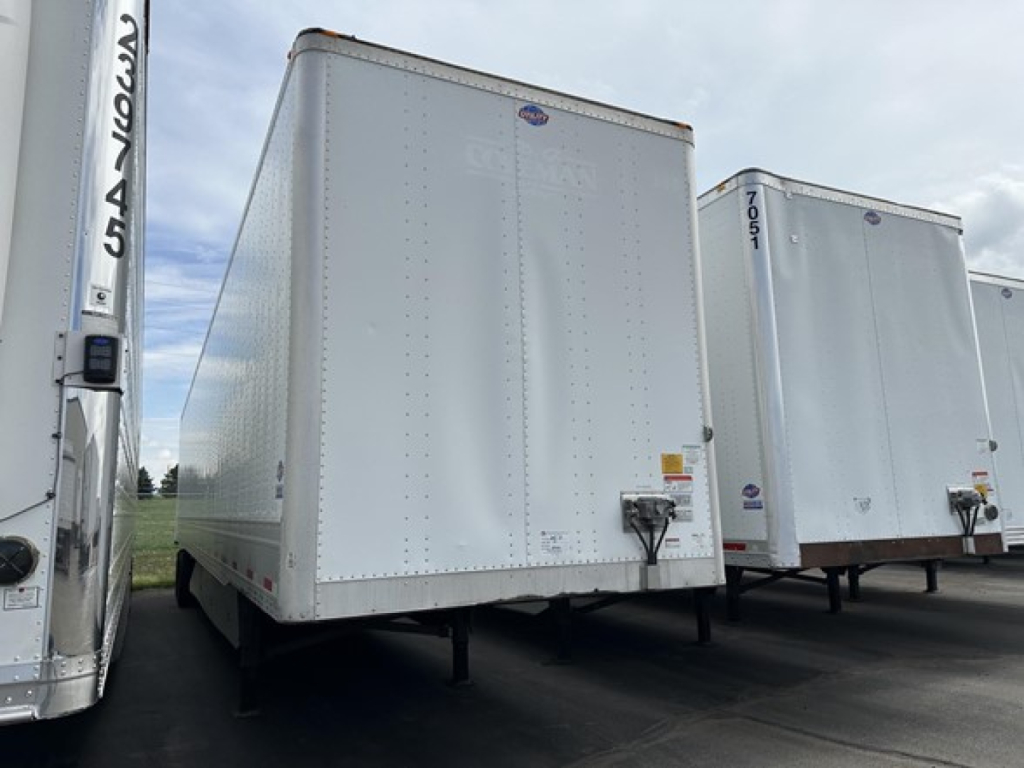
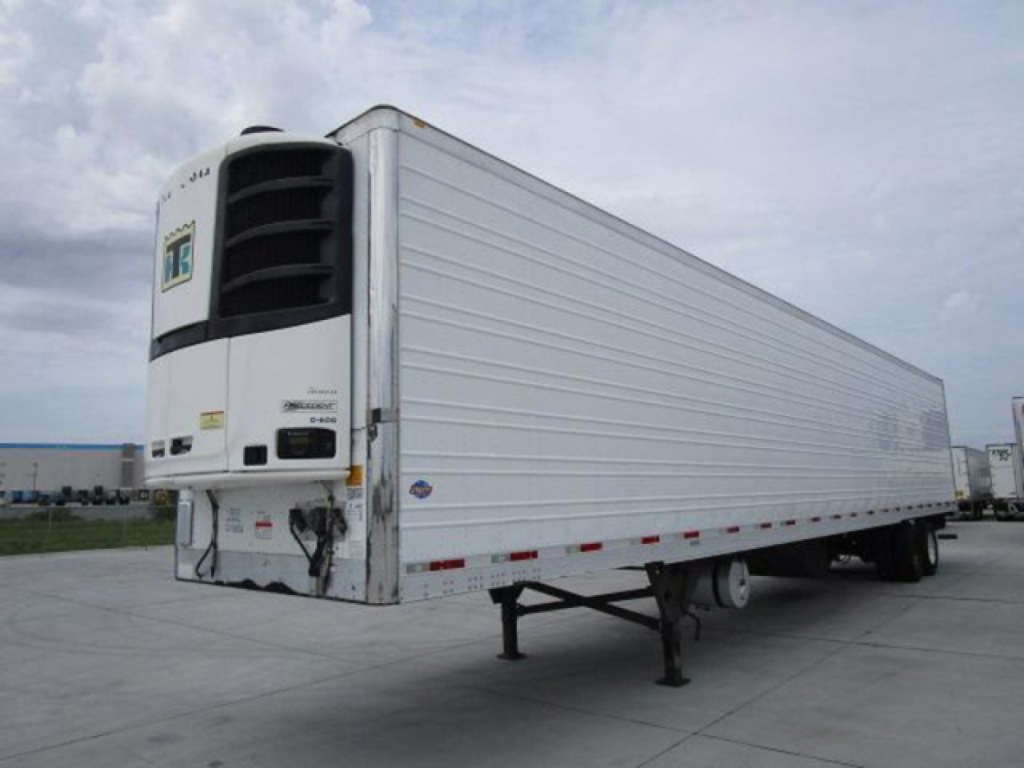
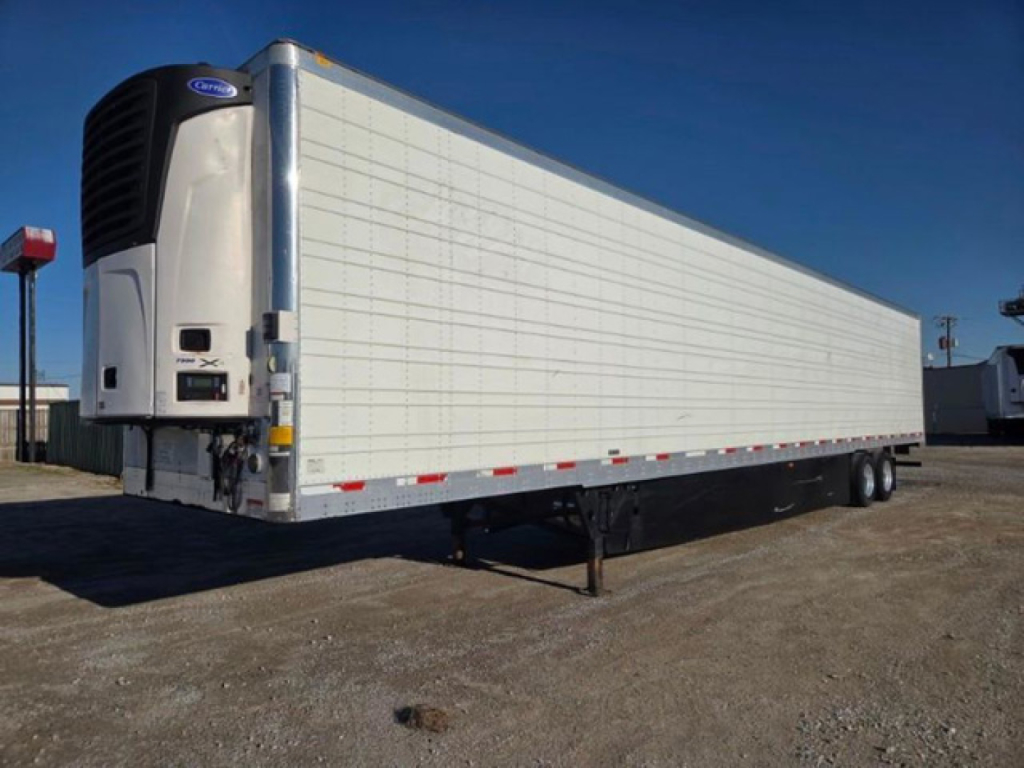
Showing 1 to 12 of 14 results
Have used 2019 utility trailer to sell? List it here to reach thousands of buyers.
About Used 2019 Utility Trailers
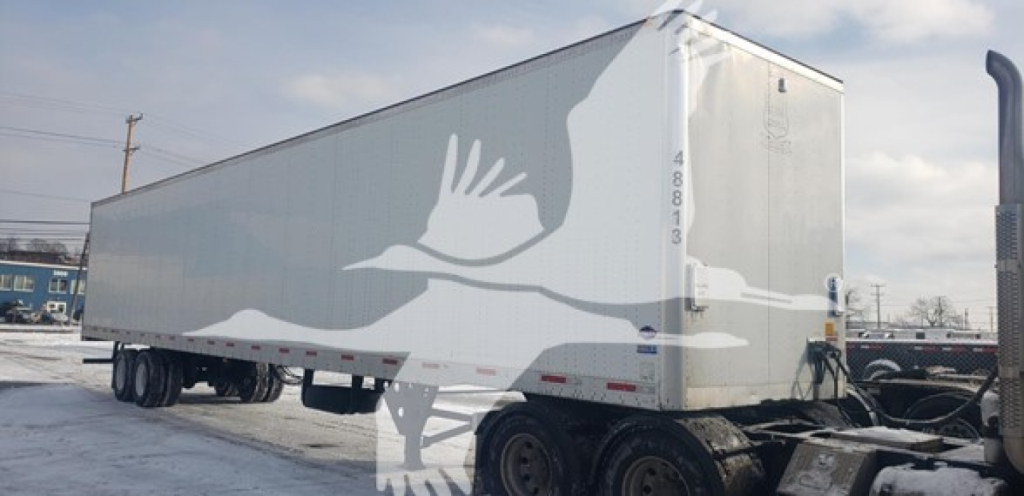
For dry van work, Utility 4000-series trailers are commonly seen in general freight, retail distribution, and dedicated contract lanes. Buyers should pay close attention to floor type, threshold wear, rear frame condition, roof integrity, and the condition of the side panels. Features like PSI tire inflation systems, dock bumpers, heavy-duty threshold plates, aluminum roofs, and Hendrickson air ride can add value in everyday operations because they help reduce downtime and keep loading dock performance predictable. If the trailer will spend time in tight regional service, tandem slider operation, kingpin setting, and overall suspension condition matter just as much as cosmetic appearance.
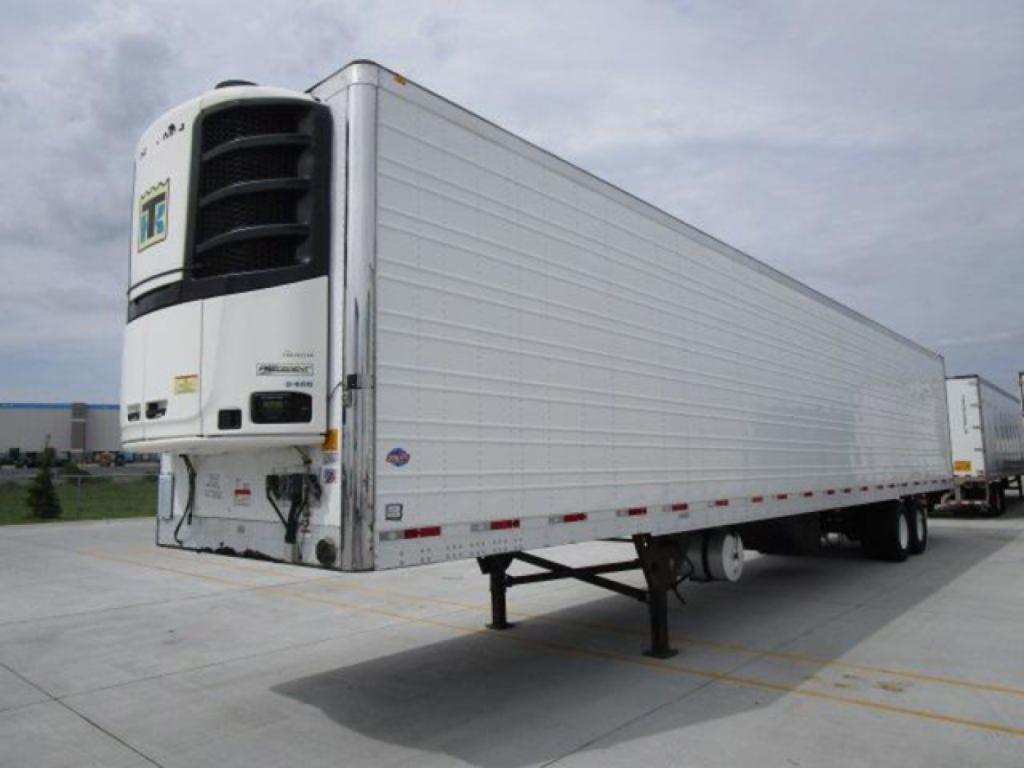
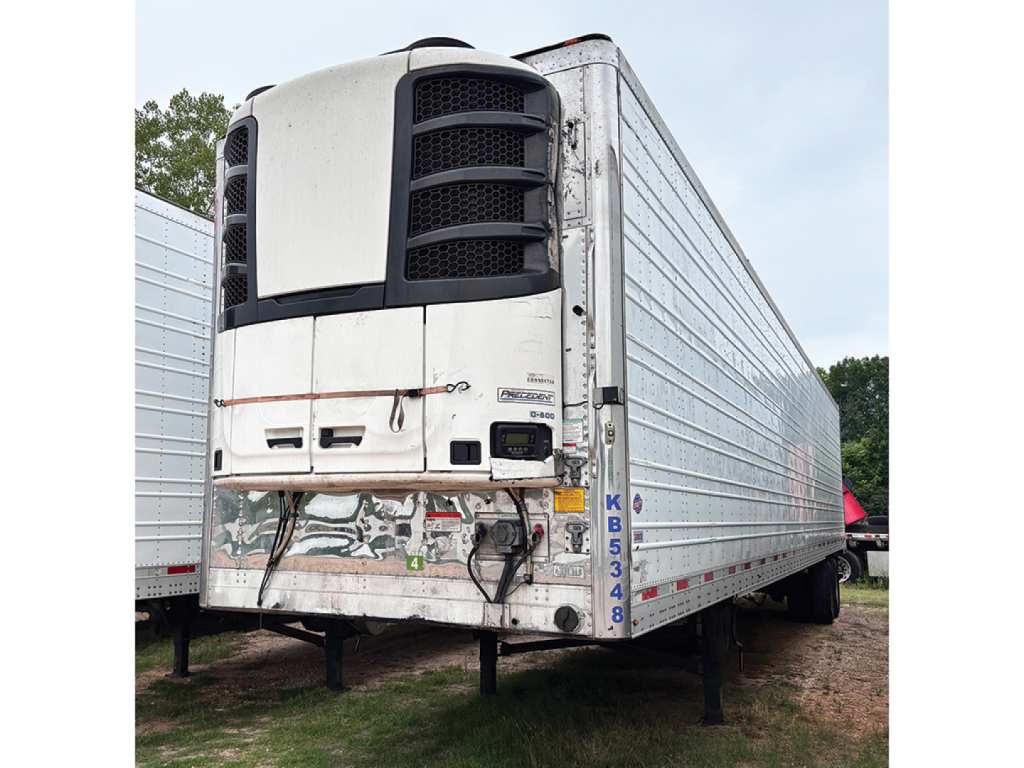
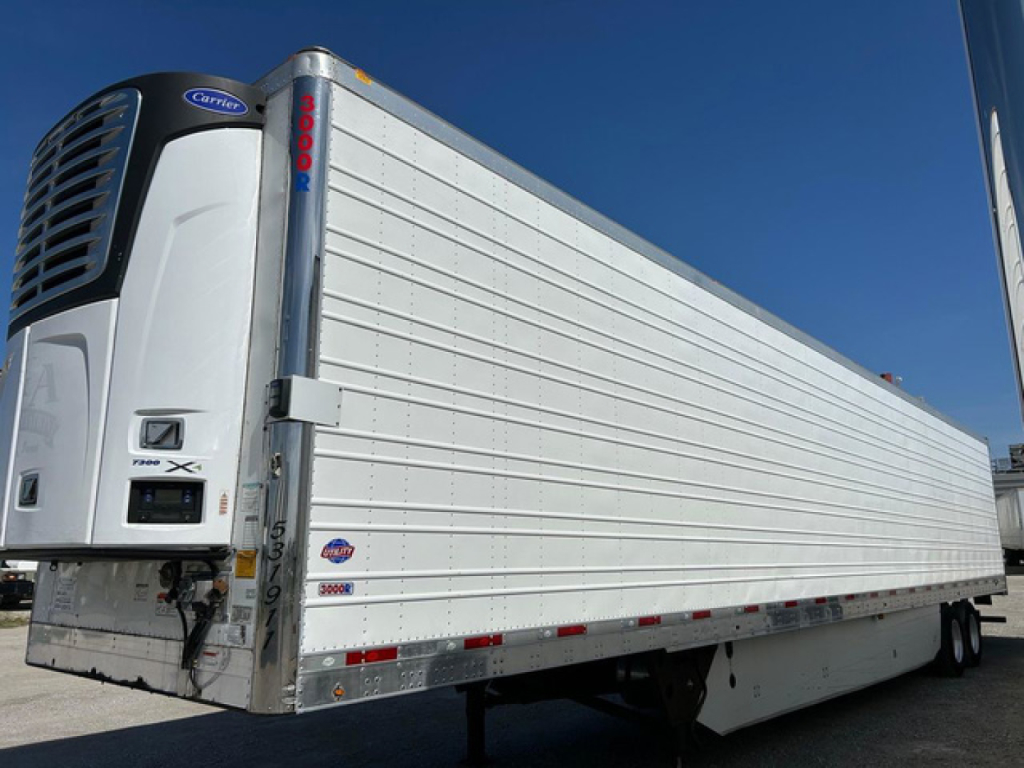
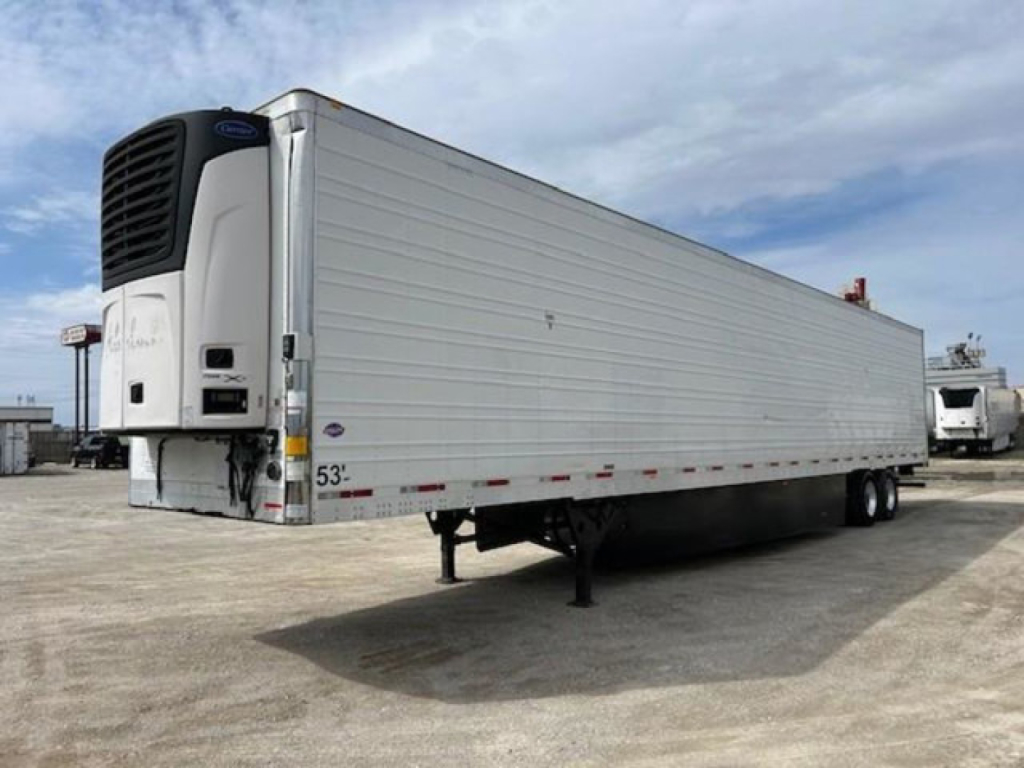
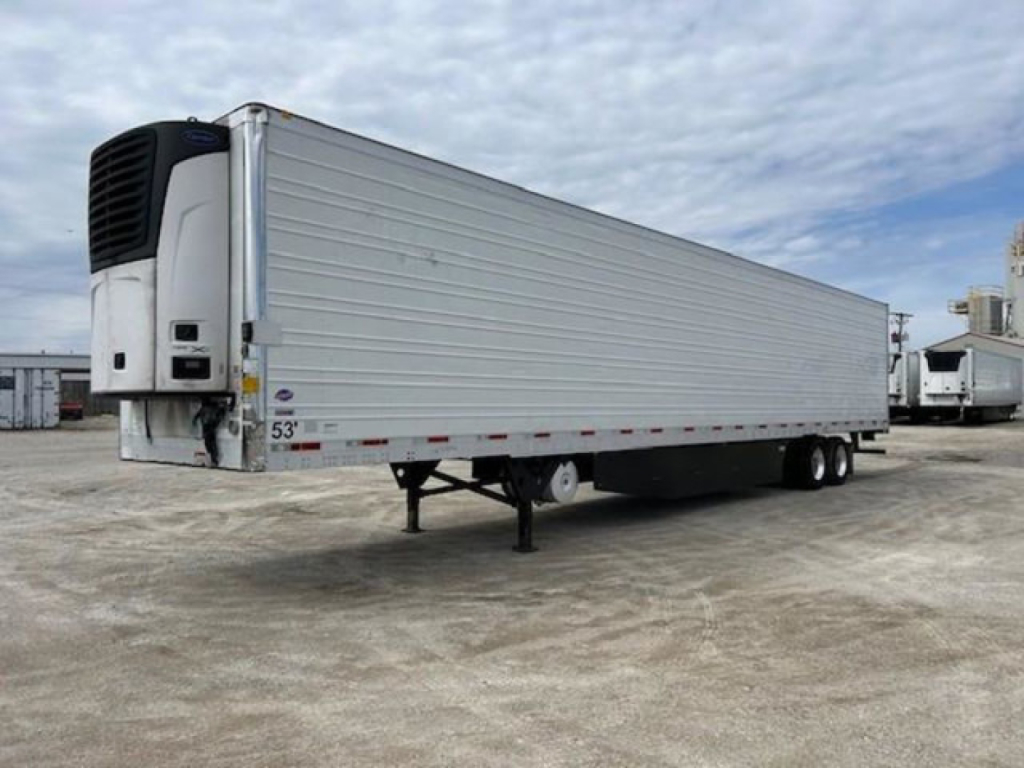
For refrigerated service, Utility reefers from this era are often paired with Carrier units and are popular in grocery, produce, dairy, and foodservice operations. Reefer buyers should evaluate not just the trailer body but the complete cold-chain package: unit hours, service records, lining condition, floor wear, door seal integrity, fuel tank condition, and signs of previous patchwork in the front wall or roof. Interior specs such as armored lining, ducting, and chute setup can affect how well the trailer handles multi-stop routes versus long continuous hauls. Low unit hours can be a plus, but maintenance history and pull-down performance usually tell more than the hour meter alone.
A used 2019 Utility trailer often appeals to buyers who want a balance of modern spec and lower acquisition cost than new equipment. The best choice depends on freight type, lane length, loading style, and maintenance priorities. For van buyers, the key issues are structure, floor life, and suspension health. For reefer buyers, refrigeration performance and body insulation are just as important as axle and tire condition. Utility remains a familiar platform for most shops, which helps with serviceability, trailer uptime, and long-term operating confidence.
Frequently Asked Questions
What are the most important things to inspect on a used 2019 Utility trailer?
Start with the trailer structure and then move to the running gear and application-specific components. On dry vans, inspect the floor for soft spots, threshold damage, roof leaks, sidewall repairs, rear frame wear, and tandem slider function. On reefers, add a close inspection of the refrigeration unit, lining, door seals, fuel tank, floor channels, and insulation integrity. Tire condition, brake wear, suspension components, wheel-end condition, and maintenance records matter on both types.
Are 2019 Utility trailers good for fleet service?
Yes. A 2019 Utility trailer is new enough to meet the expectations of many fleet buyers while still offering a lower purchase cost than a new trailer. Utility trailers are widely used in dry freight and refrigerated service, and that market presence supports parts availability, technician familiarity, and predictable resale. The exact value depends on prior use, maintenance history, and how well the trailer spec matches the intended lane and freight.
What is the difference between a Utility dry van and a Utility reefer?
A Utility dry van is built for general non-temperature-controlled freight and focuses on cubic capacity, floor durability, and dock-friendly loading. A Utility reefer adds an insulated body and a refrigeration unit for temperature-sensitive cargo such as food, produce, or pharmaceuticals. Reefer trailers have more systems to maintain, including the unit, fuel system, and insulated interior, so operating costs and inspection points are broader than with a standard van.
What reefer unit details should buyers check on a 2019 Utility refrigerated trailer?
Buyers should check the refrigeration unit brand and model, engine hours, service intervals, fault history, pull-down performance, and fuel system condition. It is also important to inspect the evaporator area, interior lining, return air pathways, and door seals because trailer-body issues can reduce cooling efficiency even when the unit itself runs properly. A pre-purchase reefer inspection with a functional temperature test is a smart step on any used refrigerated trailer.
Do features like air ride, PSI, and aluminum components matter on a used Utility trailer?
They do, especially for buyers focused on uptime and operating cost. Air ride suspension can improve ride quality and freight protection, PSI tire inflation systems can help reduce irregular tire wear and roadside failures, and aluminum components can help manage tare weight and corrosion resistance. These features do not replace the need for a good structural inspection, but they can make a used trailer more efficient and easier to keep in service.