
Used Trailers For Sale in Georgia
Browse used trailers for sale in Georgia, including dry vans, reefers, and cargo trailers with common specs, applications, and buyer tips.
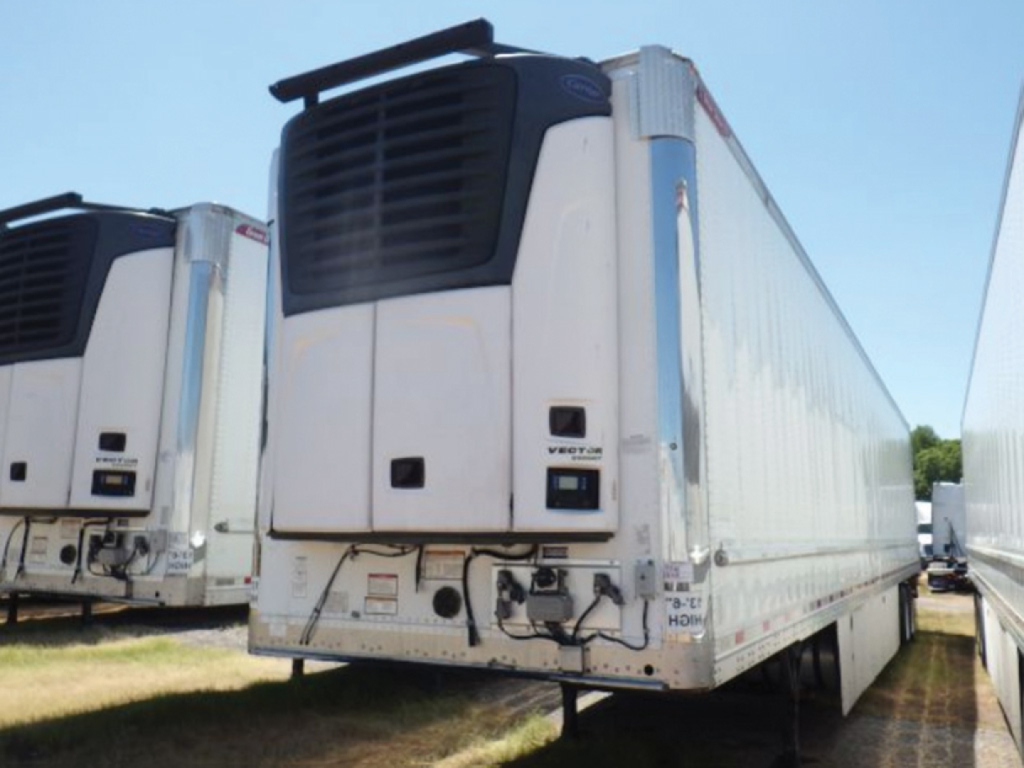
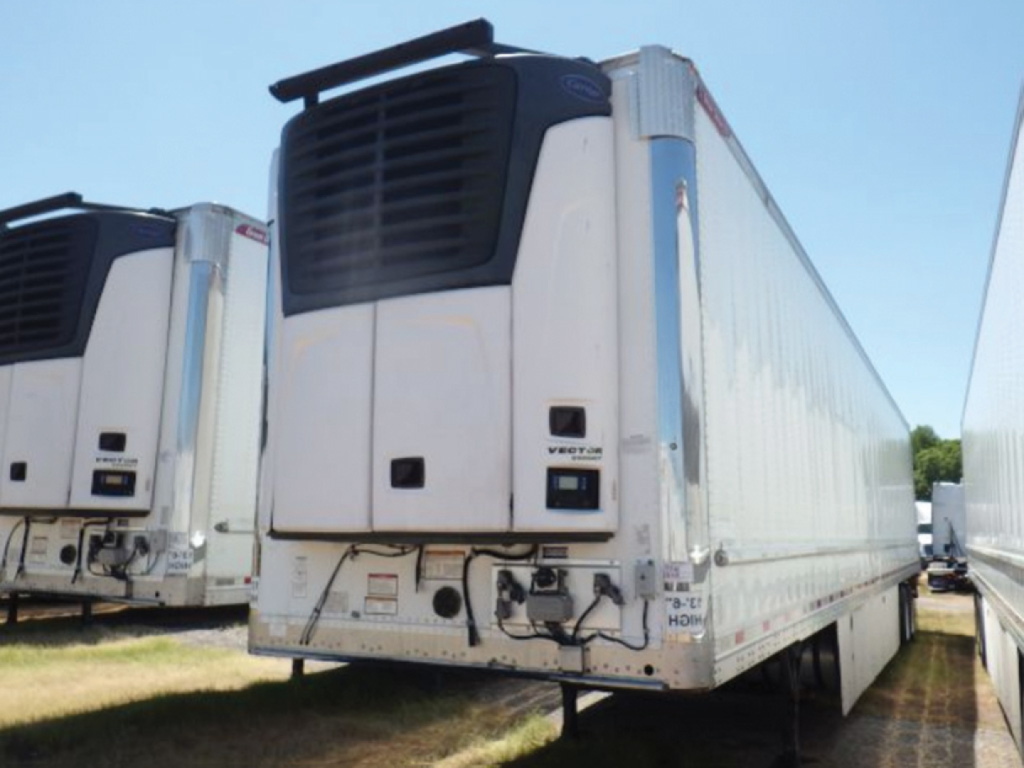
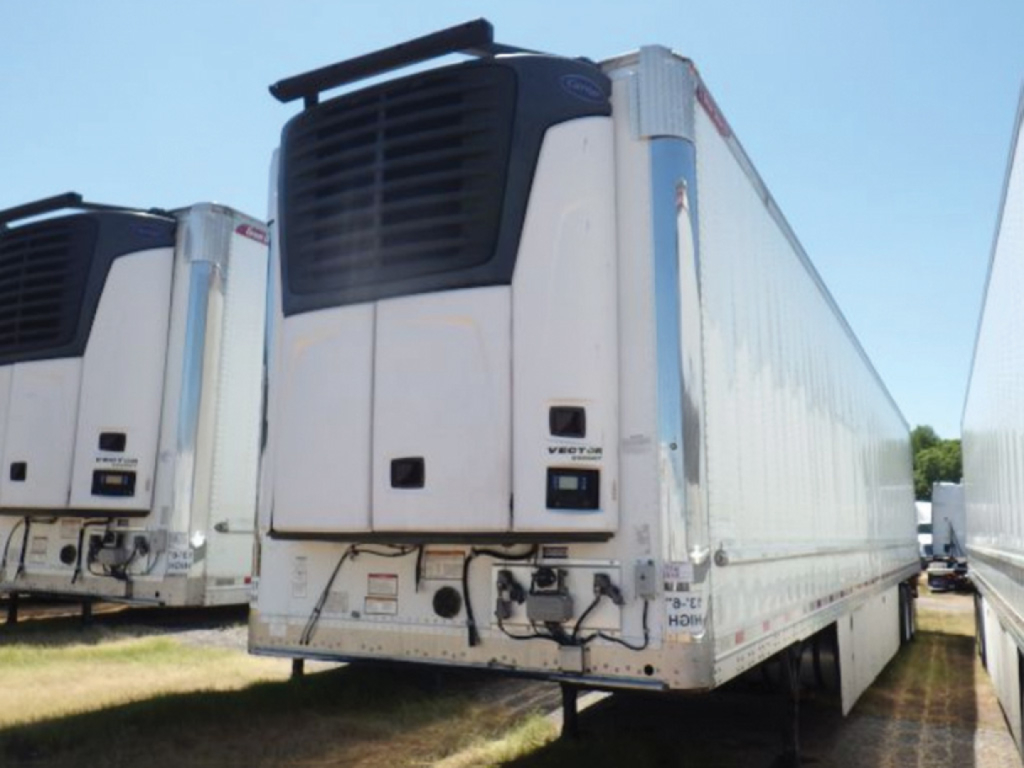
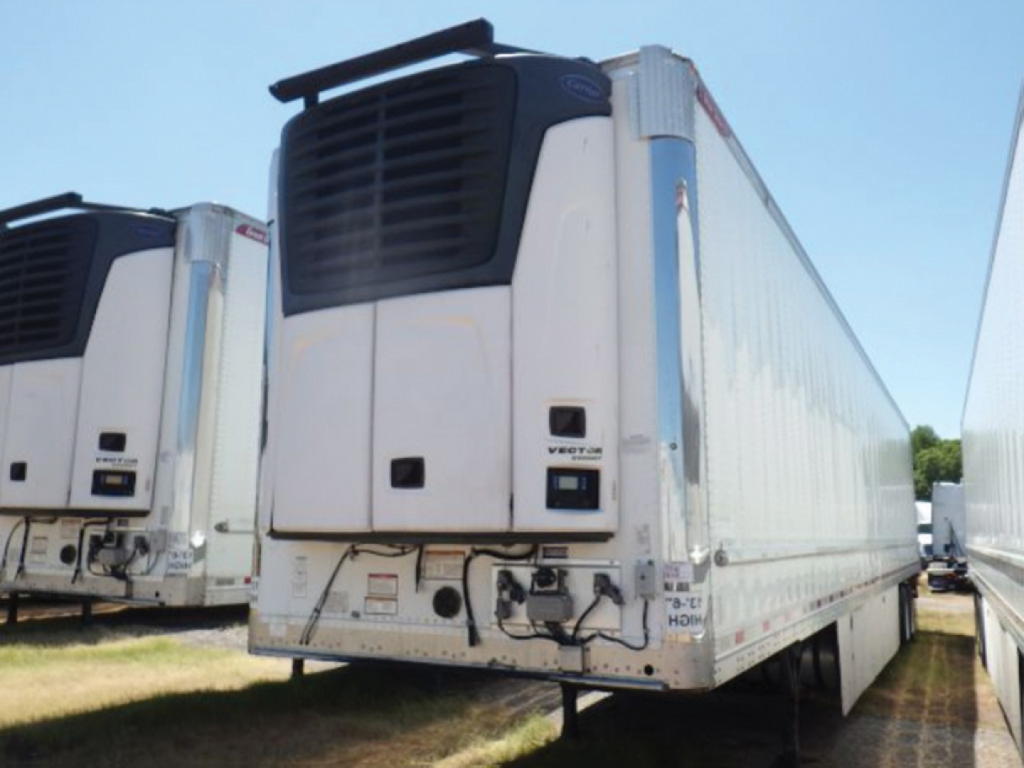
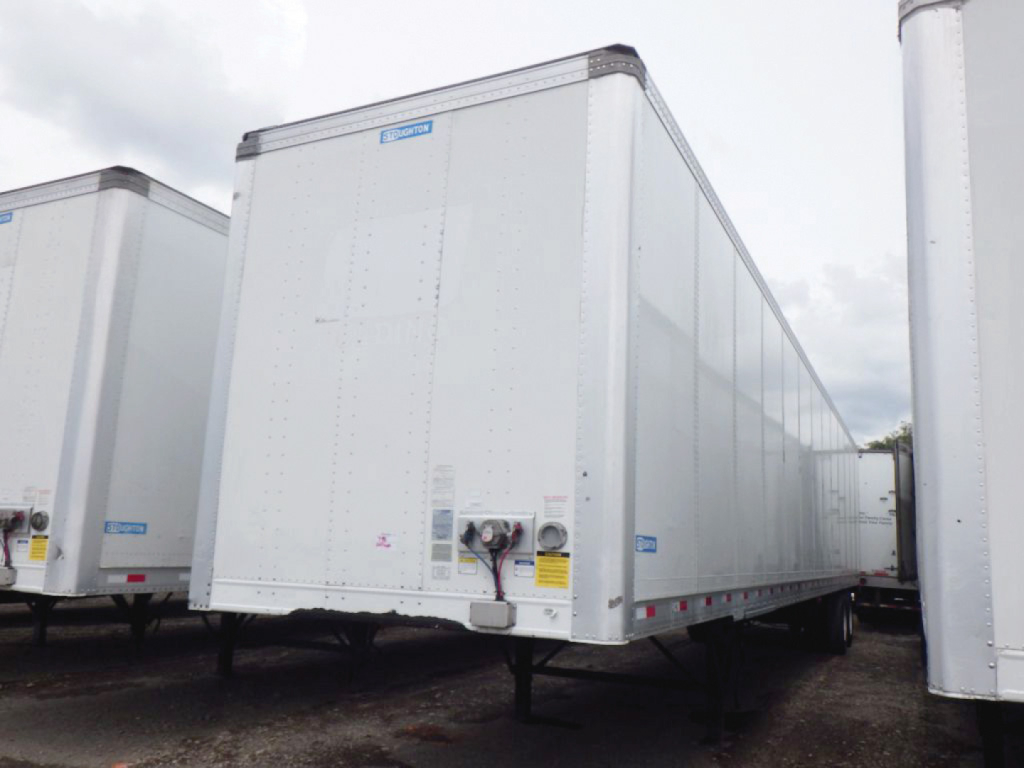
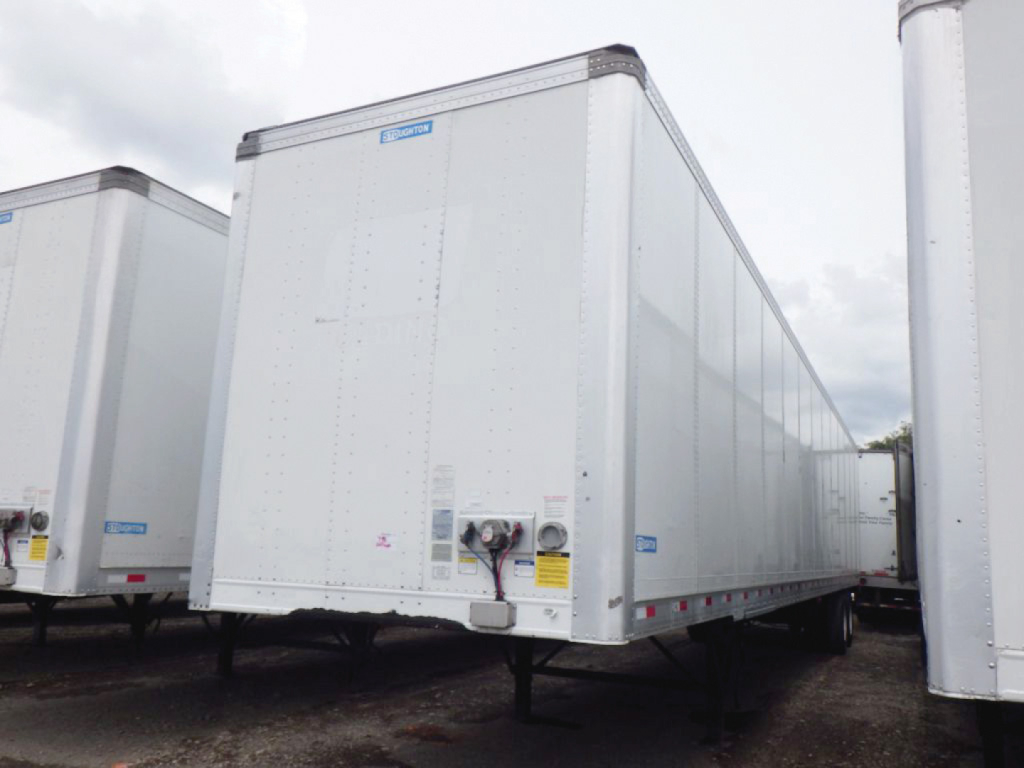
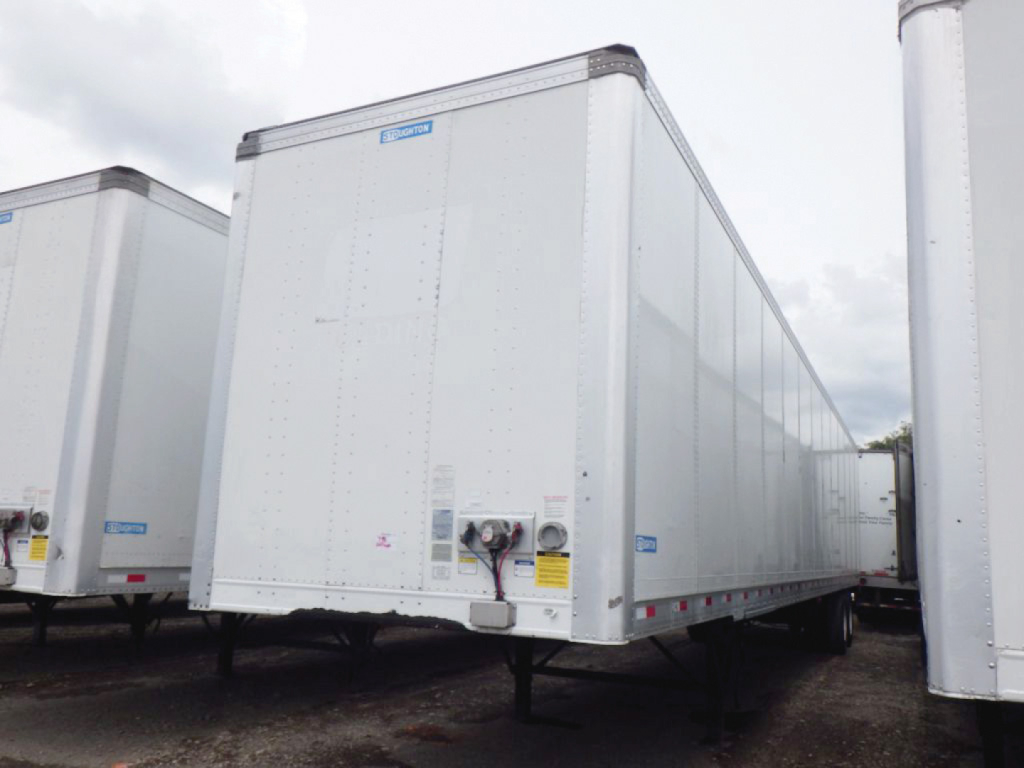
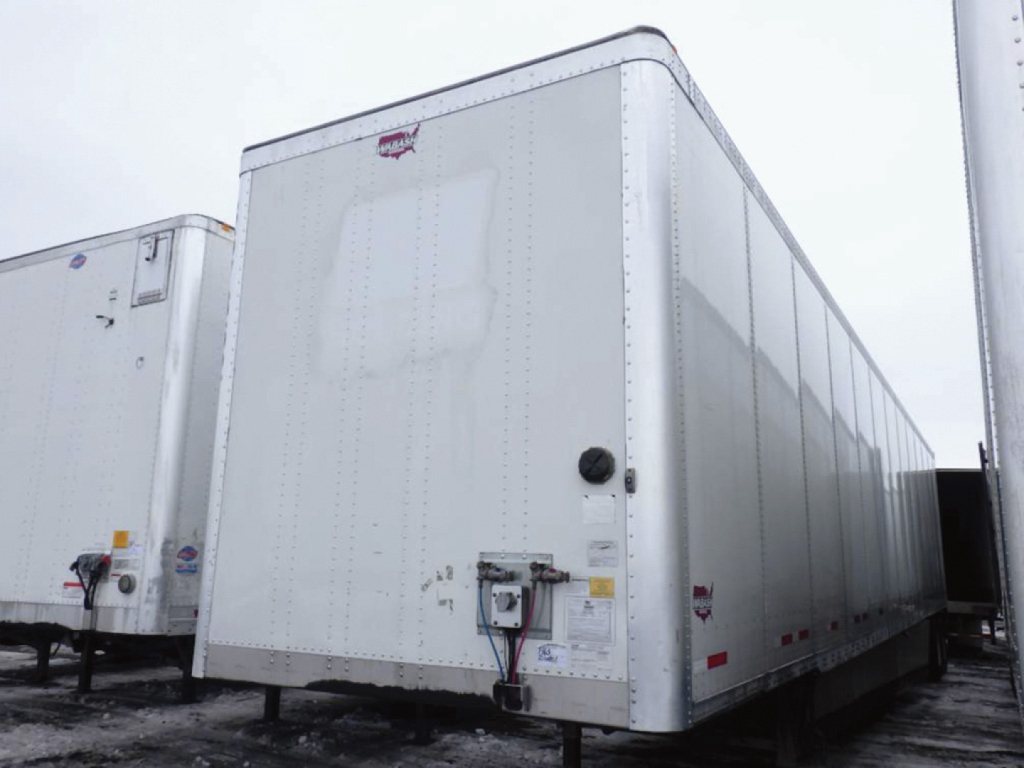
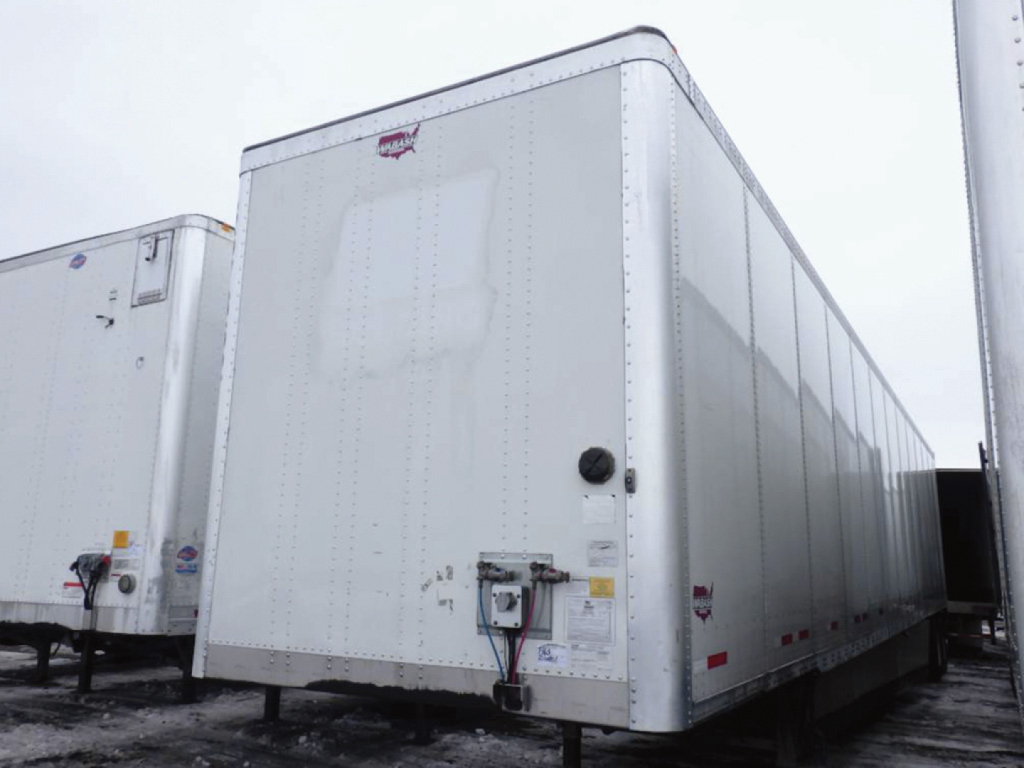
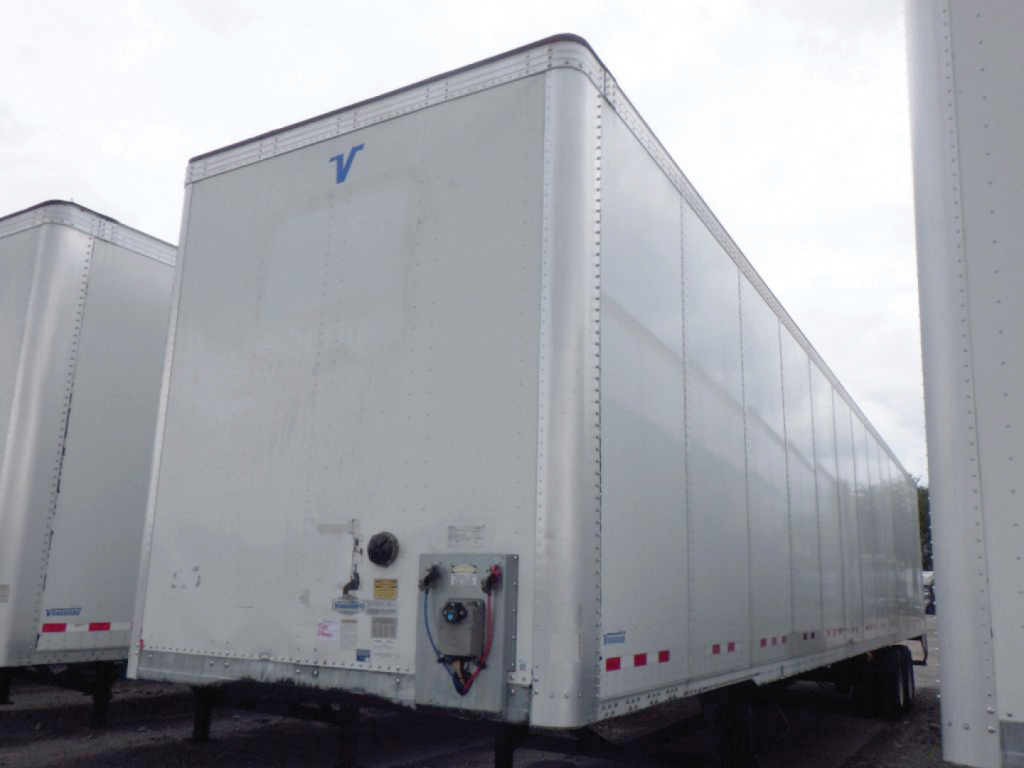
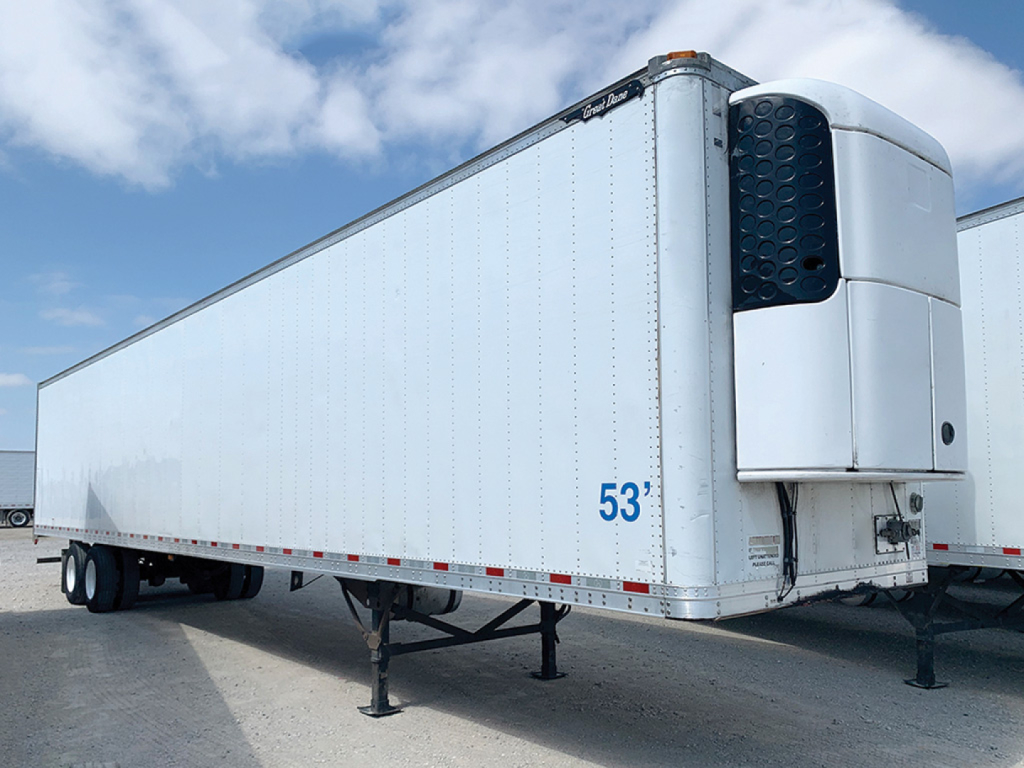
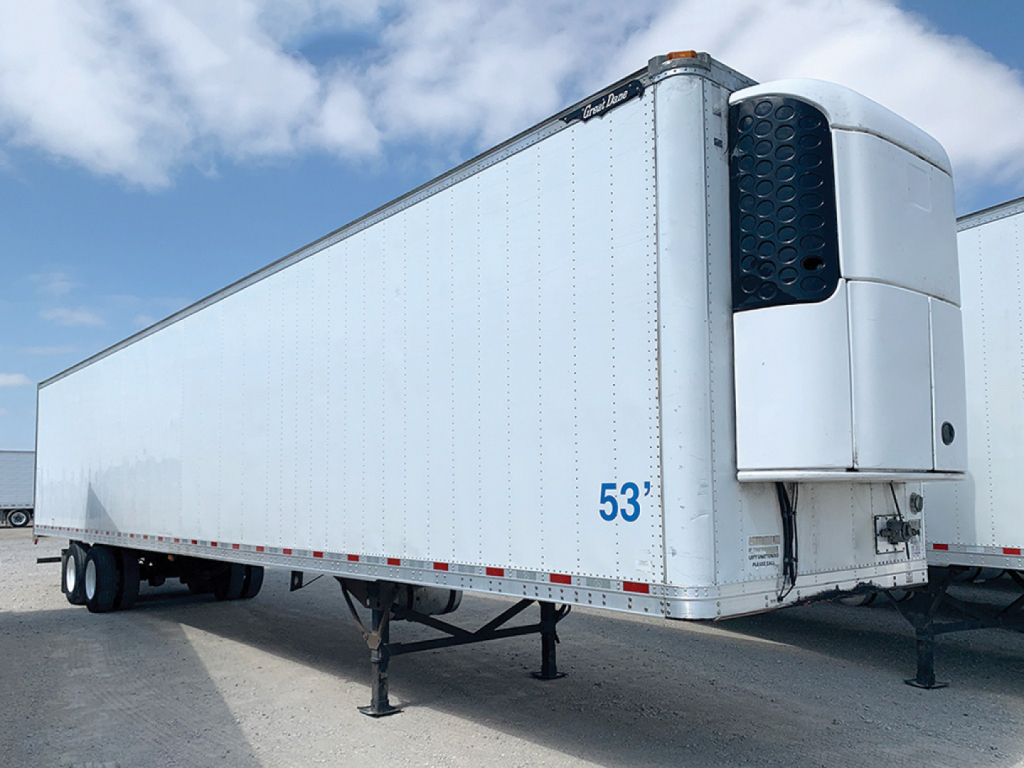
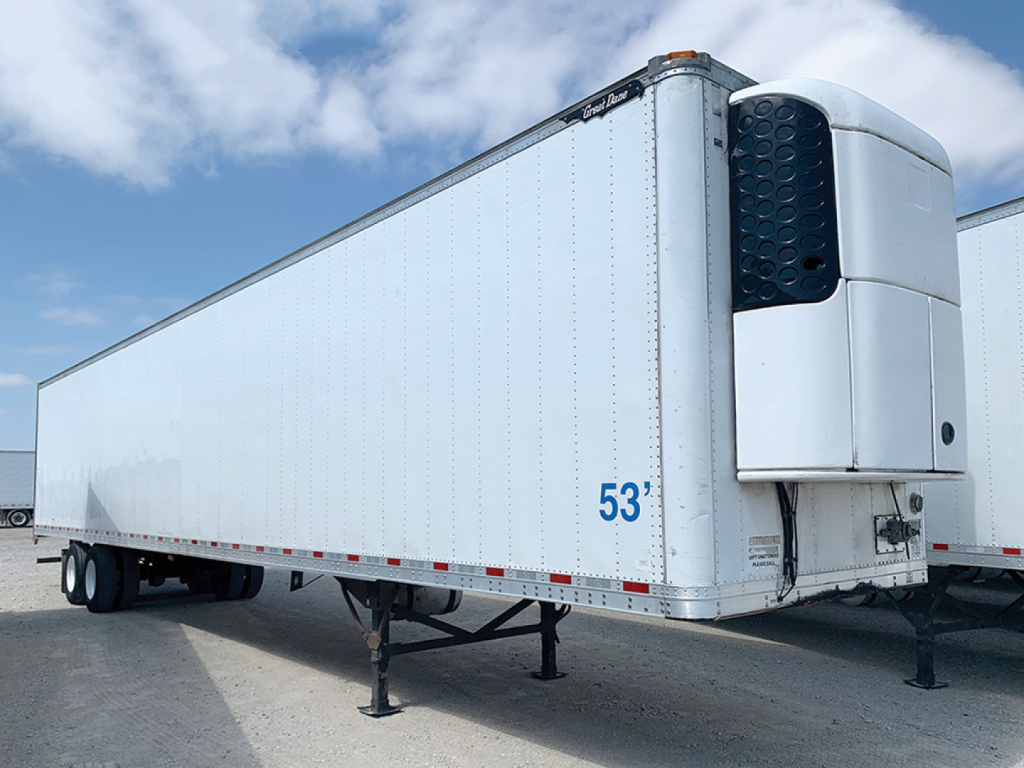
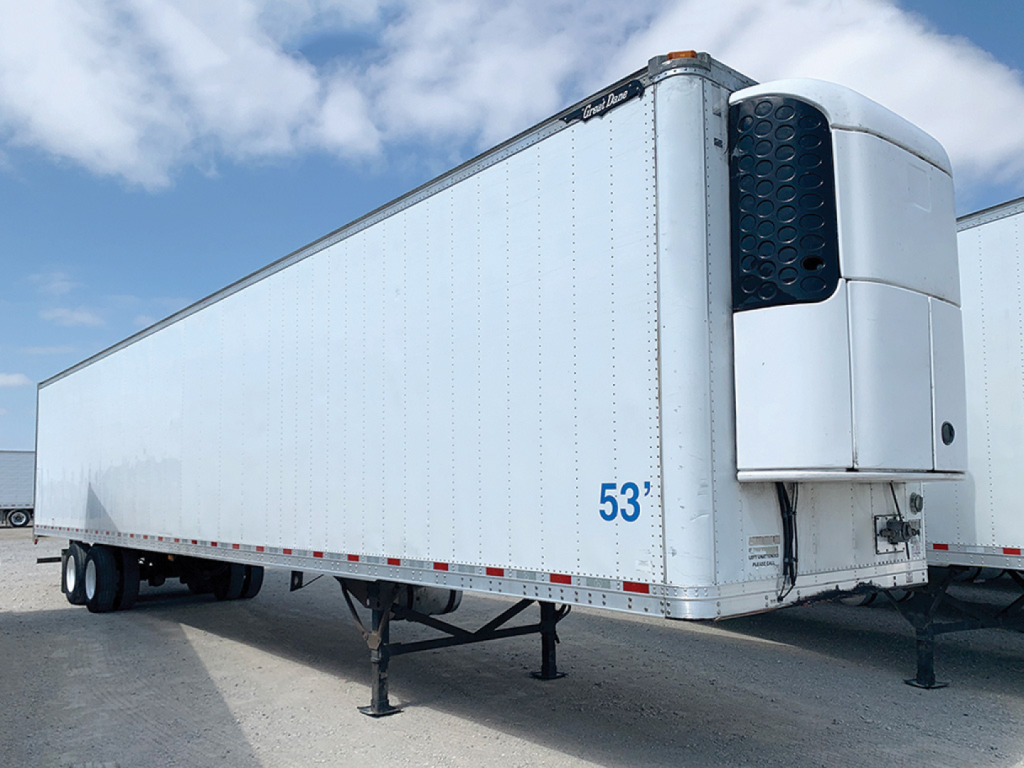
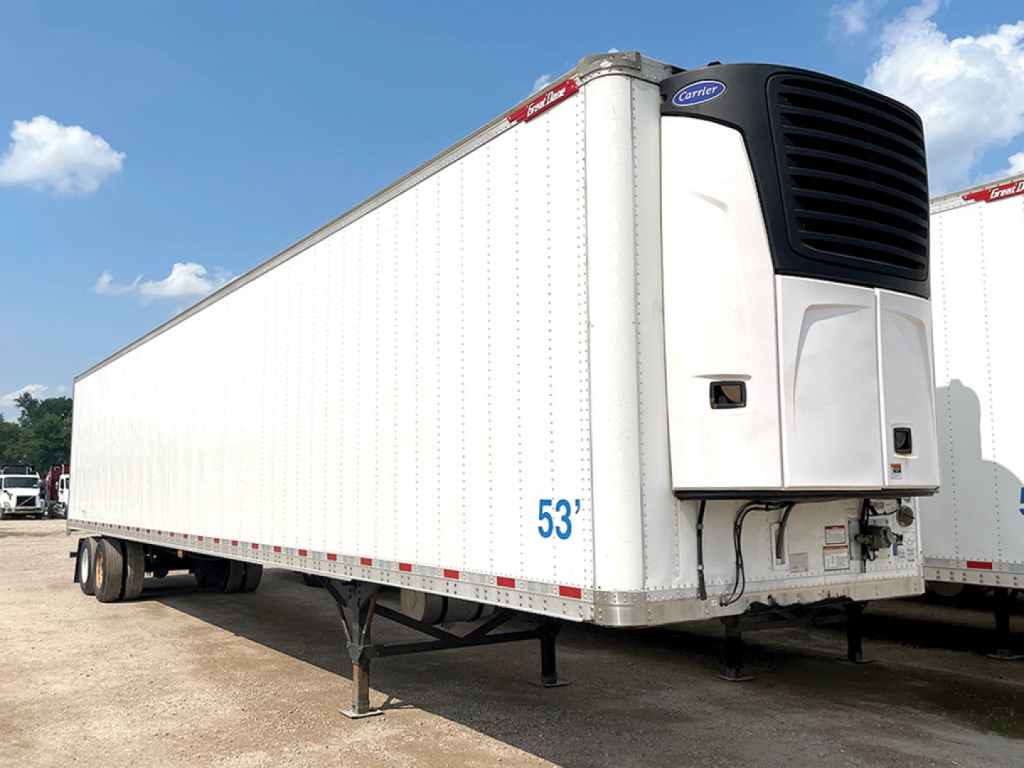
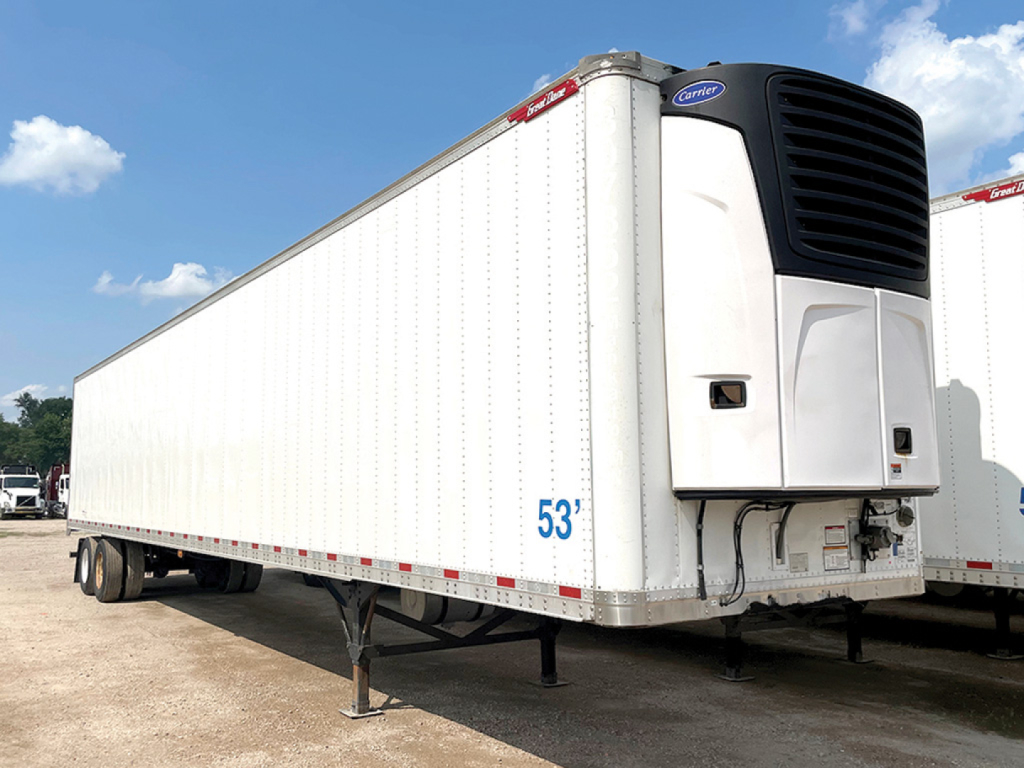
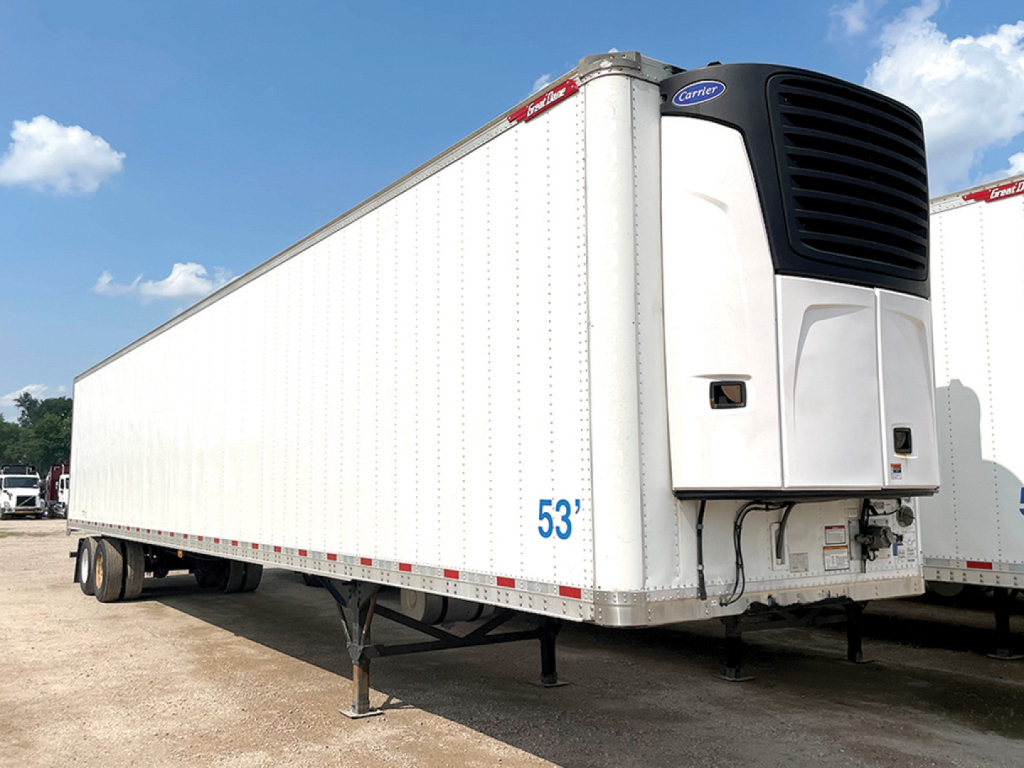
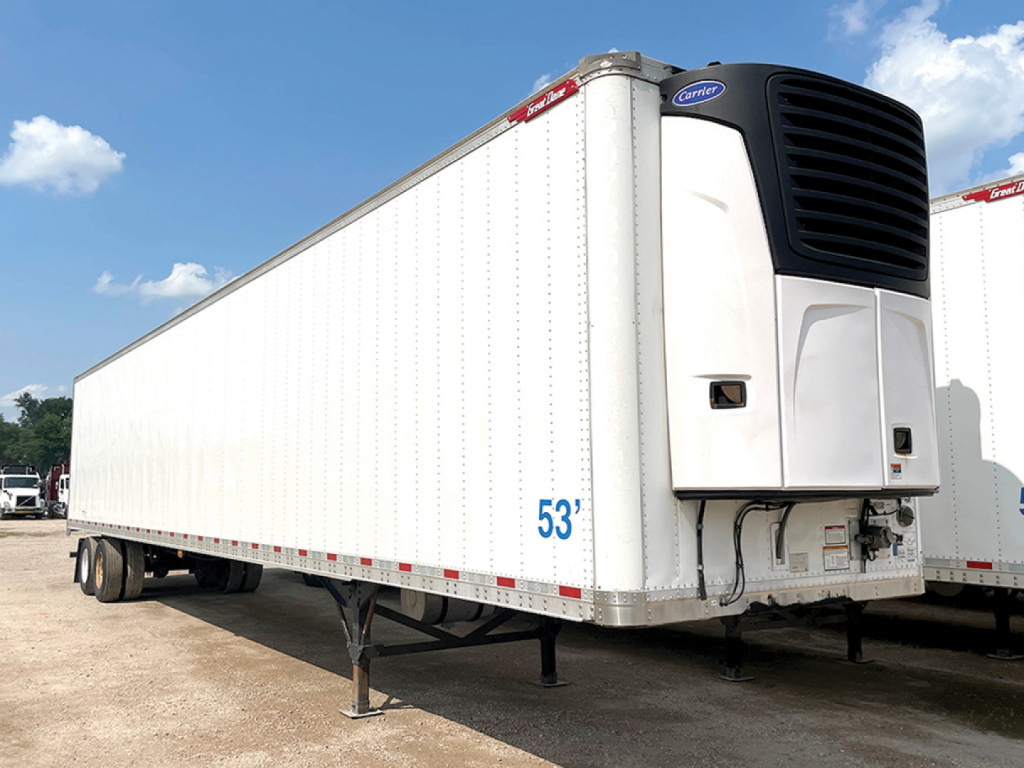
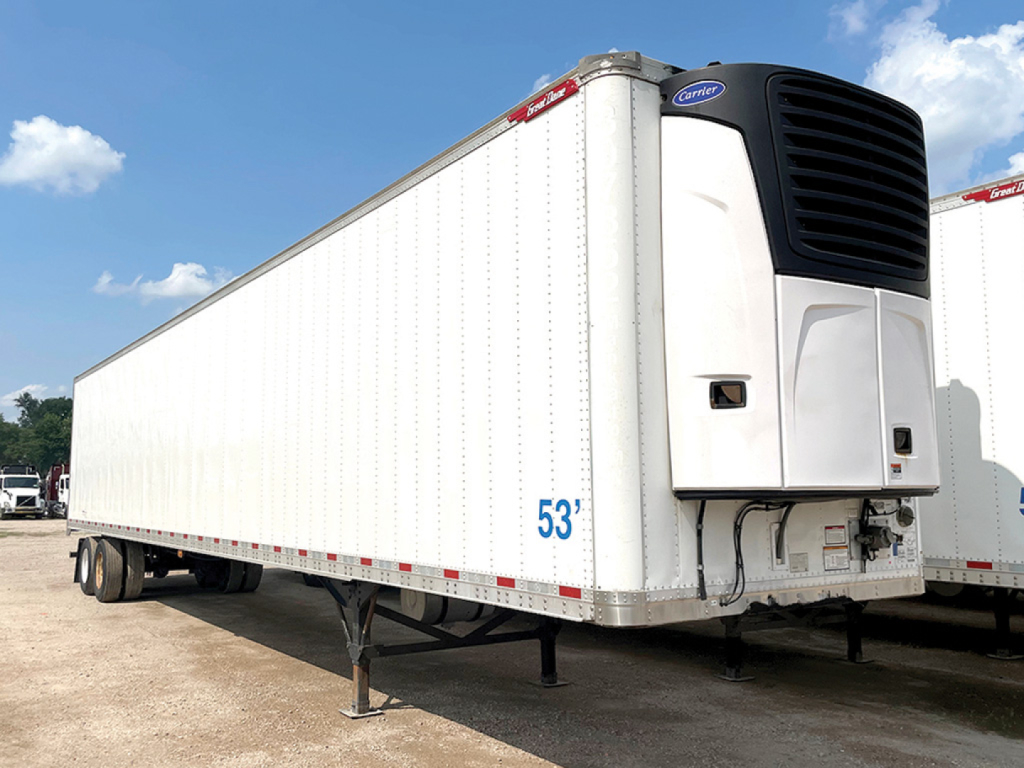
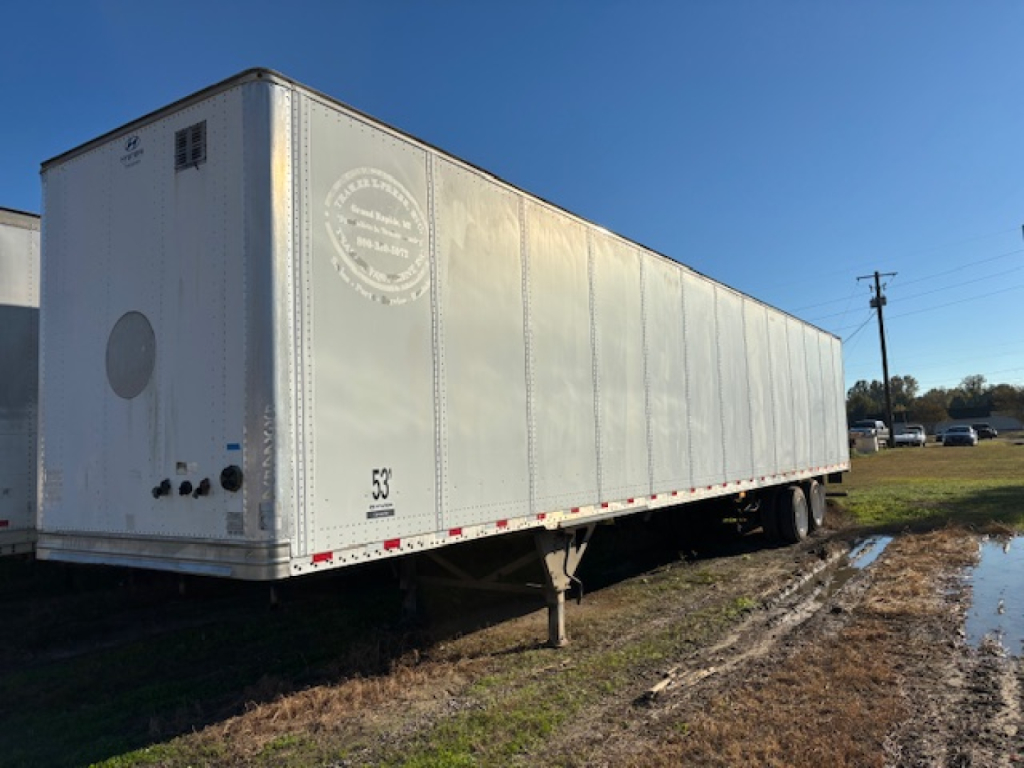
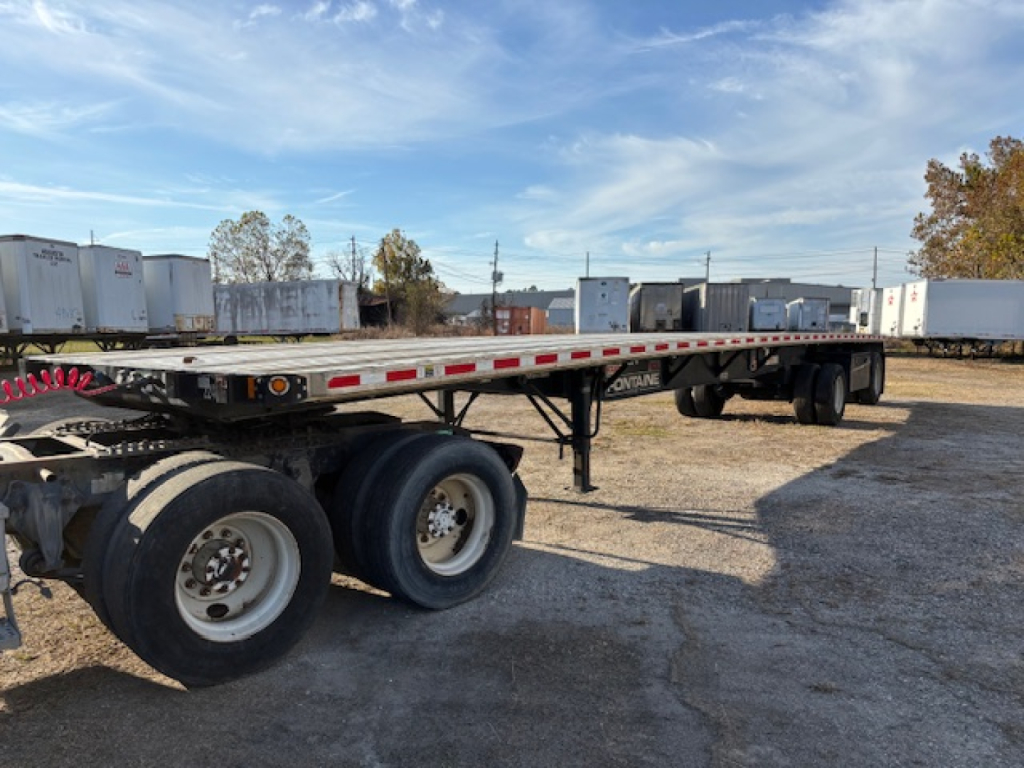
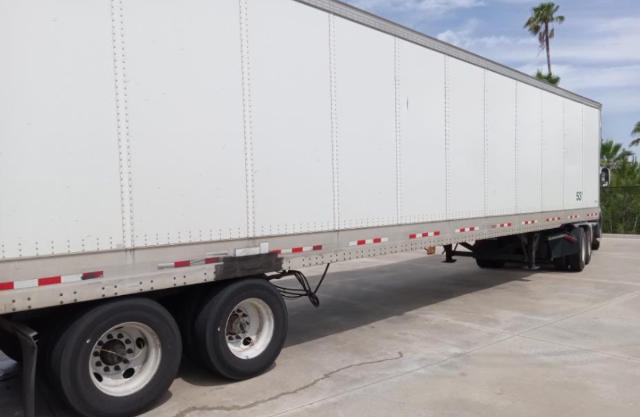
Showing 25 to 48 of 102 results
Have used trailer to sell? List it here to reach thousands of buyers.
Used Trailers in Georgia
Common used trailer specs in this category include 53-foot length, 102-inch width, 13-foot 6-inch overall height, tandem axles, and sliding tandem suspension to help with bridge law and axle weight distribution. Buyers should pay close attention to inside height, floor type, lining, and cargo control. Wood floors remain common on dry vans, while heavy-duty aluminum duct floors are typical on reefers to support airflow under the load. Logistics posts, E-track, scuff liners, threshold plates, galvanized or stainless door frames, and swing doors all affect durability and loading flexibility. Suspension choice also matters. Air ride is preferred for more fragile freight and ride quality, while spring ride can be simpler and less expensive to maintain. Tire inflation systems, disc wheels, and side skirts are additional features that can improve uptime or operating efficiency depending on the application.
On a used trailer, condition inspection is where value is won or lost. Check the roof, front wall, rear frame, crossmembers, upper coupler, kingpin area, and floor for signs of repairs, corrosion, or stress cracking. On dry vans, inspect the scuff liner height, wall condition, and door seal integrity if the trailer will haul high-cube or damage-sensitive freight. On reefers, evaluate the refrigeration unit hours, service history, evaporator condition, chute or air delivery system, floor wear, and insulation integrity. Tire age, brake percentage, wheel-end condition, suspension wear, and slider function should be verified before purchase. In Georgia, humidity, heavy traffic, and frequent dock use can accelerate wear on floors, door hardware, and rear impact areas, so rear frame and threshold condition deserve extra attention.
The best used trailer is the one that matches the freight, loading pattern, and route network. A fleet hauling dry consumer goods may prioritize composite lining, logistics posts, and low-profile 22.5 tires. A shipper handling foodservice or cold chain freight will focus on reefer unit brand, maintenance records, duct floor condition, and interior cleanliness. Buyers running Southeast regional freight may also look for lightweight aluminum construction, sliding tandems, and durable door hardware that holds up to frequent stops. When comparing used trailers for sale in Georgia, focus less on model year alone and more on structural condition, spec alignment, and how easily the trailer will stay compliant and productive in your operation.
Frequently Asked Questions about Used Trailers in Georgia
What types of used trailers are most common in Georgia?
The Georgia used trailer market commonly includes 53-foot dry vans, reefer trailers, and cargo vans because those trailer types support Atlanta warehouse distribution, Savannah port freight, and Southeast regional haul patterns. Dry vans are used for general freight and palletized goods, while reefers are built for temperature-controlled cargo. Buyers will also see variation in lining, floor construction, suspension, and cargo control systems based on prior use.
What should I inspect first on a used trailer?
Start with the structure and running gear. Inspect the frame rails, crossmembers, upper coupler, kingpin setting area, slider assembly, suspension, brakes, tires, wheels, and floor. Then review the roof, front wall, rear frame, door hardware, and seals. On a reefer, unit hours, maintenance records, floor condition, and insulation performance are critical because refrigeration repairs can be expensive and downtime-sensitive.
Is air ride better than spring ride on a used trailer?
Air ride is often preferred for fragile, high-value, or damage-sensitive freight because it provides a smoother ride and can reduce cargo shock. Spring ride is simpler and may have lower repair cost in some operations, but it can transfer more road vibration to the load. The right choice depends on cargo type, maintenance capability, and how the trailer will be used on regional or long-haul lanes.
Why are sliding tandems important on a used 53-foot trailer?
Sliding tandems allow the axle group to be repositioned to help meet bridge law requirements, improve weight distribution, and adapt to different loading conditions. They are especially important on 53-foot trailers operating across multiple states or serving shippers with varying pallet counts and dock setups. Buyers should confirm that the slider locks engage properly and that the rail and pins show no excessive wear or damage.
What features add value on a used dry van or reefer trailer?
On a dry van, value-adding features often include logistics posts, E-track, composite or metal lining, a sound wood floor, stainless or galvanized rear components, and clean swing door hardware. On a reefer, buyers typically value a well-maintained Thermo King or Carrier unit, heavy-duty duct floor, intact interior lining, good seals, and documented service history. Tire inflation systems, side skirts, disc wheels, and strong brake and tire condition can also improve operating value by supporting uptime and reducing maintenance surprises.