
Heil Tank Trailers For Sale
Shop Heil tank trailers for fuel, chemical, and dry bulk service. Compare DOT 406, DOT 407, and pneumatic specs, capacities, and options.
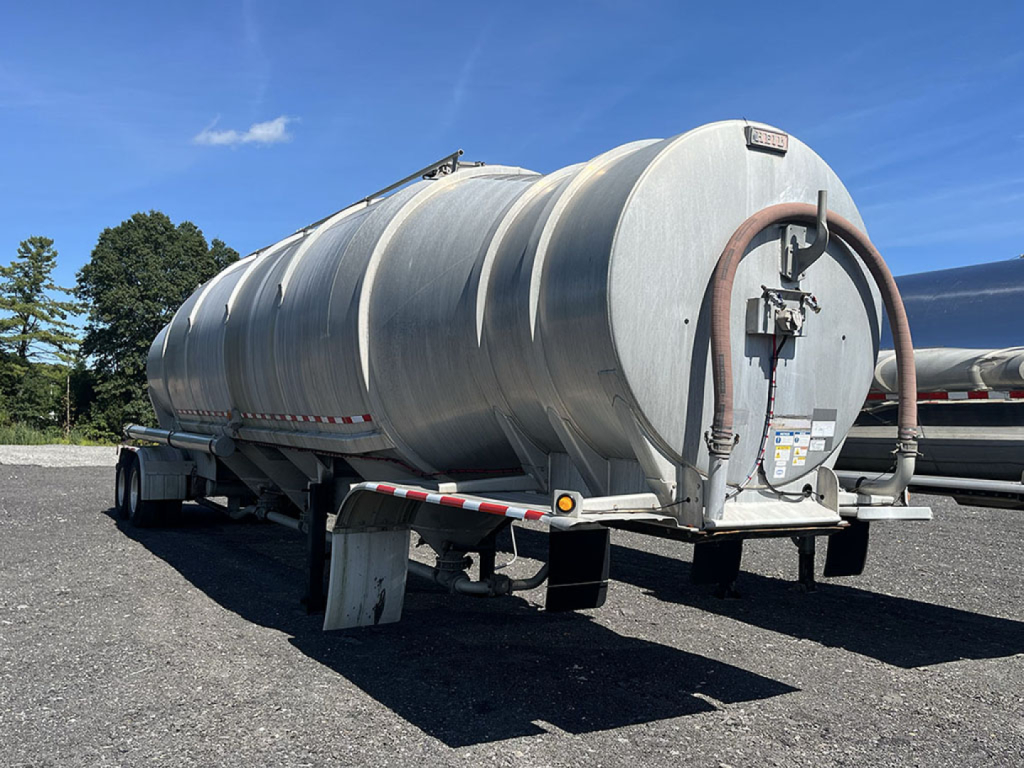

Have heil tank trailer to sell? List it here to reach thousands of buyers.
Heil Tank Trailers
For fuel service, Heil DOT 406 tank trailers are commonly spec'd in aluminum with multiple compartments, bottom loading, vapor recovery, overfill systems, API valves, emergency shutoffs, and adjustable kingpin settings. Capacity often falls in the 8,500 to 9,500 gallon range, with compartment splits tailored to station delivery routes. Buyers should pay close attention to bulkhead design, optic overfill compatibility, emergency valve controls, hose tray and cabinet layout, and current compliance with the loading rack equipment used in their region. A double-taper barrel helps with drainage and center of gravity, while air ride suspension, aluminum wheels, and proper axle spacing matter for payload and maneuverability.
For chemical and specialty liquid service, Heil DOT 407 trailers are often found with stainless barrels, insulation, steam heat, in-transit heat, vapor recovery, and stainless discharge piping. Straight round designs remain common, especially in single-compartment setups around 6,000 to 7,500 gallons, though exact capacity depends on shell thickness, spec, and product density. Buyers should verify the barrel material, such as 316 stainless, along with prior commodity history, pressure test records, lining or insulation condition, and valve compatibility. A chemical tank trailer may look sound from the outside but still require significant work if the heating system, seals, or pressure components are overdue.
Heil pneumatic tank trailers are built for dry bulk service and are also referred to as dry bulk trailers or pneumatic tankers. Typical specs include aluminum construction, capacities around 1,000 to 1,600 cubic feet, one compartment, multiple hoppers, pressure manholes, and center or rear discharge. On these trailers, the important checks are blower compatibility, hopper slope, plumbing diameter, aeration system condition, discharge layout, and overall barrel integrity. Across all Heil tank trailer types, suspension, wheel-end spec, tire size, fender configuration, and frame material affect long-term operating cost. Buyers comparing listings should start with code and commodity, then narrow by capacity, unload method, and service history, because those factors usually determine day-to-day usefulness more than model year alone.
Frequently Asked Questions about Heil Tank Trailers
What types of Heil tank trailers are most common on the market?
The most common Heil tank trailers are DOT 406 fuel trailers, DOT 407 chemical trailers, and pneumatic dry bulk tankers. DOT 406 trailers are used for gasoline, diesel, and other refined petroleum products and usually have multiple compartments, bottom loading, and vapor recovery. DOT 407 trailers are built for chemical and specialty liquid service and are often equipped with stainless barrels, insulation, and heating systems. Pneumatic Heil tanks are used for dry bulk commodities such as cement, fly ash, lime, and plastic pellets, and they are typically rated by cubic feet rather than gallons.
How do I choose between an aluminum and stainless steel Heil tank trailer?
Aluminum is common for petroleum and many dry bulk applications because it keeps tare weight down and supports higher payload. Stainless steel is preferred for many chemical and corrosive liquid applications because of its product compatibility and durability under demanding service. The correct choice depends on the commodity, required code, cleaning process, and unloading system. Buyers should match barrel material to the intended product first, then consider payload, maintenance cost, and any shipper requirements.
What should I check first on a used Heil tank trailer?
Start with the trailer code, commodity history, and current certification status. After that, inspect the barrel condition, frame, suspension, brakes, wheel ends, tires, valves, discharge plumbing, manholes, and any overfill or vapor recovery equipment. On DOT-coded trailers, test records and compliance items can be just as important as the physical condition. On pneumatic tanks, pay close attention to hopper condition, leaks, plumbing wear, and the discharge setup because those directly affect unload performance.
What is a typical capacity range for Heil tank trailers?
Capacity depends on the trailer type and commodity. Heil fuel trailers commonly run in the 8,500 to 9,500 gallon range, with multiple compartments for route delivery. Heil chemical trailers are often seen around 6,000 to 7,500 gallons, depending on shell design, insulation, and required spec. Heil pneumatic dry bulk trailers are generally measured in cubic feet and often fall between about 1,000 and 1,600 cubic feet. Legal payload will depend on product weight, axle spacing, and local bridge laws.
Why do compartment layout and unloading equipment matter so much on a tank trailer?
Compartment layout determines how efficiently the trailer fits the work. A fuel hauler making retail deliveries may need a specific split to handle multiple grades and stop volumes without carrying unusable leftover product. Unloading equipment matters because it has to match the terminal, customer site, and commodity. API valves, vapor recovery, bottom load hardware, pressure relief components, rear discharge plumbing, and pneumatic hopper setup all affect how quickly and safely the trailer can be loaded and unloaded.