
Utility Reefer Trailers For Sale in Colorado
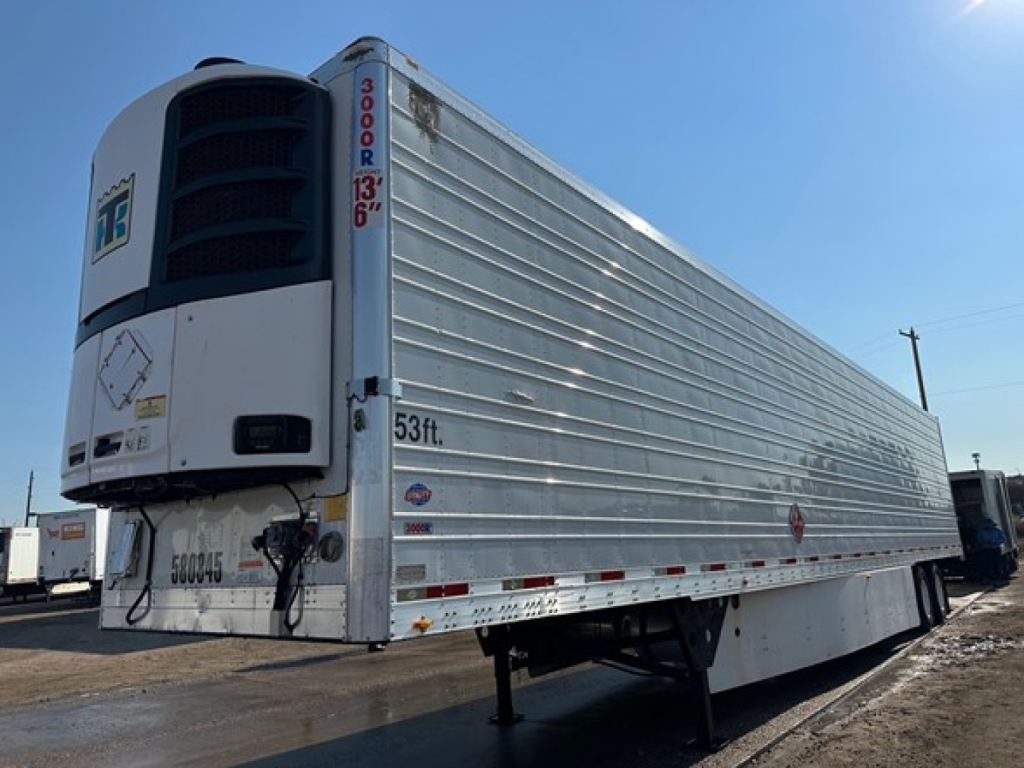
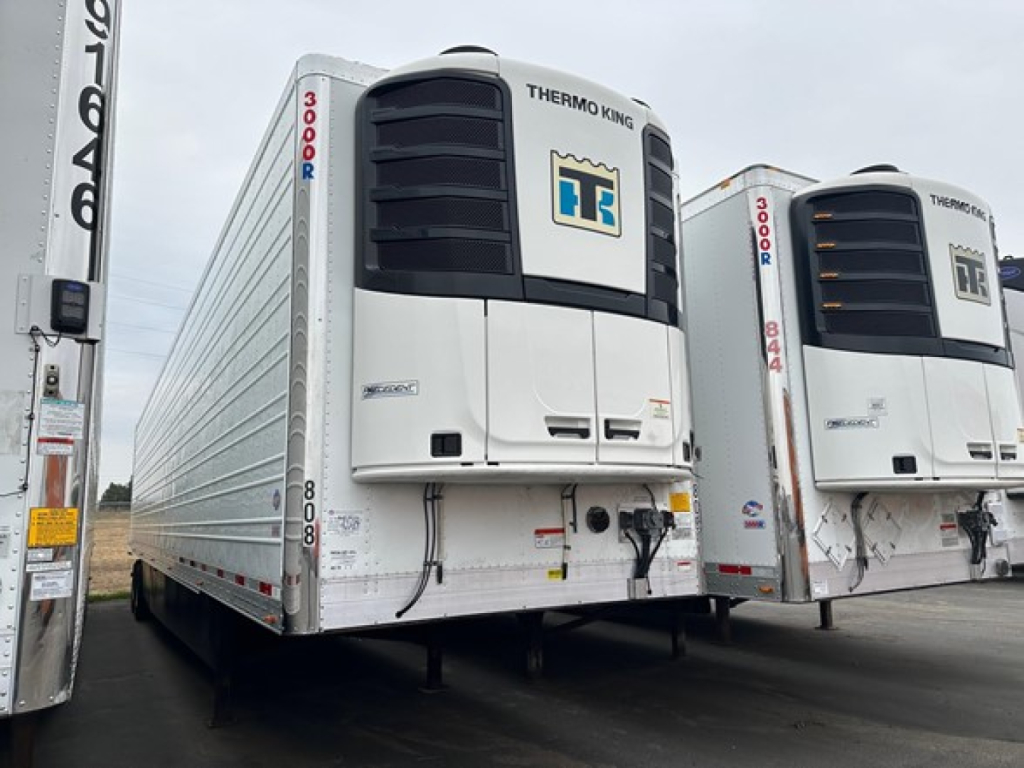
Shop Utility reefer trailers for sale in Colorado. Compare 3000R specs, reefer units, suspension, floors, doors, and fleet-ready options.
Learn more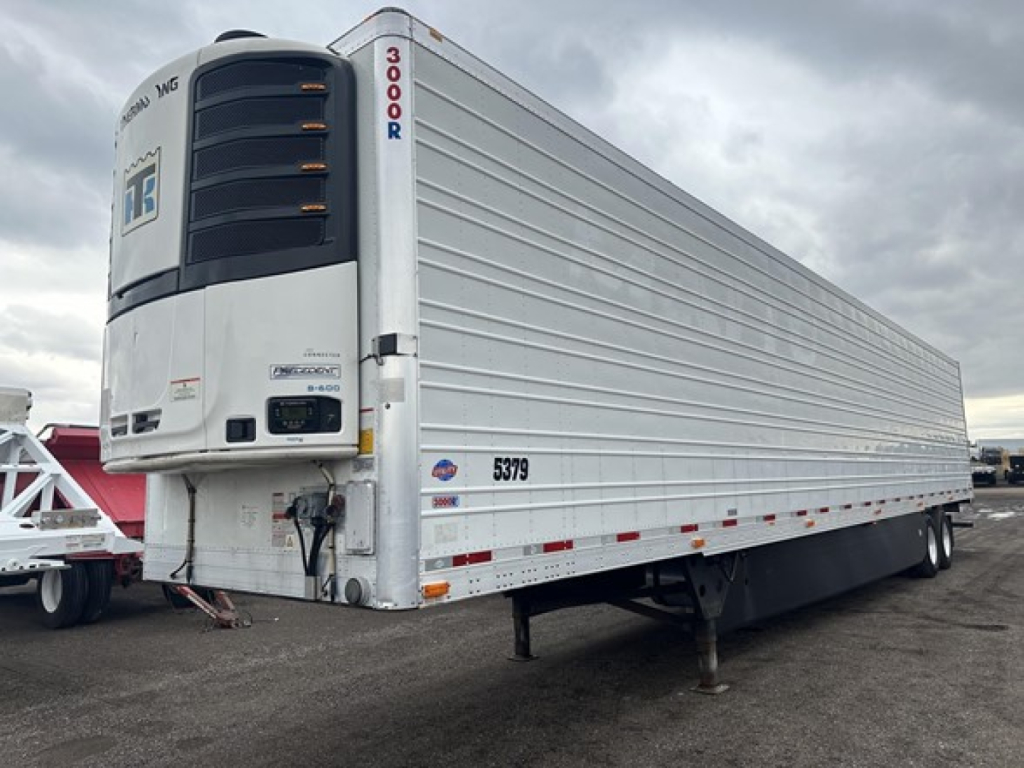
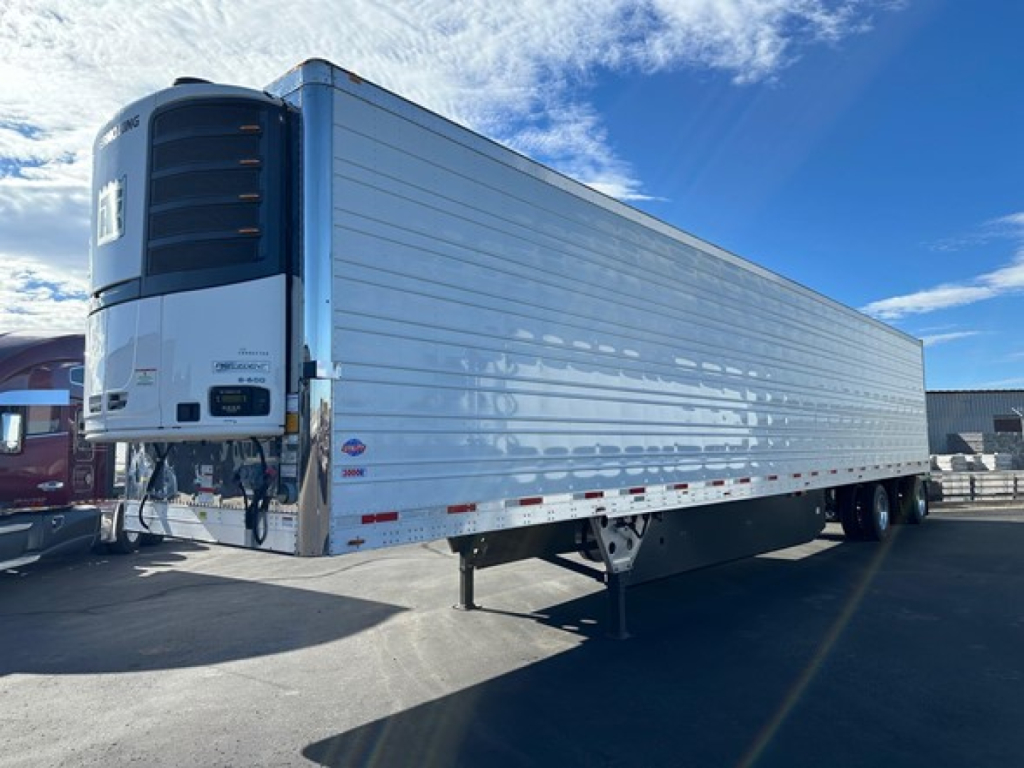
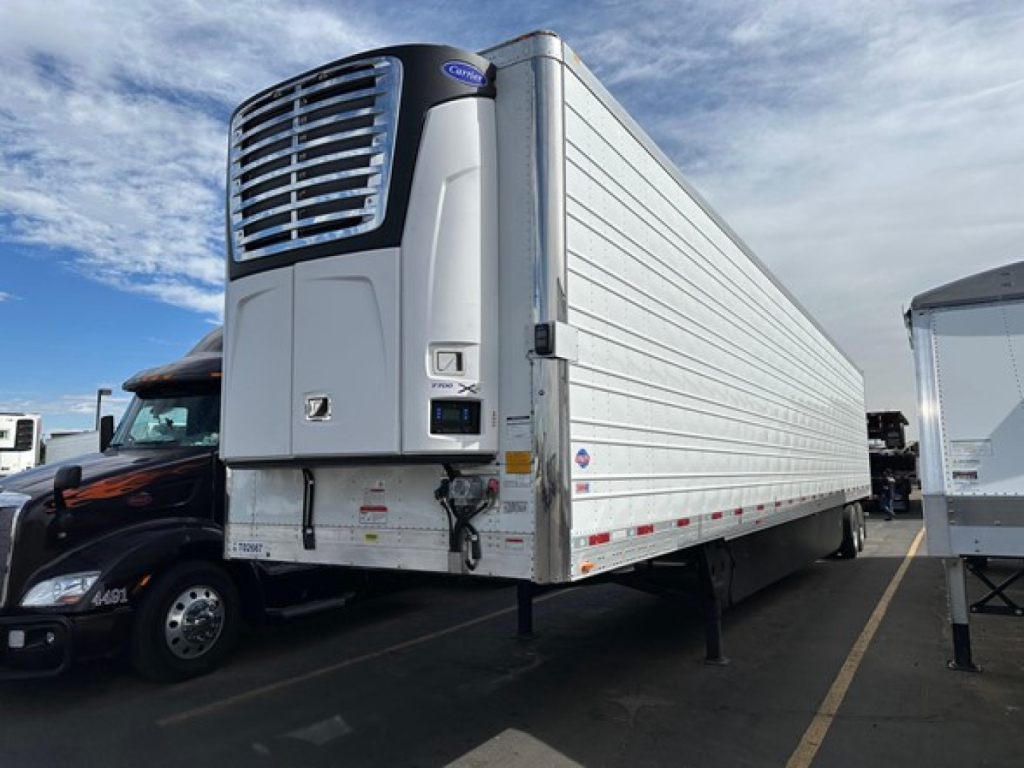
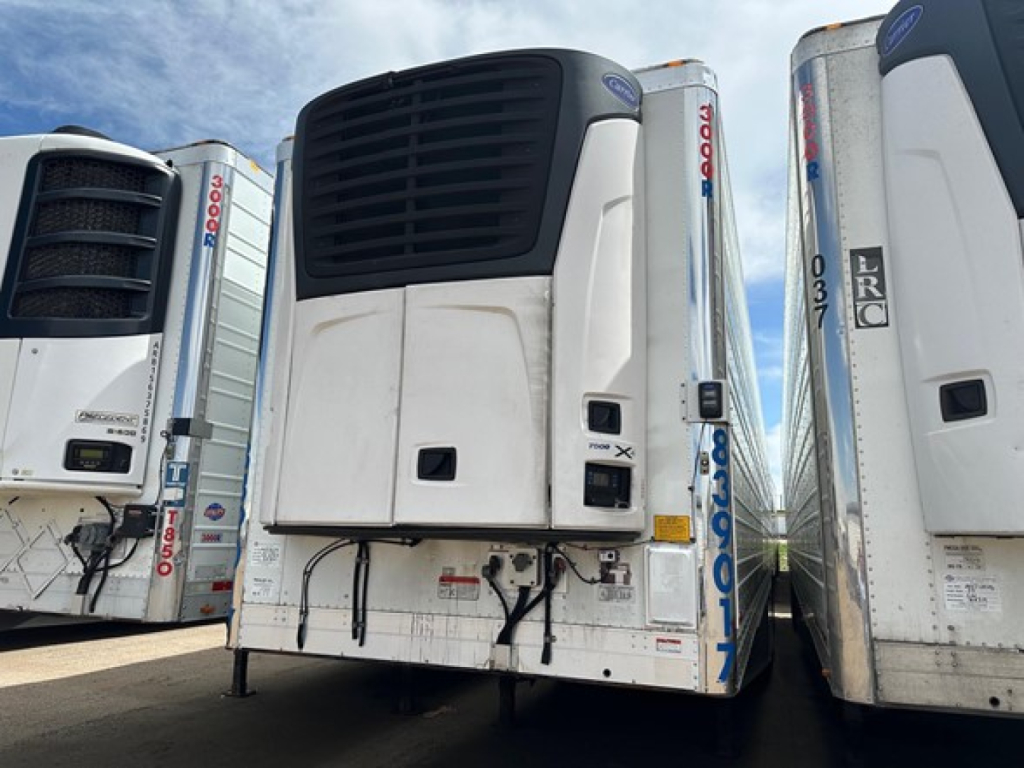
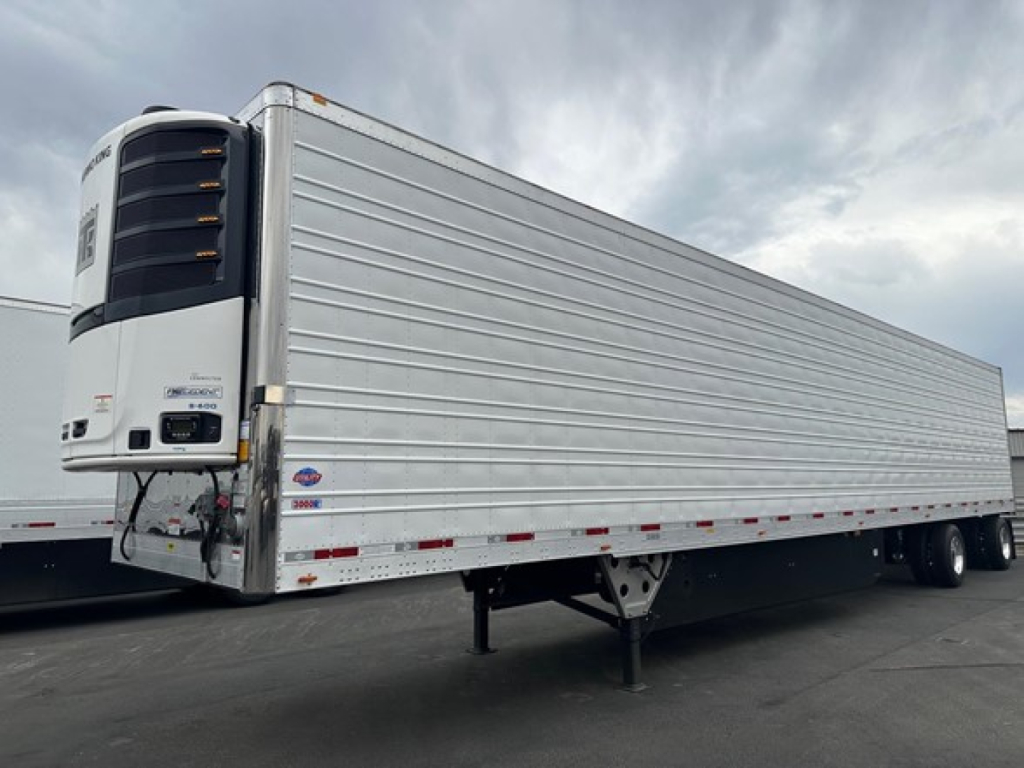
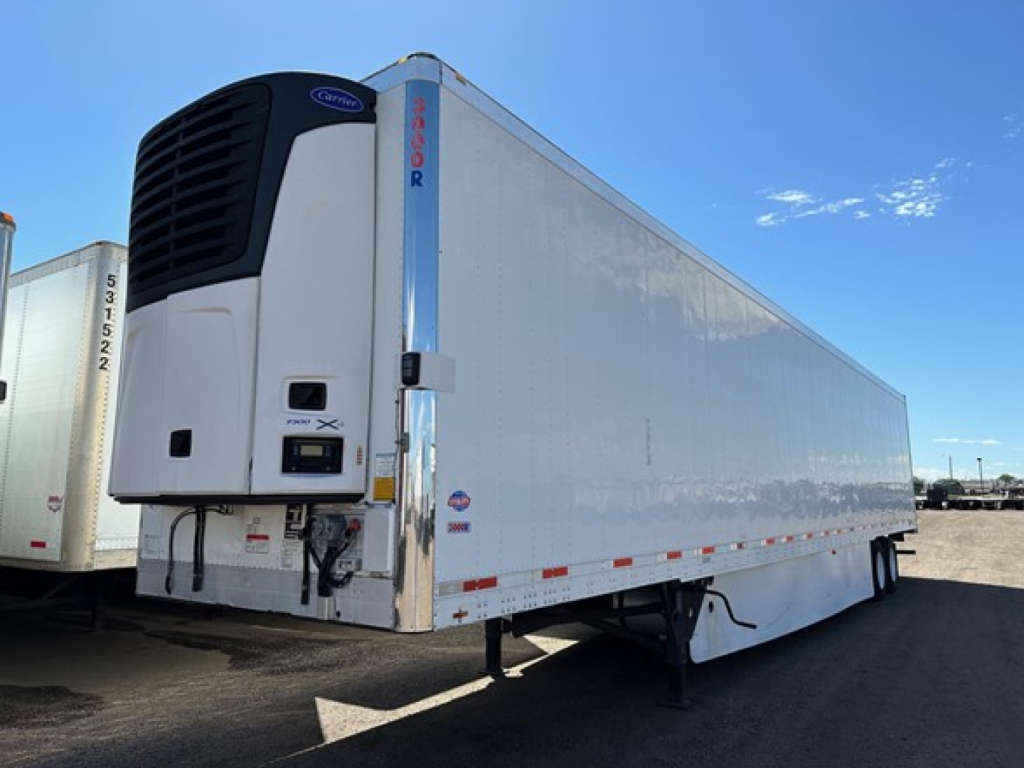
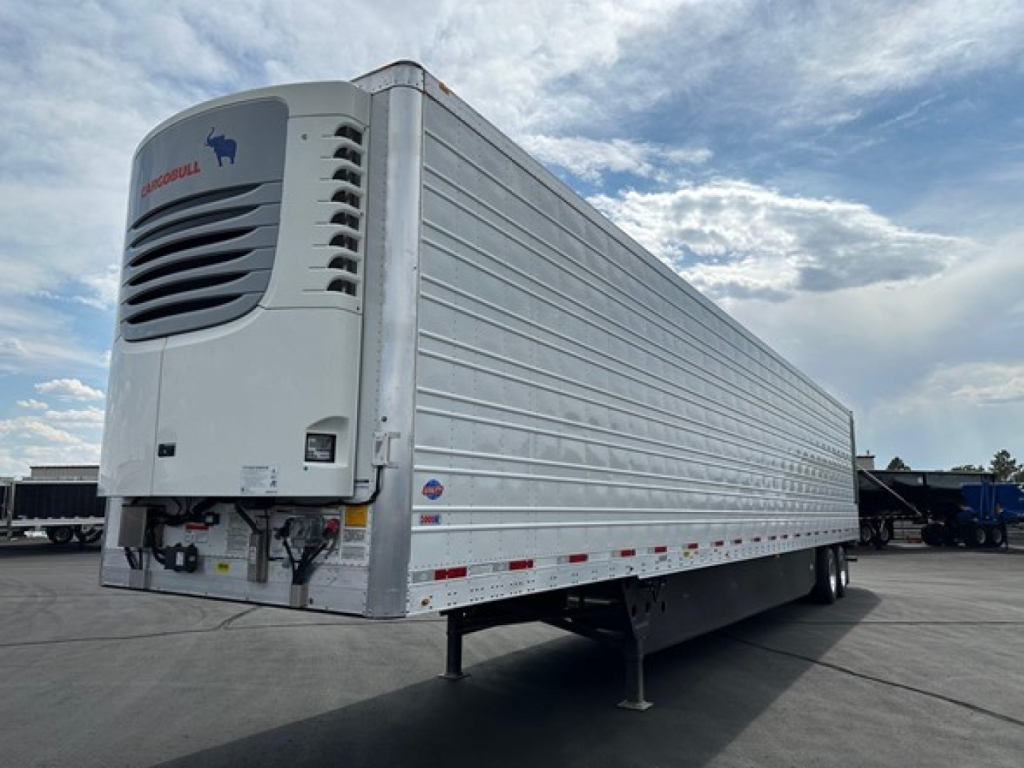
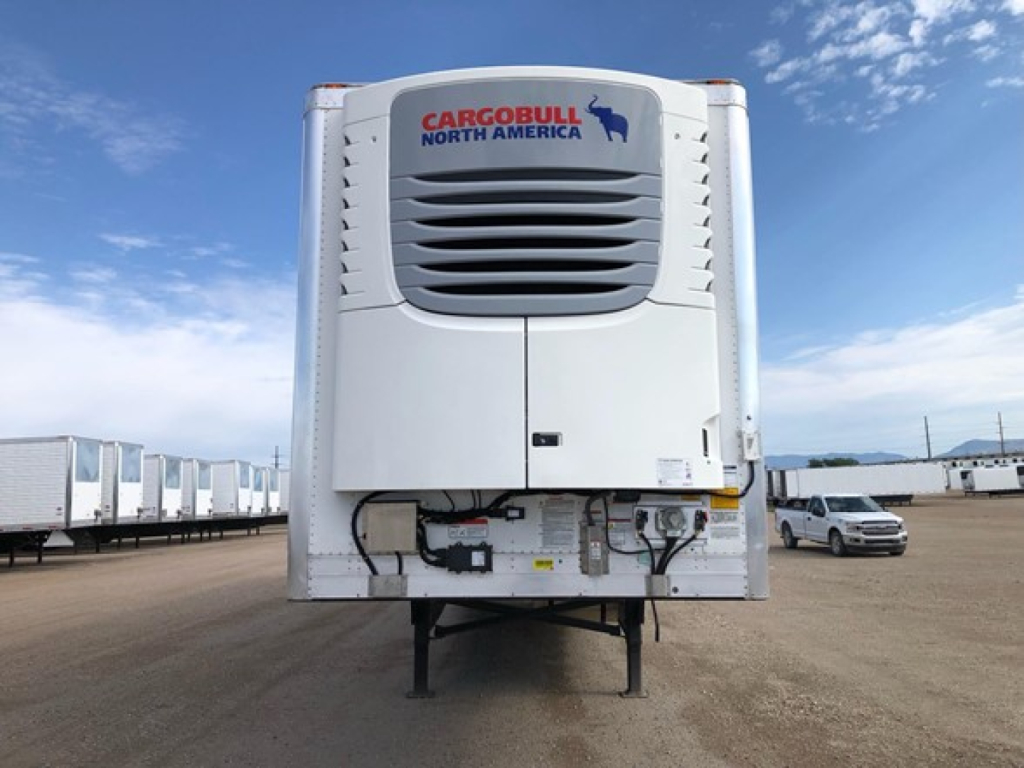
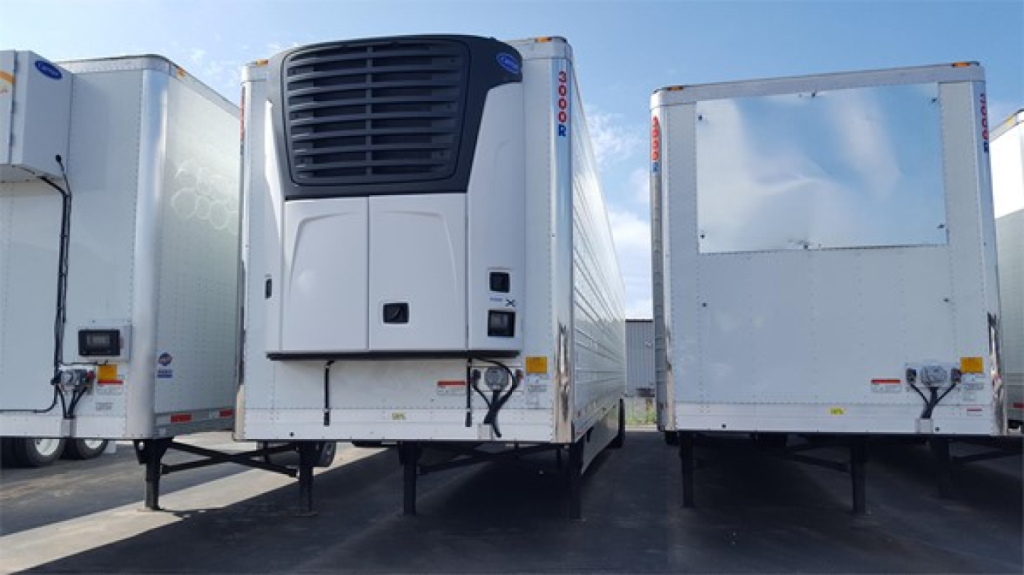
Showing 13 to 24 of 28 results
Have utility reefer trailer to sell? List it here to reach thousands of buyers.
About Utility Reefer Trailers in Colorado
Construction details make a real difference in long-term operating cost. Utility reefers are often spec'd with aluminum duct floors for consistent airflow under pallets, wearbands to protect the lower sidewall area from forklift impact, and stainless steel front corners or rear frames for better corrosion resistance. Buyers should also compare smooth side panels versus corrugated panels, interior liner condition, rear vent configuration, and quilted stainless rear swing doors. A clean interior with solid insulation value, tight door seals, and minimal wall damage is critical on any reefer because air leaks and damaged liners can force the refrigeration unit to work harder and drive up fuel consumption.
Running gear and trailer spec should match the freight mix and loading environment. Common Utility reefer configurations include Hendrickson air ride, sliding tandems with air-operated slider pins, anti-dock-walk systems such as Surelok, 22.5 low-profile tires, and a mix of outside aluminum and inside steel wheels. Tire inflation systems, disc brakes, side skirts, LED light packages, and closed tandem layouts are also frequently seen. For fleet buyers, those details affect uptime, maintenance intervals, and driver acceptance. For owner-operators, they also affect tare weight, ease of docking, and resale appeal. Door protector plates, mudflap hanger design, ICC bumper condition, and rear frame wear are worth a close look on used trailers that have spent time in heavy dock service.
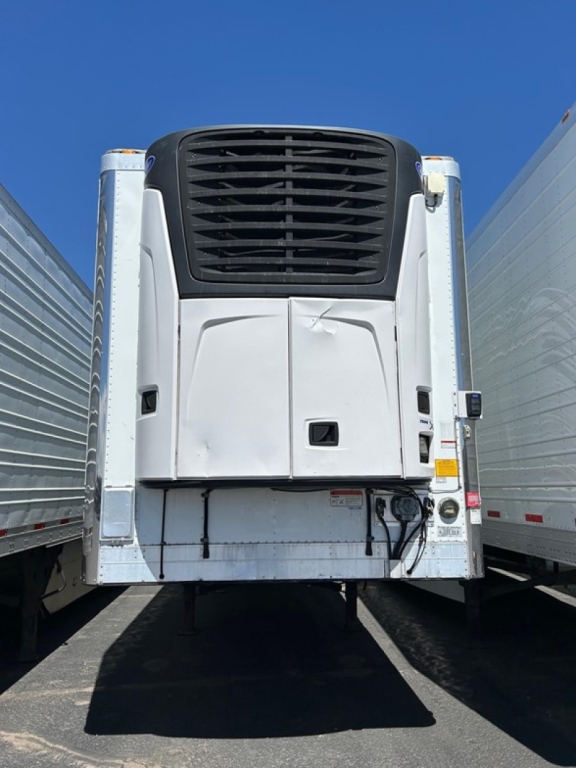
A good Utility reefer trailer should be evaluated as a refrigerated system, not just a box on wheels. Look at reefer hours, pre-trip results, return-air and discharge-air performance, floor condition, chute condition, suspension wear, and how well the trailer holds setpoint under load. California-compliant units may matter if western freight is part of the plan, and a documented maintenance record adds real value on late-model equipment. For buyers comparing multiple listings, the best fit usually comes down to the refrigeration unit, insulation integrity, floor and door condition, and the suspension and brake package that best supports the lanes the trailer will actually run.
Frequently Asked Questions
What should I check first on a used Utility reefer trailer?
Start with the refrigeration unit, its total hours, emissions status, and maintenance history. Then inspect the insulated body for interior liner damage, floor wear, door seal condition, and any signs the trailer is not holding temperature efficiently. A reefer trailer with a strong unit but poor insulation or leaking doors can cost more to operate than a higher-priced trailer with a healthier box.
What is the most common Utility reefer trailer configuration?
The most common setup is a Utility 3000R in a 53-foot by 102-inch high-cube configuration with swing doors, aluminum duct floor, sliding tandems, and air ride suspension. Many are equipped with Thermo King or Carrier diesel-powered reefer units, 22.5 low-profile tires, and fleet-focused options such as side skirts, anti-dock-walk devices, tire inflation systems, and LED lighting.
Are Utility reefer trailers good for Colorado operations?
Yes, but the refrigeration unit and overall trailer condition matter more than the badge alone. Colorado routes can mean elevation changes, winter weather, and long temperature-control cycles, so buyers should pay attention to reefer pull-down performance, insulation integrity, and suspension condition. A well-maintained Utility reefer with a healthy unit is a practical fit for Front Range distribution, regional grocery freight, and longer western lanes.
What is the difference between corrugated and smooth side panels on a reefer trailer?
Corrugated panels can offer added exterior rigidity and are common on fleet-spec trailers, while smooth panels are often preferred for appearance and graphics. From a buyer's standpoint, panel condition matters more than style. Look for repairs, delamination, punctures, and evidence of sidewall damage that could affect insulation performance or structural integrity.
Do reefer unit hours matter more than trailer age?
In many cases, yes. Trailer age matters for overall wear, but reefer unit hours are a major indicator of engine use, service needs, and possible component replacement timing. A newer trailer with very high unit hours may need more near-term reefer work than an older trailer with lower hours and documented maintenance, so both should be evaluated together.