
New Utility Reefer Trailers For Sale
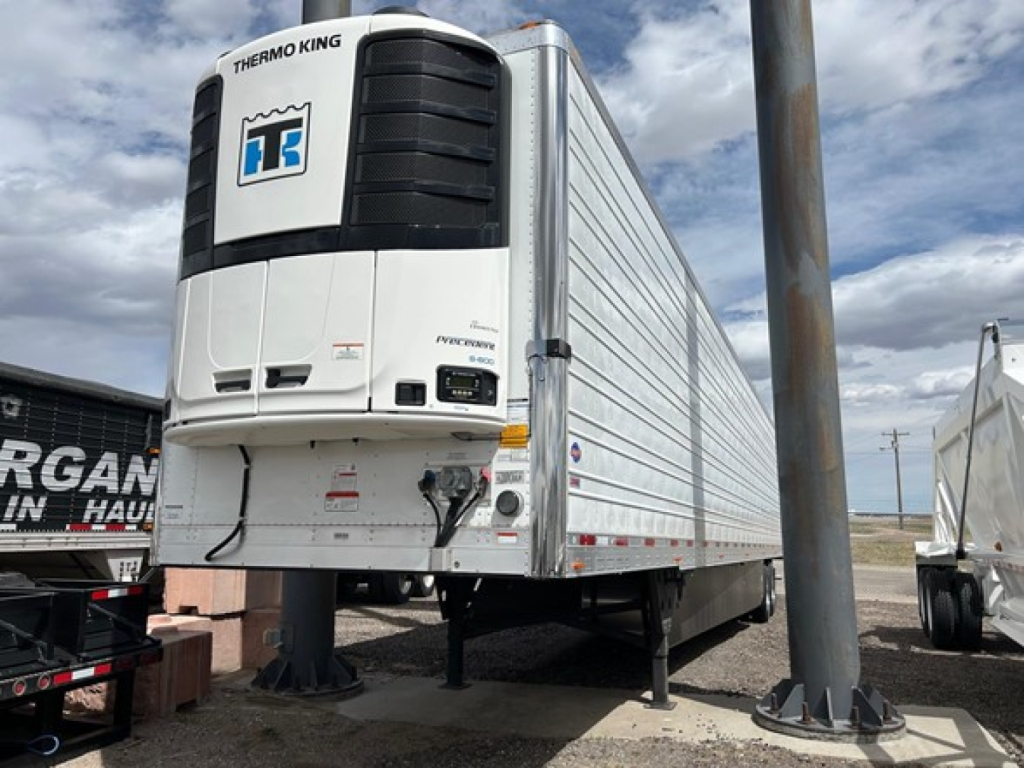
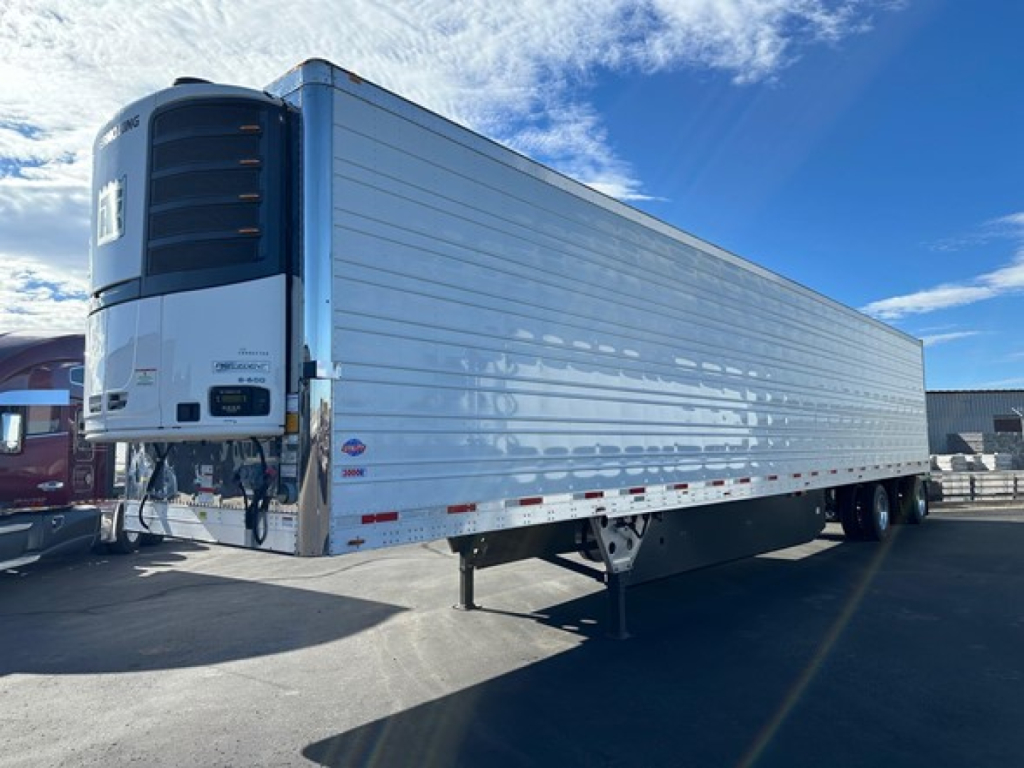
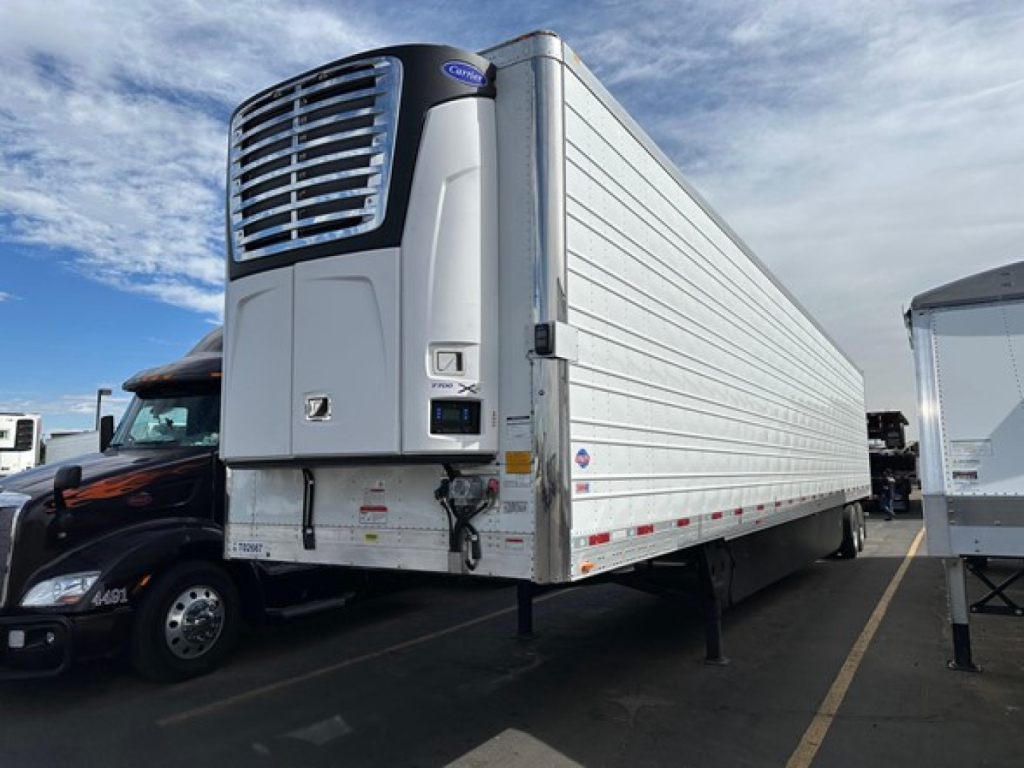
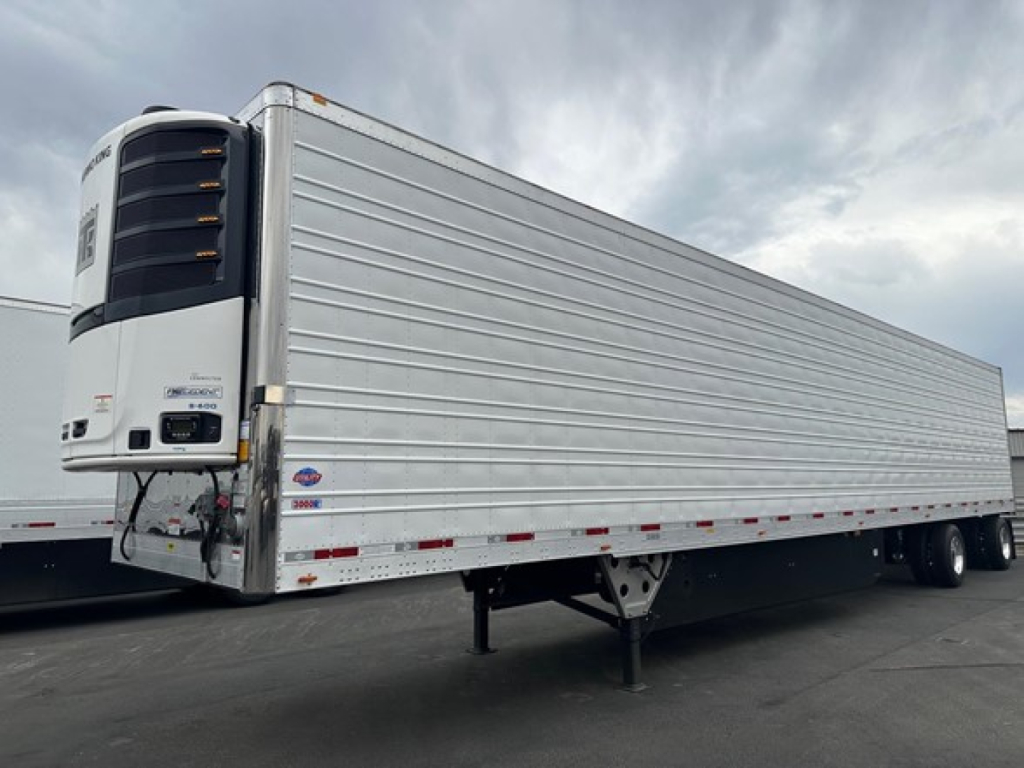
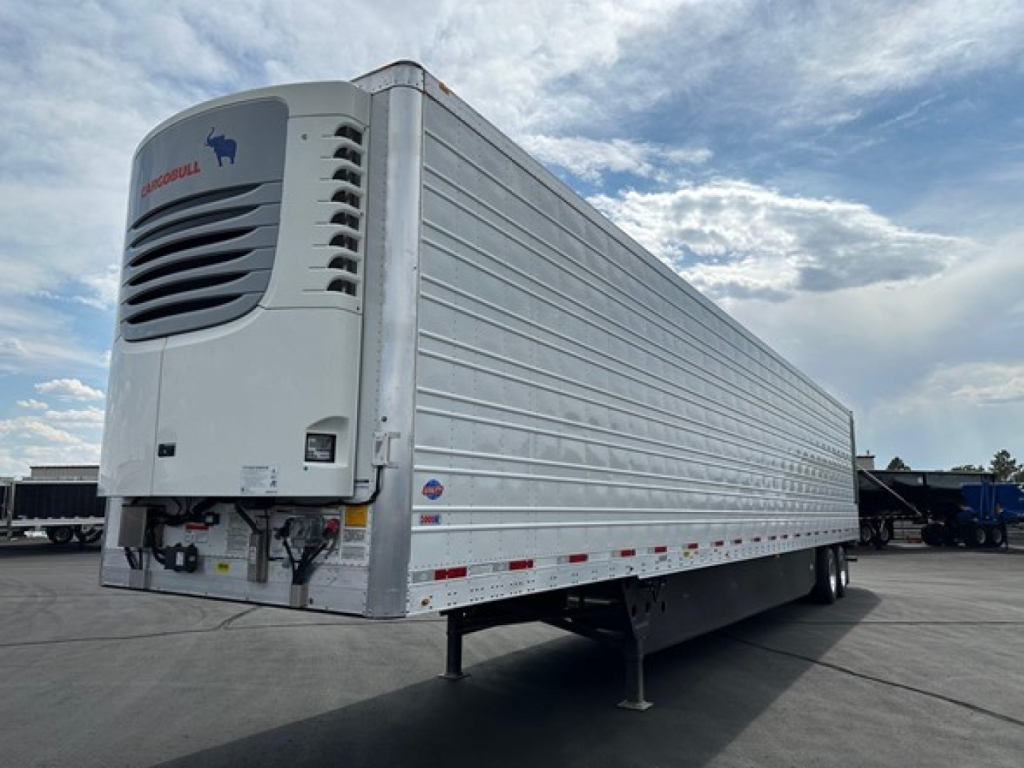
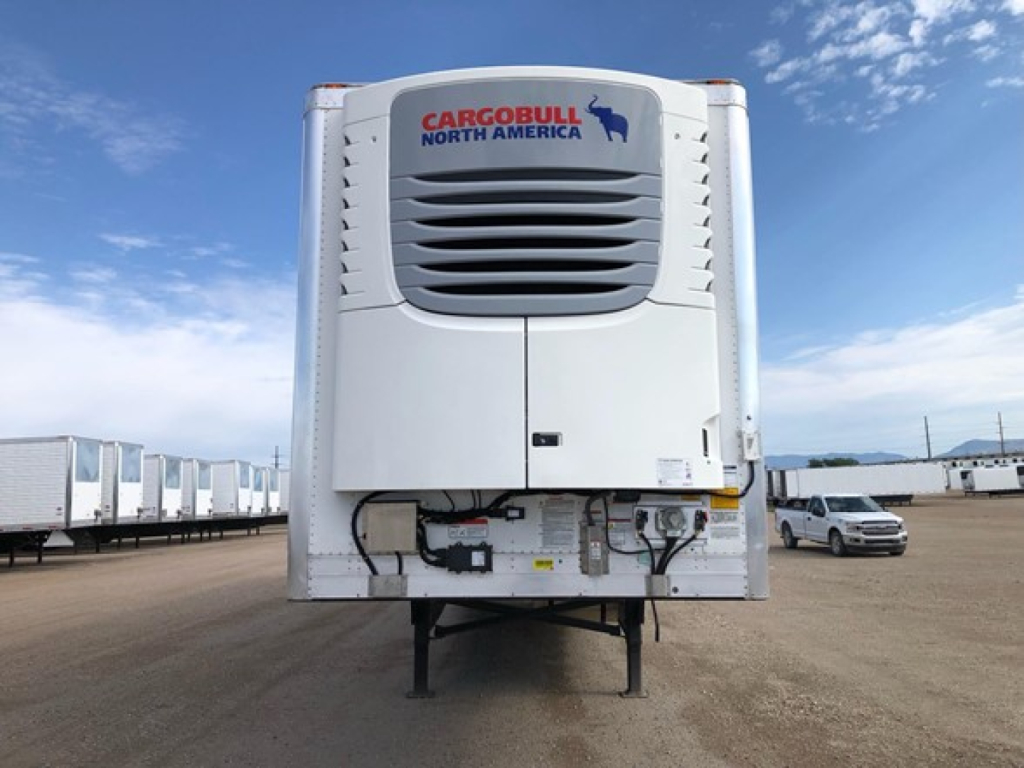
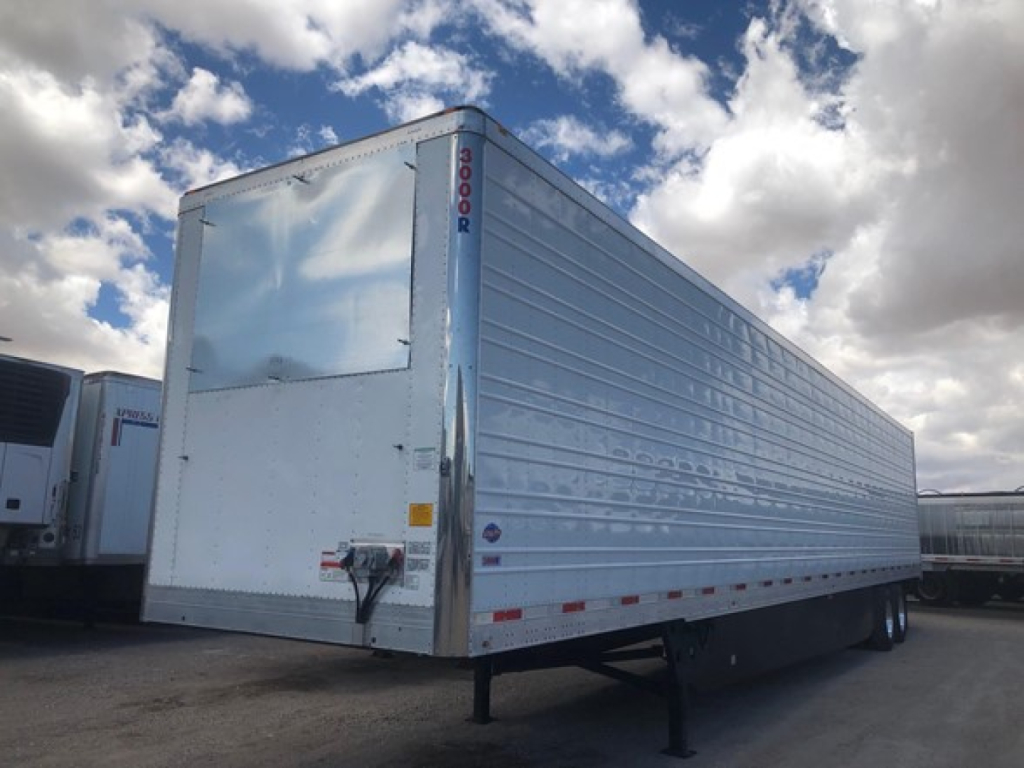
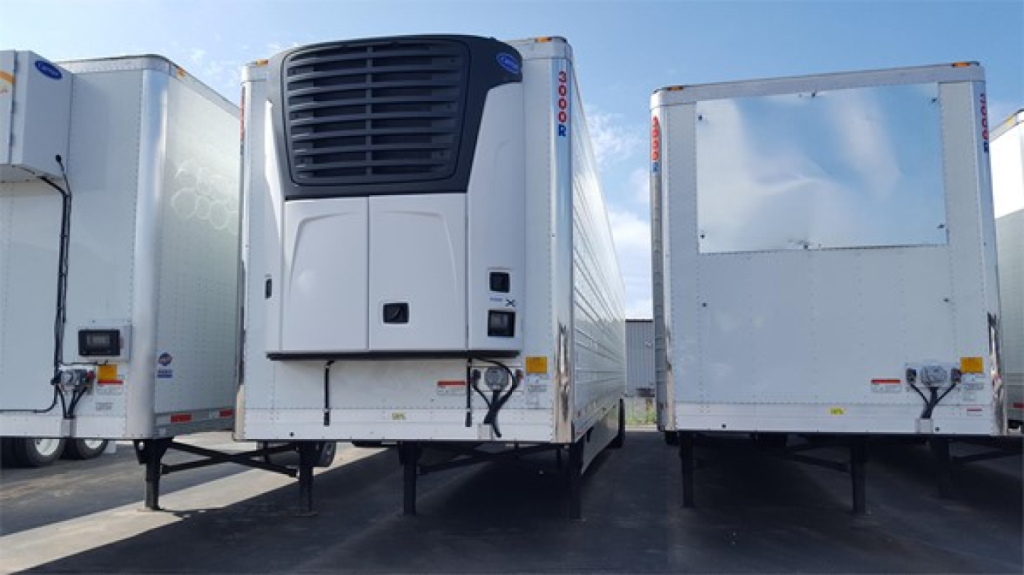
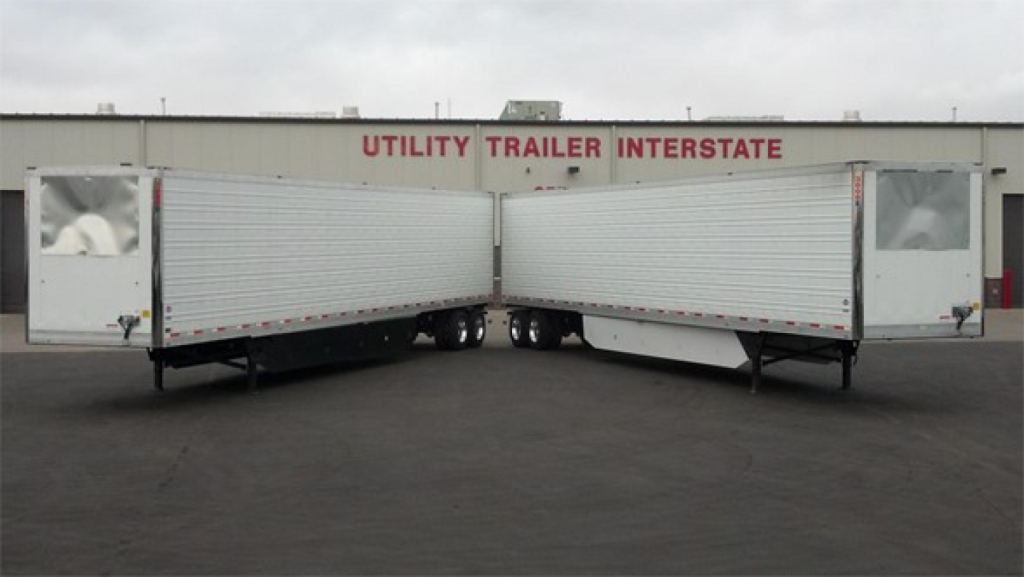
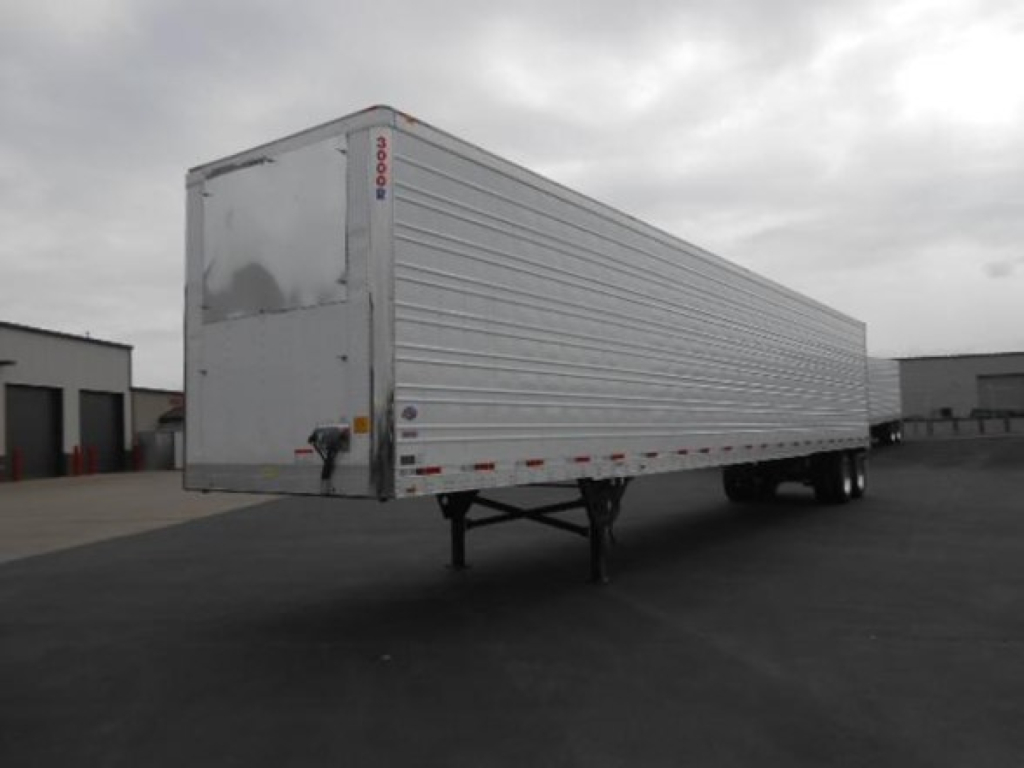
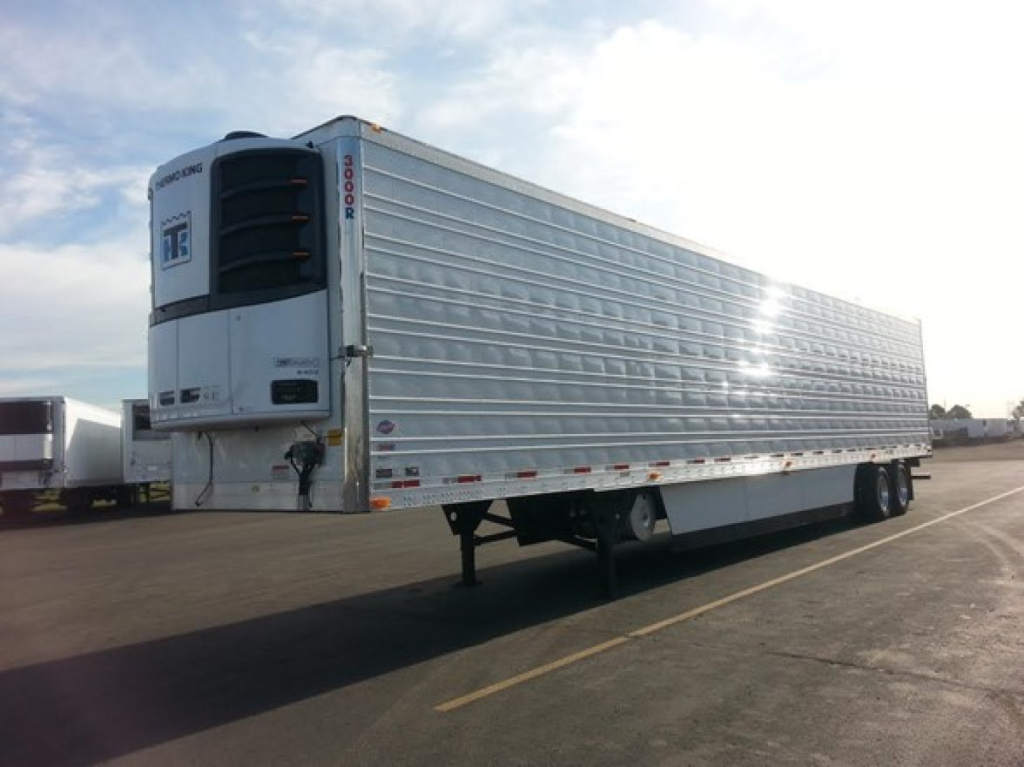
Shop new Utility reefer trailers, including 3000R specs, insulation, flooring, suspension, and refrigeration features for cold-chain hauling.
Learn more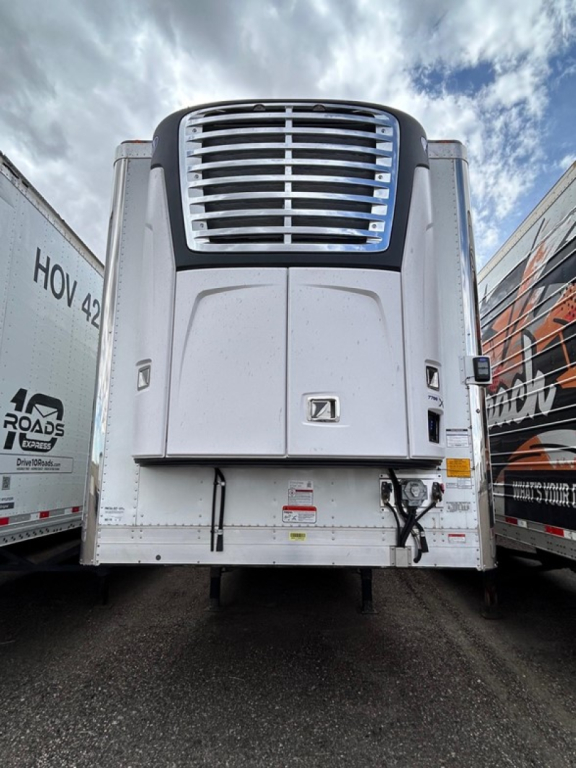
Showing 1 to 12 of 13 results
Have new utility reefer trailer to sell? List it here to reach thousands of buyers.
About New Utility Reefer Trailers
A new Utility reefer is often equipped with features designed for multi-stop distribution and linehaul use, including corrugated side panels, stainless steel front corners, quilted stainless rear swing doors, and heavy-duty aluminum duct floors. Interior details matter on this category. A duct floor helps maintain front-to-rear airflow under the load, while a wearband, scuff protection, and interior liner help manage forklift traffic and pallet contact. Rear vents, chutes, and door protector plates are common on food-service and produce specs. Many buyers also look for side skirts, which can improve fuel economy on long regional and over-the-road lanes.
Running gear and dock hardware are just as important as the box. Hendrickson air ride suspensions are common on new Utility refrigerated trailers, often paired with slider tandems, air-operated slider pins, anti-dock-walk systems, and tire inflation systems such as Tire-Maxx Pro. These features help with axle positioning, trailer stability at the dock, and tire life across high-mileage operations. Wheel and tire specs often include 22.5 low-profile rubber with a mix of aluminum outer and steel inner wheels, balancing appearance, weight, and cost. Closed tandem layouts may also appear depending on bridge law, lane profile, and fleet preference.
For buyers comparing new Utility reefer trailers, the key questions are straightforward: what temperature range the unit must hold, how often the trailer will be loaded and unloaded, what kind of pallet or forklift abuse the interior will see, and how important weight savings are versus repair simplicity. Refrigeration units from major suppliers such as Carrier are commonly spec’d, including California-compliant packages for fleets running strict emissions jurisdictions. A well-matched Utility reefer trailer should give you consistent temperature integrity, durable dock performance, and a trailer spec that fits your freight mix instead of forcing compromises after delivery.
Frequently Asked Questions
What is the most common configuration for a new Utility reefer trailer?
The most common setup is a 53-foot by 102-inch refrigerated van, often based on the Utility 3000R platform. Typical specs include a duct floor for airflow, rear swing doors, air ride suspension, slider tandems, 22.5 low-profile tires, and a diesel-powered refrigeration unit from a major supplier such as Carrier. Many trailers are also ordered with side skirts, stainless front corners, and interior wear protection for food-grade freight and repeated dock use.
Why does floor design matter on a reefer trailer?
Floor design is critical because refrigerated freight depends on consistent airflow as much as insulation and cooling capacity. A heavy-duty aluminum duct floor helps move cold air from the front of the trailer to the rear and under the load, which improves temperature consistency across the box. Buyers hauling dense palletized freight, frozen product, or multi-stop loads should pay close attention to floor condition, duct design, and wearband protection because forklift traffic can shorten service life if the trailer is under-spec'd.
What suspension and axle features should buyers look for on a new reefer?
Air ride suspension is the standard choice for most reefer applications because it protects sensitive cargo and improves ride quality. Slider tandems with air-operated pins make axle adjustment faster and easier, especially in fleets that regularly manage bridge laws and dock positioning. Anti-dock-walk systems add safety during loading, and automatic tire inflation systems can reduce irregular wear, roadside tire failures, and maintenance downtime on high-mileage routes.
Are Utility reefer trailers suitable for California and other emissions-regulated states?
Yes, many new Utility reefer trailers are spec'd with refrigeration units designed to meet California requirements and other strict emissions rules. Buyers should verify the exact refrigeration unit model, emissions certification, and compliance status for the states and air quality districts where the trailer will operate. This is especially important for fleets running produce, grocery, or distribution lanes into California, where reefer unit compliance can affect registration, access, and operating flexibility.
What cargo applications are best suited for a Utility 3000R reefer?
Utility 3000R reefer trailers are commonly used for frozen foods, chilled grocery freight, produce, dairy, meat, beverage products, and other temperature-sensitive cargo. They fit both regional delivery and long-haul cold-chain operations, especially when the trailer is spec'd for the freight profile. Multi-stop grocery and food-service work usually benefits from durable rear doors, interior protection, and strong airflow management, while long-haul lanes often place more emphasis on fuel-saving aerodynamics, tire systems, and lightweight component choices.