
Reefer Trailers For Sale in Mississippi
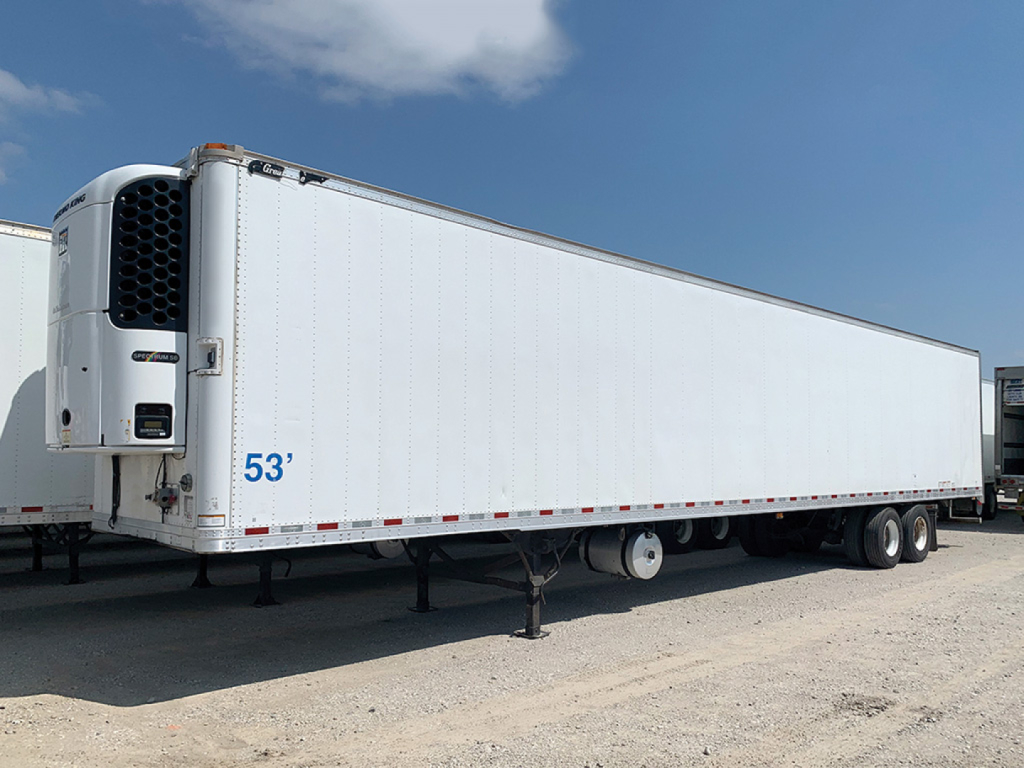
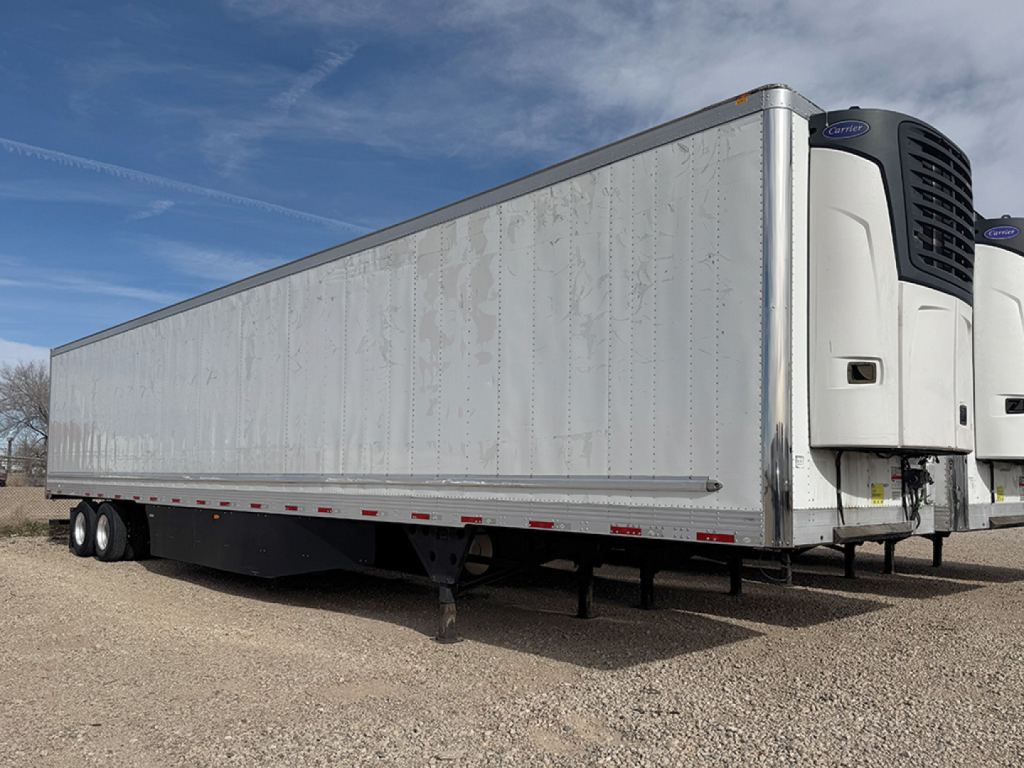
Browse reefer trailers for sale in Mississippi, including 53-foot refrigerated trailers with air ride, sliding tandems, and Thermo King or Carrier units.
Learn moreBrowse Reefer Trailers by Make

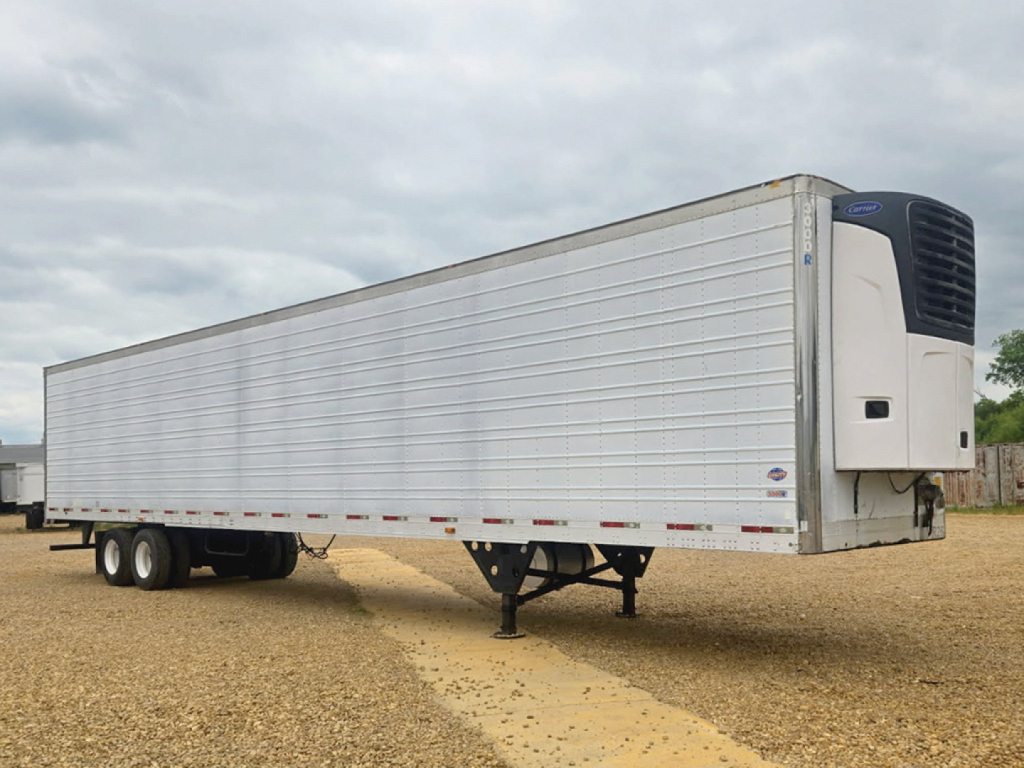
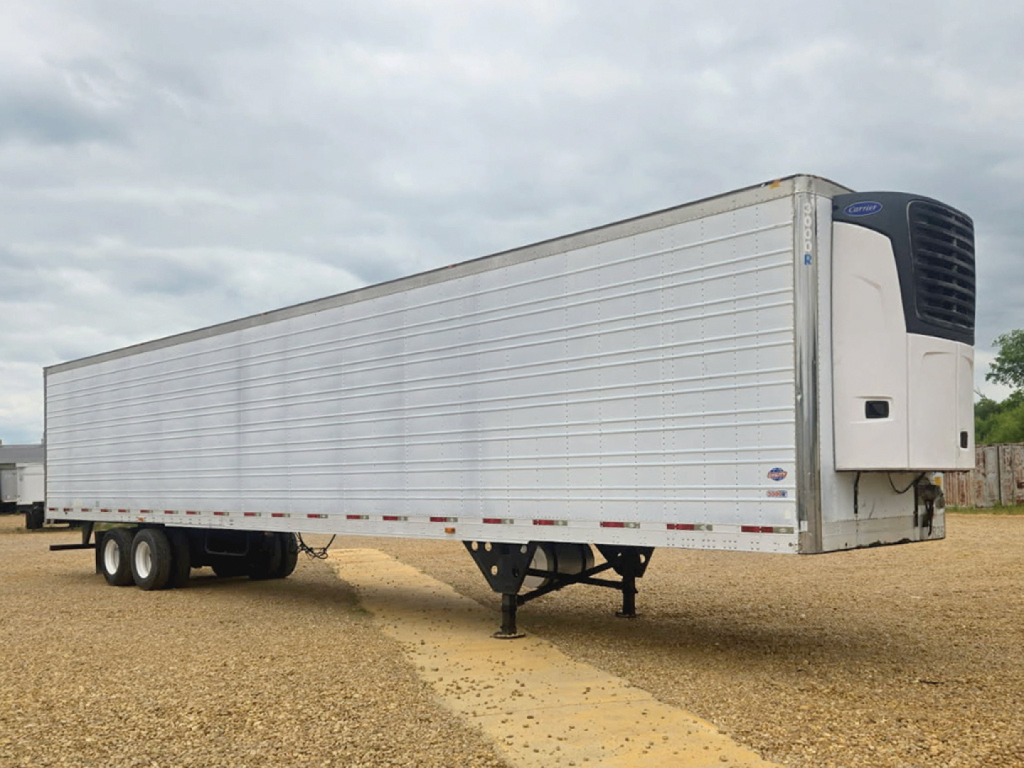
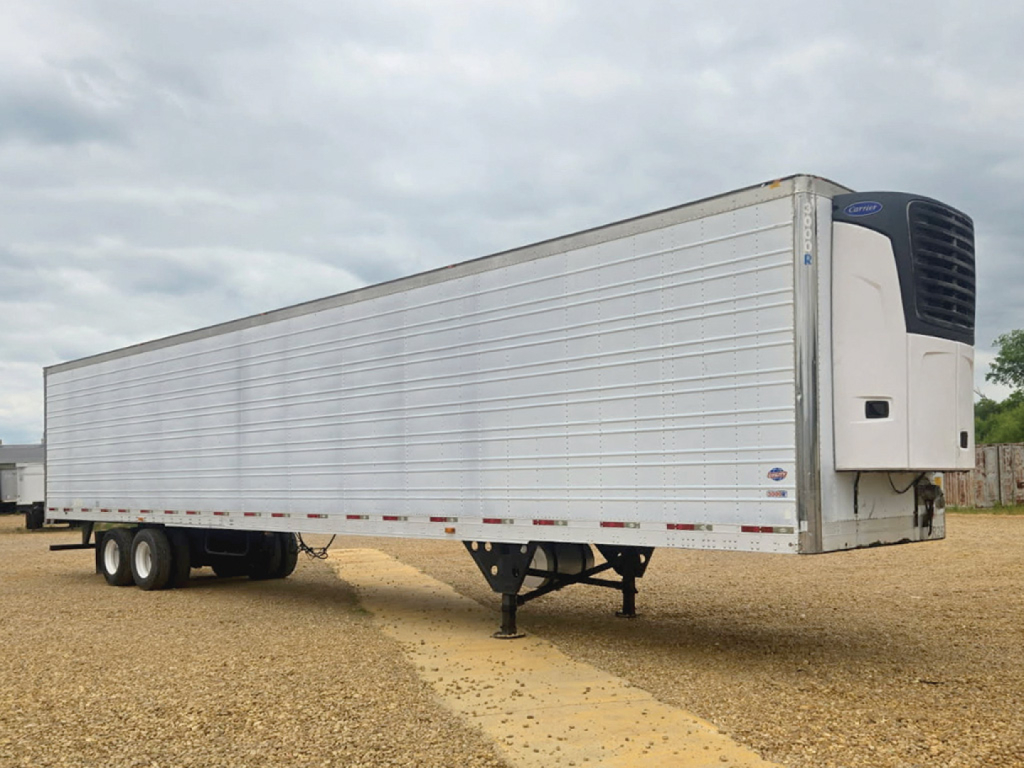
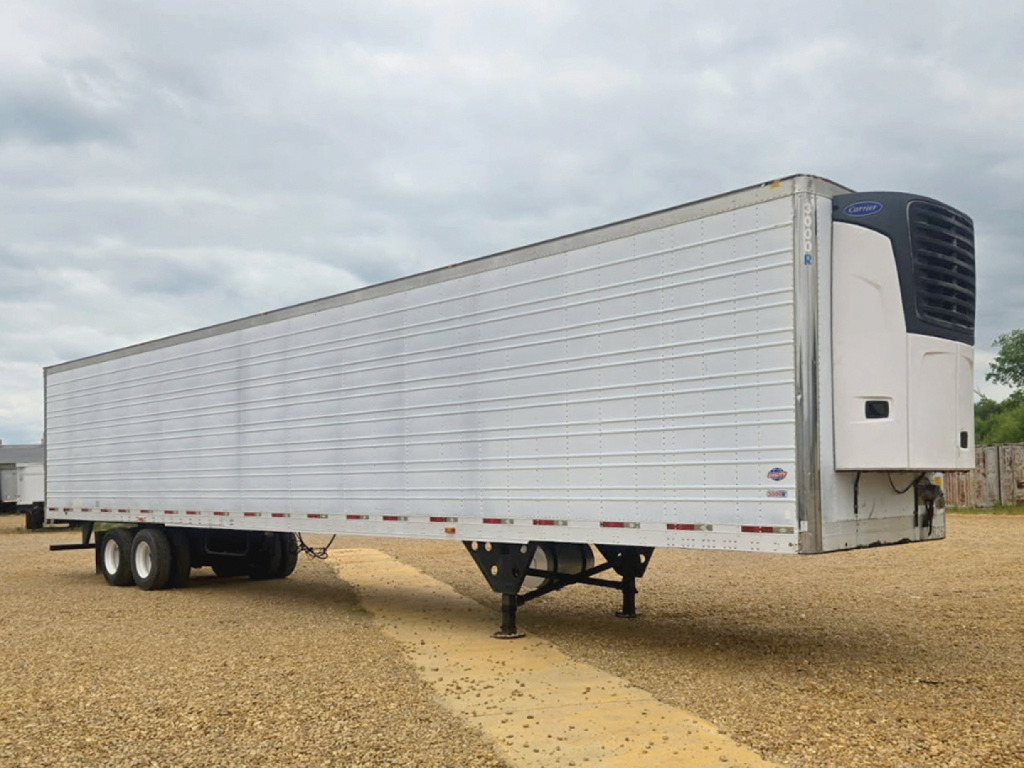
Have reefer trailer to sell? List it here to reach thousands of buyers.
About Reefer Trailers in Mississippi
Thermo King and Carrier units dominate the reefer market, and both can be strong choices when maintenance records are solid. It is important to look beyond the trailer shell and verify reefer unit hours, whether the unit has been used mostly for continuous run or start-stop operation, and how well it holds set point under load. Interior configuration matters too. Many refrigerated trailers are equipped with aluminum duct floors to maintain airflow under pallets, cold chutes to improve front-to-rear air distribution, and scuff liners or scuff plates to protect the walls from forklift and pallet damage. Inside height is another key number, especially for high-cube freight, because it affects pallet clearance and usable cube.
Trailer structure and running gear deserve the same attention as the refrigeration package. Aluminum bodies are popular because they help control tare weight and resist corrosion. Stainless steel rear frames, front radius panels, and door hardware are common on higher-use trailers because these areas take the most abuse at docks. Swing doors remain standard for many fleets, while side skirts, tire inflation systems, disc brakes, and aluminum wheels can reduce maintenance or improve efficiency depending on the operation. Buyers should also check suspension condition, tandem slide function, floor wear, door seal integrity, and signs of moisture intrusion around the nose, sidewalls, and ceiling.
For Mississippi operations, reefer buyers often balance highway efficiency with dependable cooling performance in hot, humid weather. A trailer that works well on regional foodservice and grocery routes may need different specs than one running long-haul frozen freight. If the freight mix changes often, a clean interior, solid insulation, and strong air circulation become even more important. The best reefer trailer choice is usually the one with the right combination of unit reliability, structural condition, interior cube, and fleet-compatible specs rather than simply the newest model year.
Frequently Asked Questions
What should I check first when buying a used reefer trailer?
Start with the refrigeration unit, then move to the trailer body. Unit brand, engine hours, service records, alarm history, and pull-down performance are critical because the reefer unit is the most expensive and operationally sensitive part of the trailer. After that, inspect the floor, walls, roof, door seals, and insulation condition. A trailer can look clean outside and still have airflow problems, water intrusion, or interior damage that affects temperature control.
What size reefer trailer is most common?
The most common reefer trailer in over-the-road service is a 53-foot by 102-inch model. That size gives fleets strong pallet capacity and works well for grocery, frozen food, and general cold-chain freight. Many buyers also pay close attention to inside height because a high-cube reefer can improve payload flexibility for lighter but bulkier refrigerated freight.
Are Thermo King and Carrier reefer units both good options?
Yes. Thermo King and Carrier are the two major refrigeration unit brands in this market, and both are widely supported. The better choice usually comes down to local service access, parts availability, technician familiarity, and the maintenance history of the specific unit. A well-maintained unit from either brand is generally more valuable than a neglected unit with a preferred badge.
Why do duct floors and cold chutes matter on a reefer trailer?
Duct floors and cold chutes help manage airflow, which is essential in temperature-controlled freight. The duct floor allows cold air to move under the load, while the cold chute helps direct air from the unit down the length of the trailer. Without proper airflow, even a reefer unit that reaches set point can leave warm spots in the cargo area. That is especially important for multi-stop deliveries or dense palletized freight.
Is air ride and a sliding tandem important on a refrigerated trailer?
For many buyers, yes. Air ride helps protect sensitive loads and can reduce shock to packaged food or pharmaceutical freight. A sliding tandem gives more flexibility for bridge laws, axle spacing, and dock approach conditions. These are standard features on many fleet-spec 53-foot reefers because they improve both compliance and day-to-day usability.