
Great Dane Reefer Trailers For Sale in Nebraska
Browse Great Dane reefer trailers for sale, including 53-foot Everest SS and Super Seal models with TK or Carrier units, air ride, and sliding tandems.
Learn moreNo exact matches found for your search
Showing Great Dane Reefer Trailers instead.

2006 Great Dane Aluminum Reefer
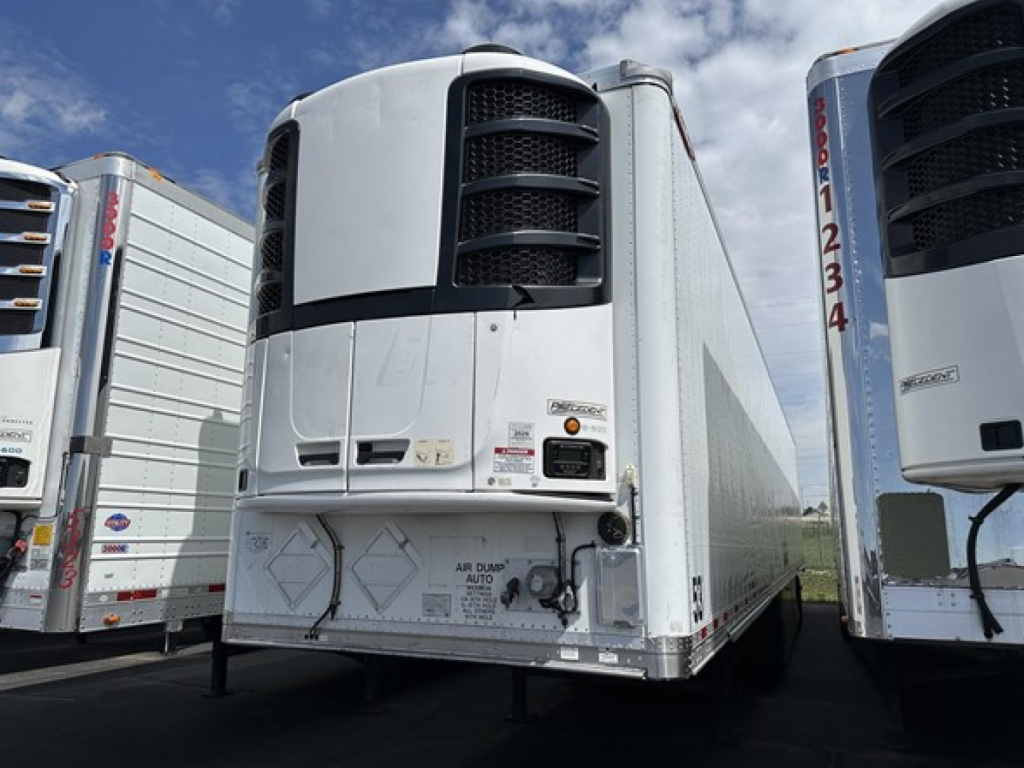
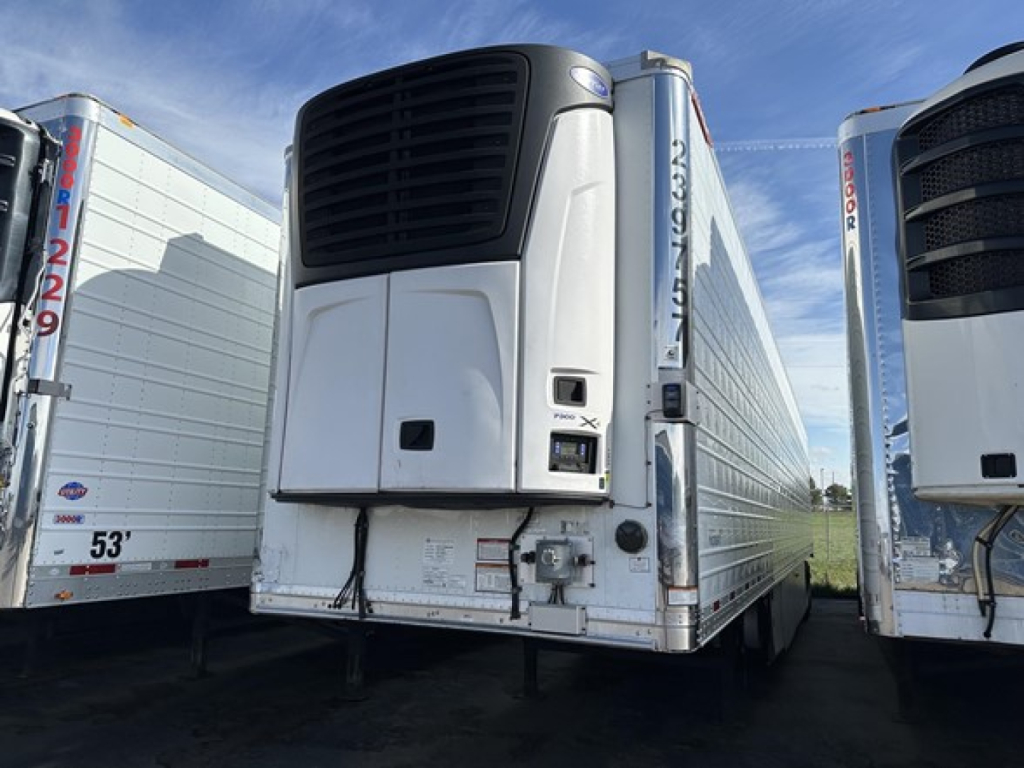
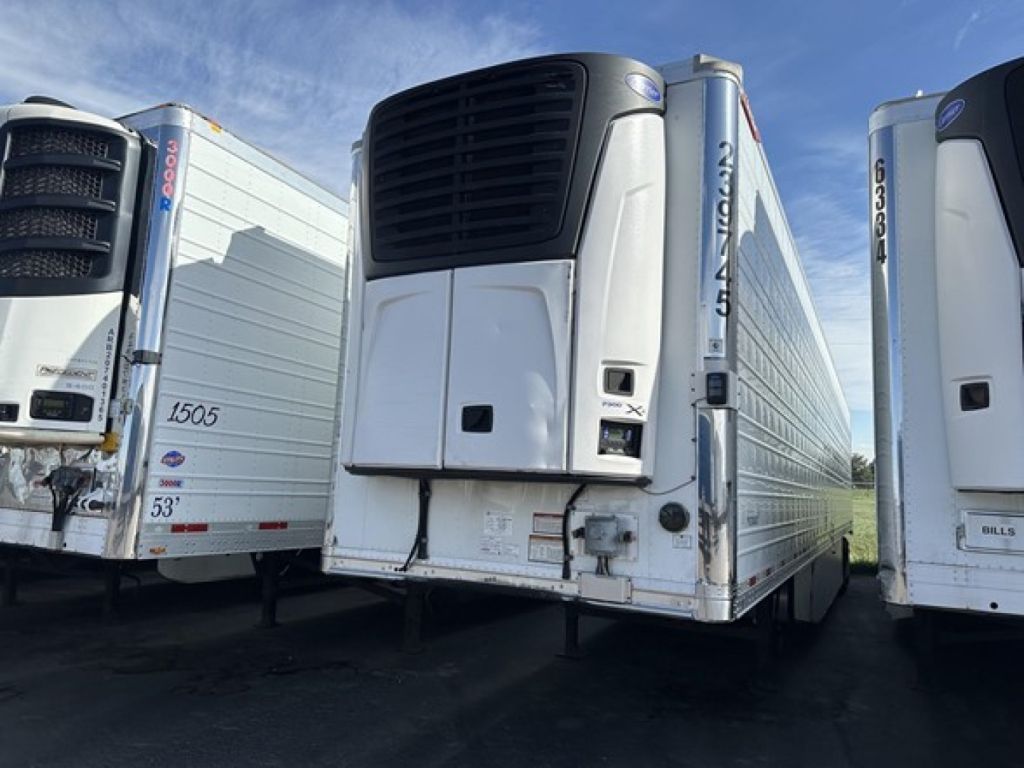
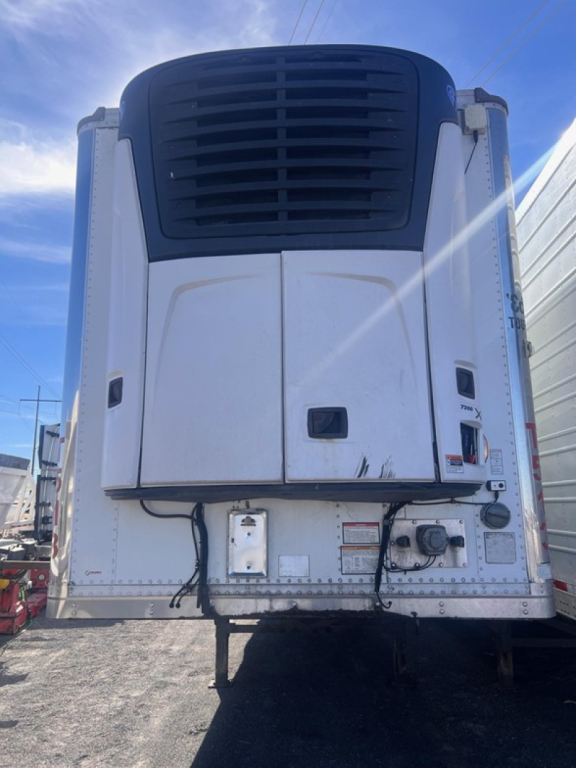
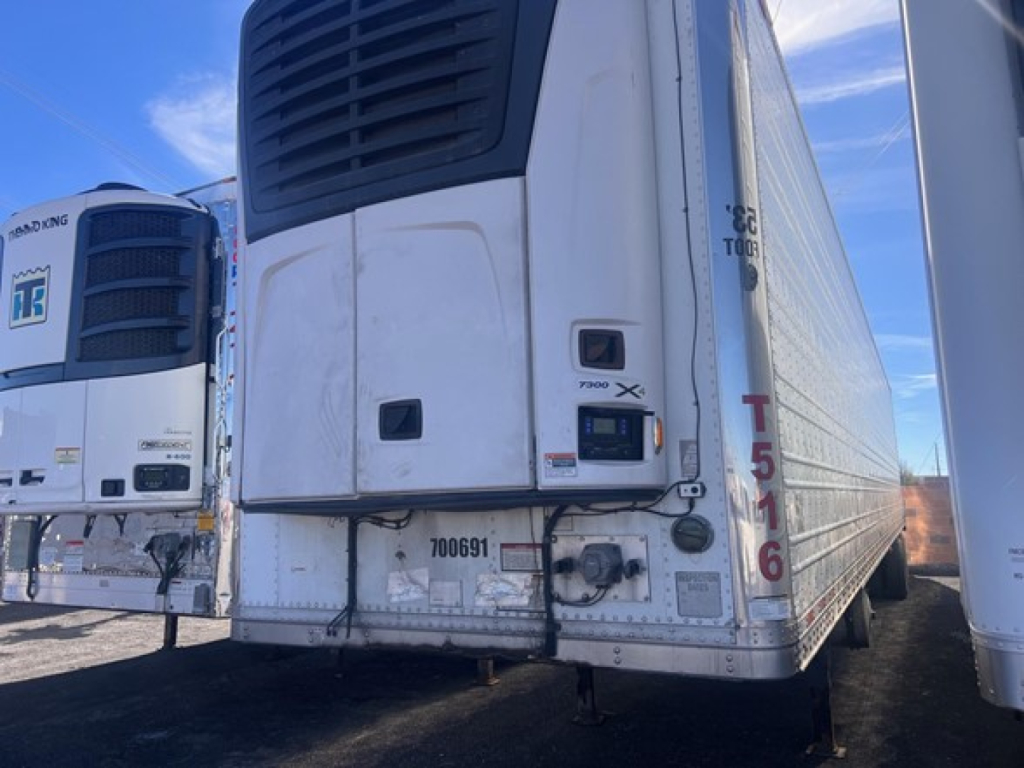
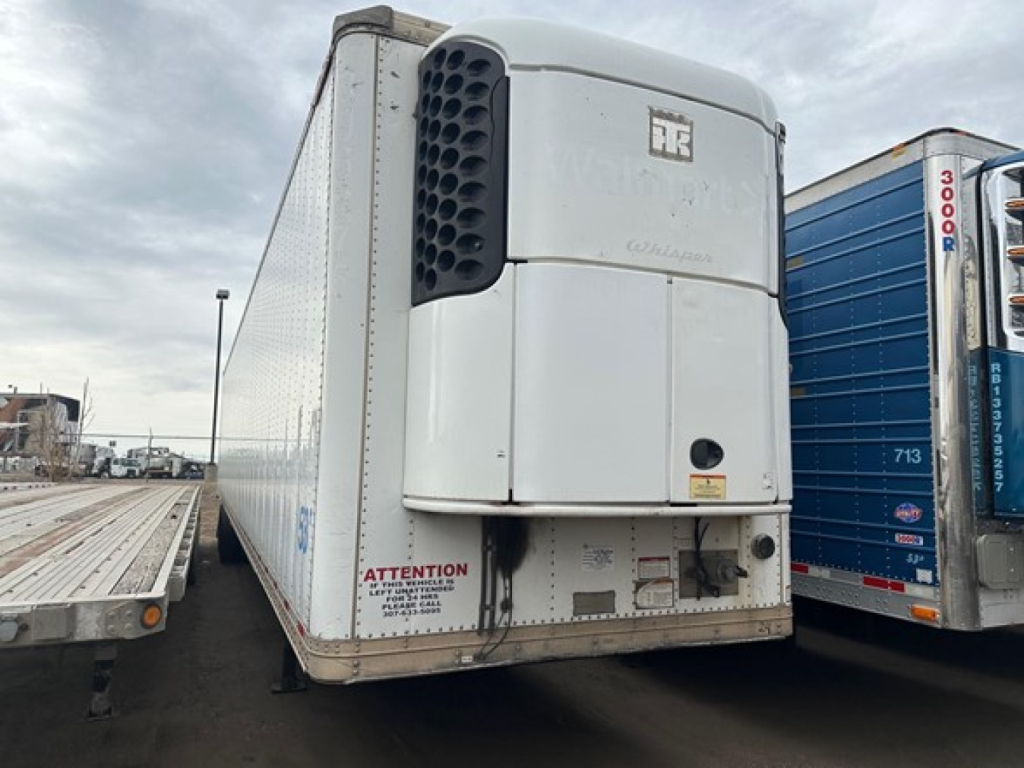
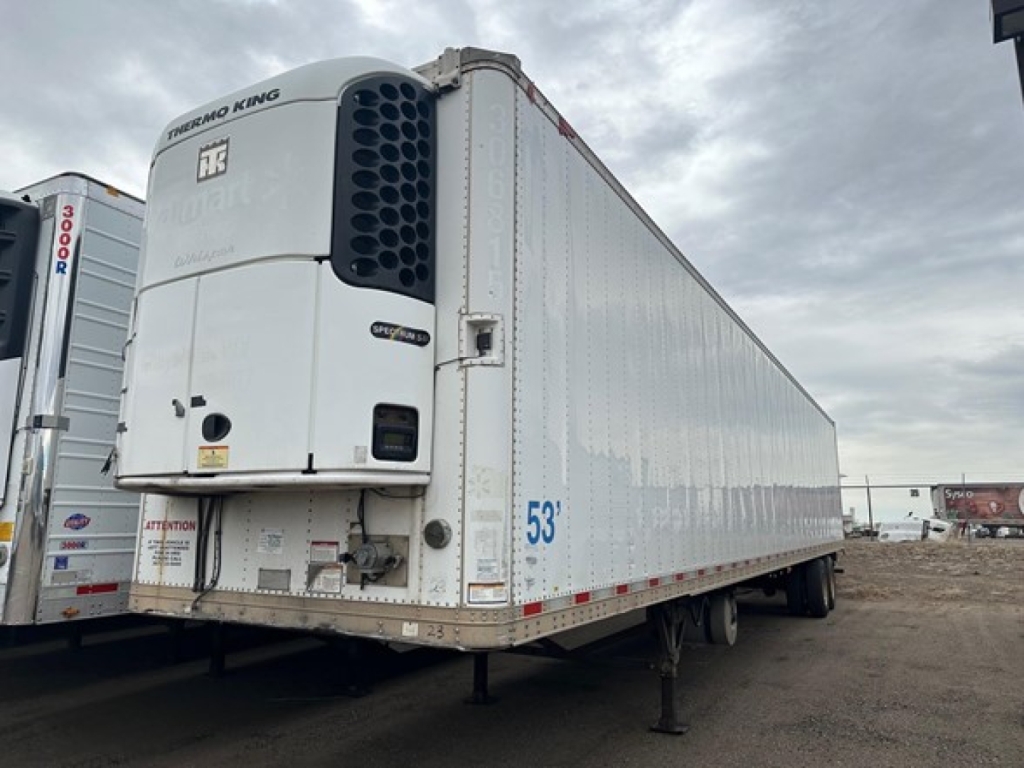
Showing 37 to 48 of 50 results
Have great dane reefer trailer to sell? List it here to reach thousands of buyers.
About Great Dane Reefer Trailers in Nebraska
The first decision is usually the refrigeration unit and body spec combination. Many Great Dane reefers are paired with Thermo King units such as the Precedent or older SB series, while others run Carrier systems. Unit age, engine hours, operating hours, emissions generation, and service records matter as much as trailer age. On the trailer side, buyers should pay close attention to duct floor design, cold chute configuration, rear venting, door seal condition, and interior lining wear. Stainless steel front radius panels, stainless rear components, and stainless door frames are common on fleet-spec trailers because they hold up better in dock contact and repeated washdowns. Scuff liners or scuff plates are important if the trailer has seen palletized freight and frequent forklift traffic.
Suspension and running gear can make a major difference in long-term operating cost. Air ride suspension and sliding tandems are standard on many Great Dane reefer trailers and remain the preferred setup for ride quality, axle compliance, and dock positioning. Tire inflation systems can reduce tire-related downtime, and wheel spec matters too, especially if you are comparing low-profile duals to super singles. Buyers should also verify kingpin setting, tandem spread, brake type, wheel-end service history, and whether the trailer is equipped with aerodynamic options like side skirts. In a reefer application, it is also smart to inspect floor wear patterns, crossmember condition, drain integrity, and any evidence of insulation or vapor barrier issues, since structural and thermal problems are more expensive than cosmetic defects.
For buyers comparing used Great Dane reefer trailers for sale, the best value usually comes from balancing body condition, reefer unit history, and intended lane use. A trailer used on regional foodservice routes may show more door-cycle wear than one used on longer grocery lanes, even if the model year is newer. Inside height can also matter for cube and pallet count, with many later specs offering about 102 inches of interior height. If the trailer will handle produce, frozen freight, or mixed-temp loads, confirm pull-down performance, air circulation setup, and door closure condition before focusing on appearance. Great Dane remains a strong name in the reefer market because these trailers are widely accepted by fleets, drivers, and service networks, which makes them practical equipment for both single-trailer buyers and larger fleet replacement cycles.
Frequently Asked Questions
What are the most common Great Dane reefer trailer models buyers will find on the used market?
The most common Great Dane reefer trailers on the used market are the 53-foot Everest SS and older Super Seal models. Both are fleet-familiar refrigerated van platforms with aluminum construction and typical over-the-road specs such as air ride suspension, sliding tandems, duct floors, and swing rear doors. The Everest SS is generally seen in newer fleet cycles, while Super Seal trailers are more common in older used inventory.
What should I inspect first on a used Great Dane reefer trailer?
Start with the refrigeration unit service history, then inspect the trailer body for thermal and structural condition. Buyers should check engine hours and operating hours on the reefer unit, confirm recent maintenance and major repairs, and inspect the floor, interior lining, doors, seals, and ducting. On the chassis side, pay close attention to suspension, brakes, tires, wheel ends, crossmembers, and signs of corrosion or impact damage around the rear frame and front corners.
Are Thermo King and Carrier units both common on Great Dane reefers?
Yes. Great Dane reefer trailers are commonly found with either Thermo King or Carrier refrigeration units, depending on original fleet spec. The better choice is usually the one with stronger maintenance records, local service support, and the right cooling capacity for your freight profile. Buyers should compare unit age, emissions tier, hours, fuel consumption, and parts access rather than judging the trailer by brand name alone.
Why do features like duct floors, cold chutes, and rear vents matter on a reefer trailer?
These features directly affect airflow and cargo temperature consistency. A duct floor helps move cold air under the load, a cold chute improves delivery of air from the unit to the rear of the trailer, and rear vents help manage return airflow in certain applications. If a reefer will haul produce, frozen goods, or mixed freight with tight temperature tolerances, these details can matter just as much as the refrigeration unit itself.
Is a 53-foot Great Dane reefer trailer the standard choice for Nebraska operations?
Yes. In Nebraska and across most long-haul and regional refrigerated freight lanes, a 53-foot by 102-inch reefer trailer with a 13-foot 6-inch overall height is the standard setup. That size works well for grocery distribution, meat and protein hauling, dairy, and general food-grade freight. Buyers should still confirm state and route requirements, tandem adjustment needs, and loading dock compatibility before choosing a specific trailer spec.