
CIMC Reefer Trailers For Sale in Illinois
Shop CIMC reefer trailers for sale in Illinois. Compare insulated refrigerated vans built for thermal efficiency, corrosion resistance, and fleet use.
Learn more
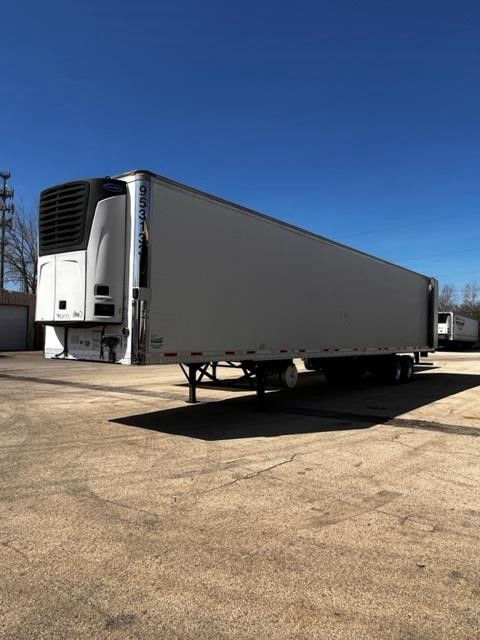
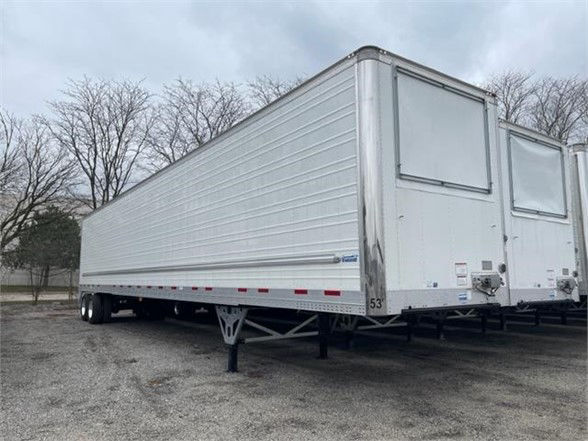
Have cimc reefer trailer to sell? List it here to reach thousands of buyers.
About CIMC Reefer Trailers in Illinois
A key strength in many CIMC reefer trailer specs is panel construction and corrosion protection. Smooth foamed insulated panels, galvanized steel components, and practical fleet-focused hardware can make a noticeable difference in long-term maintenance. Better thermal retention helps reduce refrigeration unit run time, which can support fuel savings and more stable box temperatures on multi-stop routes. Corrosion resistance is especially relevant in Illinois, where road salt, wet winters, and frequent trailer wash cycles can accelerate rust on crossmembers, rear frames, and underbody components. Buyers comparing used and new units should pay close attention to the condition of the front wall, door frame, floor, drains, and underside, because these areas usually tell the real story on reefer life cycle.
Spec choices matter more on a reefer than on many dry vans. Swing doors remain common for dock operations, while floor style can vary between duct floors and flat floors depending on airflow needs and freight type. E-track is a useful add for mixed loads and load securement flexibility. Tire inflation systems such as MTIS can help reduce roadside downtime and protect tire life, particularly on regional and high-mileage routes. Wheel setup, tire profile, high-cube configuration, and rear impact area condition all affect payload, loading height, and serviceability. If the trailer includes a refrigeration unit, buyers should verify the unit make, model, engine hours, service records, operating mode capability, and whether it is spec'd for deep frozen, fresh, or multi-temp work.
For Illinois fleets, CIMC reefer trailers fit well in regional grocery distribution, warehouse-to-store delivery, meat and dairy hauling, and long-haul refrigerated lanes moving through the Midwest. A buyer evaluating this category should look beyond the basic year and price and focus on insulation integrity, door seal condition, floor wear from pallet jack traffic, suspension and brake condition, and any signs of previous patchwork around the unit mounting area. A reefer trailer that is structurally sound, thermally efficient, and easy to maintain will usually outperform a cheaper unit with hidden floor damage or weak temperature control. CIMC units appeal to many buyers because they are designed around practical fleet durability while keeping weight, thermal performance, and corrosion protection in balance.
Frequently Asked Questions
What should I inspect first on a used CIMC reefer trailer?
Start with the insulated box and the floor. Check the front wall, sidewalls, roof line, rear frame, and door openings for repairs, delamination, punctures, or evidence of water intrusion. Then inspect the floor for soft spots, excessive wear from pallet traffic, and damage around drains or threshold areas. On a reefer, box condition often matters as much as the refrigeration unit because poor insulation or hidden floor damage can lead to temperature loss, moisture problems, and expensive repairs.
Are CIMC reefer trailers a good fit for Midwest and Illinois operation?
They can be a strong fit because corrosion protection is a major concern in Illinois and across the Midwest. Trailers with galvanized components and solid underbody protection generally hold up better against road salt, wash chemicals, and seasonal moisture. Buyers running regional routes should still inspect suspension, brake components, rear frame areas, and the trailer underside closely, but corrosion-resistant construction is a meaningful advantage in this market.
What floor type is better in a reefer trailer, duct floor or flat floor?
It depends on the freight and the airflow requirement. A duct floor helps move air under and through the load, which is valuable for produce, fresh freight, and loads where consistent box temperature is critical. A flat floor can be easier for some loading patterns and may suit operations where airflow under the freight is less important. The right choice depends on commodity type, pallet configuration, and whether the operation is mostly fresh, frozen, or mixed product.
How important is thermal efficiency on a refrigerated trailer?
Thermal efficiency is one of the most important reefer trailer characteristics because it affects refrigeration unit run time, fuel consumption, and temperature stability. A trailer with strong insulation, tight door seals, and good panel integrity helps the refrigeration unit maintain setpoint with less effort. That can reduce operating cost over time and help protect sensitive cargo during long hauls, multi-stop deliveries, and hot summer loading conditions.
What refrigeration unit details should buyers verify before purchasing?
Verify the refrigeration unit make, model, engine hours, service history, and current operating condition. Buyers should also confirm whether the unit has been maintained on schedule, whether it passes a pre-trip temperature pull-down test, and whether it is suitable for the intended freight profile. For example, a unit used in deep frozen service may have different demands than one used for fresh produce or dairy distribution. Clear records and a documented inspection are especially important on older reefer trailers.