
Gallegos Pneumatic - Dry Bulk Trailers For Sale in Texas
Shop Gallegos pneumatic dry bulk trailers with common specs, capacities, construction options, and hauling applications for Texas bulk work.
Learn more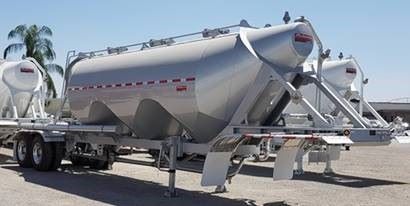
Have gallegos pneumatic - dry bulk trailer to sell? List it here to reach thousands of buyers.
About Gallegos Pneumatic - Dry Bulk Trailers in Texas
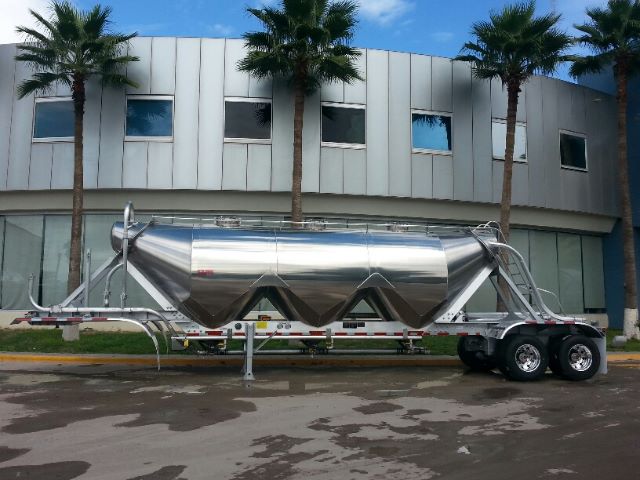
A buyer comparing pneumatic bulk trailers should pay close attention to barrel thickness, hopper design, and discharge layout. Listings in this class often show heavy-gauge steel or aluminum bodies, flow cone or sloped hopper configurations, and bottom-drop discharge assemblies designed to keep product moving. Vibration systems are a major detail on dry bulk trailers because they help break stubborn material loose and improve cleanout. BTI Sandhog-style bottom drop T’s, vibrator packages, and pressure-rated plumbing matter if the trailer will handle fine powders that bridge easily. Hose tube capacity, line routing, and discharge valve access also affect day-to-day usability more than many first-time buyers expect.
Running gear is equally important because a pneumatic trailer spends its life at legal weight. Common specs include tri-axle air ride suspensions such as Hendrickson INTRAAX, 24.5-inch aluminum wheels, and commercial tire sizes like 11R24.5. Landing gear brand, axle rating, brake spec, and frame material all play into long-term maintenance cost. In Texas, buyers often focus on durability in heat, rough plant yards, and high-cycle regional hauling. A lighter trailer can add revenue through payload, but a heavier-duty build may pencil out better if the work involves abrasive product, frequent loading cycles, or off-pavement access to plants and transload sites.
The best Gallegos pneumatic dry bulk trailer for sale depends on commodity, route length, and unloading setup at the customer site. Pressure and hydrostatic test ratings should match the product and blower system being used. Buyers should also verify hose storage, catwalk access, manhole layout, and ease of service around valves and airlines. For cement and powder fleets, clean discharge, predictable unload times, and structural life usually matter more than cosmetic features. A well-spec’d pneumatic trailer should balance cubic capacity, tare weight, pressure integrity, and suspension durability so it can stay productive with minimal downtime.
Frequently Asked Questions
What is a pneumatic dry bulk trailer used for?
A pneumatic dry bulk trailer is used to haul dry powdered or granular commodities that unload through air pressure, including cement, fly ash, lime, sand, flour, plastic pellets, and some frac materials. Instead of dumping the load, the trailer uses a blower system and pressurized vessel design to move product through discharge lines into silos, bins, or storage tanks. That makes this trailer type a strong fit for plants, terminals, and jobsites where overhead clearance, unloading speed, or site layout make dump trailers impractical.
Should I choose a steel or aluminum pneumatic bulk trailer?
Steel pneumatic trailers usually offer a lower purchase price and can be a solid choice for abrasive service and demanding plant environments. Aluminum pneumatic trailers reduce empty weight, which can increase legal payload and improve revenue on weight-sensitive lanes. The better choice depends on commodity, expected wear, axle laws, and how many cycles the trailer will run each week. Buyers should compare tare weight, barrel and hopper thickness, repair practices, and long-term corrosion exposure rather than focusing on material alone.
What capacity is common for a Gallegos pneumatic dry bulk trailer?
A 1,040 cubic foot configuration is a common size in this category because it works well across general bulk hauling applications. Capacity should always be matched to commodity density, not just cubic feet. A trailer that cubes out on lighter product may gross out on heavier material long before the barrel is full. Buyers should calculate expected legal payload by combining trailer tare weight, commodity density, axle spacing, and the states they run most often.
What features matter most on a used pneumatic dry bulk trailer?
The most important checks are pressure integrity, barrel condition, hopper and discharge wear, suspension health, and the condition of valves, plumbing, and vibration equipment. Look closely for weld repairs, barrel dents, corrosion, cracked supports, worn hoses, and signs of product leakage around discharge components. Service records for brakes, wheel ends, airbags, and landing gear are also important because pneumatic trailers operate near maximum weight on a regular basis. A clean-looking trailer is less important than a sound pressure vessel and a dependable discharge system.
Why do vibration and flow cone systems matter on dry bulk trailers?
Vibration and flow cone systems help product move consistently from the hoppers to the discharge lines, especially with fine powders that tend to bridge, pack, or hang up. Good material flow reduces unload time, lowers the chance of residual product remaining in the barrel, and helps the driver avoid repeated shutdowns during discharge. For fleets hauling cement, lime, or similar products, an effective vibration package can make a measurable difference in productivity and customer turnaround time.