
New Mac Trailers For Sale
Shop new Mac trailers including aluminum end dumps and pneumatic dry bulk models built for payload, durability, and demanding haul cycles.
Learn moreBrowse Mac Trailers by Category
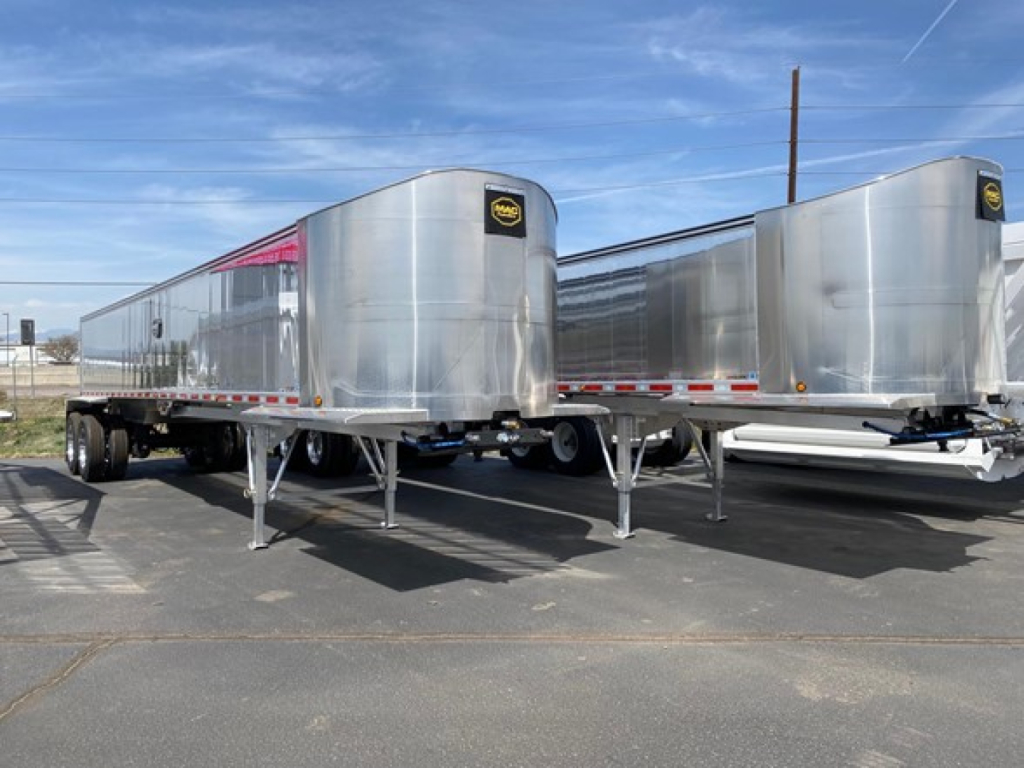
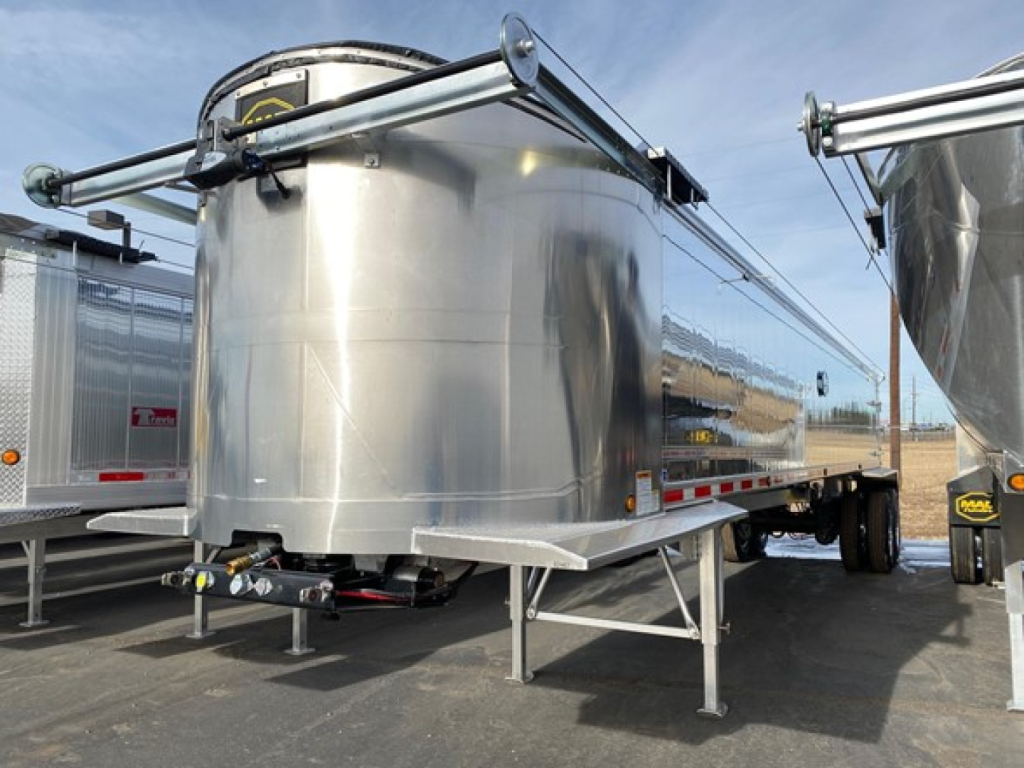
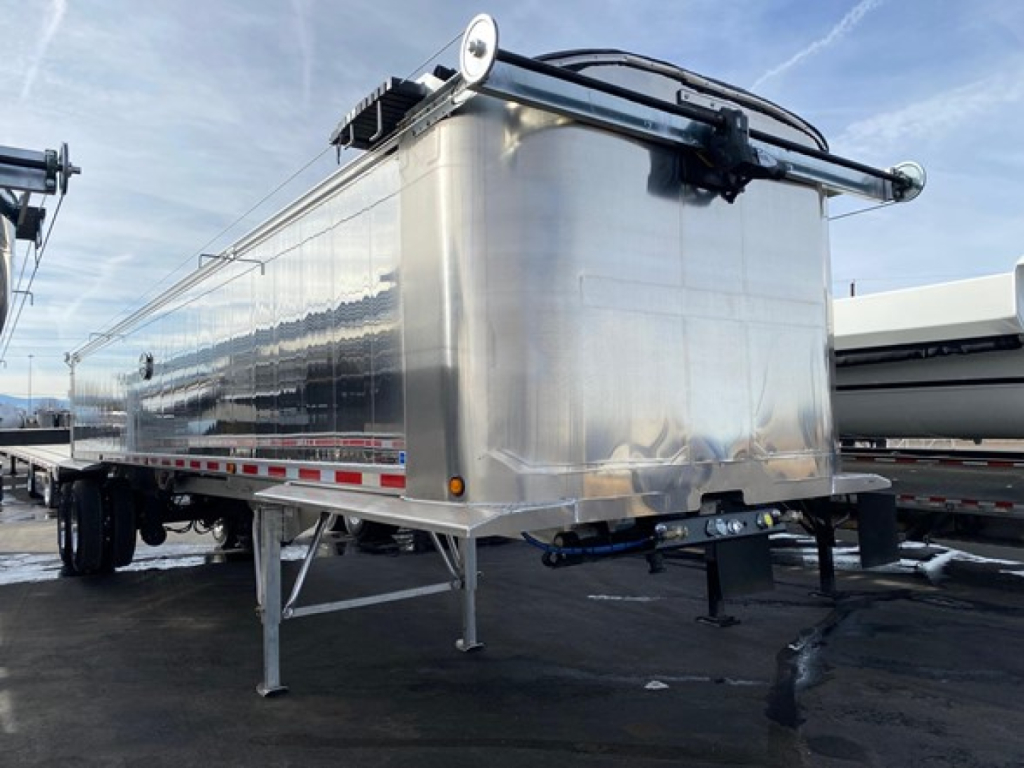
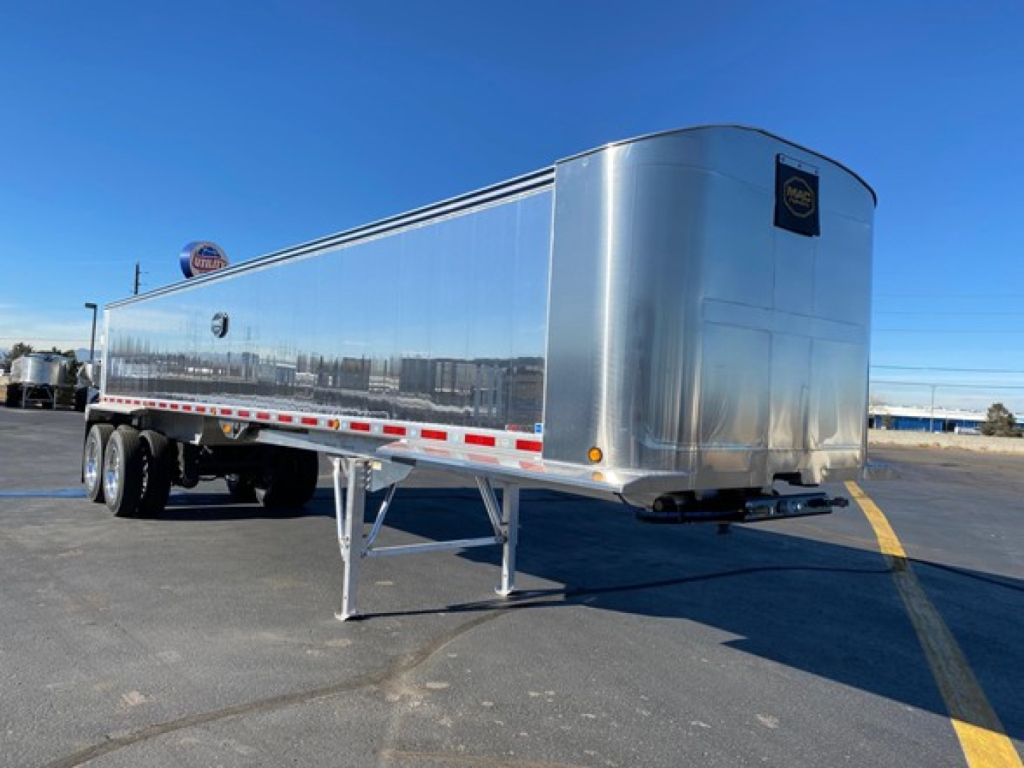
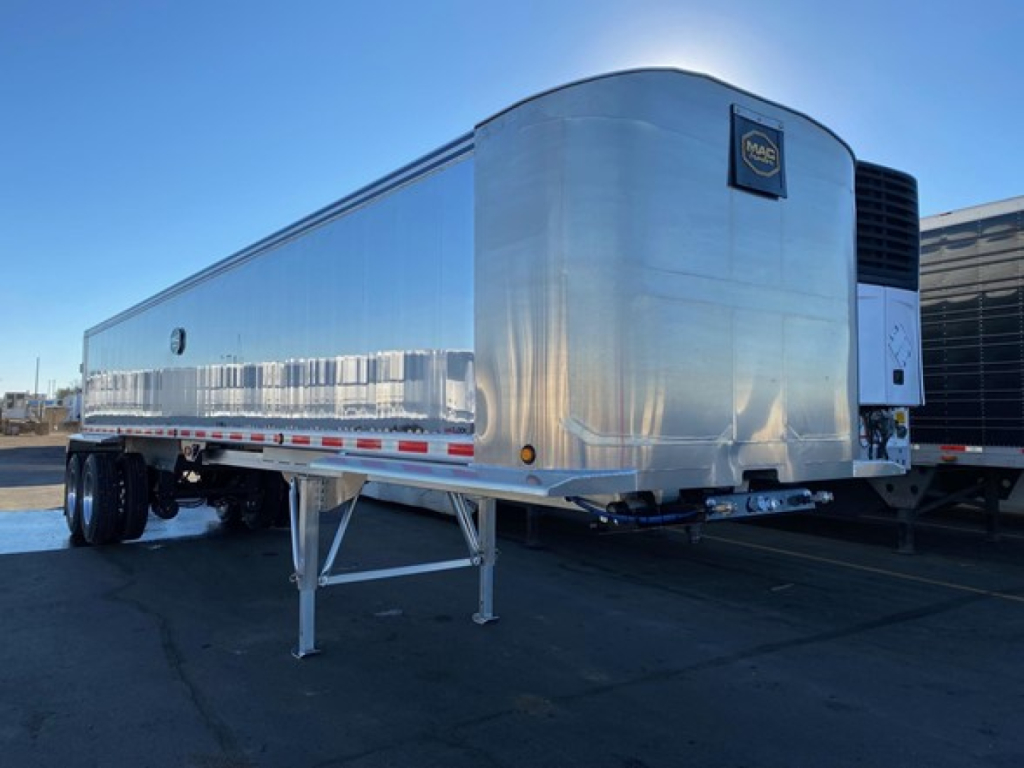
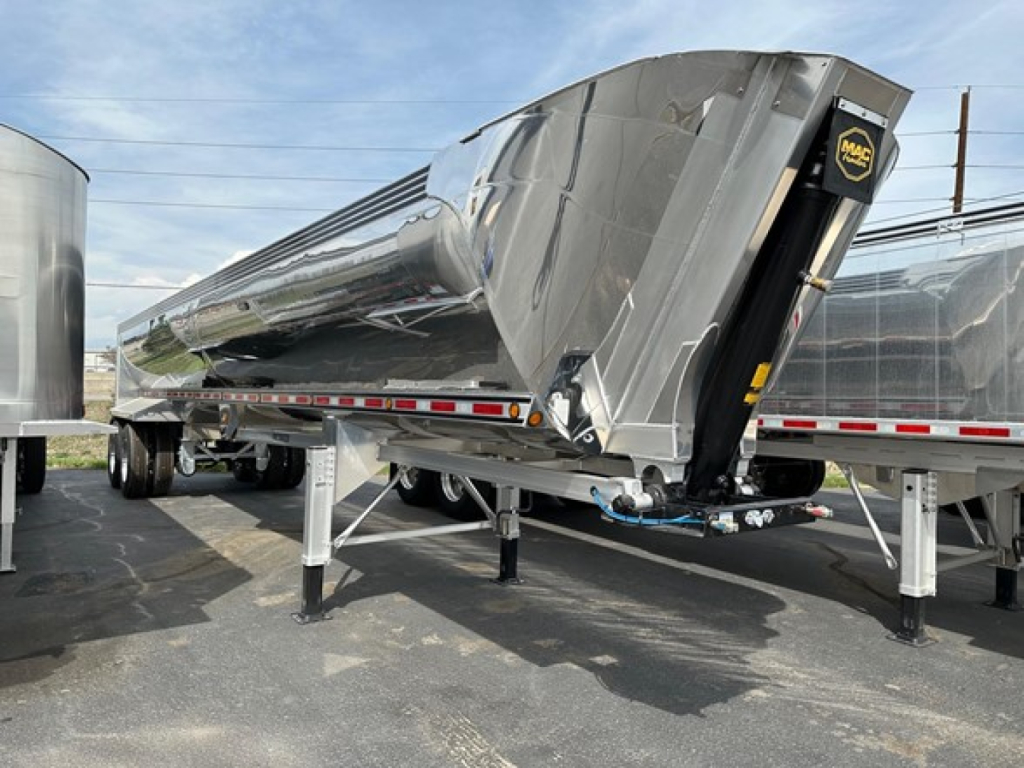
Showing 13 to 18 of 18 results
Have new mac trailer to sell? List it here to reach thousands of buyers.
About New Mac Trailers
On the dump side, Mac end dumps are often spec'd in 35-foot to 39-foot lengths with half-round or western-style bodies, top-hinge gates, liners, air ride suspension, and tandem or spread axle setups. Common details include 56-inch to 60-inch sides, all-aluminum wheels, lift axles, rear or roadside ladders, and factory-installed liners for abrasive material. A frameless design helps keep tare weight down, which matters if you are hauling aggregate, demolition debris, millings, sand, or other dense products. Buyers should pay close attention to body style, gate seal, liner type, axle spacing, and suspension layout because those details affect stability, unload performance, bridge compliance, and tire wear.
Mac pneumatic dry bulk trailers are built for commodities like cement, lime, fly ash, sand, and food-grade powders, with some specs set up specifically for sanitary service. Typical capacities in this class range from roughly 1,050 to 1,600 cubic feet, often with three hoppers, rear discharge, aluminum piping, aeration systems, load gauges, and 5-inch plumbing on higher-capacity units. Food-grade versions may include polished or dedicated product-contact components and layouts intended for cleaner discharge. If you are shopping pneumatics, focus on cubic capacity versus product density, hopper count, discharge plumbing size, blower compatibility, and control placement. Those specs directly affect unload time, cross-contamination risk, and how well the trailer fits your plant and customer sites.
Across both categories, new Mac trailers are commonly equipped with air ride suspension, aluminum wheels, LED lighting, fenders, and adjustable couplers or standard tandem setups depending on the application. The best listing is not always the lightest trailer. It is the one built around your material, legal weight targets, and unloading conditions. A contractor hauling rock on short turns may prioritize liner thickness, gate hardware, and lift axle arrangement, while a bulk hauler may care more about aeration efficiency, line size, and food-grade compliance. Comparing those build details closely is the fastest way to narrow down the right new Mac trailer for your operation.
Frequently Asked Questions
What are the most common types of new Mac trailers for sale?
The most common new Mac trailers in the market are aluminum end dump trailers and pneumatic dry bulk trailers. Mac end dumps are widely used in construction, aggregate, paving, and demolition work because they offer low tare weight and strong payload capacity. Mac pneumatic trailers are used for dry bulk commodities such as cement, lime, sand, fly ash, and certain food-grade products where sealed handling and pressure discharge are required.
What should I look for when buying a new Mac end dump trailer?
Start with body style, trailer length, side height, axle configuration, and liner spec. Frameless aluminum end dumps are popular because they reduce empty weight, but buyers still need to match the body design to the material being hauled. Dense aggregate, abrasive scrap, millings, and demolition debris can all change what you need in a gate, liner, suspension, and lift axle setup. Also review legal bridge requirements in the states where the trailer will run, since tandem versus spread axle can affect compliance and payload.
How do I choose the right Mac pneumatic dry bulk trailer capacity?
Capacity should be matched to commodity density, not just cubic feet. A 1,050 cubic foot trailer and a 1,600 cubic foot trailer serve different products and weight limits. Heavier commodities can gross out before the trailer is full, while lighter powders may need more cube to maximize revenue per load. Hopper count, discharge line size, aeration system, and food-grade requirements also matter because they influence unload speed, product flow, and compatibility with shippers and receivers.
Are Mac trailers typically aluminum or steel?
Many Mac trailers, especially end dumps and pneumatics, are built with aluminum construction to reduce tare weight and improve payload. That lighter build is a major reason Mac is well regarded in bulk hauling applications. Buyers should still review specific composition details on each listing because liner material, piping, wheels, and certain wear components may vary by application and can affect durability, maintenance, and overall operating cost.
Is a lift axle worth it on a new Mac trailer?
A lift axle can be a smart spec if your operation needs more flexibility on payload distribution, bridge law compliance, or tire wear management. On end dumps, a front lift axle is commonly used to help manage legal weights when loaded and reduce drag when empty. The value depends on where the trailer operates, how often it runs loaded versus empty, and whether added complexity is justified by the payload and compliance benefits.