
XL Specialized Lowboy Trailers For Sale
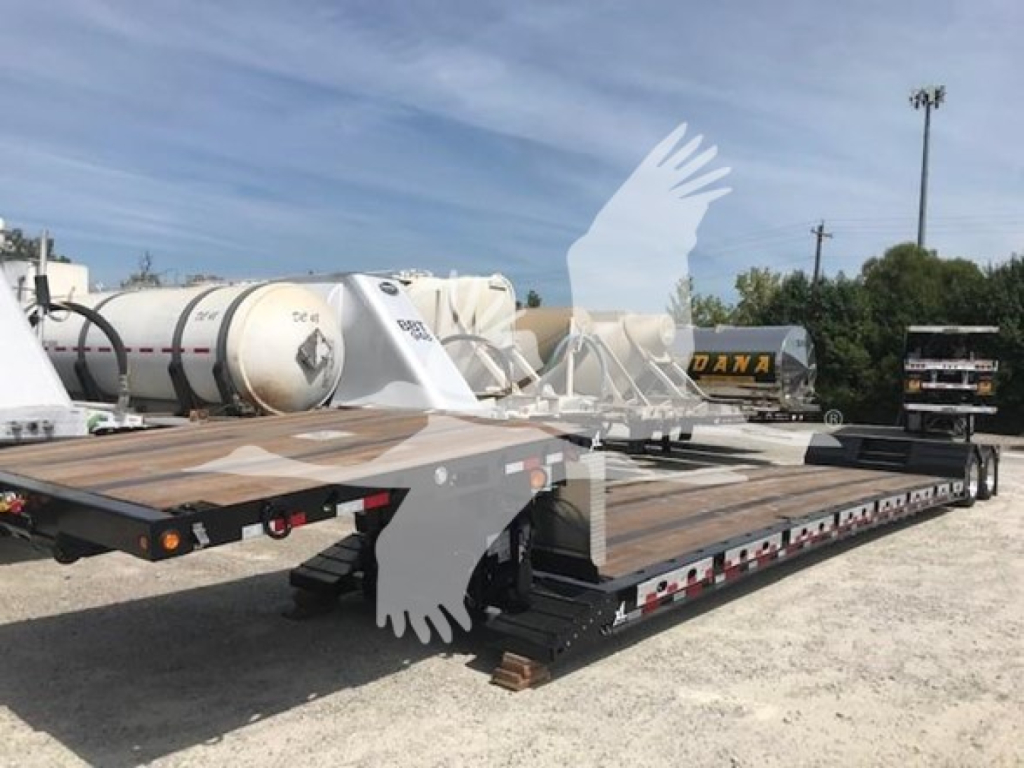
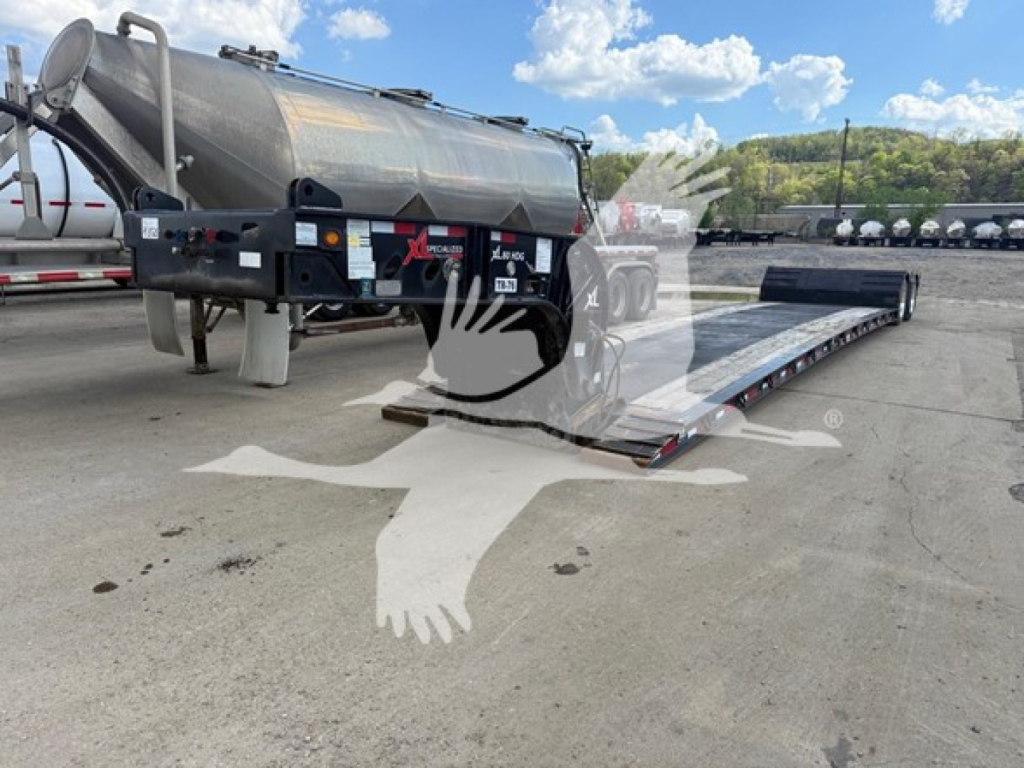
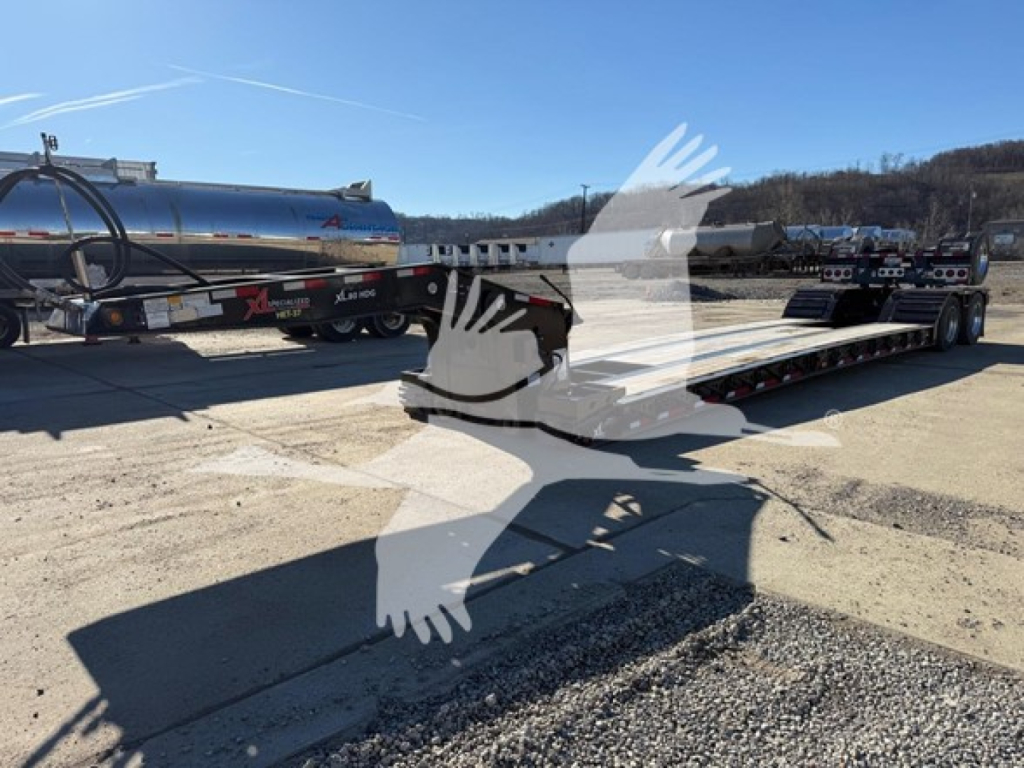
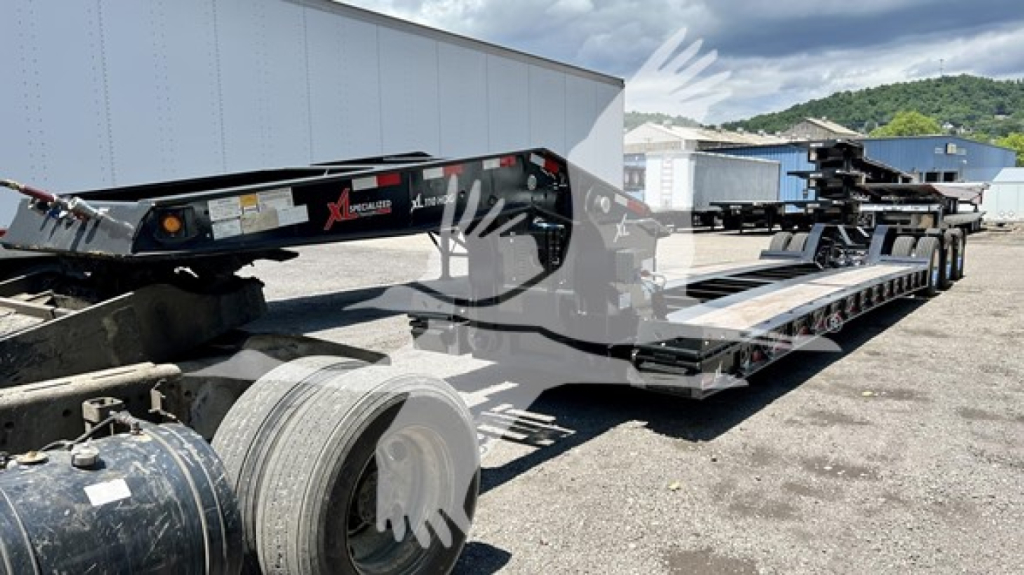
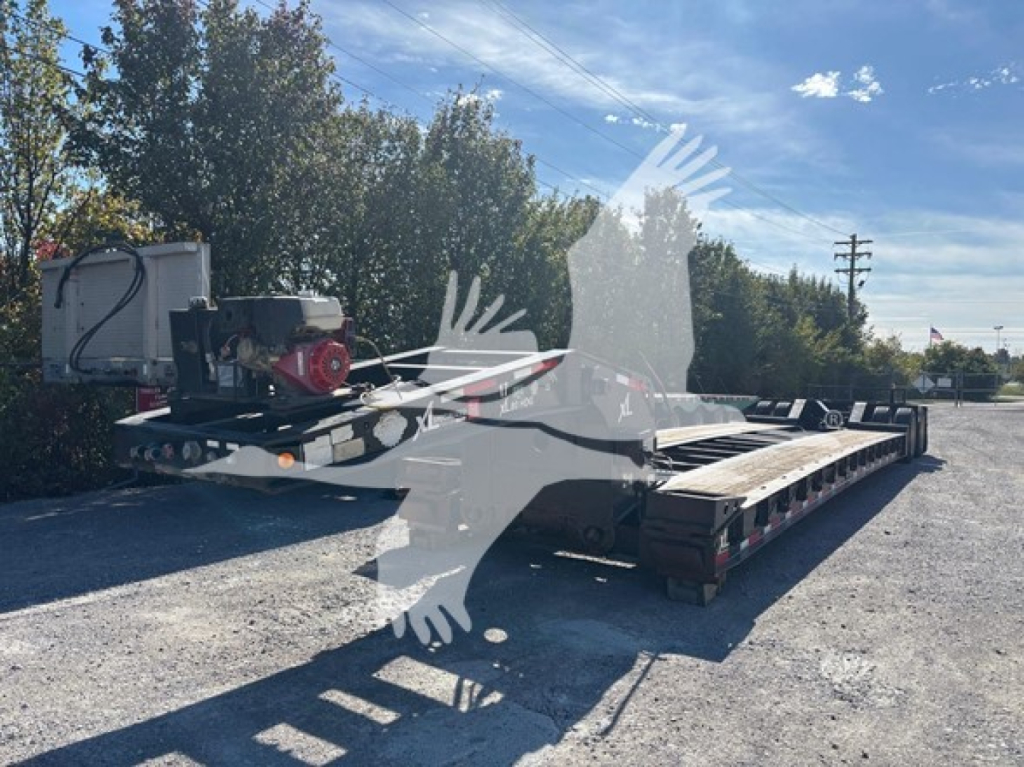
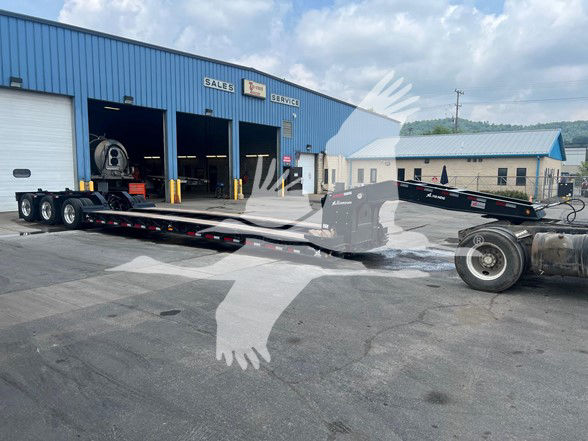
Shop XL Specialized lowboy trailers with hydraulic detachable necks, heavy-haul ratings, low deck heights, and flip axle capability.
Learn more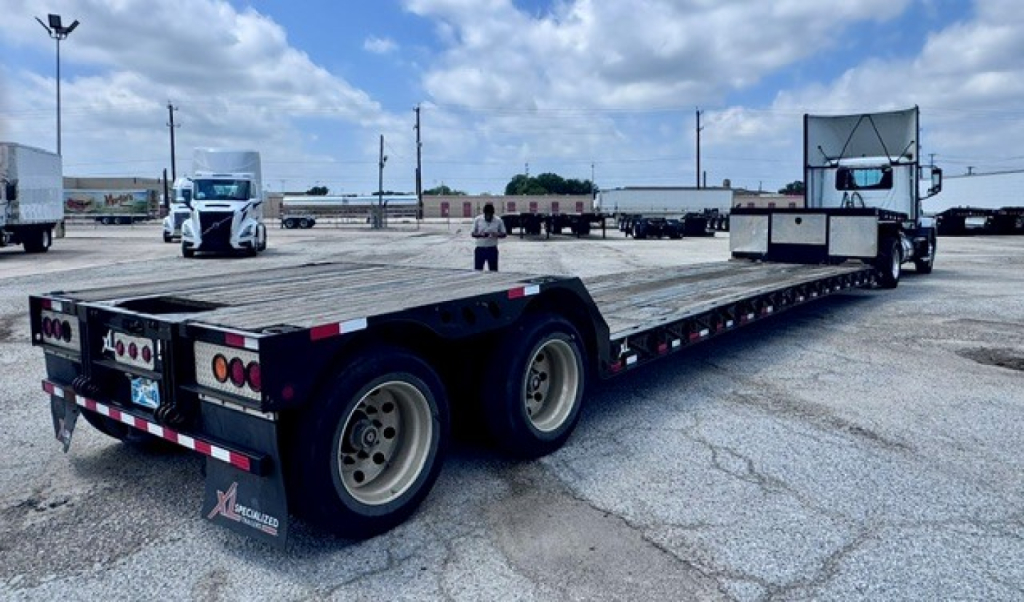
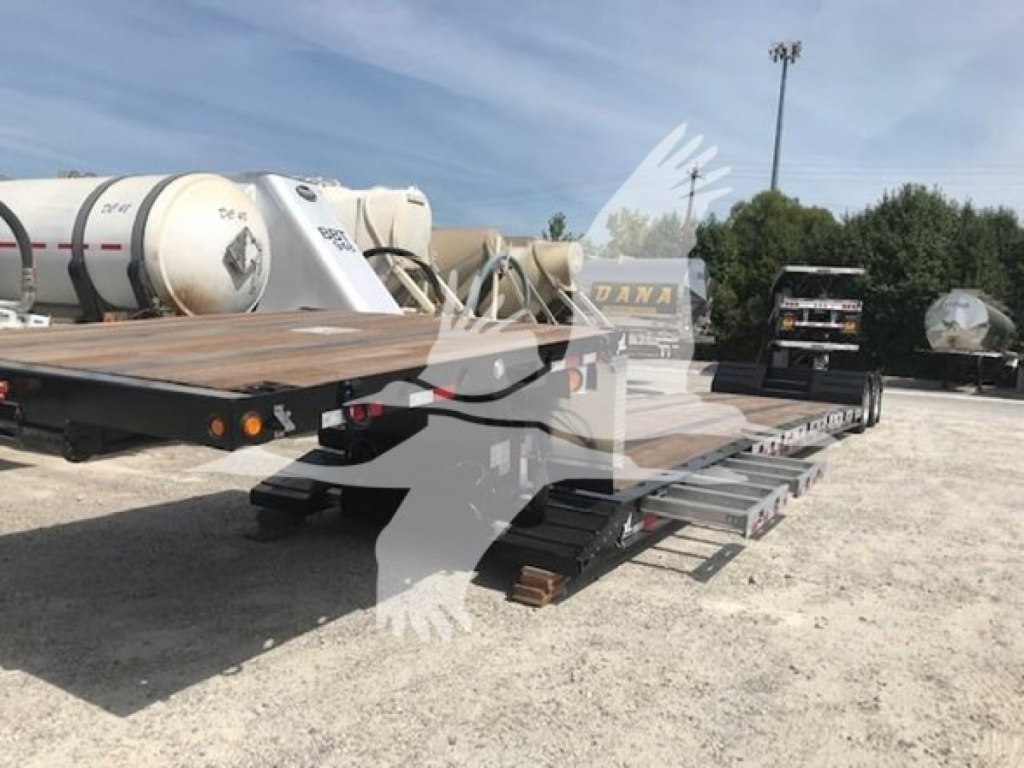
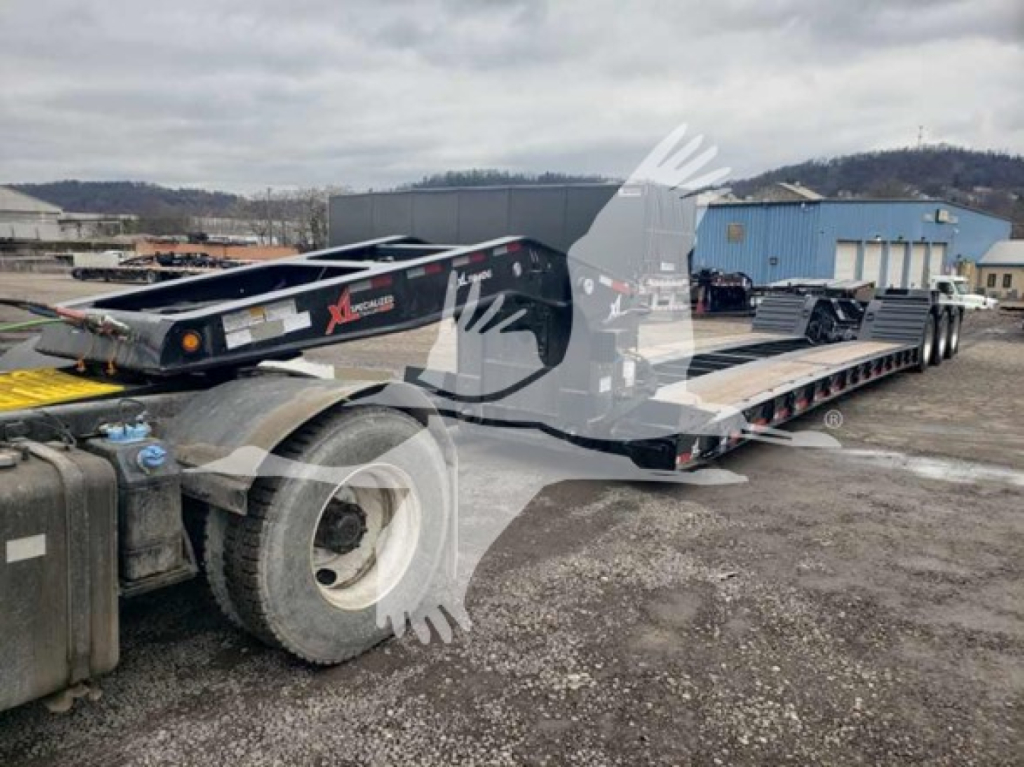
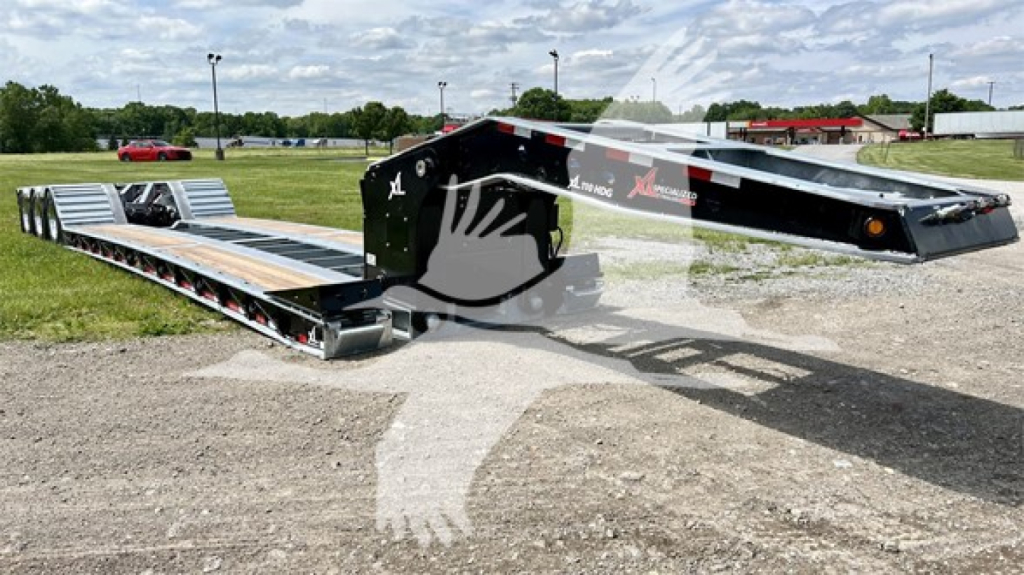
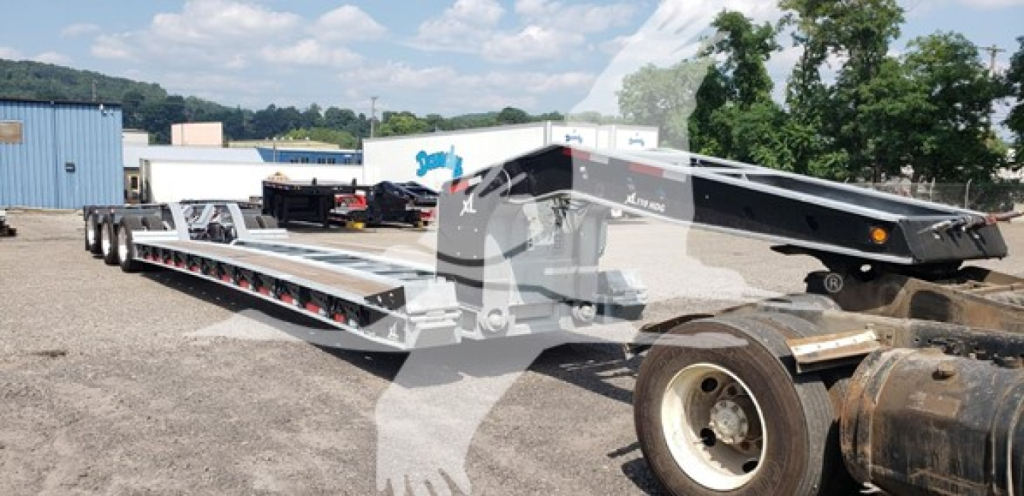
Showing 1 to 12 of 19 results
Have xl specialized lowboy trailer to sell? List it here to reach thousands of buyers.
About XL Specialized Lowboy Trailers
A major buying decision in an XL Specialized lowboy is matching the deck layout to the freight. Common setups include 53-foot overall lengths, 102-inch width, Apitong flooring, fabricated side rails, and removable swing-out outriggers on 24-inch centers. Main deck lengths and deck heights vary by model, and those numbers matter if you are hauling excavators, dozers, pavers, crushers, or other equipment with uneven weight distribution. Buyers should pay close attention to loaded fifth wheel height, kingpin settings, rear deck length, bucket well or boom well design, and swing clearance. Those details determine tractor compatibility, loading angle, machine fit, and turning clearance with larger excavators or tracked equipment.
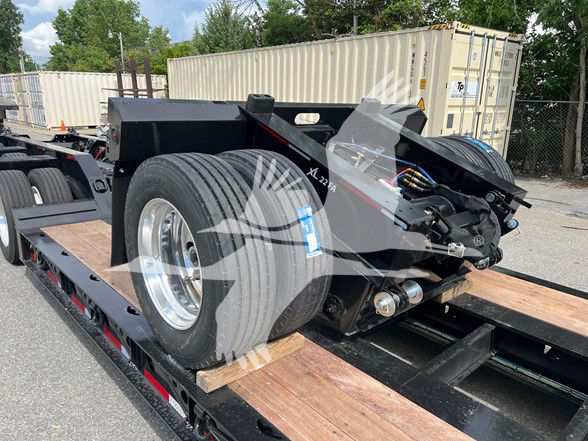
Suspension and axle package are just as important as published tonnage. XL Specialized lowboy trailers commonly use air ride suspension with Hendrickson components, aluminum outer and steel inner wheel packages, 22.5-inch rubber, raise-and-lower valves, and dump valves to help during loading and ride height adjustment. Tandem and tri-axle configurations are common, and many trailers are built to accept a future flip axle or additional axle group when permit requirements or payload concentration demand it. A trailer rated for 80,000 pounds distributed load is a different tool than a 55-ton or 110,000-pound class Guardian-style setup, so buyers should compare deck rating in a stated length, not just the headline tonnage.
Tie-down package and structural details often separate one lowboy from another. On XL Specialized trailers, it is common to see multiple bent D-rings per side, chain drops, stake pockets for wide-load signs, toolboxes, work lights, battery-backed strobes, and rear receptacles. Crossmember spacing, fabricated I-beam construction, ground clearance, and prep for flip neck extensions or rear attachments all influence long-term versatility. For buyers moving mixed fleets of construction equipment, utility machinery, or specialized heavy equipment, an XL Specialized lowboy is often chosen for its low profile, strong load securement layout, and the ability to build around future axle and deck requirements rather than replacing the trailer later.
Frequently Asked Questions
What makes an XL Specialized lowboy trailer a good choice for heavy equipment hauling?
XL Specialized lowboy trailers are designed for concentrated machinery loads that need low deck height, strong tie-down options, and flexible axle configurations. They are commonly spec'd with hydraulic detachable goosenecks, air ride suspension, Apitong decks, and provisions for flip axles or neck extensions. That combination makes them well suited for hauling excavators, dozers, loaders, pavers, and other equipment that can be difficult to load or permit on a standard flatbed trailer.
What should I compare first when shopping XL Specialized lowboy trailers?
Start with deck height, deck length, axle count, and the actual load rating over a stated deck length. Those numbers affect legal height, machine fit, and how the weight sits on the trailer. After that, compare kingpin setting, loaded fifth wheel height, swing clearance, and whether the trailer is prepped for a flip axle, spreader bar, or neck extension. Those details determine how well the trailer will match your tractor and your heaviest routine loads.
Are XL Specialized lowboys usually hydraulic detachable gooseneck trailers?
Many XL Specialized lowboy trailers in this category are hydraulic detachable gooseneck models, often called RGN-style trailers by some buyers, although lowboy and detachable gooseneck are not always used interchangeably in every fleet. A hydraulic detachable neck helps with loading self-propelled equipment by creating a lower approach angle and easier drive-on access. Buyers should still confirm whether the neck is non-ground bearing or ground bearing, because that changes loading procedure and jobsite suitability.
Why does flip axle preparation matter on a lowboy trailer?
Flip axle preparation gives a lowboy trailer more future flexibility for heavier permitted loads. When a trailer is designed to accept a flip axle or additional rear axle group, it can help distribute weight to meet bridge formulas and state permit requirements. Even if you do not need the extra axle today, buying a trailer with that prep can reduce rework costs later and make the trailer more useful across a wider range of haul classes.
What deck and securement features are common on XL Specialized lowboys?
Common features include Apitong wood flooring, fabricated side rails, swing-out outriggers, multiple D-rings, chain drops, rear light packages, strobes with battery backup, and toolboxes. Some models also include bucket wells, front flip ramps, stake pockets for wide-load signs, and adjustable ride height controls. These features matter because heavy equipment rarely loads the same way twice, and a strong securement package gives the operator more options to position and chain down irregular machines safely.