
Fontaine Lowboy Trailers For Sale in Iowa
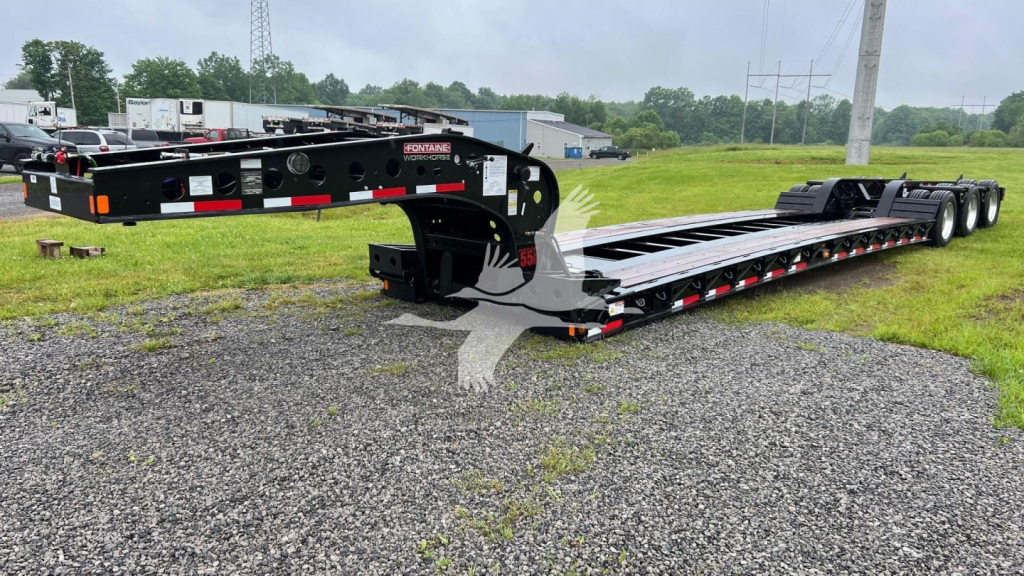
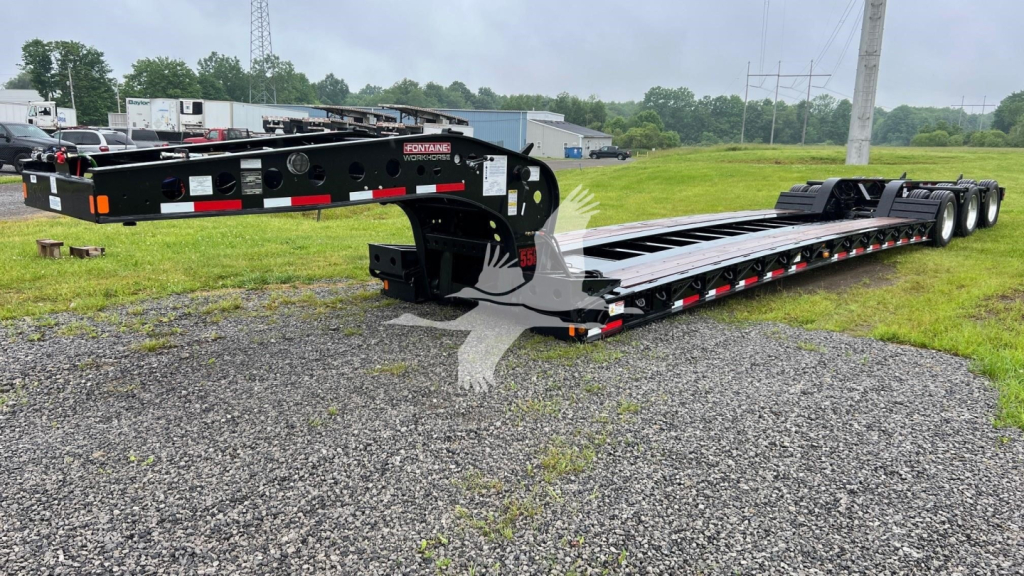
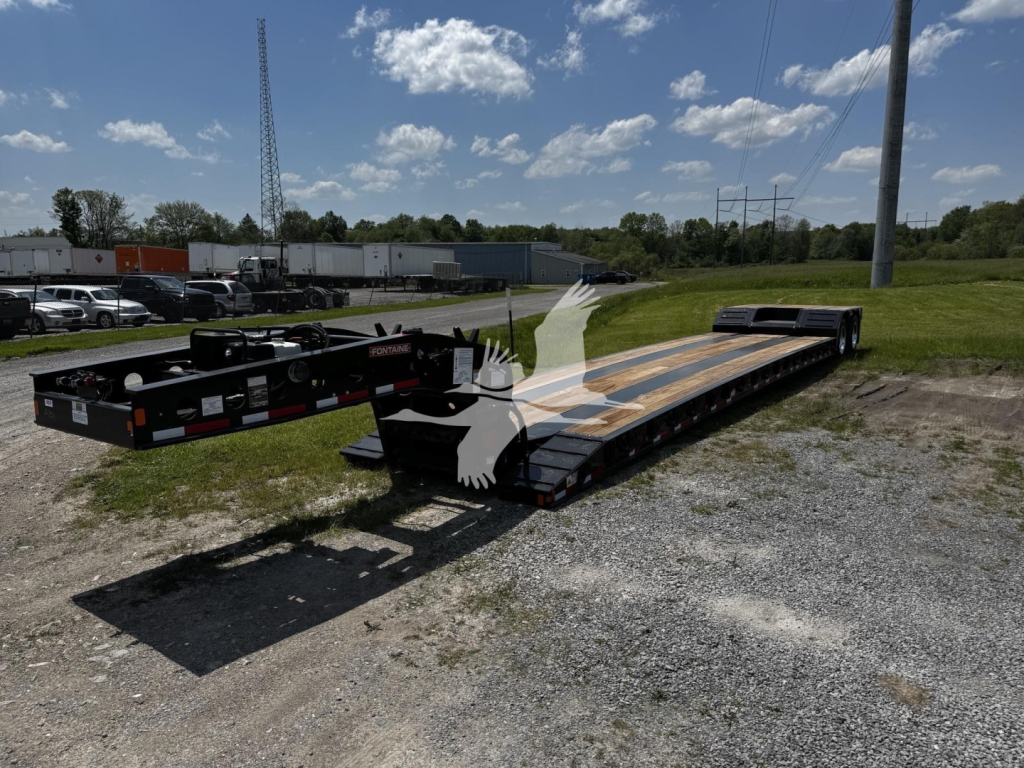
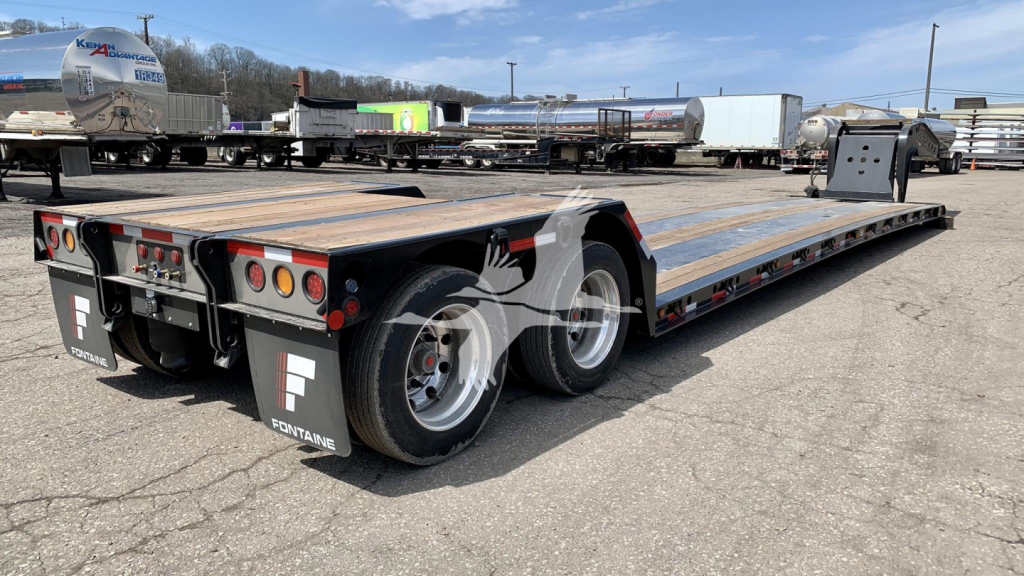
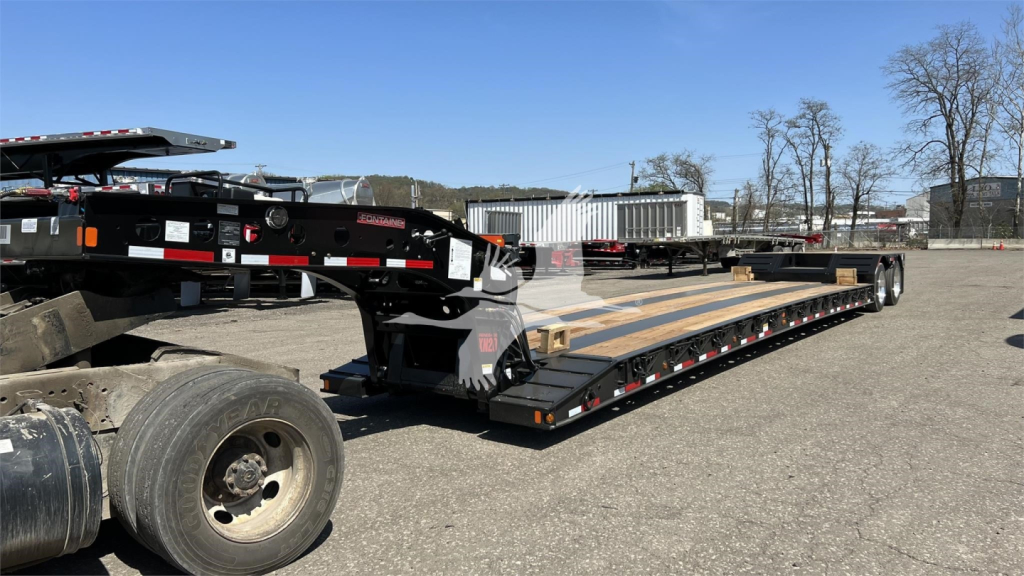
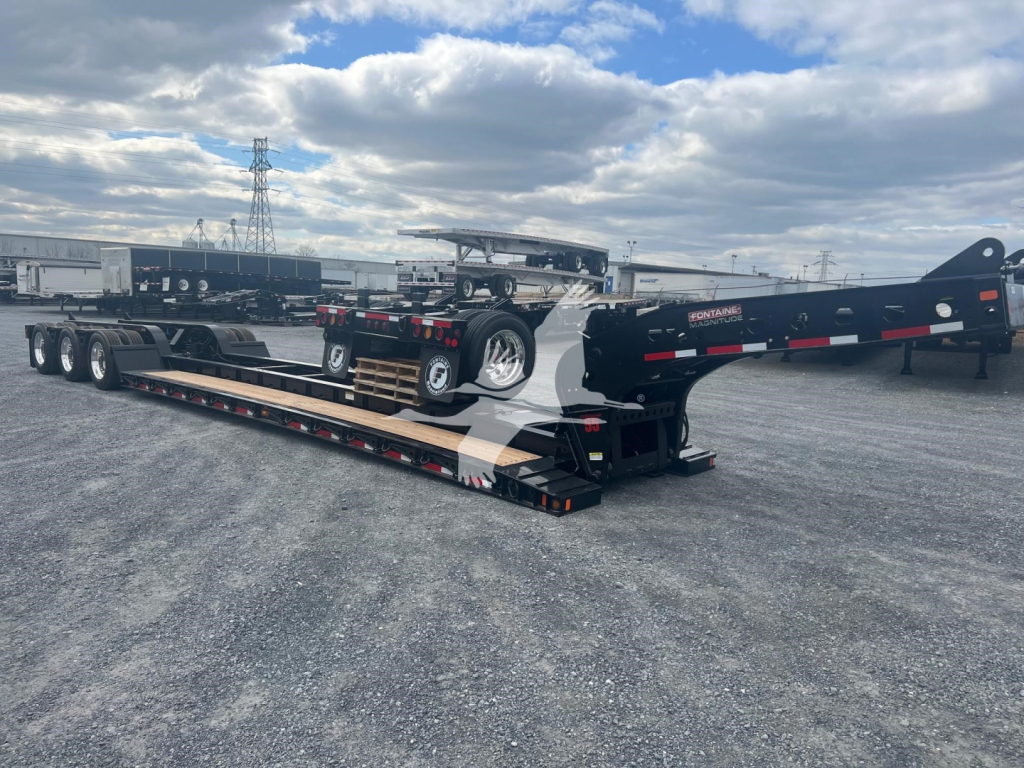
Browse Fontaine lowboy trailers for heavy equipment hauling, including 55-ton models with low deck heights, triaxle setups, and paver-friendly load angles.
No exact matches found for your search
Showing Fontaine Lowboy Trailers instead.
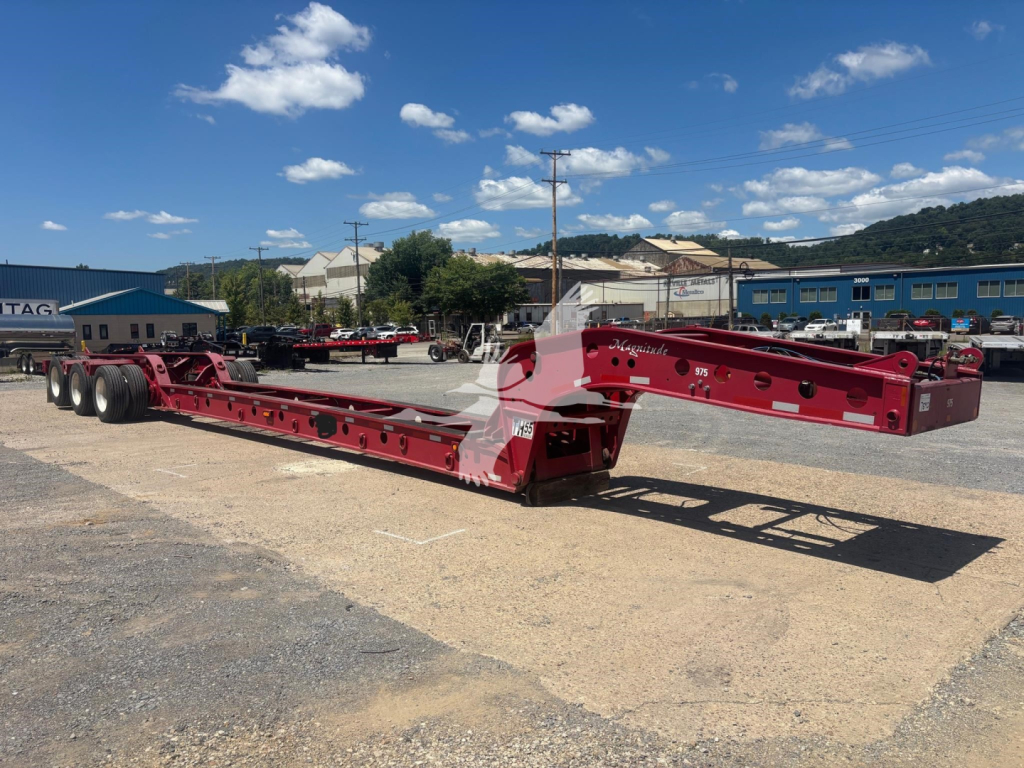
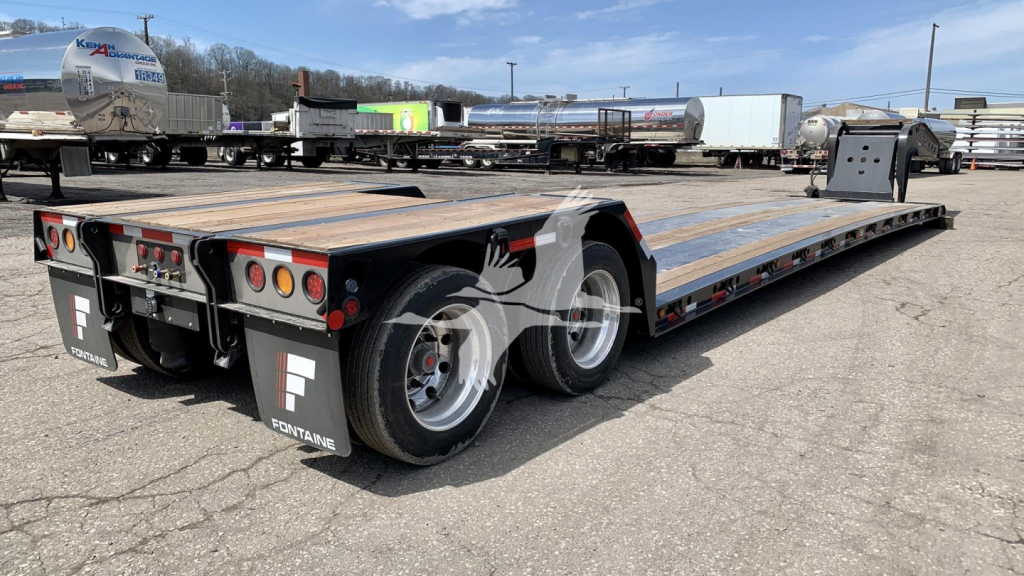
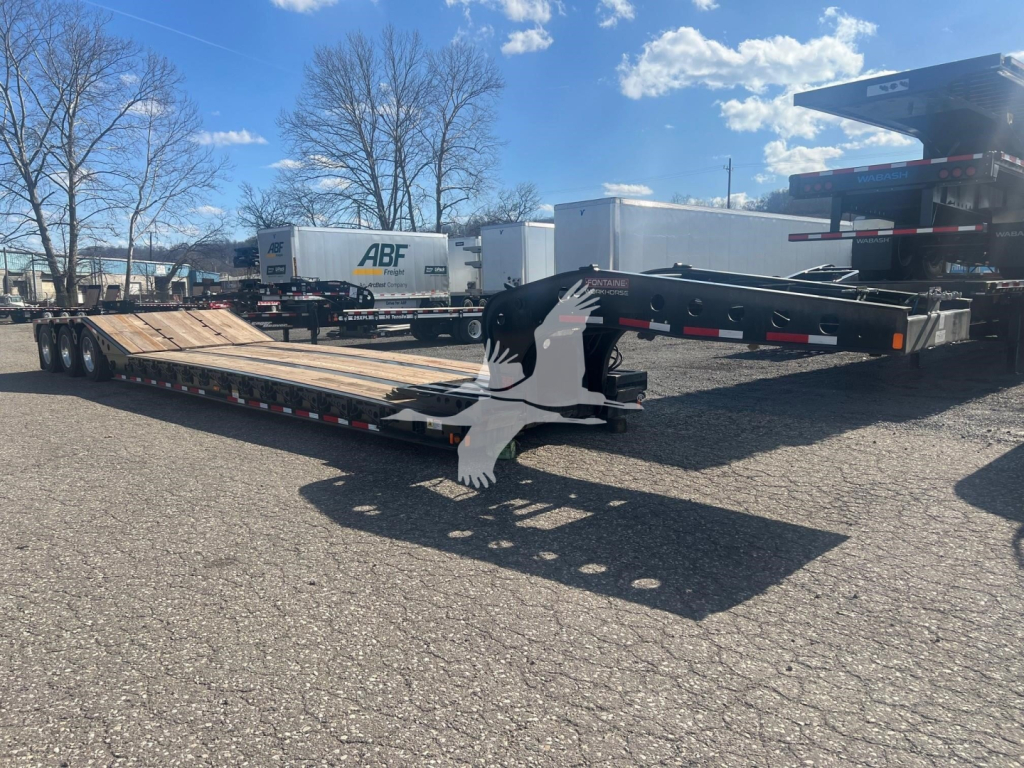
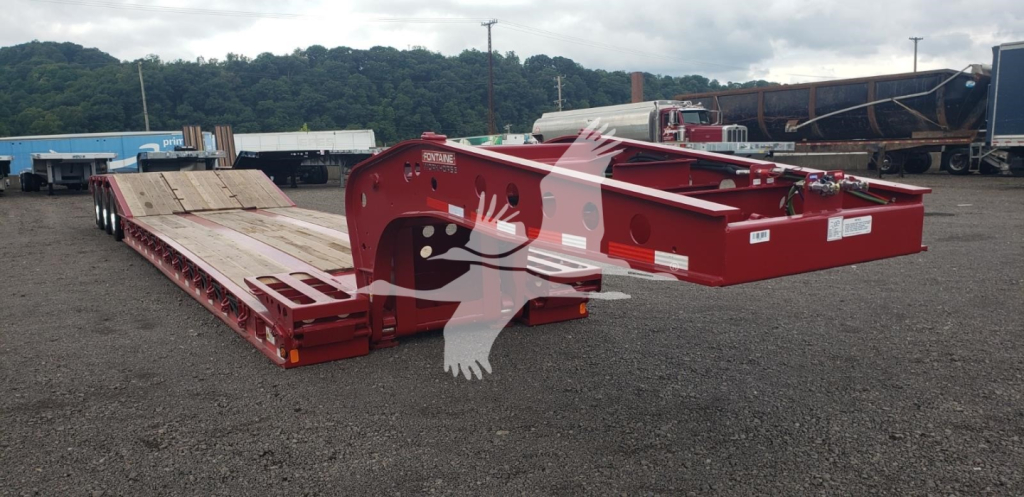
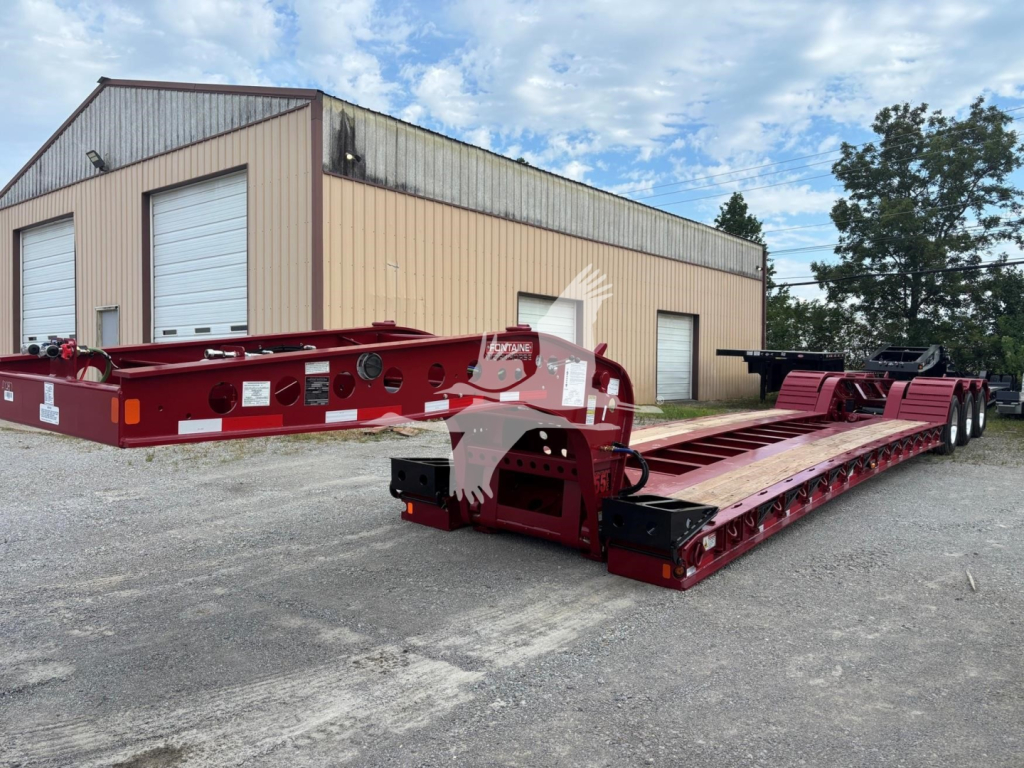
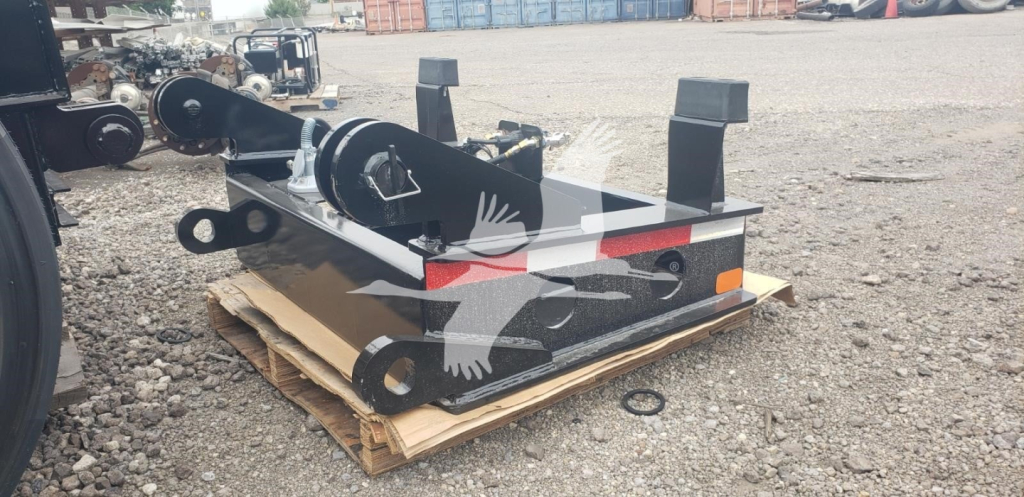
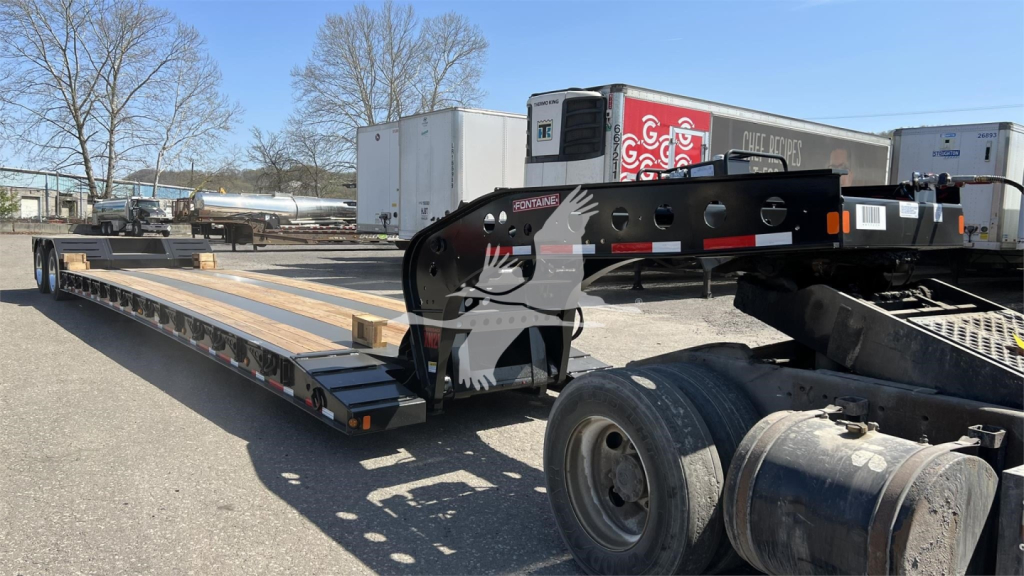
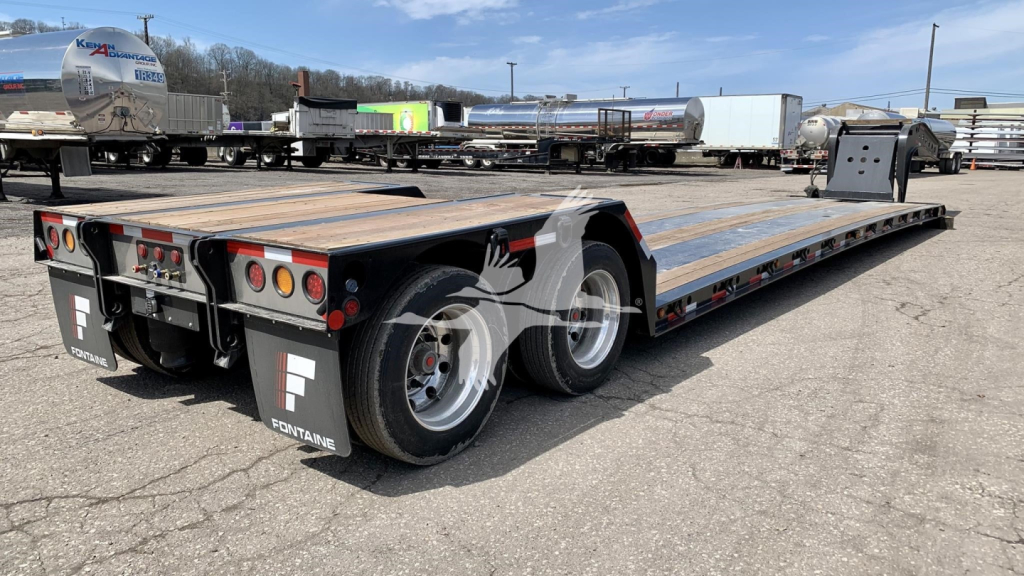
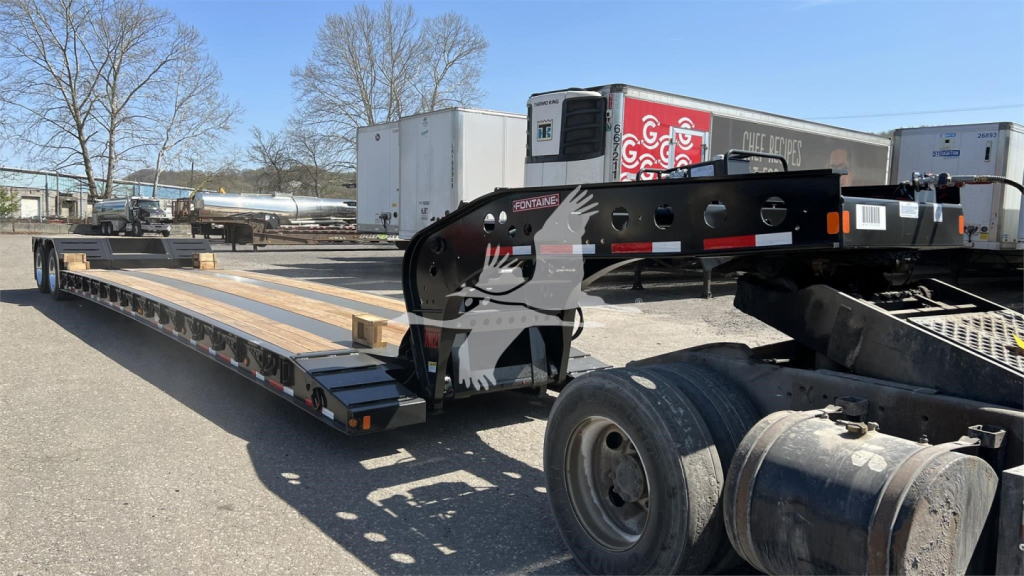
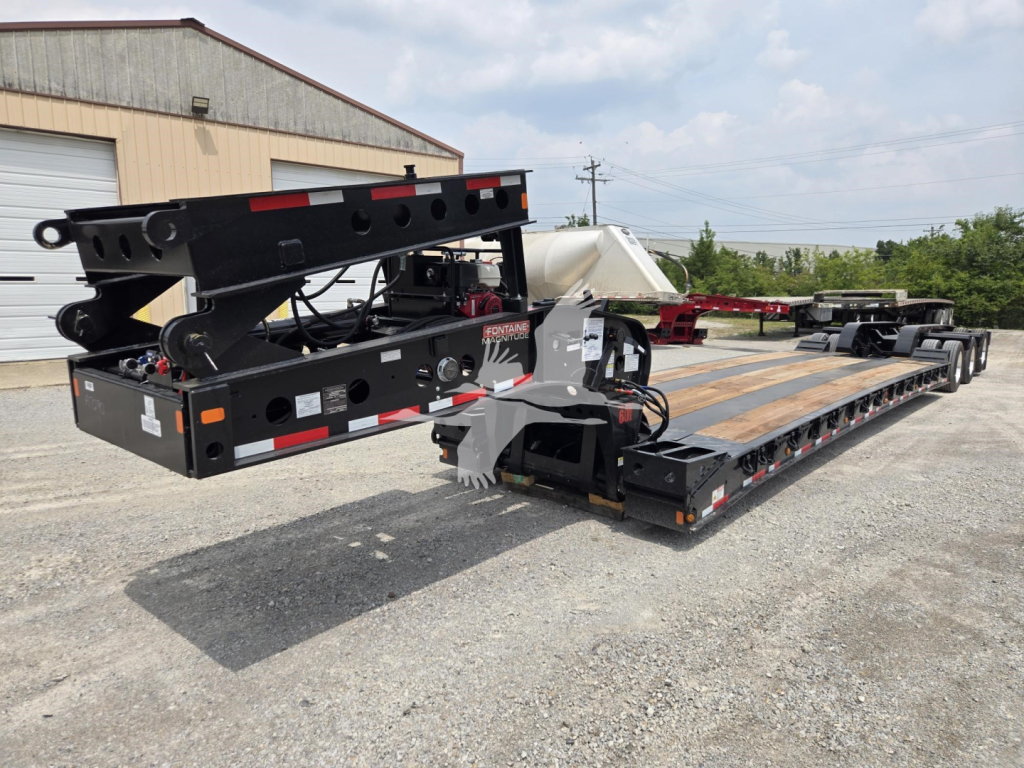
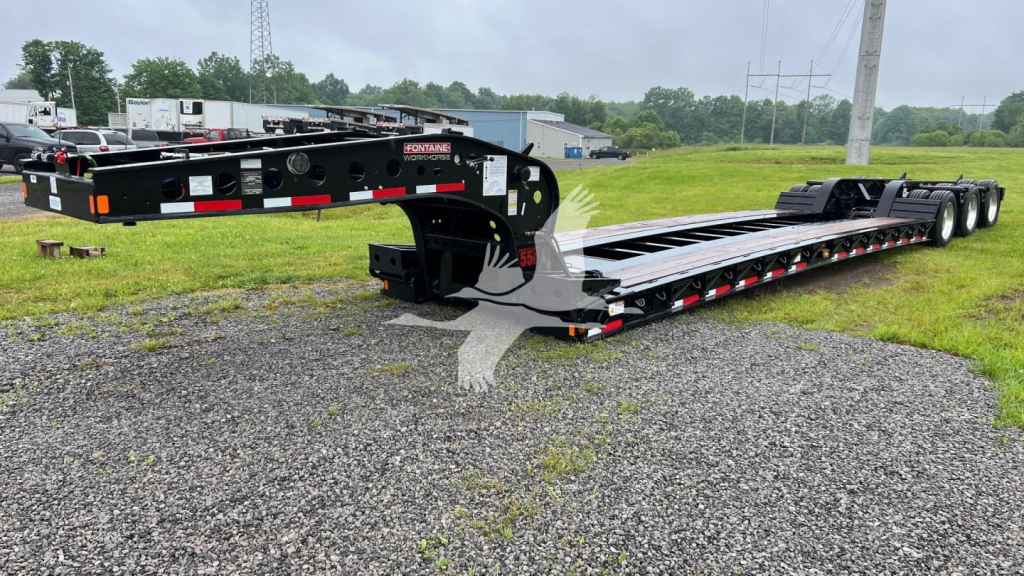
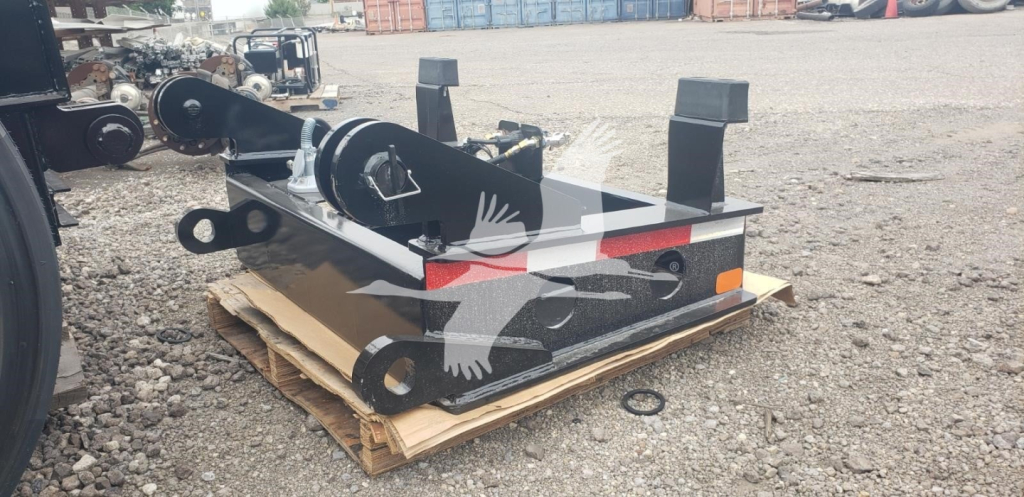
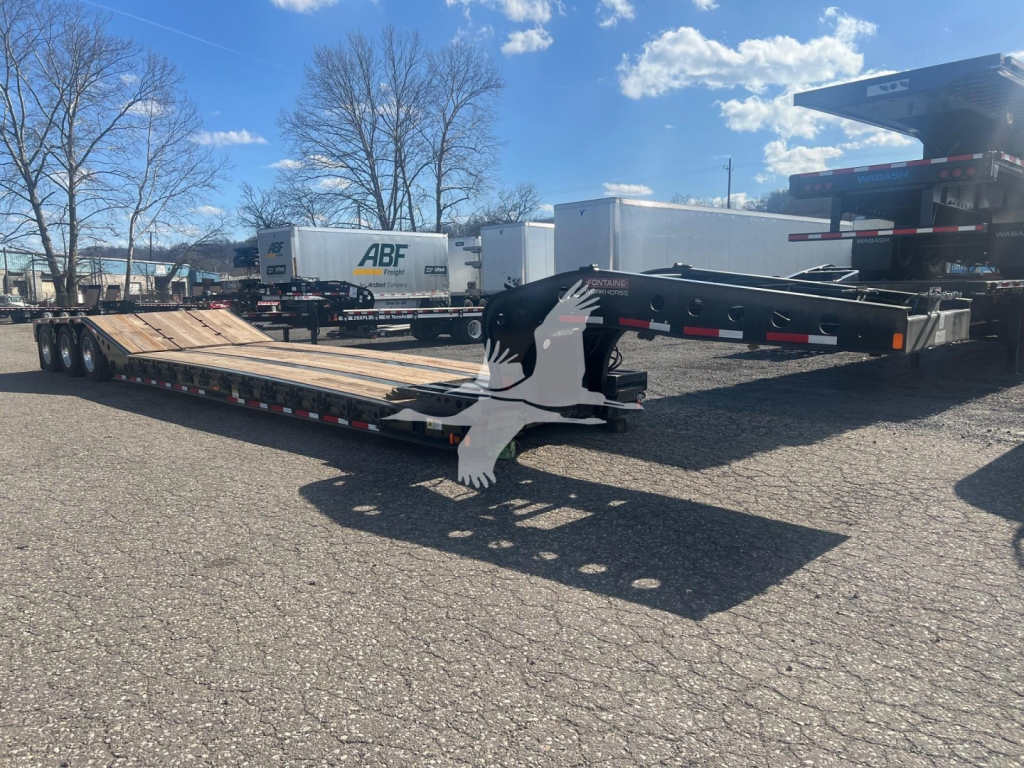
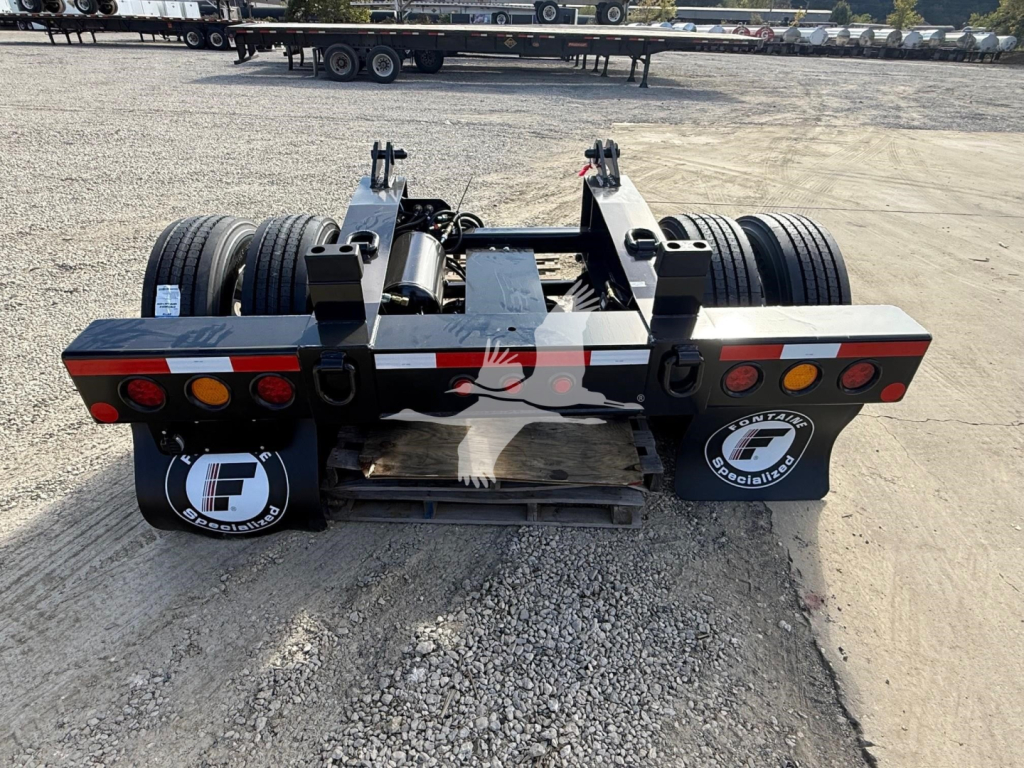
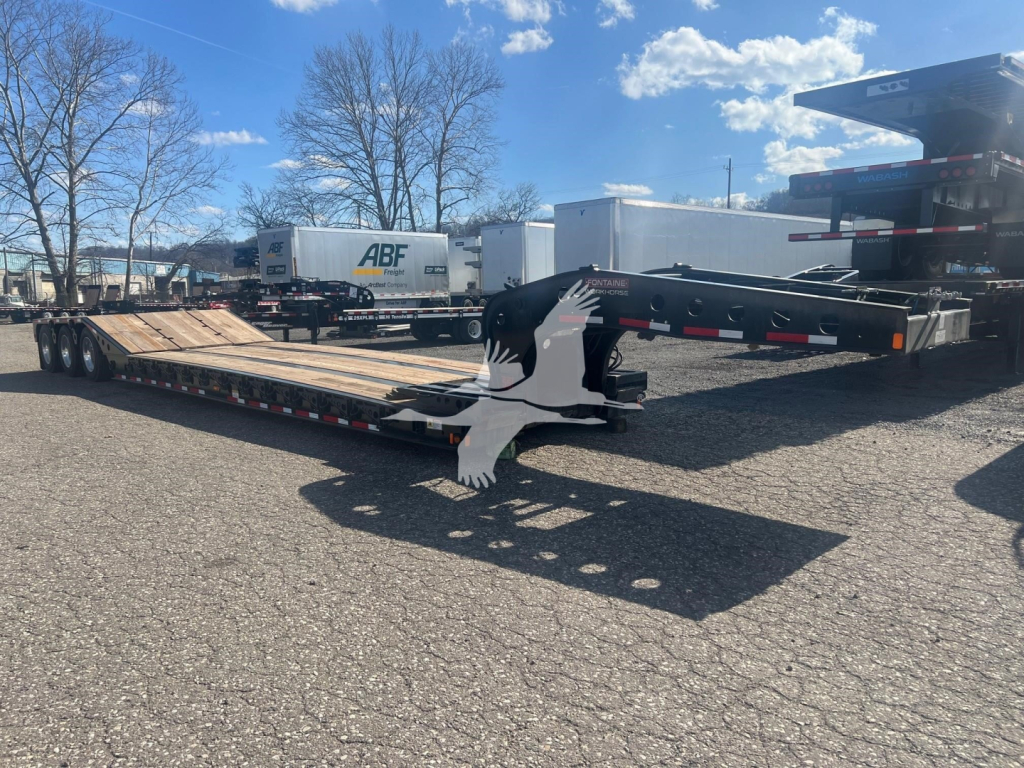
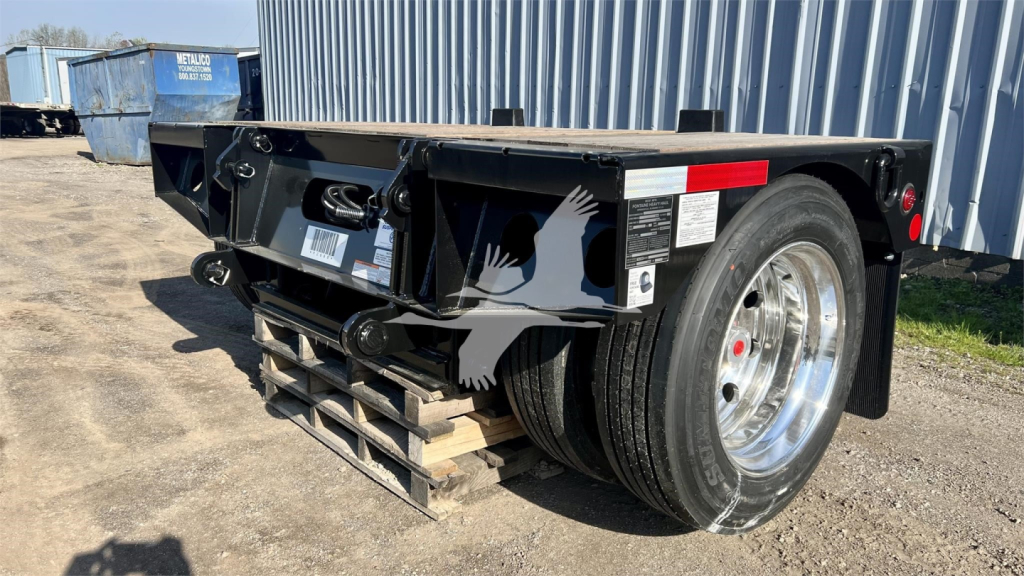
Showing 1 to 28 of 49 results
Selling a fontaine lowboy trailer? List your fontaine lowboy trailer for sale and reach thousands of commercial buyers.
Fontaine Lowboy Trailers in Iowa
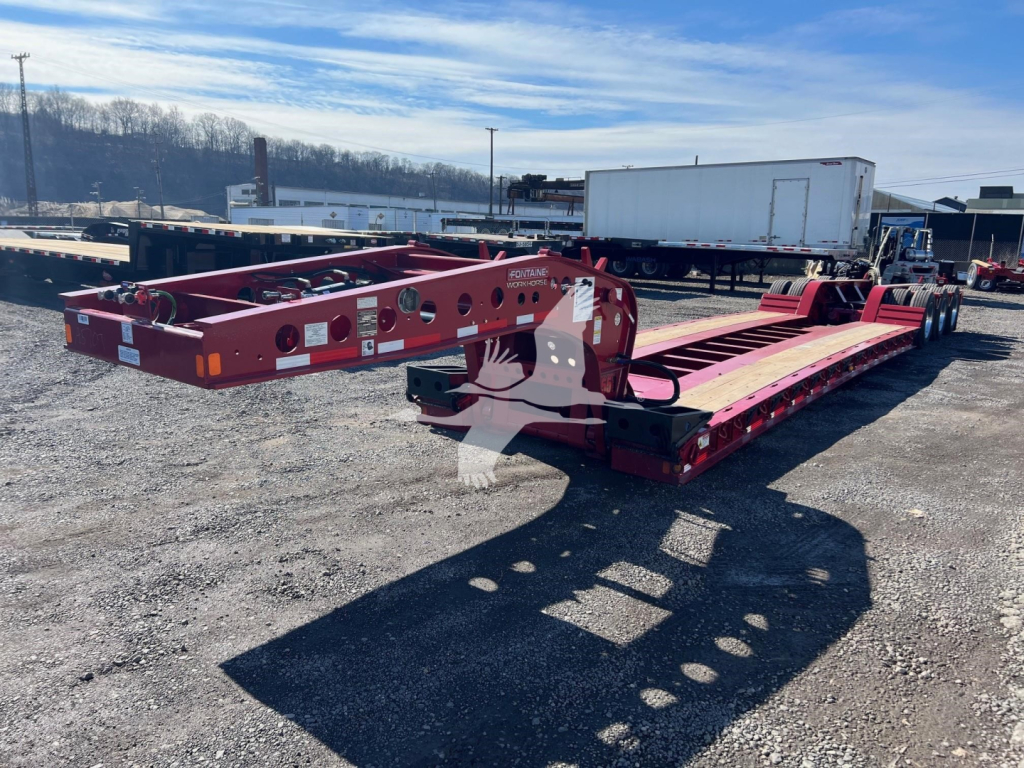
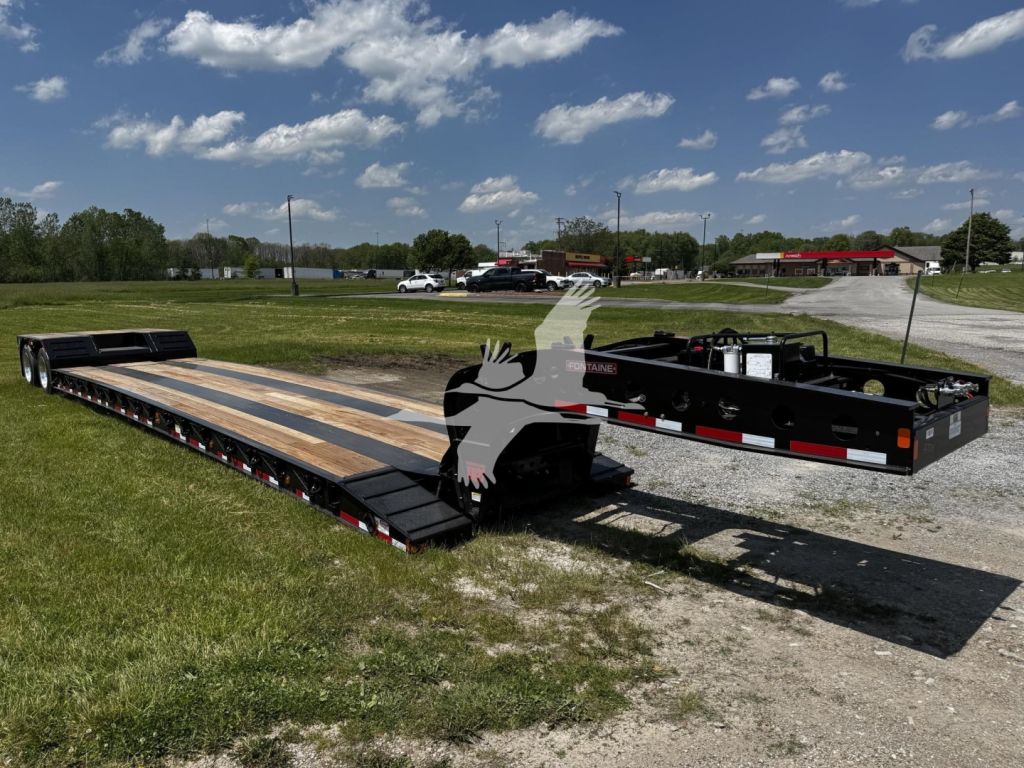
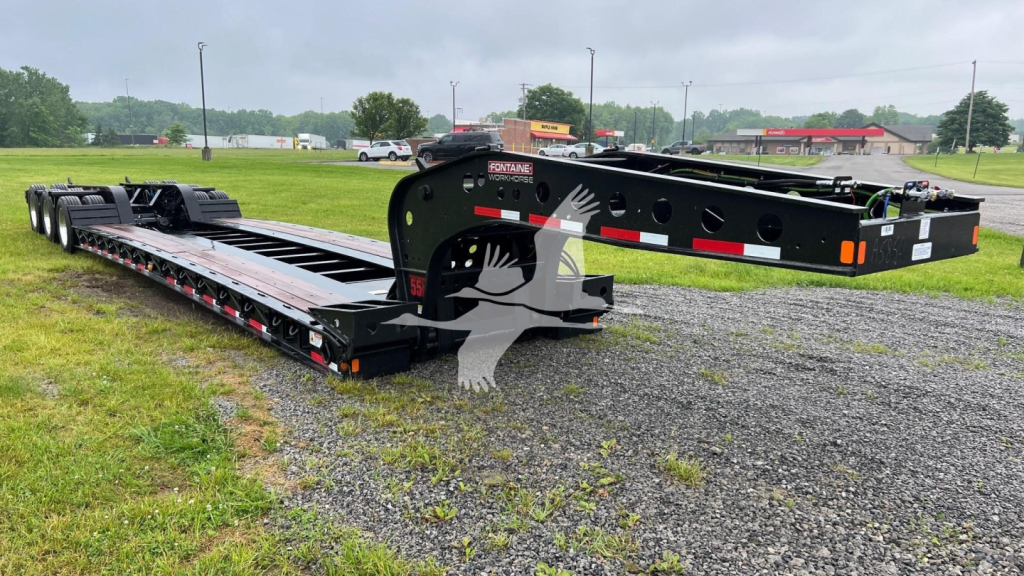
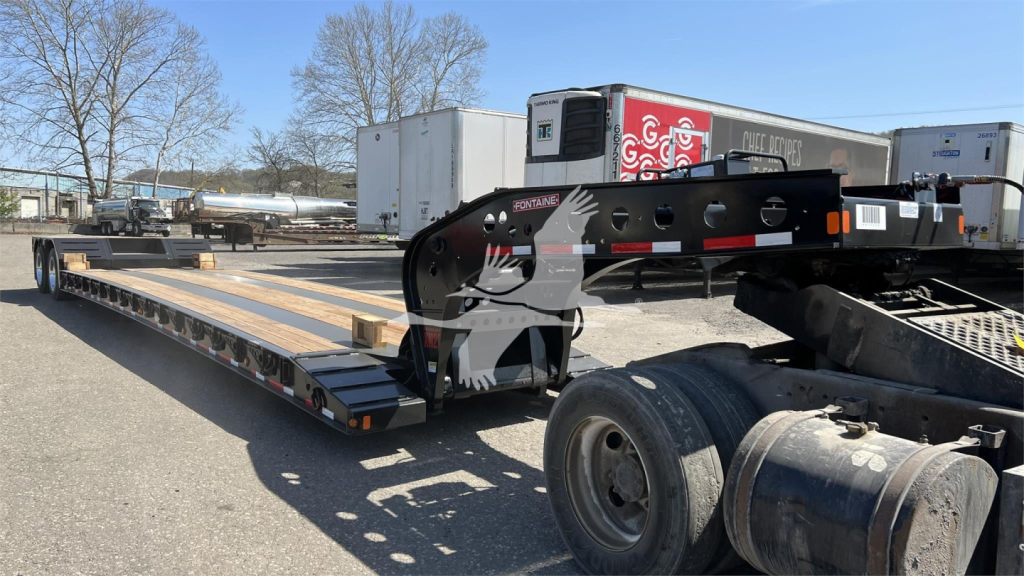
Within the Fontaine lowboy lineup, 55-ton class trailers are a common target for contractors and fleets that need serious capacity without stepping into a much more specialized heavy-haul configuration. Typical specs in this class include 24-foot to 26-foot deck lengths, loaded deck heights around 18 to 22 inches, ground clearance near 6 inches, and triaxle rear bogies. Capacity is often stated over a specific concentrated area, such as 100,000 to 110,000 pounds in 12 to 16 feet, so the real buying question is not just gross capacity but how your machine's weight is distributed. Excavators, dozers, asphalt equipment, and compact crushers all load differently, and that affects axle loading, deck fit, and the need for outriggers or boom well space.
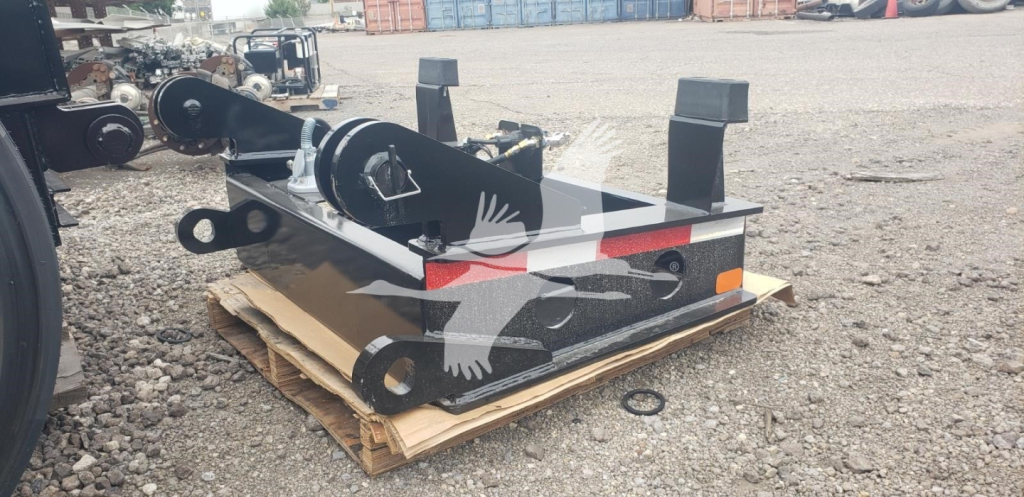
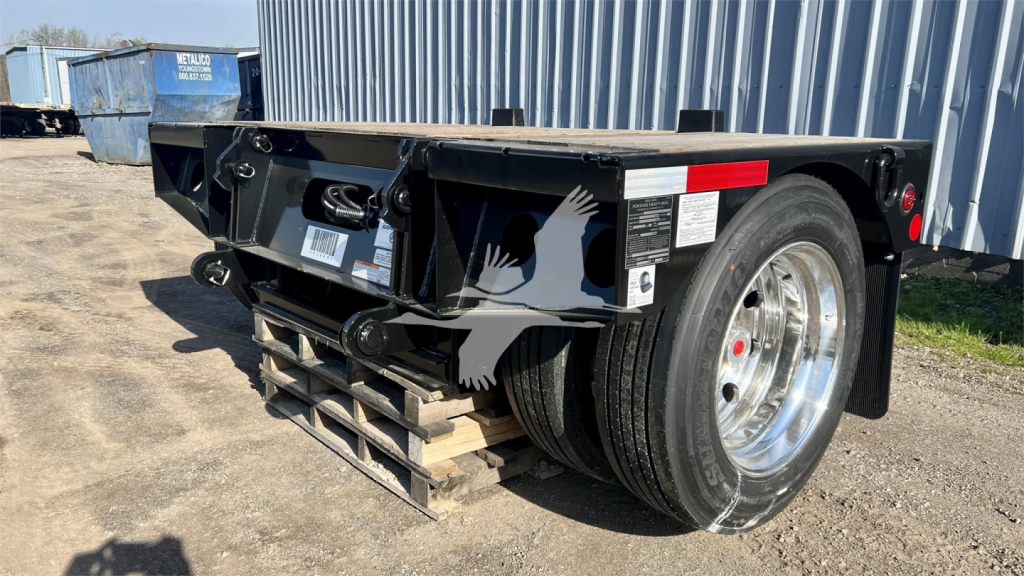
Neck and rear configuration deserve close attention because they drive day-to-day ease of use. Fontaine detachable gooseneck lowboys are commonly spec'd with mechanical or hydraulic detachable necks, ride height adjustment, swing clearance, and flip-down ramps or rear loading provisions depending on the job. A ratcheted multi-position neck can help match different tractor fifth wheel heights and improve loading geometry. Rear axle spread, lift axles, and flip axle compatibility also matter if you routinely chase heavier permitted loads. Many buyers also look for covered wheel areas, load-bearing wheel covers, storage trays, and full outriggers when hauling wider machines or attachments.
Fontaine has a strong reputation in heavy haul, and that shows up in practical design details that operators notice over time: stable deck feel, usable approach angles, and configurations that can be matched to both legal and permitted hauling. The best Fontaine lowboy trailer for sale is usually the one matched to your heaviest machine, your most frequent load height, and the permitting rules in the states you run. In Iowa and the surrounding Midwest, a well-spec'd triaxle lowboy with the right deck height, neck setting, and axle options can cover a broad range of construction and equipment transport work without giving up loading efficiency.
Frequently Asked Questions about Fontaine Lowboy Trailers in Iowa
What is the difference between a Fontaine flat low deck and a roller paver lowboy?
A Fontaine flat low deck lowboy is designed to provide a longer, more uniform deck surface for general heavy equipment hauling. A roller paver style lowboy uses tapered main beams and a gentler load angle to better handle low ground-clearance machines such as asphalt pavers, rollers, and some paving support equipment. The right choice depends on the shape of your equipment, breakover angle, and how much concentrated weight you need to carry in the deck area.
How do I choose the right capacity in a Fontaine lowboy trailer?
Start with the actual operating weight of your heaviest machine, then look at how that weight sits on the deck. Lowboy capacity is commonly rated over a specific length, such as 12, 13, or 16 feet, not just as a simple gross number. A machine with a heavy rear counterweight or closely spaced tracks can put more concentrated force into a shorter section of deck. Buyers should compare the machine's footprint, axle weights, and attachment weight against the trailer's concentrated load rating and axle configuration.
Why does loaded deck height matter so much on a lowboy?
Loaded deck height affects legal overall height, loading stability, and what kind of equipment you can move without route restrictions. An 18-inch loaded deck height can make a meaningful difference compared with a 22-inch deck when hauling taller excavators, dozers with cabs, or crushers. Lower deck height can also improve stability, but it must be balanced against ground clearance and the types of roads, entrances, and jobsite transitions the trailer will see.
When would I need a flip axle or lift axle on a Fontaine lowboy?
A flip axle or lift axle is useful when you need to distribute weight across more axles for heavier permitted loads. This can help with bridge formulas, state axle laws, and load equalization on heavier machines. If your hauling mix includes equipment that pushes a triaxle lowboy near its legal or permitted limits, planning for flip axle compatibility can make the trailer more versatile. The exact benefit depends on the states you operate in and the way your loads scale across the tractor and trailer.
What features should Iowa buyers pay attention to on a Fontaine lowboy?
Iowa buyers should pay close attention to axle spread, deck height, load angle, detachable neck style, and compatibility with common Midwest permitting requirements. Road conditions, bridge routes, and seasonal construction work can all influence the best trailer setup. For mixed-use fleets, practical options such as storage trays, outriggers, covered rear bogies, and ride height adjustment can improve loading efficiency and jobsite flexibility without moving into a more specialized heavy-haul trailer than the work requires.