
2024 Fontaine Lowboy Trailers For Sale
Shop 2024 Fontaine lowboy trailers. Compare detachable neck, 35 to 55 ton capacities, deck height, axle setups, and heavy haul options.
Learn more
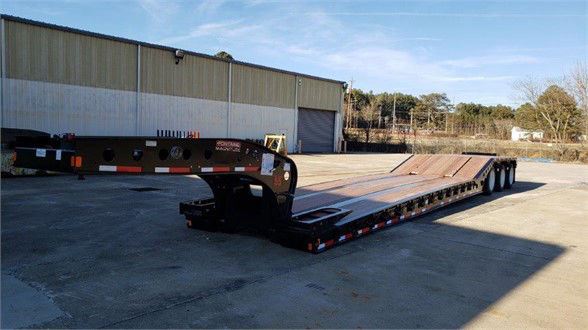
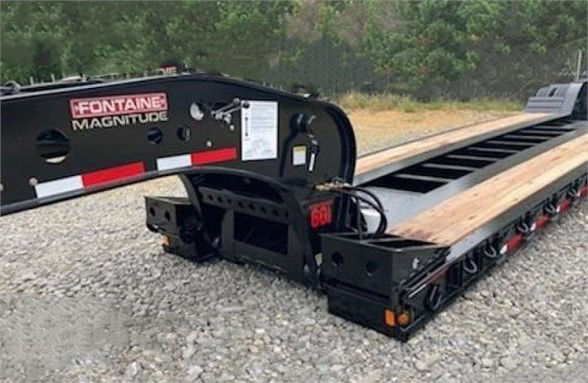
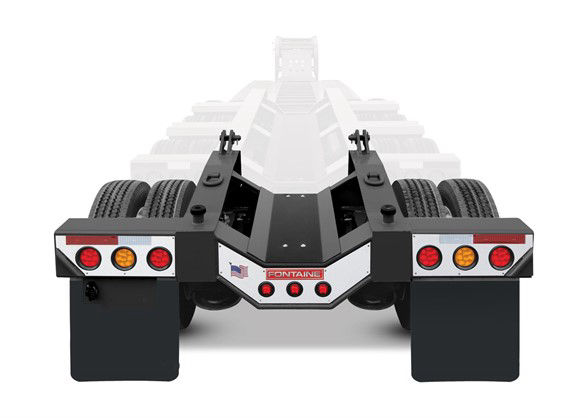
Have 2024 fontaine lowboy trailer to sell? List it here to reach thousands of buyers.
About 2024 Fontaine Lowboy Trailers
On Fontaine lowboys, the key specs usually start with capacity and deck geometry. Many buyers in this class are looking at 35 ton, 50 ton, or 55 ton ranges, often with a 26-foot main deck or other deck lengths depending on machine mix. Loaded deck heights around 18 inches are common on heavier steel lowboy designs, while some mini-deck configurations run even lower. Hydraulic detachable goosenecks are popular because they speed loading and unloading and make it easier to drive equipment on from the front. Pay close attention to whether the neck is non-ground bearing or ground bearing, the available ride height positions, kingpin settings, swing clearance, and whether the trailer is set up for flip axle, booster, or spreader bar configurations. Those details determine how easily the trailer can be adapted as your freight profile changes.
Axle group and suspension choices have a direct effect on bridge compliance, maneuverability, and roadability. Tridem lowboy setups remain common for 55 ton work, often with air ride suspension, air lift on one axle, and manual dump valves for load transfer and deck control. Tire size, axle spread, and closed tandem or wider spread settings can all matter depending on the states you run most often. Buyers should also look closely at frame design and securement features such as crossmember spacing, chain slots, D-rings, outriggers, side rails, and hammer plates over high-wear deck sections. If you haul tracked equipment regularly, deck construction, wood type, traction cleats, and boom wells deserve extra attention because they affect both loading confidence and long-term maintenance.
The right 2024 Fontaine lowboy depends on the weight and footprint of the machines you haul every week, not just the maximum capacity on paper. A trailer rated for 55 tons in a specified deck length can behave very differently from one with the same headline rating but different deck layout, neck design, or rear attachment options. For buyers comparing listings, it helps to confirm concentrated load rating, loaded fifth wheel height, rear deck arrangement, flip axle compatibility, and overall trailer weight before making a decision. Fontaine lowboys are often selected by fleets and owner-operators that need a durable heavy haul platform with flexible configurations for construction, infrastructure, energy, and equipment transport.
Frequently Asked Questions
What is the advantage of a Fontaine lowboy trailer over a standard flatbed or step deck?
A lowboy trailer provides a much lower deck height than a flatbed or step deck, which allows taller equipment to be hauled while staying within legal height limits. That is the main reason buyers choose a lowboy for excavators, dozers, loaders, pavers, and other off-road machines. A Fontaine lowboy also typically offers heavier concentrated load ratings, detachable gooseneck loading, and axle options that are better suited to heavy haul applications than a general-purpose trailer.
What capacity range is common for Fontaine lowboy trailers?
Fontaine lowboy trailers are commonly found in several heavy haul capacity classes, with 35 ton, 50 ton, and 55 ton configurations among the most common. The actual usable capacity depends on more than the advertised ton rating. Buyers should verify the rating over a stated deck length, the axle configuration, the presence of flip axle or spreader compatibility, and the trailer's tare weight. A 55 ton rating in a short section of deck is not the same as a 55 ton rating distributed over a longer loading area.
What should I look for in a detachable gooseneck lowboy?
The most important checkpoints are neck type, loaded fifth wheel height range, ease of hook-up, and compatibility with your tractor and loading routine. Many Fontaine lowboys use hydraulic detachable goosenecks, which are preferred for frequent equipment loading because they reduce manual work and improve loading speed. Buyers should also review kingpin settings, swing radius, ride height positions, and whether the neck is ground bearing or non-ground bearing, since those features affect loading conditions, tractor fitment, and maneuverability.
Why do flip axles and spreader options matter on a lowboy trailer?
Flip axles and spreader configurations matter because they expand how the trailer can be permitted and how weight can be distributed across axle groups. For operators hauling heavier or more variable loads, a trailer set up to accept a rear flip axle, flip box, or spreader bar can provide more flexibility across different states and route requirements. Even if those components are not used every day, having the trailer prepped for them can make the trailer more versatile and more valuable over time.
How do I choose the right deck length and deck height on a Fontaine lowboy?
Deck length should match the wheelbase, track length, and attachment overhang of the machines you haul most often. A longer clear deck can make loading easier and improve machine placement, but it can also affect tare weight and maneuverability. Deck height is just as important because it directly affects legal loaded height. Buyers hauling tall excavators, crushers, or specialty equipment usually prioritize the lowest practical loaded deck height, while also checking ground clearance, approach angle, and the durability of the floor and frame in high-stress loading zones.