
Used Hyundai Trailers For Sale
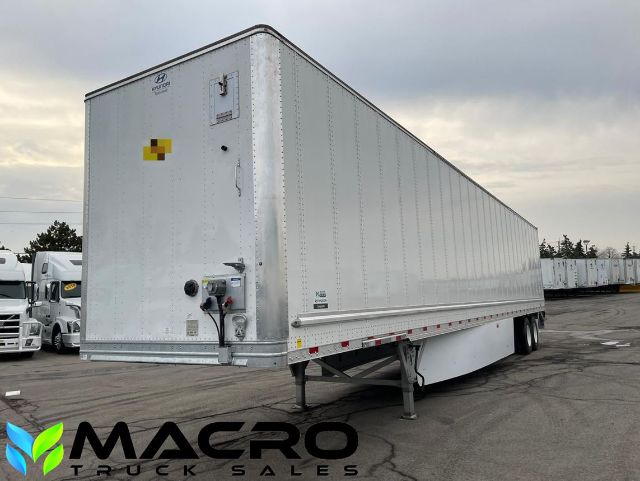
Shop used Hyundai trailers, including 53-foot dry vans, with common fleet specs like air ride, sliding tandems, roll-up doors, and tire systems.
Learn moreBrowse Hyundai Trailers by Category

Showing 37 to 47 of 47 results
Have used hyundai trailer to sell? List it here to reach thousands of buyers.
About Used Hyundai Trailers
The main buying decision on a used Hyundai trailer usually comes down to configuration and prior fleet spec. Suspension is a big separator. Air ride is preferred for ride quality and cargo protection, while spring ride can lower complexity and cost on the used market. Sliding tandems remain important for bridge law compliance, dock positioning, and weight distribution flexibility. Many Hyundai vans are equipped with tire inflation systems, low-profile 22.5 tires, disc wheels, and sometimes air-lift front axles. Aerodynamic options like side skirts show up on newer fleet units and can still matter to buyers running long highway miles. Interior specs also deserve a close look, including E-track, inside height, scuff liners or scuff plate condition, threshold plate wear, and any signs of forklift damage at the floor and rear frame.
Condition on a used Hyundai van trailer should be evaluated from the rear frame forward. Check the roll-up door balance and track wear, inspect the threshold and rear sill for cracking, and look closely at crossmembers, landing gear mounts, tandem slider rails, and suspension hangers. On aluminum vans, buyers should also pay attention to sidewall repairs, roof bows, rivet lines, and signs of impact or water intrusion. A galvanized rear frame can be a plus in regions that use road salt. If the trailer has an undertray system, verify door function and mounting integrity. Fleet-maintained Hyundai trailers can be strong value buys because the specs are often standardized, but that also means wear patterns tend to be predictable and worth inspecting carefully.
For most buyers, a used Hyundai trailer makes sense when the goal is dependable dry freight capacity with easy resale and widespread serviceability. Hyundai dry vans are also known simply as van trailers or box trailers, and they are often chosen by carriers that want proven fleet specs instead of highly customized bodies. Matching inside height, door style, suspension type, and cargo securement features to the freight is more important than model year alone. A well-kept older trailer with solid floors, straight rails, a healthy slider, and clean door operation can be the better buy over a newer unit with hard dock and forklift wear.
Frequently Asked Questions
What are the most common specs on a used Hyundai dry van trailer?
Most used Hyundai dry van trailers on the market are 53 feet long and 102 inches wide, with aluminum construction and high-cube van bodies. Common specs include wood flooring, plywood interior lining, scuff plates, roll-up rear doors, sliding tandems, and 22.5 low-profile tires. Depending on the original fleet order, you may also see air ride suspension, tire inflation systems, side skirts, air-lift axles, front and rear vents, and E-track for cargo securement.
Is air ride or spring suspension better on a used Hyundai trailer?
Air ride is generally the better choice for carriers hauling sensitive freight or running higher-mile highway lanes because it improves ride quality and can reduce cargo shock. Spring suspension can still be a practical option for buyers prioritizing lower acquisition cost and simpler mechanical systems. The right answer depends on freight type, maintenance preference, and the condition of the suspension components on the specific trailer being considered.
What should I inspect first on a used Hyundai van trailer?
Start with the floor, rear frame, and tandem slider assembly because those areas often show the clearest signs of hard service. Check for soft floor spots, forklift gouging, threshold plate damage, cracked crossmembers, slider rail wear, and poor tandem movement. After that, inspect the roll-up door, sidewalls, roof, rivet lines, suspension mounts, and tire inflation system if equipped. Water intrusion, impact repairs, and corrosion around the rear structure deserve extra attention.
Are Hyundai Translead trailers considered good fleet trailers?
Hyundai Translead trailers are widely regarded as solid fleet dry vans because they are common, serviceable, and usually built around practical large-fleet specs. That means buyers often benefit from familiar parts, predictable maintenance needs, and decent resale demand. The brand's reputation is strongest in standard dry van applications where lightweight aluminum construction, cargo cube, and broad repair support are more important than specialized trailer features.
Do newer aerodynamic features on a used Hyundai trailer still matter?
They can matter if the trailer will spend most of its time on long interstate runs. Features like side skirts can contribute to fuel savings when they are intact and properly mounted, especially in high-mile operations. For regional or lower-speed work, overall structural condition, floor life, suspension health, and door function usually matter more than aerodynamic add-ons. Buyers should treat aero equipment as a secondary value point, not a substitute for a sound trailer structure.