
Trailers For Sale Near Houston, Texas
Browse trailers for sale in Houston, Texas, including dry vans and reefers with common specs like 53-foot length, air ride, and sliding tandems.
Learn moreNo exact matches found for your search
Showing Trailers in Texas instead.
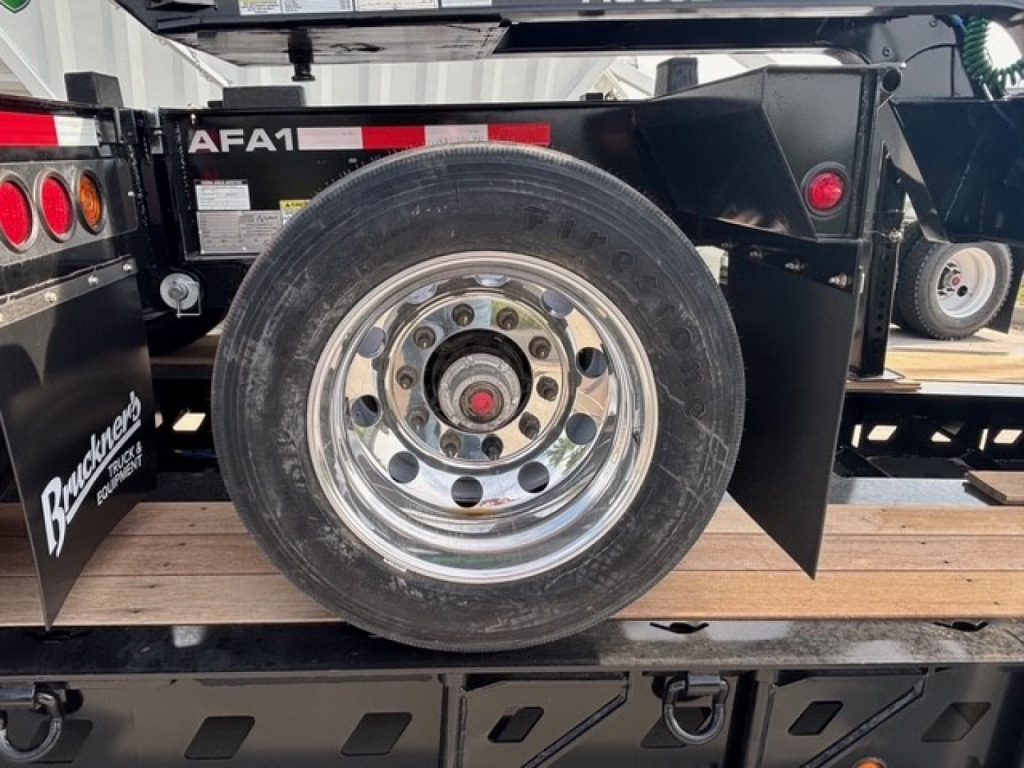
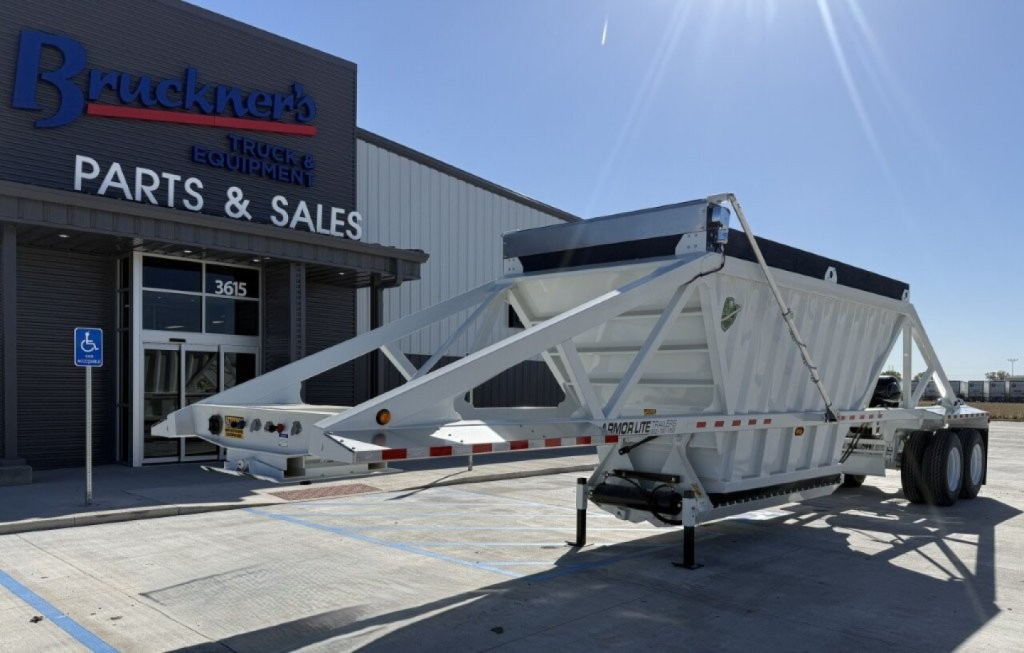
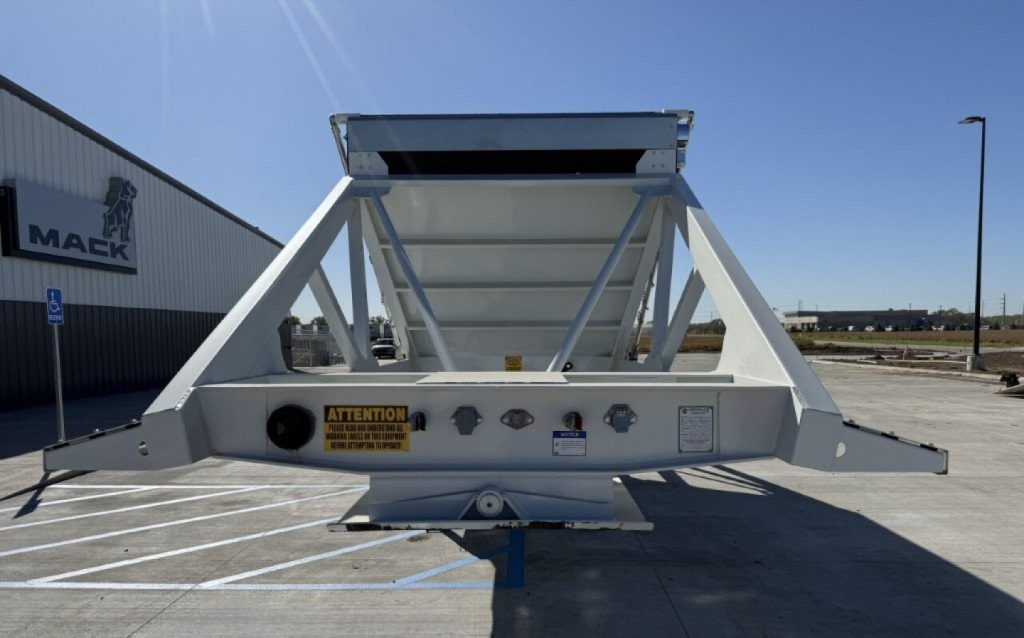

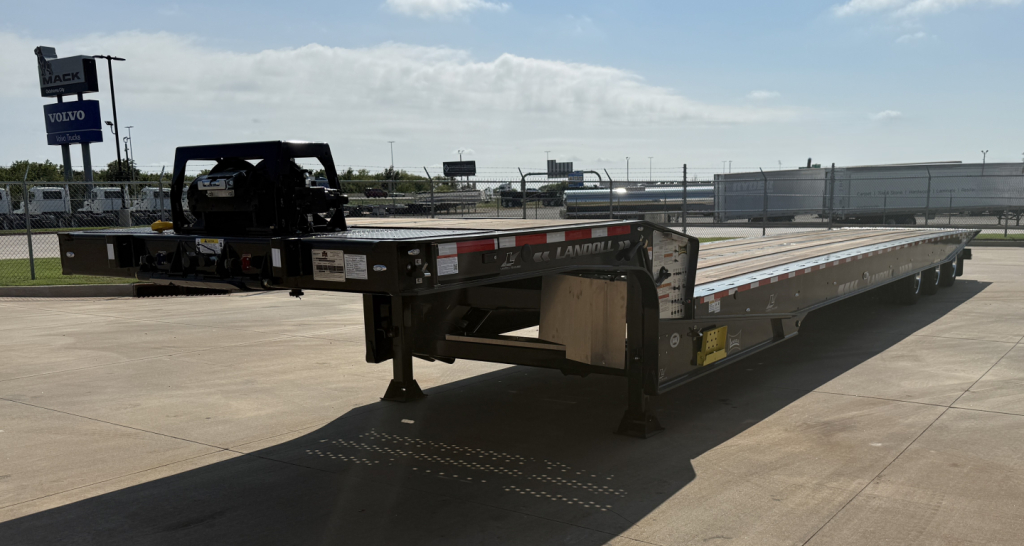
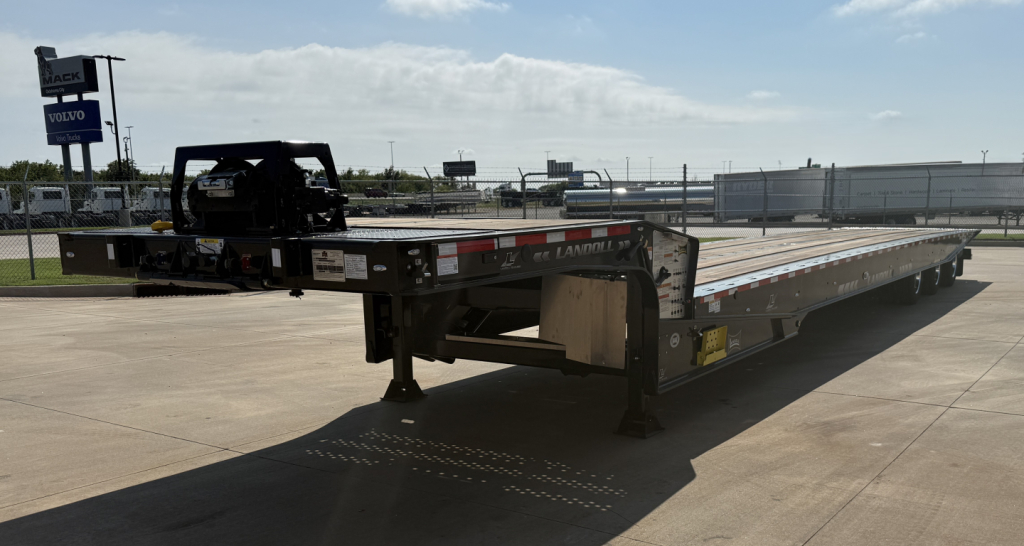
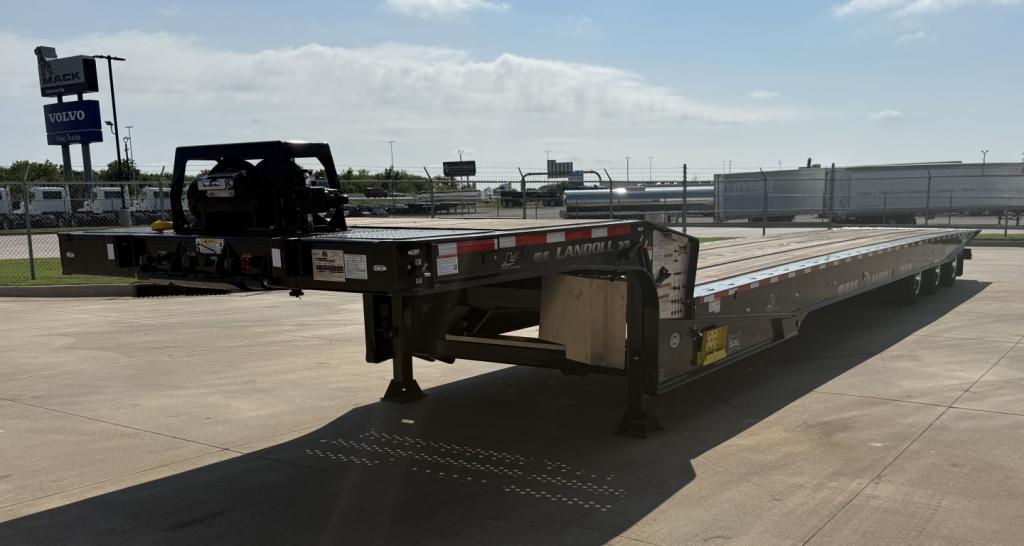
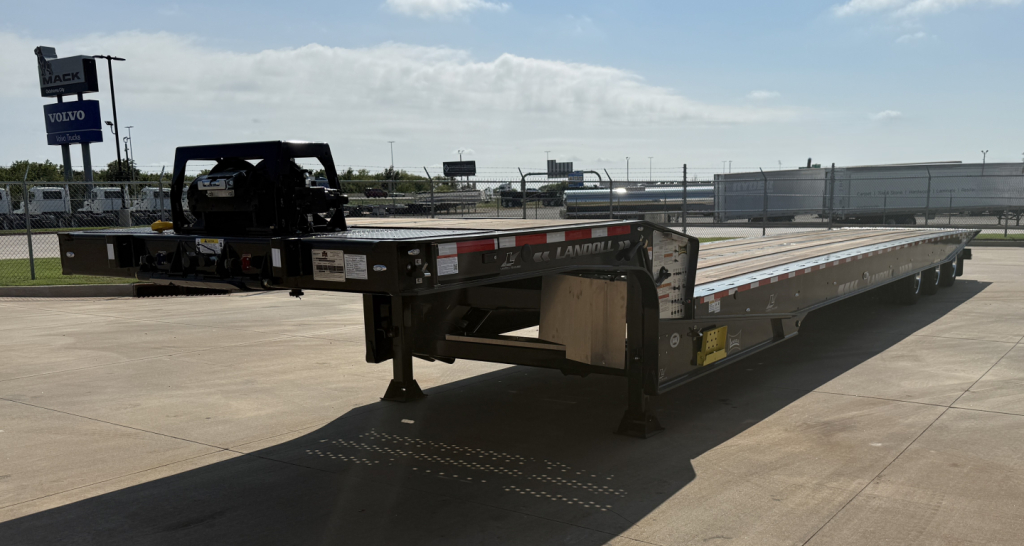
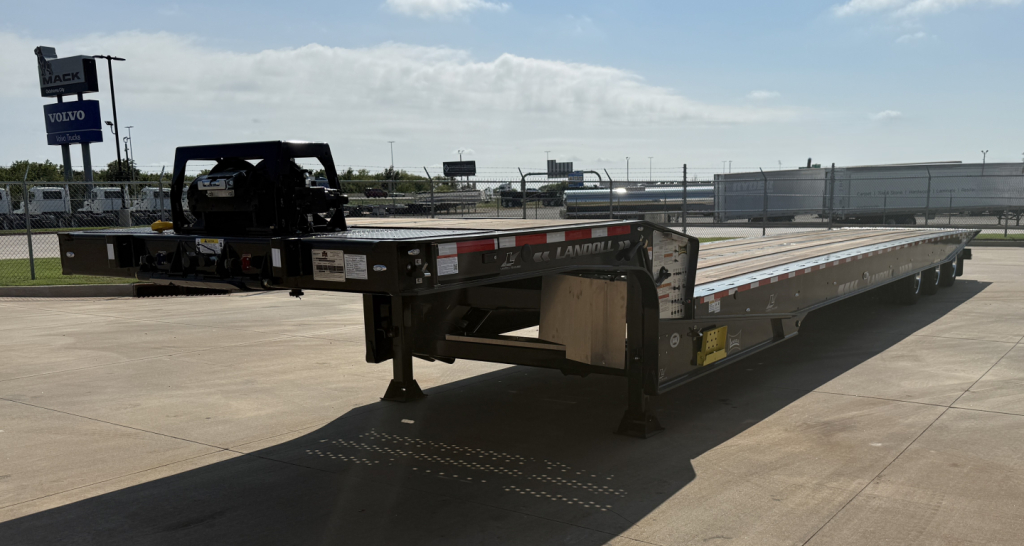
Showing 13 to 24 of 217 results
Have trailer to sell? List it here to reach thousands of buyers.
About Trailers Near Houston, Texas
The first buying decision is usually body type, then floor and cargo-control setup. A dry van with a wood floor, scuff liner or scuff plate, logistics posts, and E-track is a practical choice for mixed freight and frequent loading cycles. Reefer buyers should pay close attention to unit brand and model, floor style, door configuration, and interior dimensions. Aluminum duct floors and flat floors affect airflow, cleanout, and pallet handling differently. Multi-temp reefers often include side doors, roll-up rear doors, and bulkhead-compatible layouts for route delivery work. Inside height matters if you are trying to maximize cube, while threshold plates, stainless steel door frames, and front radius panels can be valuable indicators of durability in high-cycle service.
Running gear and suspension spec matter just as much as the box. Air ride suspension is preferred for ride quality and cargo protection, while spring suspension can still make sense in certain regional or vocational applications where simplicity and cost control are priorities. Sliding tandem axles help with bridge law compliance and weight distribution, especially in Texas and neighboring freight lanes where shippers may load heavy or inconsistent pallet counts. Disc brakes, tire inflation systems, side skirts, low-profile 22.5 tires, and aluminum wheels can all influence maintenance intervals, fuel economy, and total operating cost. Buyers should also check kingpin setting, rear frame condition, crossmembers, door seals, and roof integrity, especially on used trailers that have spent years in dock service.
Houston is a strong trailer market because freight here ranges from port and warehouse distribution to regional grocery and long-haul dry freight. That makes trailer spec matching especially important. A van trailer suited for consumer goods may not fit food-grade reefer work, and a multi-temp reefer built for urban delivery may be over-specialized for long-haul single-temp lanes. The best trailer choice comes down to commodity, loading method, route length, and maintenance support. A well-matched trailer improves payload utilization, reduces claims, and keeps the tractor moving instead of waiting on the wrong box for the job.
Frequently Asked Questions
What is the difference between a dry van trailer and a reefer trailer?
A dry van trailer is an enclosed freight trailer for general cargo that needs protection from weather and road debris but does not require temperature control. A reefer trailer uses an insulated body and a refrigeration unit to maintain cargo temperature for produce, frozen foods, dairy, pharmaceuticals, and other sensitive freight. Reefer trailers are typically heavier, more complex, and more expensive to maintain than dry vans, but they are necessary for cold-chain work.
Why are 53-foot trailers so common?
A 53-foot trailer is the standard length for most van and reefer freight because it offers strong cubic capacity while remaining practical for dock operations, highway routing, and fleet standardization. This size works well for palletized freight, retail distribution, and long-haul service. Buyers often choose 53-foot trailers because they are easier to integrate into existing operations, driver familiarity is high, and parts and service support are widely available.
What should I inspect first on a used trailer?
Start with the structural and high-cost items. Check the frame, crossmembers, roof, rear frame, floor condition, suspension, axle alignment, brakes, and tires. On dry vans, inspect door hardware, logistics tracks, scuff liners, and signs of sidewall damage from forklifts. On reefer trailers, inspect the refrigeration unit hours, maintenance history, evaporator and condenser condition, door seals, insulation integrity, and floor wear. A trailer can look clean outside and still have expensive deferred maintenance underneath or inside the box.
Is air ride better than spring suspension on a trailer?
Air ride suspension is generally preferred for highway use because it improves ride quality, helps protect delicate cargo, and can reduce trailer shock and vibration. It is common on fleet dry vans and reefers moving palletized goods over long distances. Spring suspension is simpler and can be less expensive to maintain, but it usually delivers a rougher ride. The right choice depends on commodity type, operating area, maintenance practices, and cost priorities.
What features matter most on a reefer trailer for food distribution?
For food distribution, buyers usually focus on refrigeration unit performance, temperature consistency, interior cleanliness, floor design, and cargo-control layout. Multi-temp capability, bulkhead compatibility, side doors, and roll-up rear doors can be important for route delivery operations. Stainless steel door frames, scuff protection, and durable flooring help the trailer hold up under heavy dock use and washdown routines. It is also important to confirm unit service records and verify that the trailer body seals properly to maintain temperature and reduce fuel consumption.