
Utility Flatbed Trailers For Sale
Shop Utility flatbed trailers built for steel, lumber, machinery, and general freight. Compare 48' and 53' specs, axle setups, decks, and options.
Learn more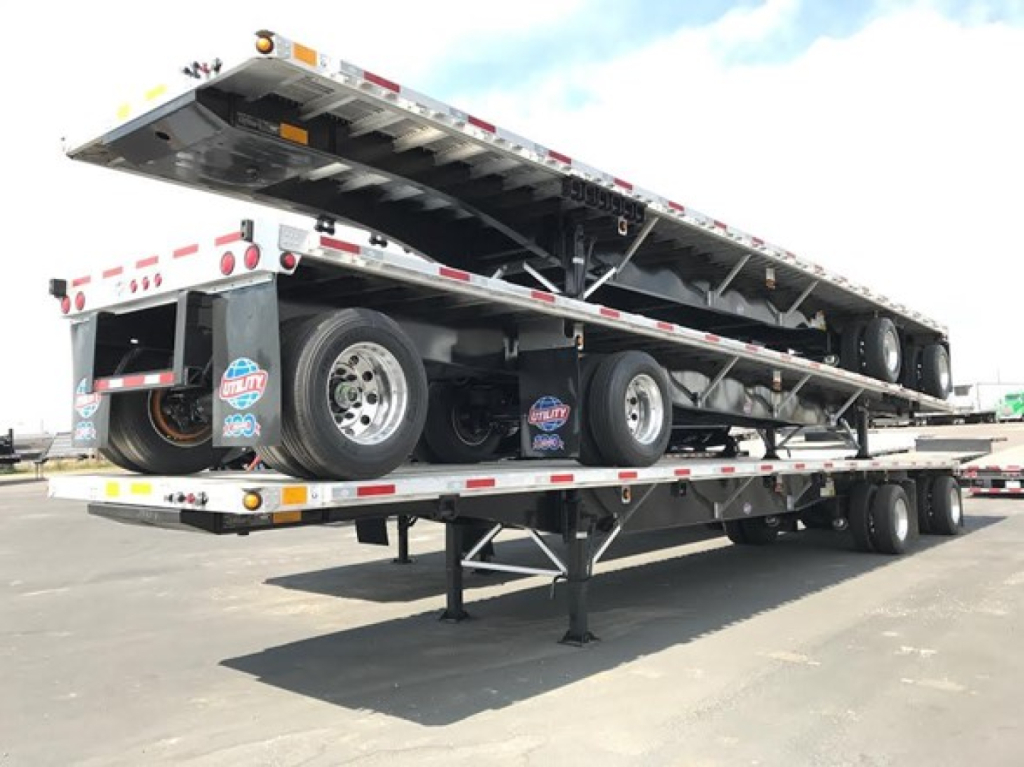
Showing 25 to 25 of 25 results
Have utility flatbed trailer to sell? List it here to reach thousands of buyers.
About Utility Flatbed Trailers
The biggest buying decisions usually come down to axle layout, deck construction, and load securement package. Closed tandem, sliding tandem, rear slide, and fixed spread axle setups all serve different operating needs. A sliding tandem gives flexibility for bridge laws and dock positioning, while a spread axle can improve weight distribution and stability but may limit maneuverability in tighter yards. California-legal specs matter if the trailer will run in western regional service, and low-profile 22.5 tires can help manage deck height. On the deck side, aluminum flooring and combo construction help keep empty weight down, while Apitong wood decks remain widely respected for traction, durability, and ease of repair. Nail strips, stake pockets, pipe spools, and full winch tracks on both sides add day-to-day versatility for mixed freight.
Utility flatbeds are often spec'd with sliding winches, coil packages, toolboxes, air ride suspension, and dump valves because those features directly affect productivity and cargo control. A coil package is important if the trailer will haul concentrated steel loads, since the reinforced coil well area is designed for that application. Air ride is preferred by many fleets for ride quality and cargo protection, while spring ride can still make sense for buyers focused on simplicity and lower upfront cost. Buyers should also look closely at wheel spec, brake condition, tire size, ICC bumper design, and how the kingpin and axle settings fit the intended freight lanes and state weight rules.
When comparing Utility flatbed trailers for sale, condition matters as much as base spec. On used units, pay attention to deck wear, crossmember condition, frame corrosion, winch track damage, suspension bushing wear, and any signs of heavy concentrated loading. On newer trailers, the value is often in how well the trailer is already equipped for the work, especially if it includes dual-side winch tracks, double pipe spools, stake pockets throughout, and the right axle spread for your lanes. A well-matched Utility flatbed trailer can lower empty weight, simplify securement, and handle a broad mix of legal open-deck freight with fewer compromises.
Frequently Asked Questions
What is the difference between a Utility combo flatbed and a steel flatbed?
A Utility combo flatbed typically uses steel main beams with aluminum crossmembers, side rails, and deck structure to reduce tare weight while maintaining strength in key load-bearing areas. A full steel flatbed generally weighs more but can be attractive for severe-duty applications and for fleets that prefer simpler structural repairs. The lighter combo design usually gives the buyer more payload capacity, which can matter on dense freight such as steel, lumber, and building products.
Should I choose a sliding tandem, rear slide axle, or spread axle on a Utility flatbed trailer?
The right axle setup depends on freight lanes, state bridge laws, and how much maneuverability you need. A sliding tandem offers flexibility for weight distribution and is widely used in general over-the-road service. A rear slide axle setup can help meet specific legal requirements while preserving payload options. A spread axle can improve stability and weight distribution, but it often increases tire scrub in tight turns and may be less convenient in crowded yards or urban delivery environments.
Why is an Apitong wood deck still common on flatbed trailers?
Apitong remains popular because it provides strong load support, good traction, and practical serviceability. It handles forklifts and concentrated loads well, and damaged boards can often be replaced without major structural work. Many operators still prefer wood decking for mixed commodity hauling, even when the trailer uses aluminum components elsewhere to save weight.
What is a coil package on a flatbed trailer?
A coil package is a reinforced trailer configuration designed to carry steel coils safely in a designated load area. It typically includes a coil well or reinforced center section that helps support concentrated weight and keep the load positioned lower on the deck. If the trailer will regularly haul steel coils, this is an important spec because a standard flatbed without a proper coil package may not be suitable for that type of freight.
What should I inspect on a used Utility flatbed trailer before buying?
The most important checks are the condition of the frame, crossmembers, side rails, deck surface, suspension, brakes, tires, and all cargo securement components. Look for cracked welds, corrosion, bent winch tracks, worn stake pockets, damaged pipe spools, and uneven tire wear that could point to alignment or suspension issues. It is also worth confirming axle placement, kingpin setting, and any prior repairs so the trailer matches your legal and operational requirements.