
Used Utility Flatbed Trailers For Sale
Shop used Utility flatbed trailers with common specs, deck options, suspension setups, and securement features for steel, lumber, and general freight.
Learn more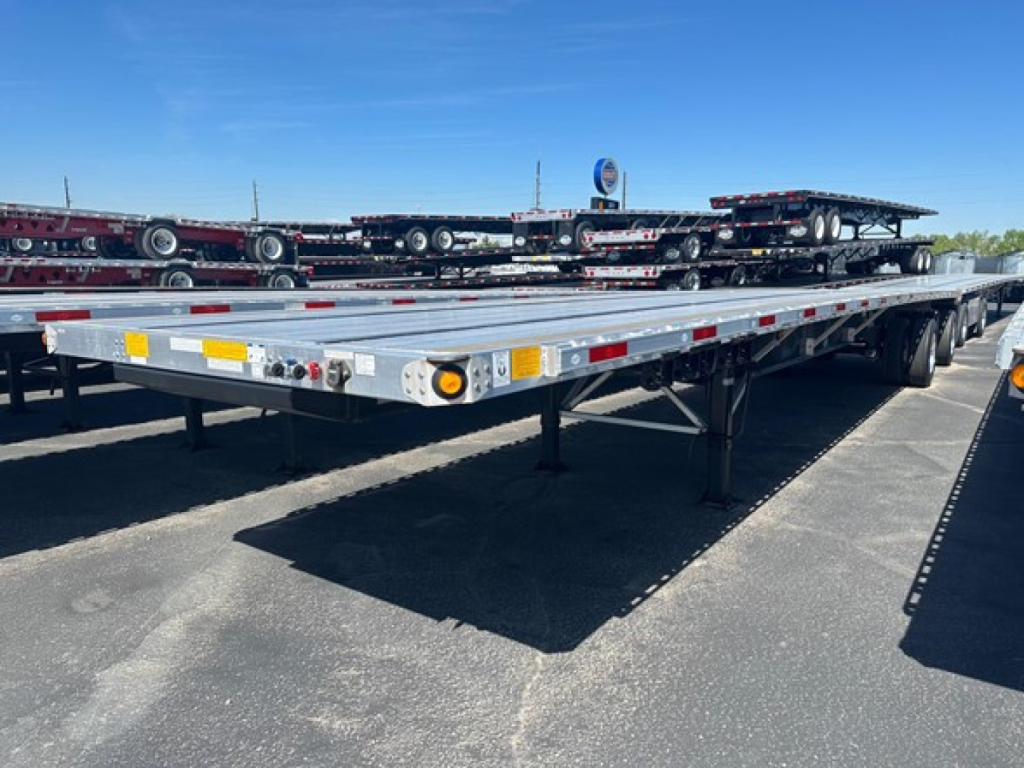
Showing 13 to 15 of 15 results
Have used utility flatbed trailer to sell? List it here to reach thousands of buyers.
About Used Utility Flatbed Trailers
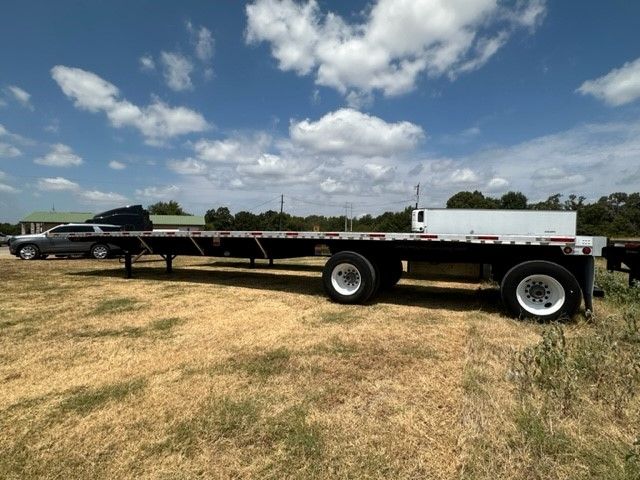
A big buying decision is deck construction and suspension. Many used Utility flatbeds are combo units with aluminum floors and structural components to reduce tare weight, while some are all-steel or steel-railed models with wood decking such as Apitong for buyers who prefer a traditional repairable deck surface. Suspension choices often include fixed spread air ride, closed tandem, or spring ride with slider. Spread axle trailers can improve stability and bridge law positioning in some applications, but they are less flexible in tight urban docks and certain state regulations. Sliding tandem trailers remain a practical fit for operations that need kingpin and axle adjustment for load distribution and compliance.
Securement setup matters as much as the trailer frame. Utility flatbeds are commonly equipped with stake pockets, sliding winches, winch tracks on one or both sides, pipe spools, chain hangers, coil packages, bulkheads, and tool boxes. Buyers hauling steel should pay close attention to coil package configuration, deck ratings, and the condition of the floor around concentrated load areas. For mixed freight, look at the number and spacing of winches, J-hook compatibility, and whether the trailer has features like nail strips or side kit capability. Tires, wheel mix, air ride components, brake condition, and the presence of systems like tire inflation should also be reviewed closely on a used trailer.
Utility has a strong reputation in trailer manufacturing, and that helps support resale value and parts familiarity across many service networks. When comparing used Utility flatbed trailers, focus on frame condition, crossmember integrity, deck wear, suspension type, axle spread, and how the securement package matches the freight you actually haul. A lighter combo trailer may improve payload on legal freight, while a heavier steel flatbed may be the better long-term fit for abrasive or concentrated loads. The right choice usually comes down to tare weight, freight profile, route restrictions, and how much adjustability you need in the axle group.
Frequently Asked Questions
What is the difference between a Utility combo flatbed and a steel flatbed?
A Utility combo flatbed typically uses steel main beams with aluminum crossmembers, rails, and deck components to reduce trailer weight while maintaining structural strength. A steel flatbed is usually heavier but can be a good fit for severe-duty applications and buyers who prioritize ruggedness over tare weight. For operations hauling legal-weight freight, the lighter combo design can offer a payload advantage. For rough loading environments, dense freight, or frequent deck repairs, some buyers still prefer a steel trailer with a wood deck.
Are spread axle Utility flatbed trailers better than sliding tandem models?
They are better for some applications, not all. A fixed spread axle Utility flatbed can provide good ride stability and favorable weight distribution for certain loads, and many fleets prefer spread configurations for open-deck freight. A sliding tandem trailer offers more flexibility for kingpin settings, axle placement, and compliance across different states and customer locations. If your operation sees tight yards, variable load lengths, or frequent scaling adjustments, a sliding tandem can be easier to live with.
What features should I look for on a used Utility flatbed trailer for steel hauling?
Look for a proper coil package, strong securement options, and a floor in good condition around concentrated load zones. Stake pockets, sliding winches, chain hangers, double pipe spools, and J-hook compatible systems are all useful for steel freight. You should also inspect the main beams, crossmembers, suspension, brakes, and tire condition carefully because steel loads can expose weaknesses quickly. If coil hauling is a regular part of the operation, confirm the trailer was spec'd for that use rather than simply fitted with basic open-deck hardware.
What trailer length is most common for used Utility flatbeds?
The most common used Utility flatbed lengths are 48 feet and 53 feet, usually at 102 inches wide. A 48-foot trailer remains a common choice for general freight and steel applications, while 53-foot models are attractive for operations that need extra deck space for lighter or longer commodity loads. The best length depends on the freight profile, state regulations, customer requirements, and how often you need to maximize loading area versus maneuverability.
How important is deck material on a used flatbed trailer?
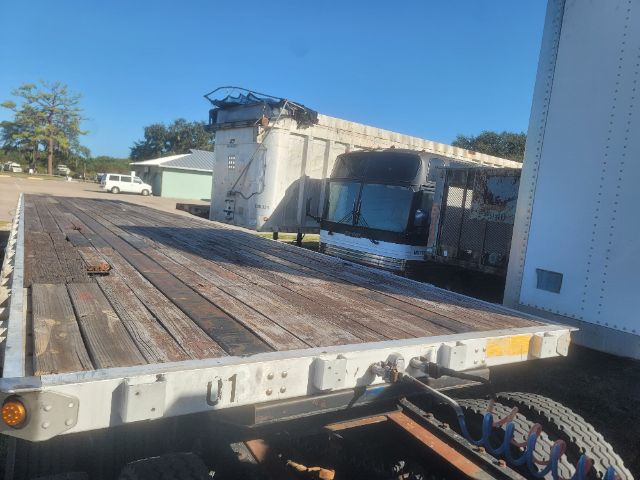
Deck material affects weight, repair strategy, and day-to-day usability. Aluminum deck components help reduce tare weight and may improve payload capacity, while wood decks such as Apitong are widely liked for traction, familiarity, and simpler board replacement. Buyers should inspect for rot, gouging, fastener issues, cracked welds near deck supports, and damage around forklift contact points. On a used Utility flatbed, deck condition can tell you a lot about how the trailer was loaded and maintained.