
Flatbed Trailers For Sale in North Carolina
Shop flatbed trailers for sale in North Carolina. Compare lengths, flooring, suspension, tandem setup, and securement features for your haul.
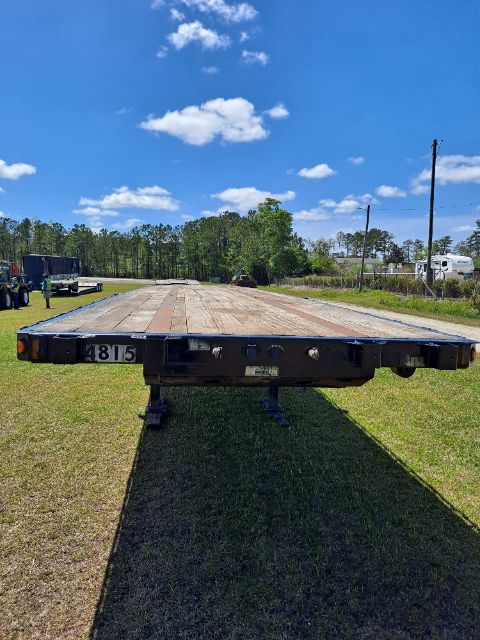
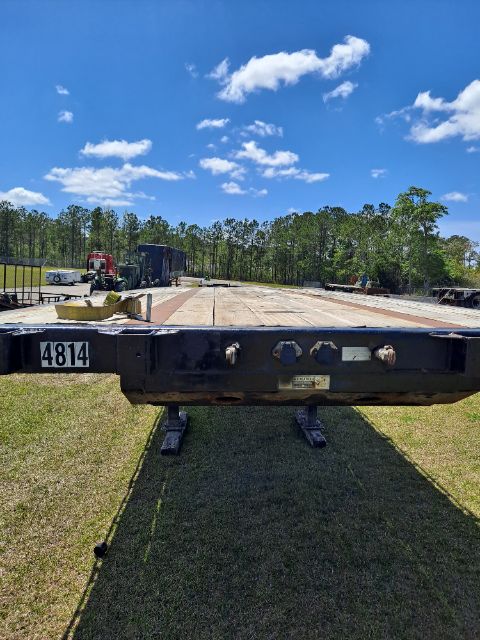

Selling a flatbed trailer? List your flatbed trailer for sale and reach thousands of commercial buyers.
Flatbed Trailers in North Carolina
Deck construction matters because it affects both durability and the type of freight you can handle day to day. Wood floors are still common on flatbeds because they provide good friction for cargo and are straightforward to repair when sections wear out. Trailer frame design, crossmember spacing, and deck height all influence payload capacity and loading convenience. Suspension is another major decision point. Air ride is often preferred for more delicate freight and better ride quality, while spring ride can appeal to buyers looking for simplicity and lower maintenance. Tire size, wheel type, brake condition, and overall undercarriage wear should be evaluated closely on any used flatbed trailer.
Cargo securement setup is where one flatbed can differ significantly from another. Buyers should look at stake pockets, rub rails, winches, chain spools, sliding winches, and any bulkhead or headache rack configuration if equipped. A bulkhead can add protection for certain commodity types, but many general freight operations focus more on tie-down flexibility than front-end structure. If the trailer will regularly haul steel, pipe, equipment, or palletized freight, inspect the deck condition, trailer straightness, kingpin area, landing gear, and tandem slide operation. These points affect both safety and how easily the trailer fits into everyday dispatch.
For North Carolina operations, flatbeds often work across a wide mix of short regional hauls and longer Southeast lanes, so versatility usually has more value than highly specialized spec'ing. A standard flatbed trailer, also known simply as an open-deck trailer, can serve a broad range of shippers if it has solid flooring, reliable brakes, and a practical securement layout. Buyers comparing listings should focus on legal payload potential, deck condition, suspension type, and how the trailer's dimensions match the freight they intend to haul most often. The best flatbed is usually the one that balances structural condition, securement options, and axle adjustability with the commodity mix on your board.
Frequently Asked Questions about Flatbed Trailers in North Carolina
What length flatbed trailer is most common?
The most common flatbed lengths are 48 feet and 45 feet, with 48-foot trailers widely used for general freight because they offer strong freight compatibility without stepping into more specialized equipment. A 45-foot flatbed can still be a practical option for certain regional operations or commodity-specific work, especially when maneuverability or existing customer requirements matter. The right choice depends on the freight dimensions you haul most often, expected legal weight distribution, and shipper preferences in your lane network.
Why is a sliding tandem important on a flatbed trailer?
A sliding tandem helps adjust axle spacing to meet bridge laws and distribute weight more effectively across the tractor and trailer. That flexibility is especially important on flatbeds because load placement can vary widely depending on whether you are hauling steel, lumber, machinery, or palletized building materials. A tandem slide in good working order can make the difference between a legal, dispatch-ready load and a load that needs to be reworked before leaving the shipper.
Is a wood floor good for a flatbed trailer?
A wood floor is still a strong choice for many flatbed applications because it provides natural traction for cargo, supports a wide range of freight types, and can be repaired by replacing damaged sections instead of rebuilding the full deck. It is commonly preferred for general freight, construction products, and machinery loading. Buyers should still inspect for rot, soft spots, loose fasteners, and signs of uneven wear, since floor condition directly affects load securement and forklift traffic durability.
What should I inspect first on a used flatbed trailer?
Start with the frame, kingpin area, suspension, brakes, tandem slide, and deck condition because those areas tell you the most about structural integrity and maintenance history. Then check the rub rails, stake pockets, crossmembers, landing gear, lights, tires, and wheel ends. On a used flatbed, visible deck wear is expected, but bent rails, poor slide function, cracked welds, and uneven tire wear can point to more expensive problems that affect safety, alignment, and long-term operating cost.
What freight is a flatbed trailer best suited for?
Flatbed trailers are best suited for freight that can be loaded from the side or top and does not require weather protection from an enclosed trailer. Common examples include lumber, steel, pipe, machinery, building materials, precast products, agricultural equipment, and oversized palletized freight. Their open-deck design makes them one of the most versatile trailer types in trucking, but that same design means the buyer should pay close attention to securement equipment and deck condition before putting the trailer into regular service.