
Mac Flatbed Trailers For Sale in Pennsylvania
Shop Mac flatbed trailers for sale, including aluminum models with air ride, coil packages, winch tracks, and 48-foot deck options.
No exact matches found for your search
Showing Flatbed Trailers in Pennsylvania instead.

Showing 169 to 180 of 180 results
Have mac flatbed trailer to sell? List it here to reach thousands of buyers.
Mac Flatbed Trailers in Pennsylvania
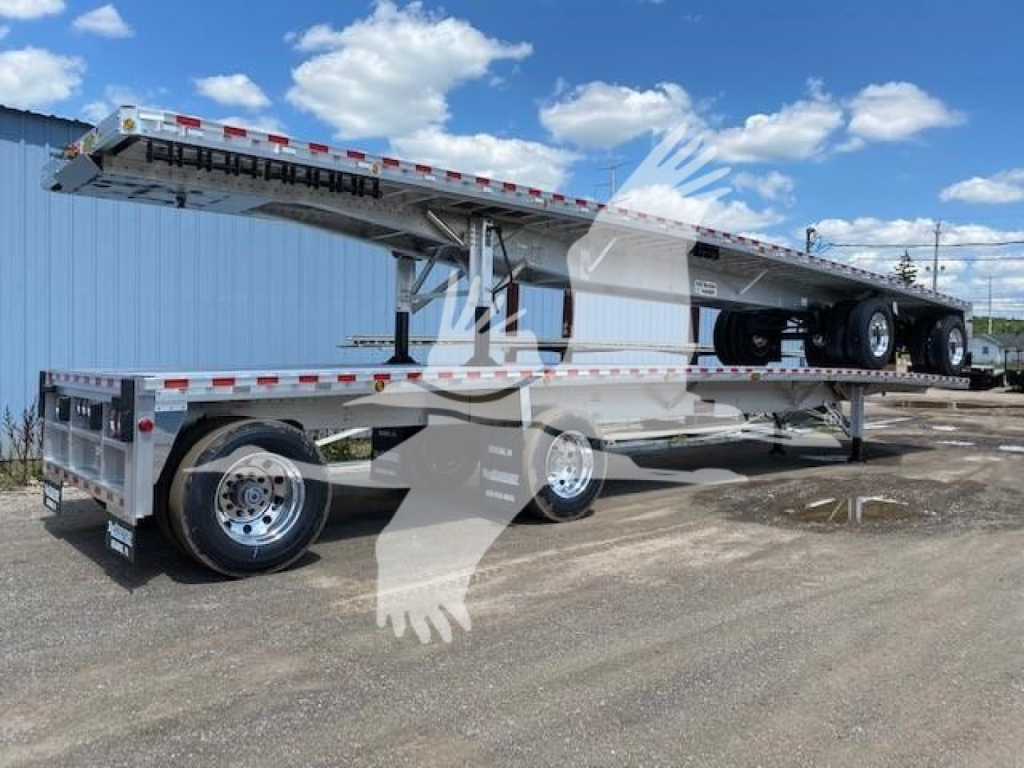
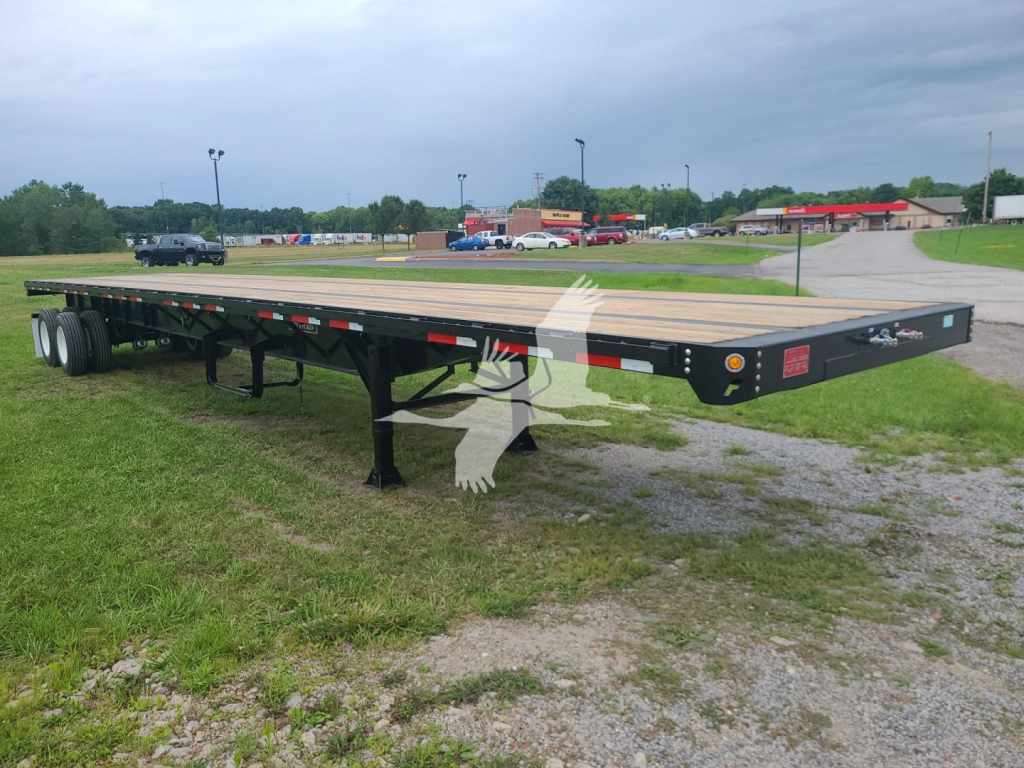
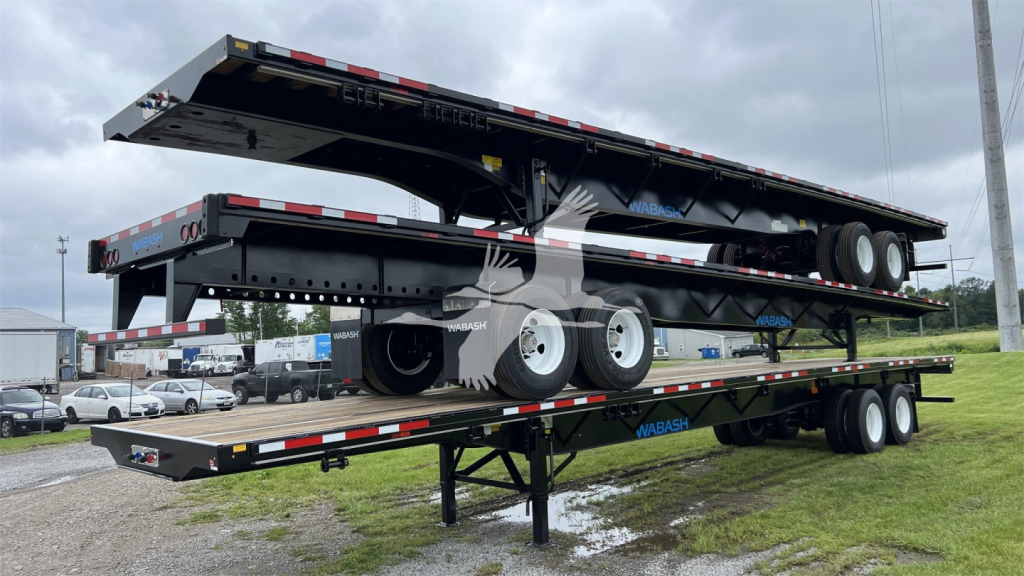
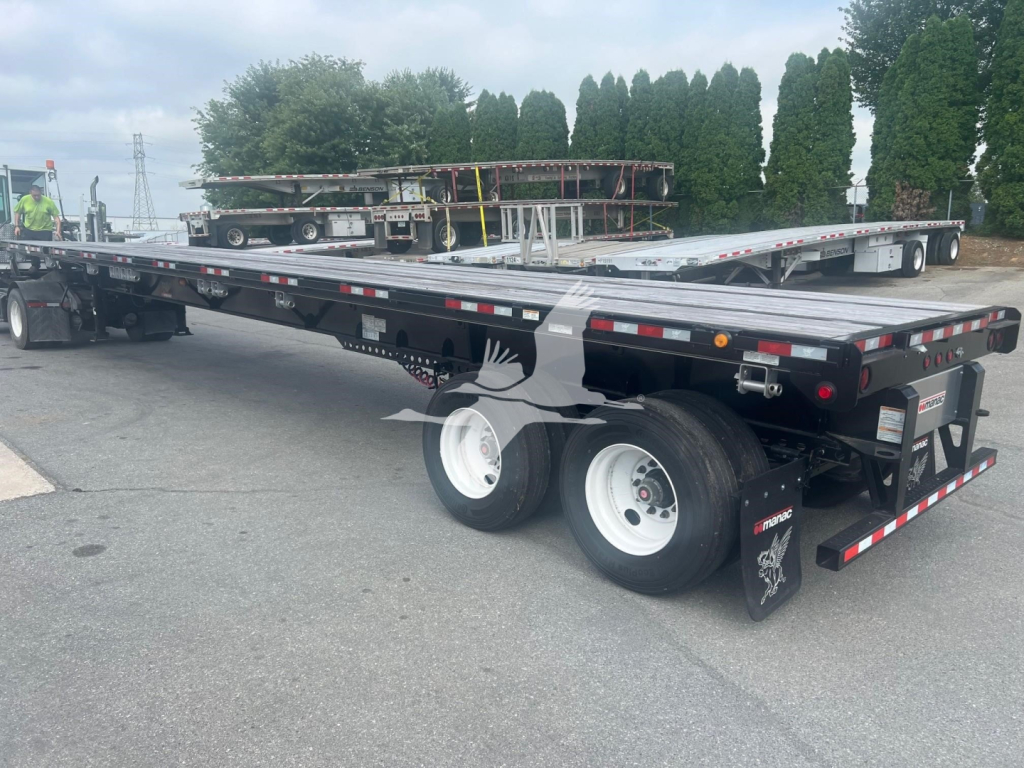
A common Mac setup is an aluminum flatbed with aluminum side rails, aluminum floor sections, integrated winch track, and sliding winches. That combination keeps weight down while still giving the driver flexible tie-down points for mixed freight. Many trailers also include a coil package, double pipe spools, nailing strips, toolboxes, and air ride suspension from brands such as Hendrickson. Buyers hauling steel, lumber, or machinery should look closely at crossmember centers, side rail condition, landing gear operation, brake wear, and evidence of deck repairs. On an aluminum flatbed, fatigue around high-stress areas matters more than cosmetics, so inspect the rear frame, suspension hangers, coupler area, and any sections that regularly carried concentrated loads.
Spec choices should match the freight lane. Air ride is popular because it protects freight better and improves ride quality, while low-profile 22.5 tires can help with deck height and loading flexibility. A 30-inch kingpin setting is common, but it still needs to be matched to tractor wheelbase and bridge law requirements. In Pennsylvania and the Northeast, corrosion exposure is always worth checking, even on aluminum trailers, because hardware, subcomponents, brake parts, and mixed-metal contact points can still show wear from road treatment and weather. Tire inflation systems, scuff protection, lighting layout, and mud flap bracket condition are also worth noting on higher-mileage trailers.
For most buyers, a Mac flatbed stands out when the trailer balances low empty weight with a practical securement package. A good spec is not just about maximum payload on paper. It is about having enough winches, sound flooring, straight rails, reliable air suspension, and a deck that suits the freight you actually haul. If the trailer will see coils, dense machinery, or repeated forklift loading, structural condition should matter more than appearance. If the work is general commodity freight, deck usability and securement options usually drive value more than any single brand feature.
Frequently Asked Questions about Mac Flatbed Trailers in Pennsylvania
What are the main advantages of a Mac flatbed trailer?
Mac flatbed trailers are widely recognized for lightweight aluminum construction, durable design, and strong resale appeal. For many fleets and owner-operators, the biggest advantage is payload efficiency without giving up the securement features needed for real flatbed work. Common Mac specs such as winch tracks, sliding winches, coil packages, aluminum components, and air ride suspension make them practical for general freight, steel, machinery, and building materials.
What should I inspect first on a used Mac aluminum flatbed?
Start with the structural areas that carry load and absorb stress. Check the coupler area, kingpin plate, crossmembers, side rails, suspension mounts, rear frame, and any coil well or concentrated load area for cracks, repairs, or distortion. Then inspect the deck surface, nailing strips, winch track, sliding winches, landing gear, brakes, tires, and lighting. On aluminum trailers, signs of fatigue or poor repairs are more important than surface appearance.
Is air ride the best suspension choice on a Mac flatbed?
Air ride is the preferred choice for many flatbed operations because it improves ride quality and helps protect sensitive or high-value cargo. It is especially common on trailers hauling machinery, palletized freight, and mixed commodity loads. Mechanical suspension can still be a fit for some applications, but air ride is generally favored in the used market because it adds versatility and broadens the trailer's appeal to more buyers and freight types.
Why does a coil package matter on a flatbed trailer?
A coil package allows the trailer to safely handle steel coils and other dense concentrated loads when used properly. Even if coils are not your primary freight, a coil package can add flexibility and resale value because it expands the range of freight the trailer can legally and practically haul. Buyers should still confirm that the frame, crossmembers, and deck areas around the coil package show no signs of overload damage or poor repair work.
What trailer length and width are most common for Mac flatbeds?
The most common configuration is a 48-foot long by 102-inch wide flatbed. That size works for a broad range of legal loads and remains the standard for general over-the-road flatbed freight. It offers enough deck space for machinery, lumber, steel products, and palletized cargo while staying widely compatible with shipper requirements, securement equipment, and tractor setups.