
Flatbed Trailers For Sale in Iowa
Compare flatbed trailers for sale in Iowa, including 48-foot and 53-foot aluminum and combo models with spread axles, air ride, and coil packages.
Selling a flatbed trailer? List your flatbed trailer for sale and reach thousands of commercial buyers.
Flatbed Trailers in Iowa
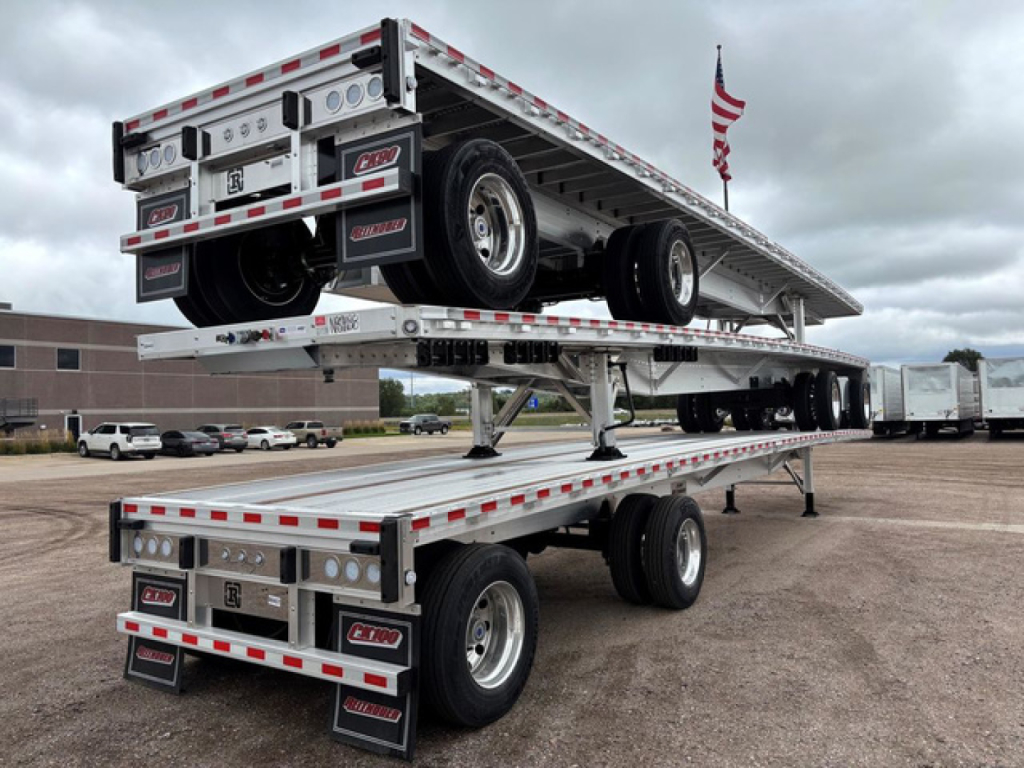
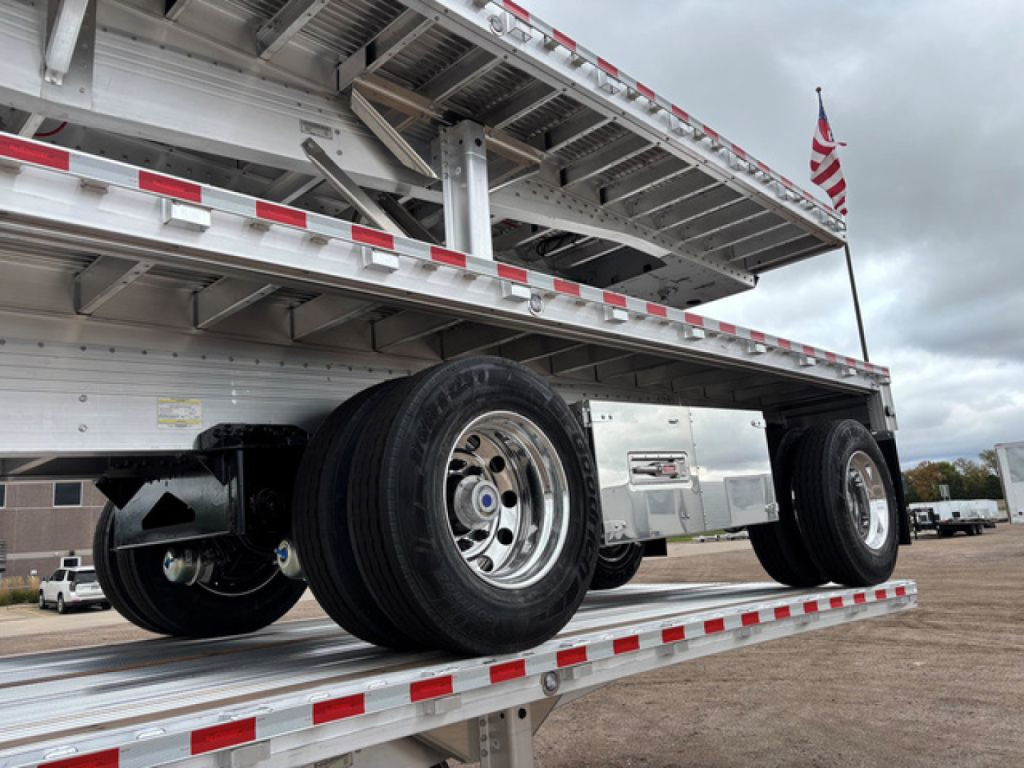
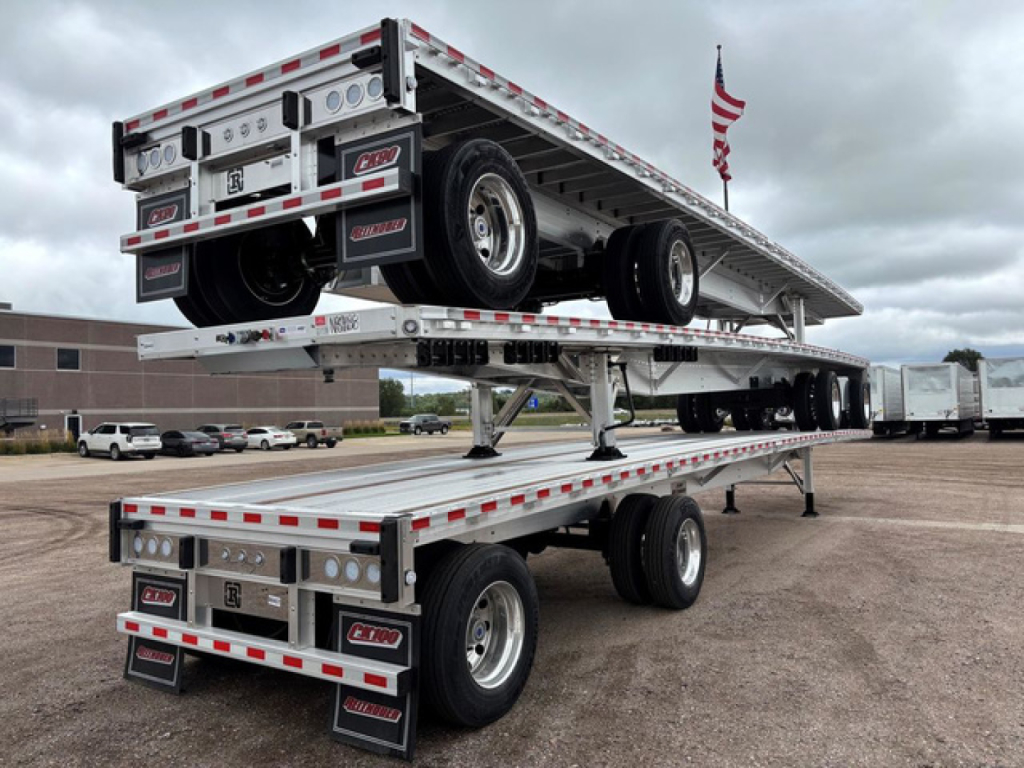
A lot of buying value is buried in the spec sheet. Spread axle flatbeds are popular because they help distribute weight and can improve stability, while air ride suspension is preferred for better ride quality and cargo protection. Common details worth checking include kingpin setting, axle spacing, rear axle dump, frame rating, concentrated load rating such as 55,000 pounds in 4 feet, and floor design. On many newer aluminum and combo flats, buyers will see routed aluminum side rails, double L style winch tracks, sliding winches, recessed pop-up chain ties, and coil packages. Steel crossmembers on 12-inch centers, nail strips, protected LED lighting, and braced landing gear all matter because they affect securement flexibility, service life, and repair costs.
Material choice has a direct impact on revenue and upkeep. All-aluminum flatbed trailers are attractive when payload is the priority, and lightweight 48-foot aluminum models can save well over 1,000 pounds compared with heavier combo specs. That said, combo flatbeds remain a strong choice for fleets and owner-operators hauling dense freight on a regular basis, especially where crossmember strength and long-term abuse resistance matter. Tire and wheel setup also deserves attention. Many flats run 22.5 rubber, with steel or aluminum wheels depending on budget, tare target, and maintenance preference.
For buyers comparing flatbed trailers for sale, the best trailer is the one matched to your freight profile, securement method, and legal bridge requirements. A steel hauler may prioritize coil package components, chain tie placement, and concentrated load rating, while a building products carrier may focus more on low tare weight, side rail design, and ease of moving winches and straps. If the trailer will run mixed freight, a versatile spec with air ride, spread axles, recessed securement points, and a durable floor usually gives the broadest resale appeal and day-to-day usefulness.
Frequently Asked Questions about Flatbed Trailers in Iowa
What is the difference between an all-aluminum flatbed trailer and a combo flatbed trailer?
An all-aluminum flatbed trailer is built primarily to reduce tare weight and maximize payload, which can matter on high-volume lanes or weight-sensitive freight. A combo flatbed uses both aluminum and steel, often with steel crossmembers or other structural components, to provide a balance of lighter weight and added durability. Buyers hauling dense steel, machinery, or rough freight often like combo construction, while buyers focused on legal payload and fuel efficiency often favor all-aluminum designs.
Are spread axle flatbed trailers better than closed tandem flatbeds?
Spread axle flatbed trailers are common because they help distribute load weight, improve stability, and often work well for general freight and building materials. They can also offer bridge-law advantages depending on the load and route. Closed tandem configurations may be easier in tighter urban environments and at some docks, and they can reduce tire scrub in certain operations. The better choice depends on where the trailer runs, how often it turns in confined areas, and how the freight is loaded and scaled.
What specs matter most when buying a flatbed trailer?
The most important specs are usually trailer length, overall tare weight, frame rating, concentrated load rating, axle configuration, suspension type, and floor construction. Buyers should also look closely at kingpin setting, side rail design, winch track layout, number and style of chain ties, coil package equipment, landing gear, lighting protection, and tire and wheel specification. These details determine how flexible the trailer will be across different loads and how much it will cost to maintain over time.
What is a coil package on a flatbed trailer?
A coil package is a group of trailer features designed to handle steel coil safely and legally. It often includes recessed coil wells or reinforced deck areas, additional chain tie-down points, and securement-friendly layouts that support concentrated weight. Even buyers who do not haul coil every day may want this spec if they occasionally move steel products or other dense freight that puts heavy weight into a short section of the deck.
Is a 48-foot or 53-foot flatbed trailer the better choice?
A 48-foot flatbed trailer remains a strong choice for many operations because it is versatile, widely accepted, and often easier to scale and maneuver. A 53-foot flatbed can provide more deck space for longer freight, mixed loads, or operations that need extra loading flexibility. The tradeoff is that overall weight, axle placement, and bridge compliance become more important as deck length increases. Buyers should match trailer length to the actual freight mix rather than assuming longer is always better.