
Fontaine Flatbed Trailers For Sale in Iowa
Shop Fontaine flatbed trailers for sale in Iowa. Compare aluminum and combo flatbeds built for steel, lumber, machinery, coils, and general freight.
Learn more
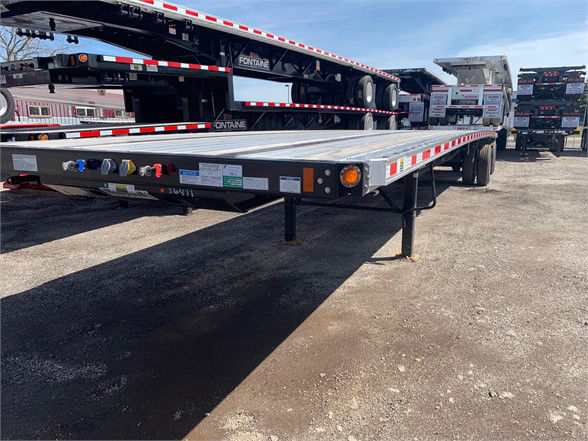
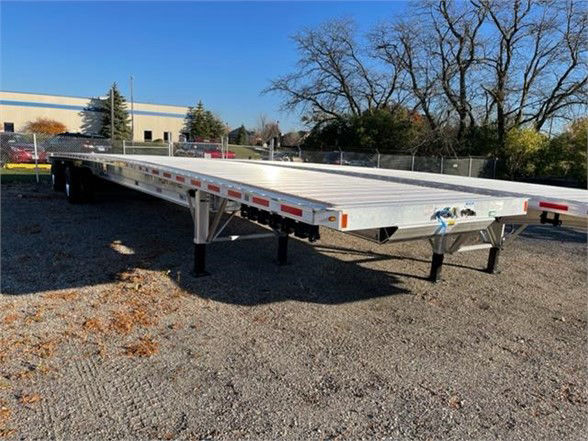
Have fontaine flatbed trailer to sell? List it here to reach thousands of buyers.
About Fontaine Flatbed Trailers in Iowa
Fontaine is well known for both all-aluminum and combo flatbed construction. A combo trailer typically uses steel crossmembers with aluminum components to balance durability and weight, while an all-aluminum platform pushes tare weight lower for payload-sensitive operations. On many Fontaine flatbeds, buyers will see features like routed aluminum side rails, double L-style winch tracks, sliding winches, pop-up chain tie downs, coil package options, and widespread air ride suspensions. It is also common to find kingpin settings around 30 inches, 295/75R22.5 rubber, rear axle slide or spread configurations, and frame ratings suitable for concentrated loads such as steel coils or machinery. If your freight includes dense products, pay close attention to the trailer’s rating in a short section of deck, not just the overall gross capability.
Load profile matters as much as trailer weight. A lightweight aluminum flatbed can add payload for legal highway work, but a combo design may be the better fit if the trailer will see forklifts, rough loading practices, or repeated concentrated loading. Securement setup is another major buying point. Fontaine trailers are often spec’d with recessed tie downs, winch tracks on one or both sides, and side rail designs that protect conspicuity tape while keeping the rail usable. Those details affect driver efficiency every day. Air ride suspension, axle spread, axle dump, and landing gear bracing also matter if the trailer will run uneven yards, tight job sites, or mixed on-road and off-road loading conditions.
For buyers evaluating Fontaine flatbed trailers for sale, the practical questions are straightforward: tare weight, deck strength, securement layout, axle configuration, and serviceability. A 48-foot combo flatbed may be a strong fit for dense freight and hard use, while a 53-foot all-aluminum platform often appeals to operations focused on maximizing legal payload and versatility. Check the deck construction, crossmember spacing, coil package, tire and wheel spec, brake setup, hub type, and lighting protection before comparing price alone. On a working flatbed, those spec details usually determine uptime, resale value, and how efficiently the trailer handles the freight you move most often.
Frequently Asked Questions
What is the difference between a Fontaine all-aluminum flatbed and a combo flatbed?
A Fontaine all-aluminum flatbed is built to minimize tare weight and maximize legal payload, which can be a real advantage for operations hauling building materials, packaged freight, or other weight-sensitive loads. A combo flatbed uses a mix of aluminum and steel, often with steel crossmembers, to add durability in high-stress areas. Combo construction is often preferred for tougher service, repeated forklift loading, and concentrated freight such as coils or machinery. The better choice depends on the balance you need between payload, deck toughness, and repair costs over time.
Are Fontaine flatbed trailers good for hauling steel coils and concentrated loads?
Many Fontaine flatbed trailers are designed with coil-hauling in mind, but the trailer must be spec’d correctly. Buyers should look for a coil package, appropriate frame rating, and a published concentrated load rating over a short section of deck, such as 4 feet. Securement features like pop-up chain ties, winch tracks, and strong side rails are also important. For steel, machinery, or other dense freight, the short-deck rating matters more than general advertising language about strength.
Should I choose a 48-foot or 53-foot Fontaine flatbed trailer?
A 48-foot Fontaine flatbed is still a very common choice for dense freight, steel products, and operations that value maneuverability and simpler loading patterns. A 53-foot flatbed provides more deck space for lighter or mixed freight and can improve flexibility for shippers that need extra length. The tradeoff is that longer trailers must still be matched to the freight, state regulations, axle placement, and bridge requirements. The right decision usually comes down to the dimensions and density of your most frequent loads, not occasional freight.
What flatbed specs matter most when comparing Fontaine trailers?
The most important specs are trailer weight, overall frame rating, concentrated load rating, axle configuration, suspension type, side rail and winch track design, and floor construction. Buyers should also review kingpin setting, crossmember spacing, landing gear bracing, wheel and tire package, brake configuration, and lighting protection. These details affect payload, ease of securement, driver efficiency, and long-term durability. Two flatbeds can look similar on paper but perform very differently in daily use if the deck and securement specs are not comparable.
Why do spread axle and sliding axle options matter on a Fontaine flatbed?
Axle layout affects bridge compliance, weight distribution, ride quality, and how easily a trailer can be positioned under different loads. A spread axle flatbed can help distribute weight and is common in many applications, but it may be less maneuverable in tight areas and can increase tire scrub. A sliding tandem or rear axle slide gives more flexibility for balancing loads and working across different state requirements. The best setup depends on your routes, loading docks, state bridge laws, and the type of freight you secure most often.