
2014 Great Dane Flatbed Trailers For Sale
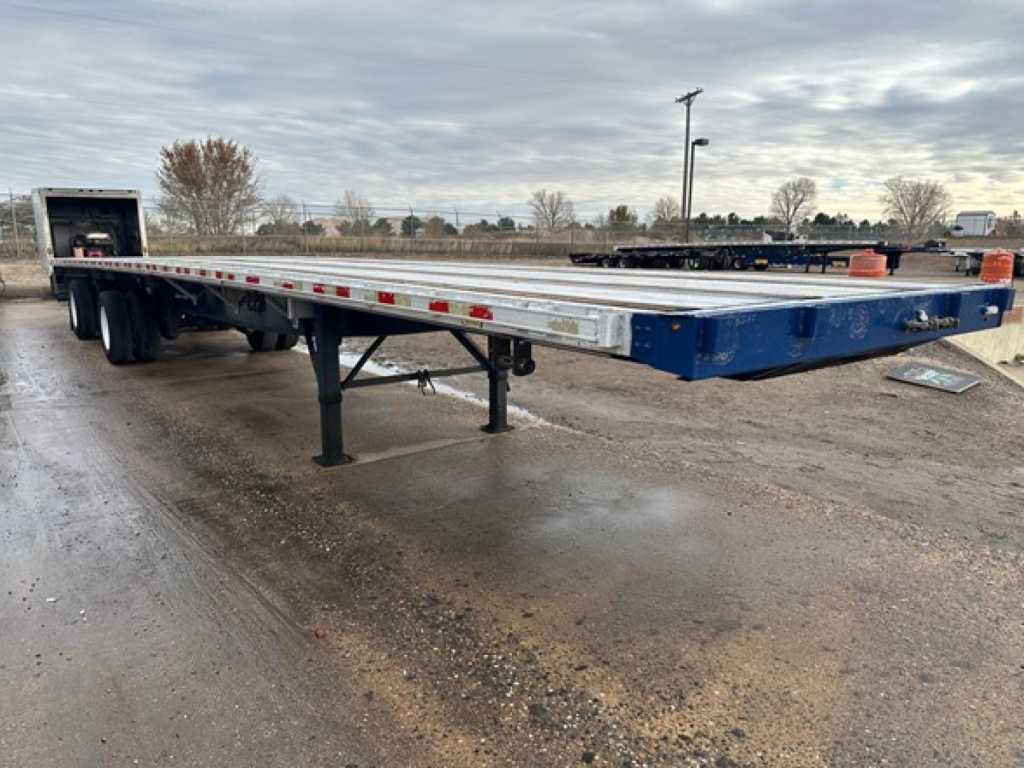
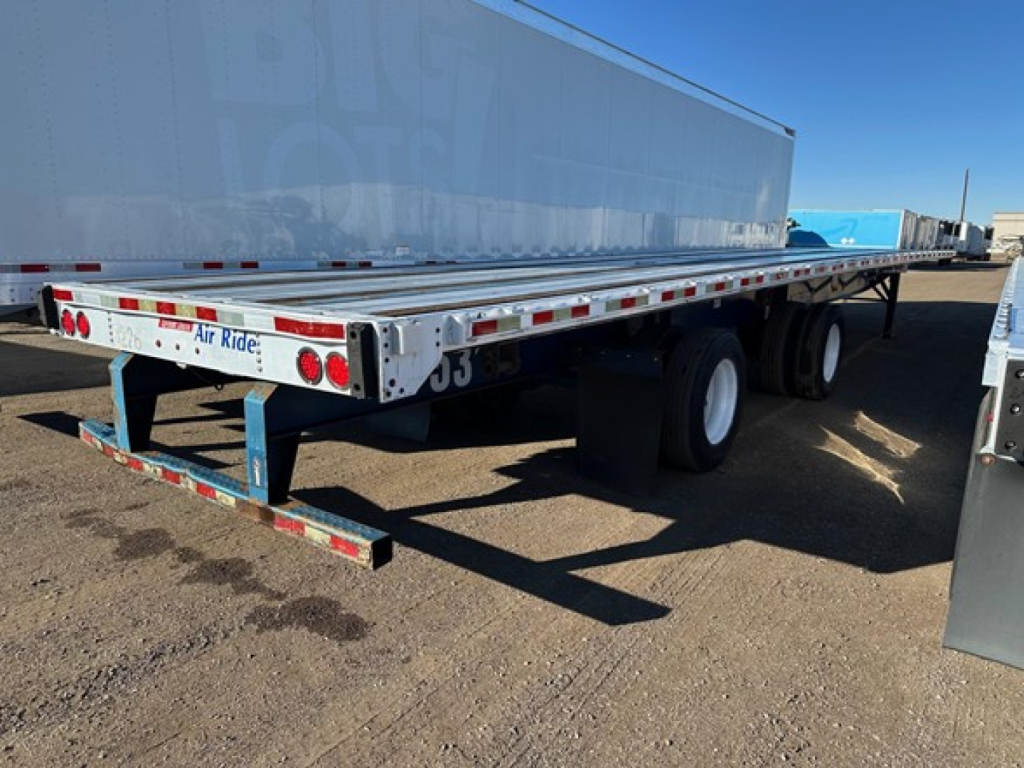
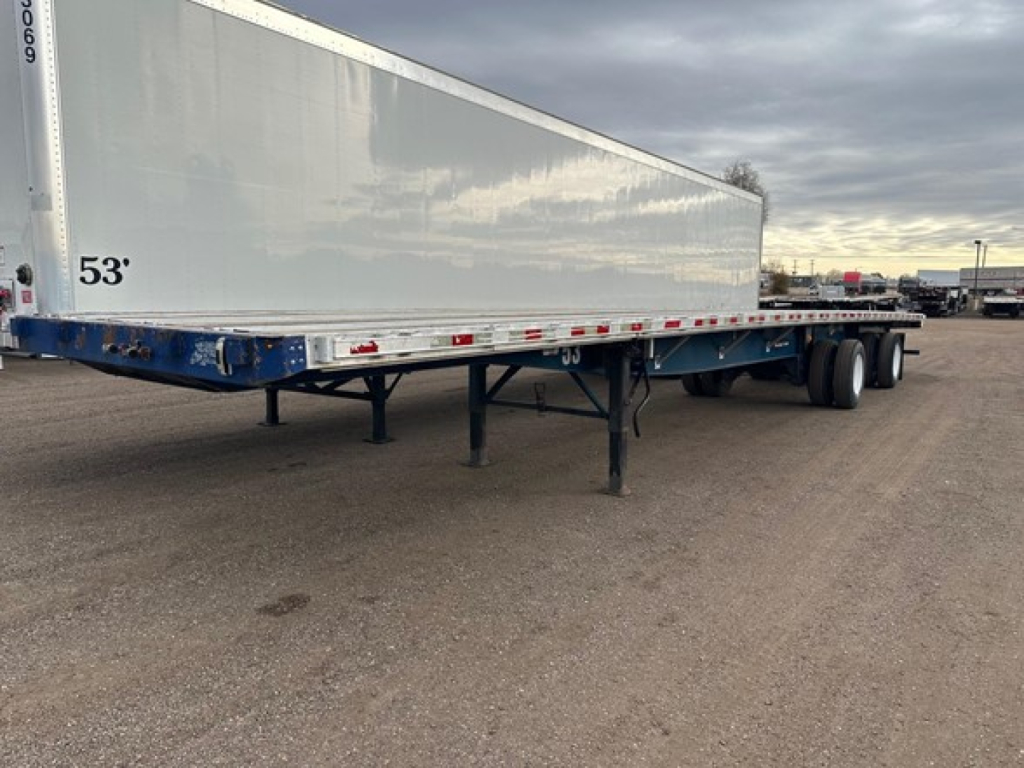
Shop 2014 Great Dane flatbed trailers with specs that matter, including deck type, axle setup, suspension, tiedowns, and kingpin settings.
Learn more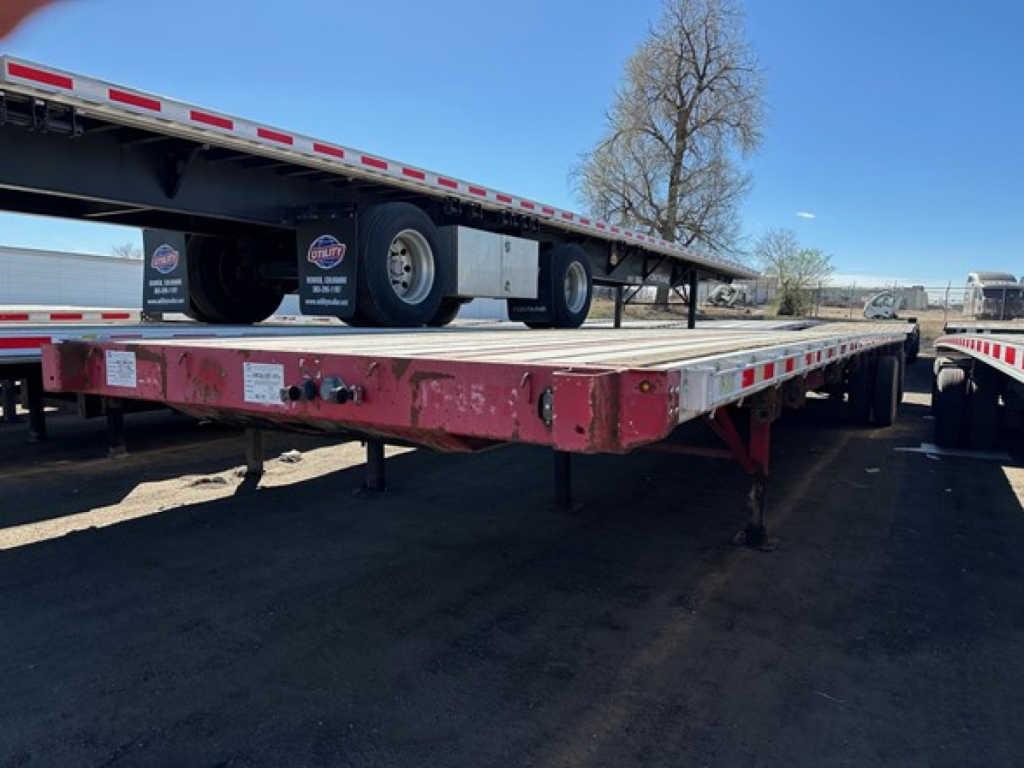
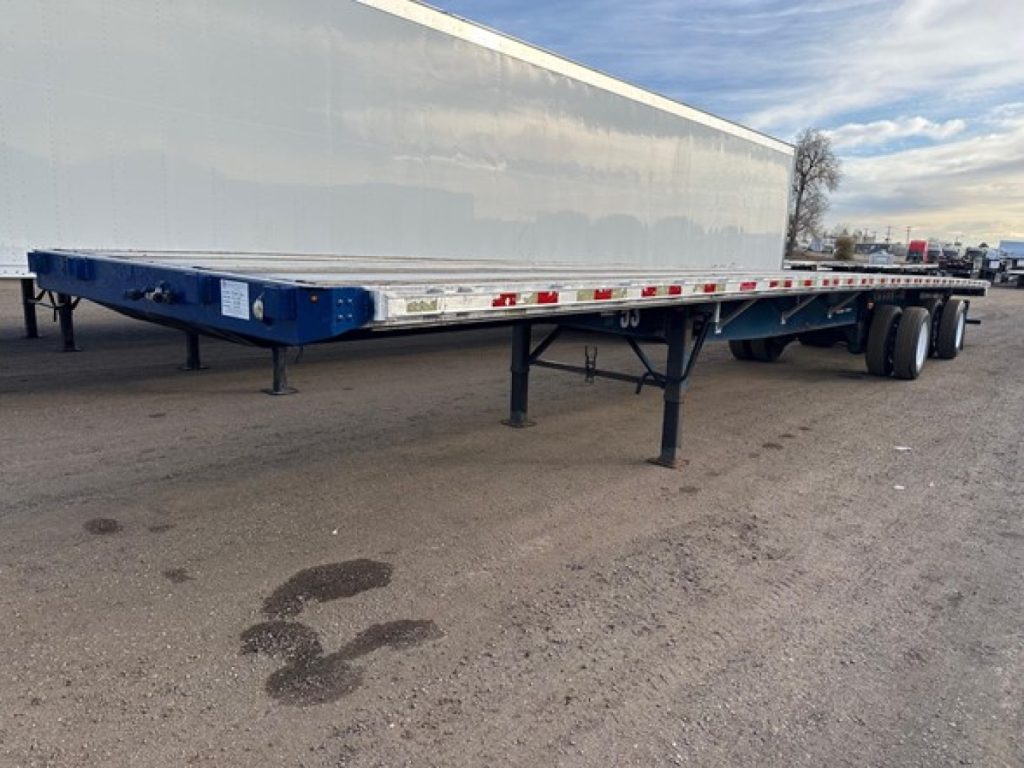
Have 2014 great dane flatbed trailer to sell? List it here to reach thousands of buyers.
About 2014 Great Dane Flatbed Trailers
Common specs in this class include 48-foot and 53-foot lengths, 102-inch width, tandem or spread axle layouts, and air ride suspension. A 2014 model may have a sliding tandem for load positioning flexibility or a fixed spread setup for bridge compliance and stability, depending on its original application. Buyers should pay close attention to kingpin setting, suspension setting, crossmember spacing, and axle rating because those details affect maneuverability, legal loading, and compatibility with the freight you intend to haul. Tire size, wheel material, brake condition, and landing gear type also matter more on a used flatbed than many buyers expect because replacement costs add up quickly.
Deck and securement equipment often determine how useful a flatbed is on day one. Many Great Dane flatbeds are equipped with wood or aluminum flooring, stake pockets, winch tracks, sliding winches, pipe spools, coil package reinforcement, bulkheads, and toolboxes. Those features should match the freight mix. Steel, machinery, building products, palletized freight, pipe, and general construction materials all place different demands on tiedown points and deck surface. Scuffing, floor wear, cracked welds near crossmembers, bent side rails, and damage around the rear impact guard are common inspection points. On aluminum trailers especially, buyers should inspect for previous repairs and signs of overloading around the main beams and neck area.
A 2014 Great Dane flatbed can still be a productive trailer if the structure is straight and the running gear has been maintained. Air ride suspensions such as Hendrickson setups are common and generally well understood in the market, which helps with serviceability. The best value usually comes from matching the trailer’s configuration to the lane and commodity, not just buying on price alone. A lighter combo or aluminum deck may improve payload on legal-weight freight, while a heavier steel trailer may fit rugged regional work better. For many buyers, the right decision comes down to axle spread, deck condition, securement package, and how much reconditioning the trailer will need before it goes to work.
Frequently Asked Questions
What should I inspect first on a 2014 Great Dane flatbed trailer?
Start with the main beams, crossmembers, side rails, and neck for cracks, bends, corrosion, or signs of previous repair. Then inspect the deck surface, winch track, stake pockets, pipe spools, suspension components, brakes, tires, wheels, and landing gear. On a used flatbed, structural condition matters more than cosmetic appearance because frame and deck repairs can quickly outweigh the purchase savings.
Is a 2014 Great Dane flatbed better in aluminum, steel, or combo construction?
That depends on the freight and operating environment. Aluminum flatbeds usually offer lower tare weight and better corrosion resistance, which helps maximize payload. Steel flatbeds are often preferred for hard-use applications where impact resistance and simpler structural repairs matter more than weight. Combo trailers balance the two by using steel in high-stress areas and aluminum elsewhere, making them a common choice for general freight.
What axle setup is common on a 2014 Great Dane flatbed?
Many 2014 Great Dane flatbeds use tandem axles with air ride suspension, either in a sliding tandem or fixed spread configuration. A sliding tandem gives more flexibility for axle weight distribution and dock approach, while a spread axle can improve stability and bridge law performance in some operations. The right setup depends on the states you run, the commodities you haul, and how often you need to reposition axles for legal loading.
What freight is a 2014 Great Dane flatbed trailer commonly used for?
This category is commonly used for building materials, steel products, palletized freight, machinery, pipe, lumber, and other loads that can be top-loaded or side-loaded. The trailer’s securement package matters. Coil package reinforcement, winch tracks, sliding winches, stake pockets, and pipe spools all affect how well the trailer matches specific freight types.
How important are kingpin setting and crossmember spacing on a used flatbed?
Both are important because they affect daily usability and long-term durability. Kingpin setting influences weight distribution and tractor-trailer compatibility, especially when dealing with sliding fifth wheels and bridge laws. Crossmember spacing affects deck support and load handling, particularly with concentrated freight such as machinery, steel coils, or dense palletized loads. Buyers should verify both against their intended application instead of treating them as minor spec details.