
Extreme Flatbed Trailers For Sale
Shop Extreme flatbed trailers with common 53-foot decks, air ride suspension, sliding tandems, and aluminum wheels for versatile freight hauling.
Learn moreNo exact matches found for your search
Showing Flatbed Trailers instead.
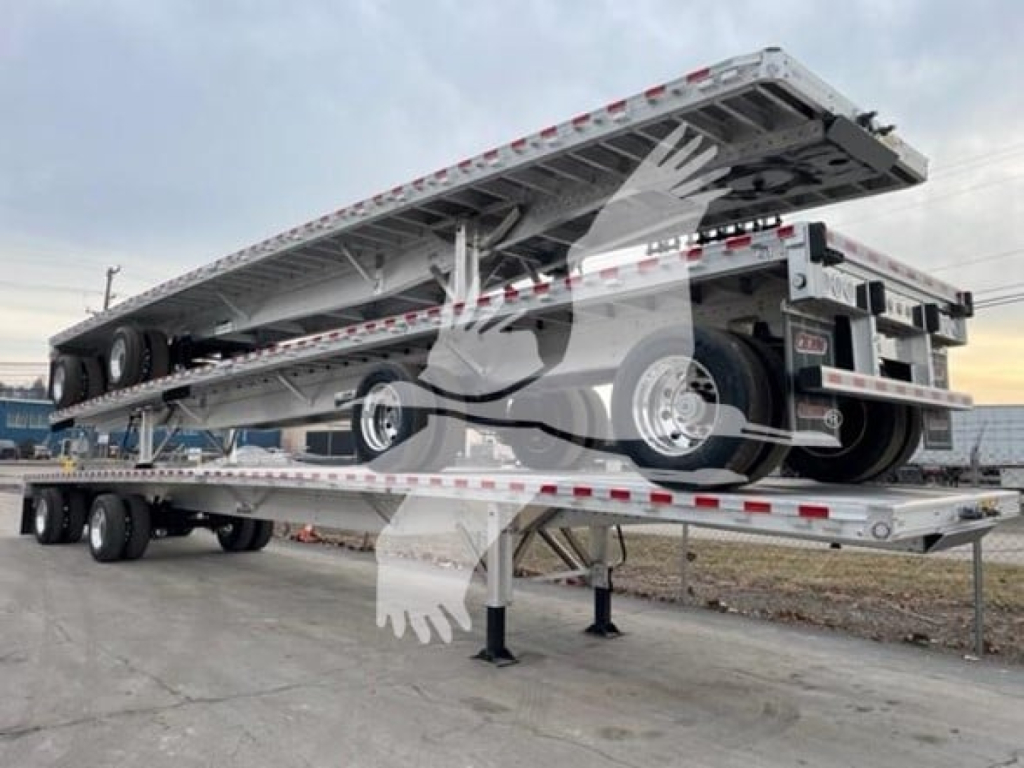
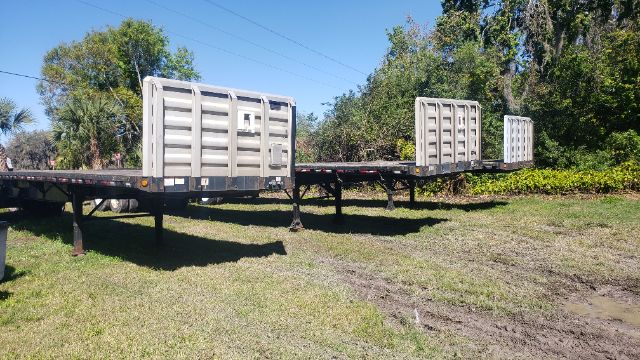
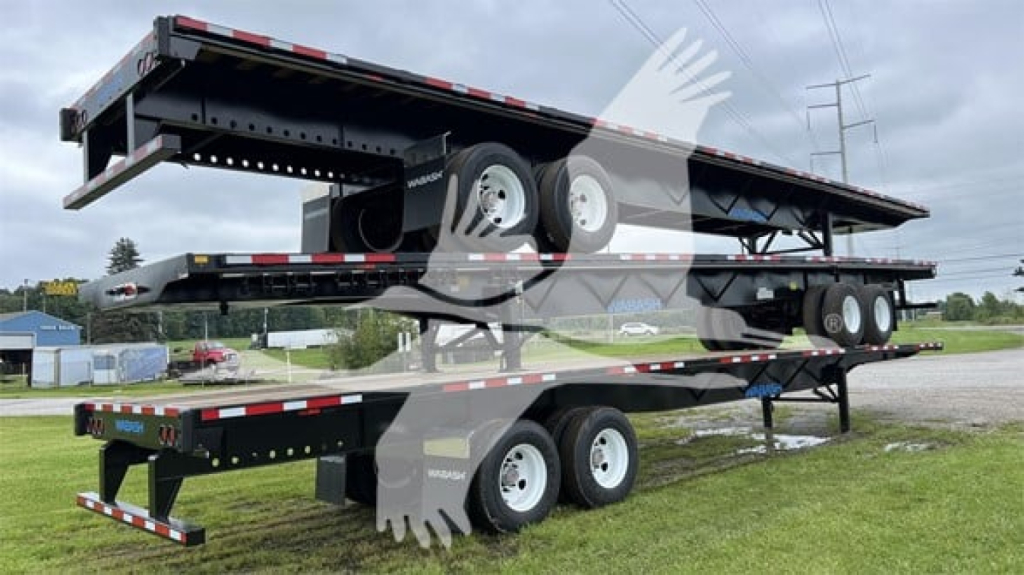
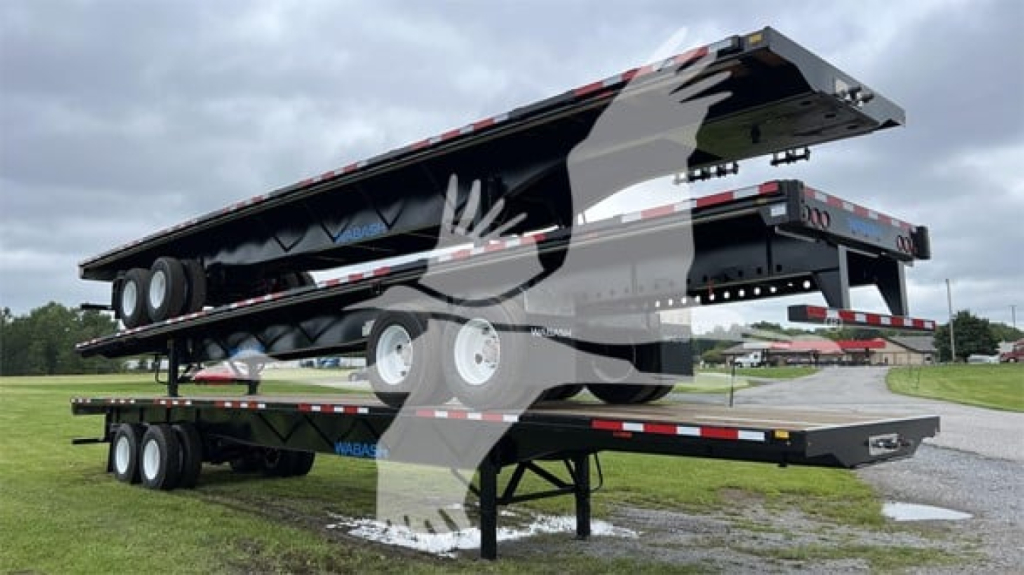
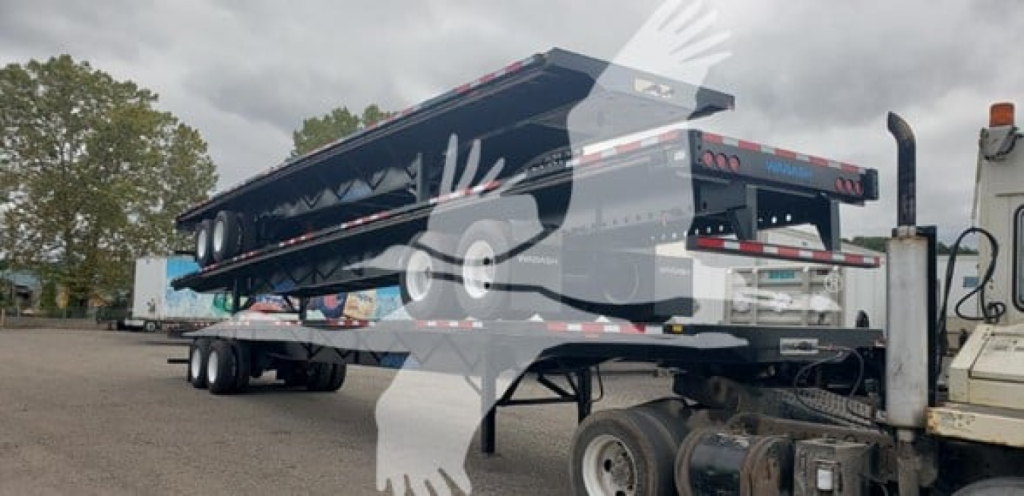
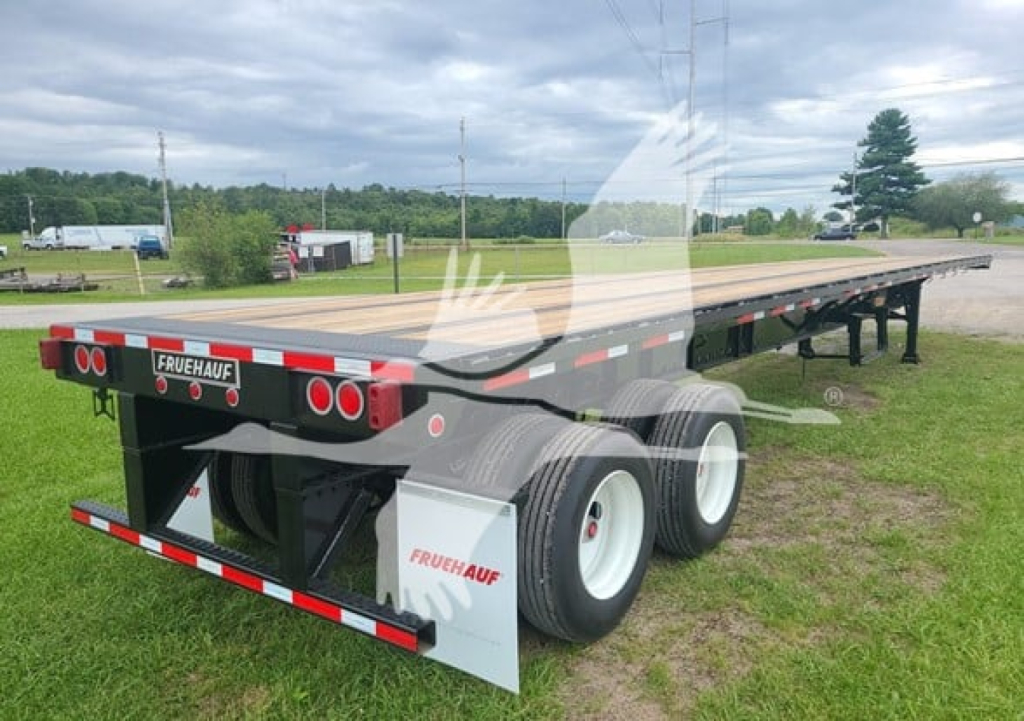
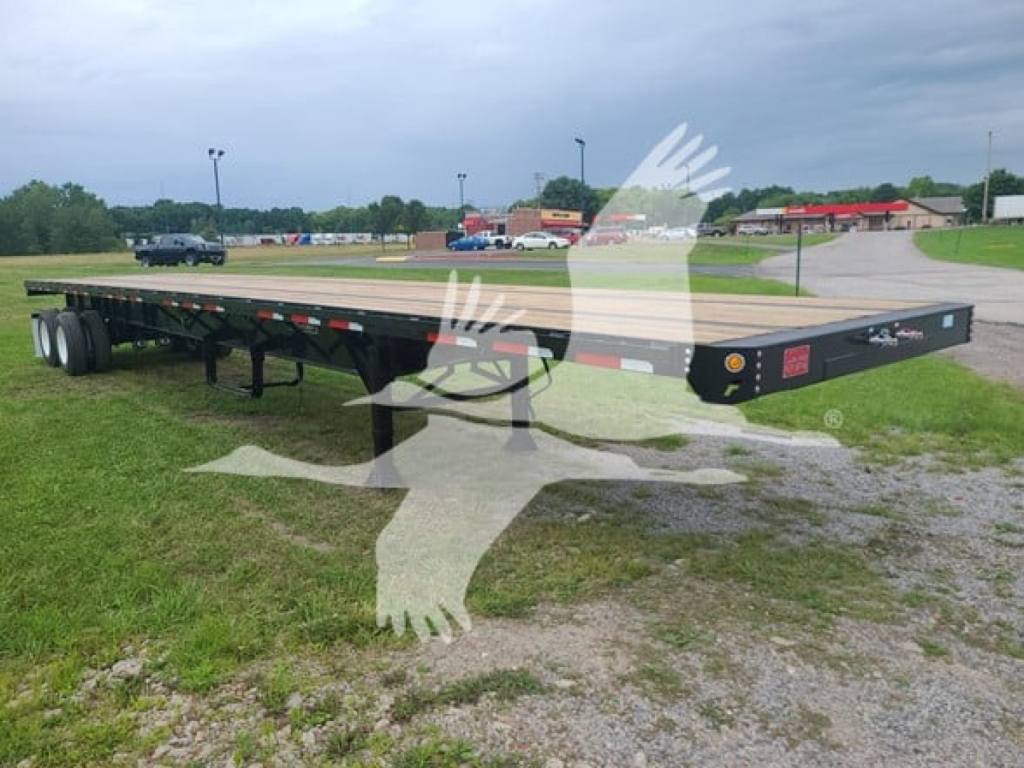
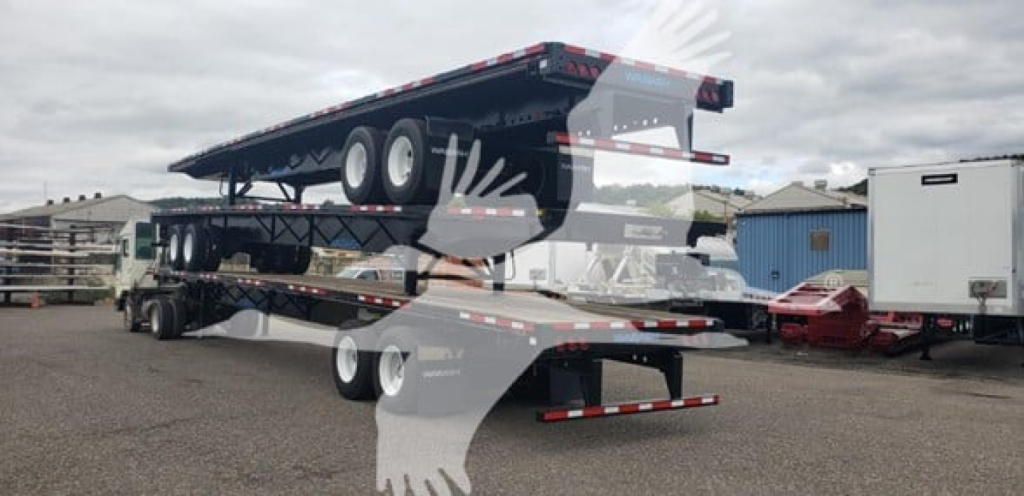
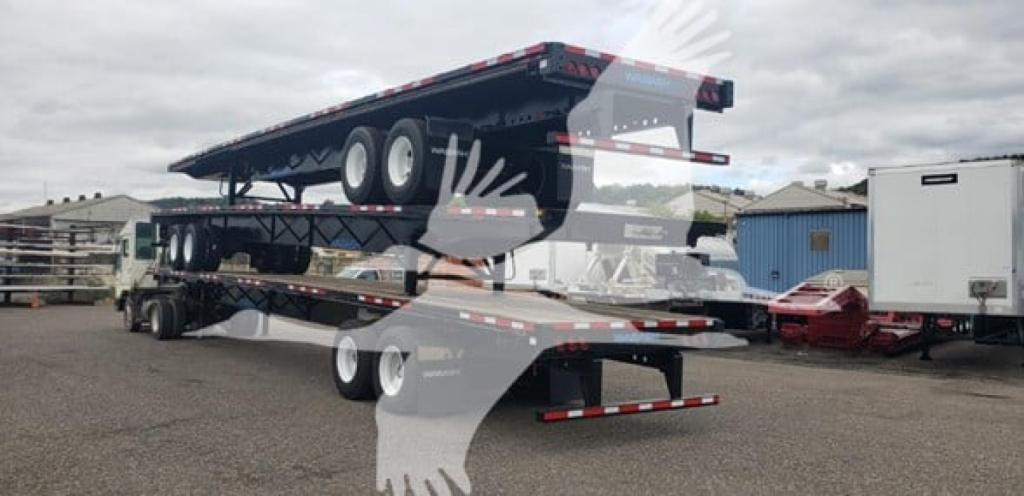
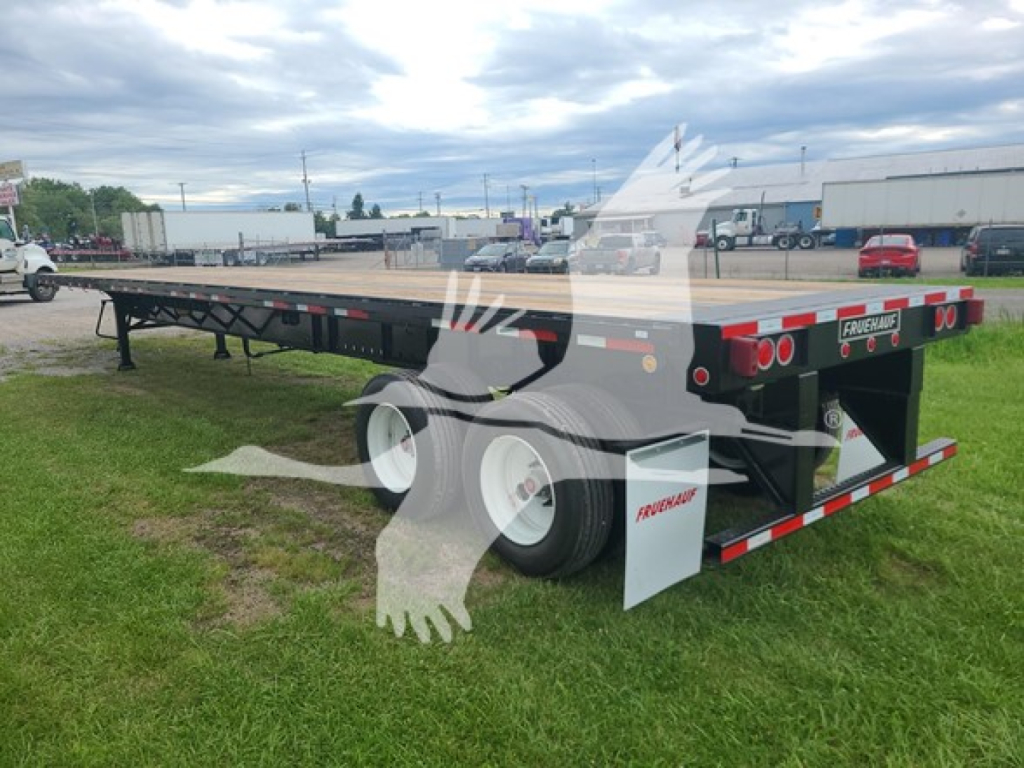
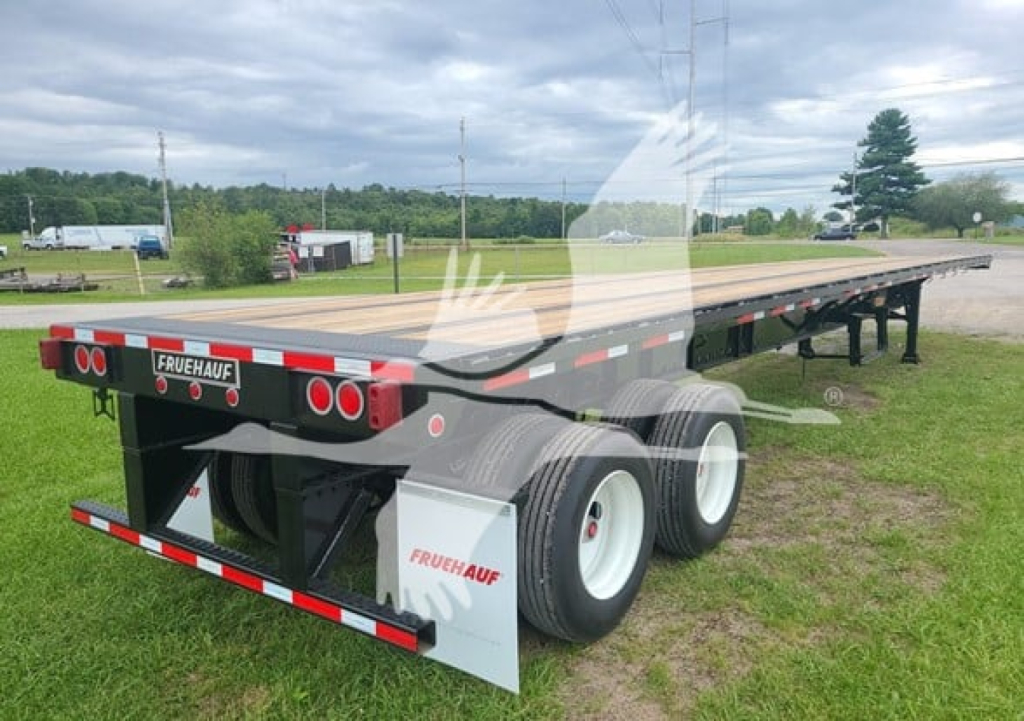
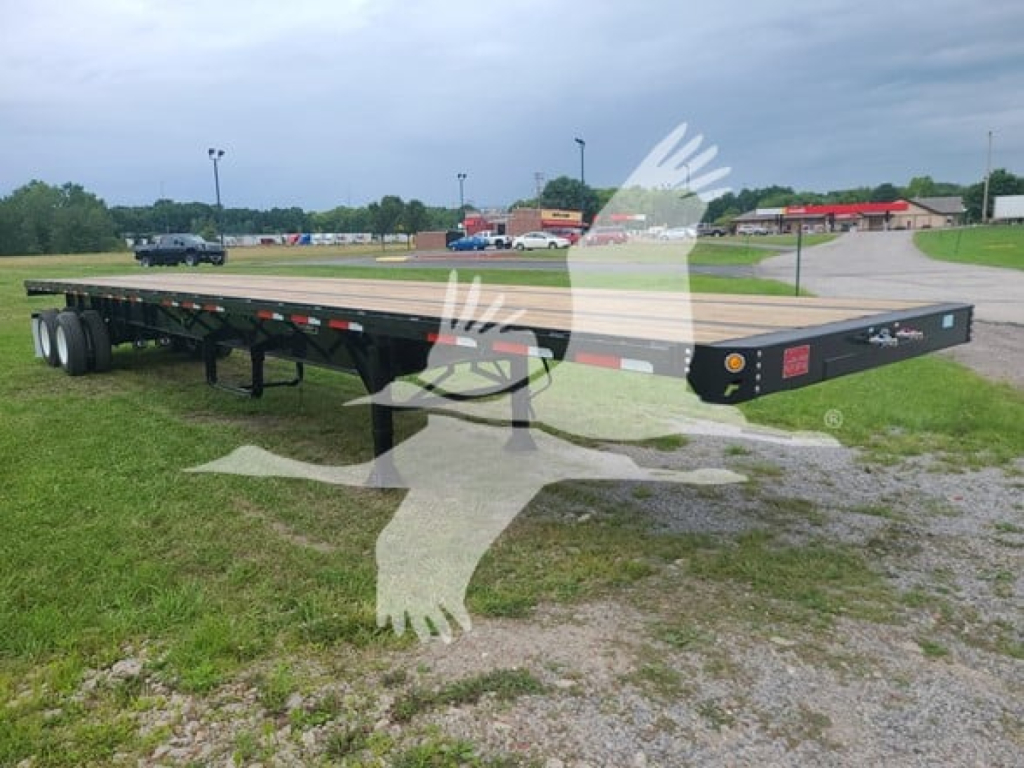
Showing 325 to 336 of 358 results
Have extreme flatbed trailer to sell? List it here to reach thousands of buyers.
About Extreme Flatbed Trailers
The biggest buying decision with a flatbed trailer is matching the deck to the freight mix. A standard flatbed is well suited for steel, machinery, lumber, palletized building products, pipe, and other oversized or irregular freight that cannot be loaded through swing doors. Sliding tandems matter if you run across multiple states and need flexibility for bridge law compliance, kingpin to rear axle measurements, and axle weight distribution. Air ride suspension is a strong fit for carriers hauling mixed freight because it helps protect more delicate loads and generally improves ride characteristics compared with stiffer setups.
Buyers should also look closely at tare weight, crossmember spacing, main beam design, floor material, and securement features. A lighter trailer can improve legal payload, but structural design still needs to match the type of freight being hauled regularly. Trailer details such as rub rails, stake pockets, chain spools, winch tracks, and coil package options can make a major difference in daily usability. Aluminum wheels are common for weight savings and appearance, while tire size and suspension configuration affect maintenance cost, deck height, and highway stability. If the trailer will spend time on rough yards, jobsites, or uneven loading surfaces, overall frame durability and suspension travel deserve extra attention.
Extreme flatbed trailers are generally evaluated the same way experienced open-deck operators evaluate any work trailer: load securement layout, weight capacity, deck usability, and compliance flexibility. The right trailer should fit the freight first, then the lanes, then the maintenance program. For a buyer sorting through multiple listings, the best comparison points are deck length, axle spread or sliding tandem arrangement, wheel and tire package, suspension type, and any factory-installed securement equipment that reduces setup time between loads.
Frequently Asked Questions
What is the most common configuration for an Extreme flatbed trailer?
A common configuration in this category is a 53-foot flatbed with sliding tandems, air ride suspension, 22.5-inch tires, and aluminum wheels. That setup is popular because it gives operators flexibility on axle placement, broad freight compatibility, and a good balance between ride quality and empty weight.
Why do sliding tandems matter on a flatbed trailer?
Sliding tandems allow the axle group to be repositioned to help meet bridge law requirements, manage axle weights, and adapt to different state regulations. They also help when freight placement changes from load to load. For carriers running regional or multistate lanes, sliding tandems can make the trailer easier to scale legally without sacrificing usable deck space.
Is air ride suspension better for a flatbed trailer?
Air ride suspension is often preferred for general flatbed work because it improves ride quality and can reduce shock transfer into the load. That matters when hauling machinery, palletized products, or other freight that benefits from a smoother ride. It can also help trailer handling and driver comfort, although maintenance practices and operating environment should still be considered when comparing suspension types.
What freight is a standard flatbed trailer best suited for?
A standard flatbed is designed for freight that can be loaded from the side or top and secured with chains, straps, and tarps as needed. Typical applications include steel products, lumber, building materials, machinery, pipe, and oversized palletized freight. It is a strong choice when dock-only loading is not practical or when the cargo dimensions exceed what a van trailer can handle.
What should a buyer inspect beyond the basic specs on a flatbed trailer listing?
Beyond length, suspension, and wheel package, buyers should pay attention to trailer tare weight, frame condition, floor material, crossmember spacing, brake and tire condition, and the securement layout. Features like rub rails, stake pockets, chain ties, winch tracks, and coil package equipment directly affect how efficiently the trailer can be used. These details often determine whether the trailer fits your freight mix without requiring immediate modifications.