
Eager Beaver Flatbed Trailers For Sale
Shop Eager Beaver flatbed trailers built for equipment hauling, with tandem axles, beavertails, ramps, wood floors, and 20-ton ratings.
Learn more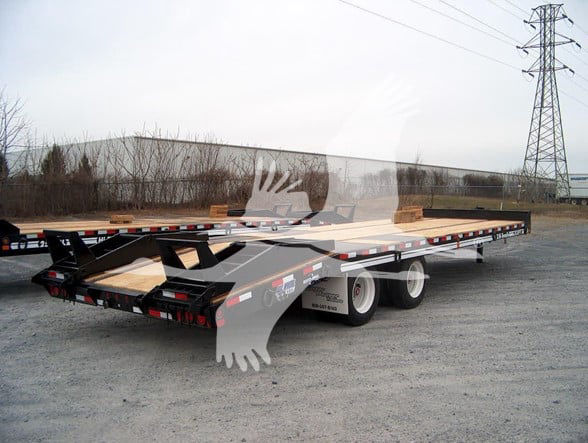
Showing 13 to 16 of 16 results
Have eager beaver flatbed trailer to sell? List it here to reach thousands of buyers.
About Eager Beaver Flatbed Trailers
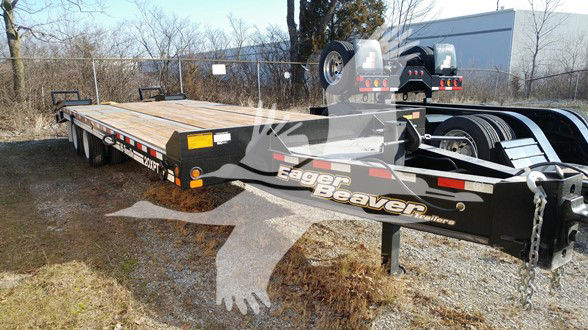
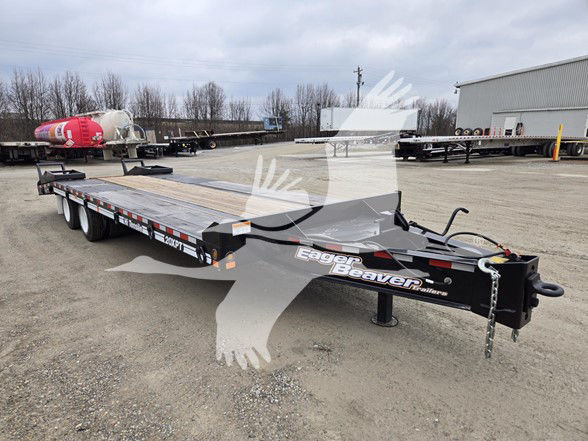
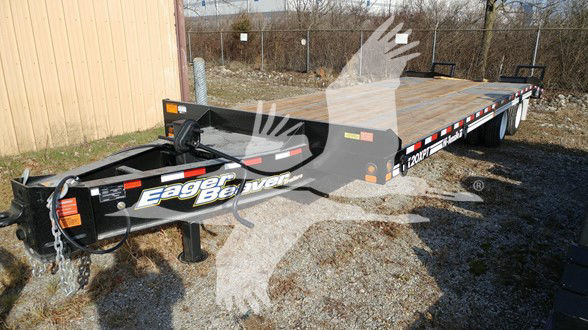
A typical Eager Beaver flatbed in this size range runs about 34 feet overall, 102 inches wide, with a main deck around 21 feet and a 6-foot beavertail. Deck height is a key buying point. Many are set up around 34 inches high, which helps keep loading practical without stepping up to a detachable lowboy. Buyers should pay close attention to ramp style. Angle iron ramps are simple and durable, while hydraulic or wood-filled ramps can improve traction, reduce loading drama, and better suit rubber-tracked or wheeled equipment. Pintle hook adjustment range also matters if the trailer will be shared across multiple trucks with different hitch heights.
Construction details on Eager Beaver equipment trailers are worth reviewing closely because they affect both service life and day-to-day usability. Steel frames, steel side rails, full-width steel bulkheads, and wood flooring are common. Apitong decking on the outer sections is a plus for wear resistance, especially where machines climb the ramps and transition onto the deck. Tie-down layout is another area that separates a good trailer from one that slows operators down. Look for adequate D-ring count, usable stake pockets, and side rail design that gives you flexibility for chains, binders, and mixed equipment footprints. A lockable toolbox in the drawbar area is also useful if the trailer stays with a dedicated crew.
Running gear is usually straightforward and fleet-friendly, often with tandem axles, spring ride suspension, 17.5-inch tires, steel wheels, ABS, and spring brakes on all axles. That setup is common for regional equipment transport and jobsite support because it is simple to maintain and widely understood by mechanics and operators. The right trailer in this category comes down to your heaviest machine, the length of your typical load, ramp preference, and the truck that will pull it. If the work centers on compact and mid-size iron, an Eager Beaver flatbed trailer can be a practical alternative to a heavier lowboy while still giving you the deck strength, loading access, and tie-down security needed for daily hauling.
Frequently Asked Questions
What are Eager Beaver flatbed trailers commonly used for?
Eager Beaver flatbed trailers in this category are commonly used for hauling construction and utility equipment such as skid steers, mini excavators, compact track loaders, small rollers, and similar machinery. Most are designed as tag-style equipment trailers rather than freight flatbeds, so the emphasis is on loading angle, deck durability, tie-down access, and compatibility with pintle-equipped trucks.
What should I look at first when comparing Eager Beaver flatbed trailers?
Start with capacity, deck length, deck height, and ramp design. A trailer may have the right gross rating on paper but still be a poor fit if the main deck is too short for your machine and attachments, or if the beavertail and ramp setup creates too steep a loading angle. After that, review tie-down placement, floor material, axle and suspension specs, and pintle height adjustment to make sure the trailer matches the truck and the equipment you move most often.
Are beavertail and ramp configurations important on this type of trailer?
Yes. On an equipment flatbed, the beavertail and ramp arrangement directly affect how safely and efficiently you can load. A 6-foot beavertail with an 8-degree load angle is a common setup for smaller and mid-size machines. Hydraulic ramps can speed up loading and reduce operator effort, while fixed angle iron ramps are simpler and easier to maintain. The best choice depends on machine weight, track or tire type, and how often the trailer is loaded each day.
What suspension and brake setup is typical on Eager Beaver flatbed trailers?
Many Eager Beaver trailers in this class use tandem axles with spring ride suspension, plus ABS and spring brakes on all axles. This is a proven configuration for regional hauling and mixed jobsite use because it is rugged, cost-effective to service, and familiar to most fleet maintenance departments. Buyers should still confirm axle ratings, tire size, suspension brand, and brake configuration against the actual loads they expect to carry.
How is an equipment-style flatbed trailer different from a standard freight flatbed?
An equipment-style flatbed trailer is designed around loading machinery, not palletized or over-dimensional freight. It typically has a lower deck, heavier frame sections, a bulkhead, a rear beavertail, loading ramps, and stronger tie-down provisions. A standard highway flatbed is generally optimized for cargo loaded by forklift or crane and secured along a long open deck, while an Eager Beaver flatbed trailer in this category is built to load and secure rolling equipment efficiently.