
Flatbed Trailers For Sale in Alabama
Shop flatbed trailers for sale in Alabama. Compare 48-ft and 53-ft specs, aluminum or combo builds, axle setups, payload and securement features.
Learn moreBrowse Flatbed Trailers by Make

Have flatbed trailer to sell? List it here to reach thousands of buyers.
About Flatbed Trailers in Alabama
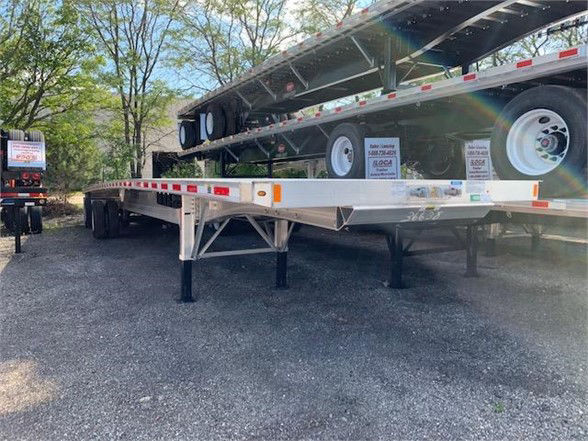
Material choice has a direct effect on payload, durability, and repair cost. All-aluminum flatbed trailers are popular when every pound matters, especially for operations hauling dense freight and trying to maximize legal payload. Combo flatbeds, also known as aluminum-steel combination trailers, use steel where impact and concentrated stress are highest and aluminum where weight savings matter most. That makes them a strong middle ground for fleets hauling coils, building products, and mixed freight. Buyers should look closely at frame rating, crossmember spacing, floor design, and side rail construction. Features like routed aluminum side rails, coil packages, nail strips, and rated concentrated load capacity matter more than brochure weight when the trailer will see daily securement and repeated forklift traffic.
Axle and suspension setup should match the freight lane. Air ride is common on modern flatbeds because it protects cargo and improves ride quality. Spread axles can improve weight distribution and are common on 48-foot decks, but they can increase tire scrub in tight turns. Sliding rear tandems offer flexibility for bridge compliance and docking, especially on 53-foot trailers running varied routes. Widespread fixed axles, axle dumps, and standard kingpin settings all affect turning radius, scale performance, and tractor compatibility. Tire size, wheel material, hub spec, and brake package also deserve attention because they shape maintenance cost over the life of the trailer as much as the purchase price does.
Securement details are what separate a basic flatbed from one that works efficiently every day. Winch tracks, sliding winches, hook retainers, pop-up chain ties, stake pockets, and rub rail design all affect how fast a driver can build a legal securement pattern. Buyers hauling steel should pay attention to coil package configuration and concentrated load ratings in the first few feet of deck. Those moving lumber or palletized material may prioritize a cleaner deck, strong side rails, and enough tie-down points for flexible loading. Good lighting protection, durable landing gear, corrosion-resistant components, and a floor that holds up to forklift use can reduce downtime and keep the trailer productive for the long haul.
Frequently Asked Questions
What is the difference between an all-aluminum flatbed and a combo flatbed trailer?
An all-aluminum flatbed is built primarily to reduce tare weight, which helps maximize payload on dense freight. A combo flatbed uses a mix of aluminum and steel, typically placing steel in high-stress areas such as the crossmembers or main structure while keeping aluminum components where weight savings are beneficial. All-aluminum trailers are attractive for payload-sensitive operations, while combo trailers often appeal to buyers who want a balance of lighter weight, durability, and lower structural repair concerns in severe-duty service.
Is a 48-foot or 53-foot flatbed trailer better for my operation?
A 48-foot flatbed remains a very common choice because it is versatile, easier to maneuver, and often paired with spread axles for regional and general commodity work. A 53-foot flatbed adds deck space and can improve freight flexibility for longer building products, machinery, or mixed loads, but it may also require more attention to axle placement and bridge compliance. The better choice depends on the freight you haul, the states you run, and how often extra deck length actually produces more revenue instead of just more trailer.
Should I choose spread axles or a sliding tandem on a flatbed trailer?
Spread axles can help distribute weight and are widely used on 48-foot flatbeds, especially for freight that benefits from stable load placement across the deck. The tradeoff is increased tire scrub and reduced maneuverability in tight yards or urban deliveries. A sliding tandem offers more flexibility for bridge laws, dock positioning, and changing load patterns, which is why many 53-foot flatbeds use that setup. Buyers should match the axle configuration to their lane profile, turning environment, and scale requirements rather than choosing strictly by habit.
What securement features matter most on a flatbed trailer?
The most important securement features depend on the cargo, but most buyers should focus on winch track design, stake pockets, chain tie locations, rub rails, and the number and placement of sliding winches or hook retainers. Steel haulers often need a proper coil package and strong concentrated load ratings. Building material and machinery operators may prioritize flexible tie-down spacing and a side rail that holds up to repeated use. Securement hardware affects loading speed, driver efficiency, and DOT compliance every day, so it should be evaluated as part of the trailer's working layout, not as an afterthought.
What specs should I compare first when shopping for a flatbed trailer?
Start with length, axle configuration, suspension type, construction material, and empty weight. After that, compare frame rating, concentrated load rating, floor type, side rail design, and securement hardware. Kingpin setting, landing gear, brake and hub spec, wheel package, and lighting protection also matter because they affect compatibility, service intervals, and operating cost. A flatbed that looks similar on paper can perform very differently once it is loaded daily, so the best comparison is the one that ties the trailer's structure and options directly to your freight mix.