
Fontaine Flatbed Trailers For Sale in Alabama
Shop Fontaine flatbed trailers for sale, including aluminum and combo models with strong payload capacity, securement options, and fleet-ready specs.
Learn more
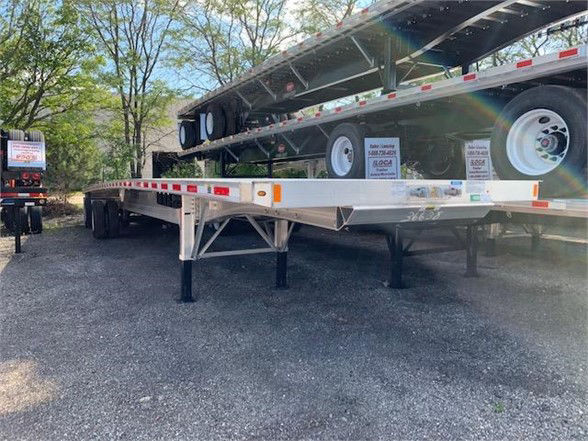
Have fontaine flatbed trailer to sell? List it here to reach thousands of buyers.
About Fontaine Flatbed Trailers in Alabama
One of the biggest purchase decisions is all-aluminum versus combo construction. A Fontaine all-aluminum flatbed usually appeals to operators chasing every pound of payload, especially on high-volume freight lanes where weight adds up over the year. Combo models use steel in key structural areas with aluminum components elsewhere, giving buyers a balance of durability, repair familiarity, and tare weight. Common specs in this category include air ride suspension, sliding rear axles or widespread suspensions, Jost or similar landing gear, LED lighting, and aluminum or steel wheel packages. On many Fontaine trailers, routed aluminum side rails, sliding winch tracks, pop-up chain ties, and coil packages are key features because they directly affect how fast and safely a driver can secure different load types.
Deck design matters as much as frame rating. Fontaine is well known for lightweight flatbed designs that still target serious concentrated load performance, so buyers should compare overall frame rating, load concentration in 4 feet, crossmember spacing, and floor construction. Aluminum floor systems such as friction stir welded designs can reduce weight while maintaining deck strength, while combo decks with wood nail strips may be preferred by operations that frequently use edge protection, blocking, or specialized securement practices. Kingpin setting, axle spread, rear axle slide, and ride height should also be checked against state bridge laws, customer dock conditions, and tire wear expectations. In Alabama and across the Southeast, widespread and sliding axle setups are especially relevant for carriers balancing legal weight distribution with versatile freight loading.
The best Fontaine flatbed trailer for sale is usually the one matched to your freight, not simply the lightest one on paper. Steel haulers may prioritize coil packages, recessed chain ties, and stronger concentrated load ratings. Building materials carriers may focus on deck length, winch count, and side rail design. Fleets running mixed freight often look for a broad spec with air ride, ample tie-down points, protected lighting, and straightforward parts support. When comparing listings, pay close attention to empty weight, axle configuration, frame rating, securement hardware, and floor construction, because those details determine payload, loading speed, driver satisfaction, and long-term operating cost.
Frequently Asked Questions
What is the difference between a Fontaine all-aluminum flatbed and a combo flatbed?
An all-aluminum Fontaine flatbed is designed to reduce tare weight and maximize payload, which can make a real difference on loads that run close to legal gross weight. A combo flatbed uses a mix of steel and aluminum, typically adding strength in high-stress structural areas while keeping overall weight lower than a full steel trailer. Buyers usually choose between them based on freight type, expected abuse, repair preferences, and how much value they place on every extra pound of payload.
What freight are Fontaine flatbed trailers commonly used to haul?
Fontaine flatbed trailers are commonly used for steel coils, pipe, lumber, wallboard, roofing materials, machinery, vehicles, and general building products. The open-deck design supports side, rear, and crane loading, which makes this category useful across construction, manufacturing, and industrial freight. The exact trailer spec should match the cargo, especially when concentrated loads, oversized materials, or frequent securement changes are part of the job.
Which specs matter most when comparing Fontaine flatbed trailers for sale?
The most important specs usually include trailer length, construction type, empty weight, frame rating, load rating in 4 feet, axle configuration, suspension type, and securement setup. Buyers should also review kingpin setting, crossmember spacing, side rail design, winch track style, chain tie locations, flooring, wheel material, and lighting protection. These details affect payload, legality, ease of loading, tie-down flexibility, maintenance cost, and resale value.
Are spread axle and sliding axle Fontaine flatbeds used for different applications?
Yes. Spread axle flatbeds can offer load distribution advantages and often work well for heavier or more specialized freight, but they can also increase tire scrub in tight turning environments. Sliding axle flatbeds give operators more flexibility for weight distribution and bridge compliance across different loads and routes. The better choice depends on operating region, customer locations, and how often the trailer handles varying freight weights and loading patterns.
Why do buyers pay attention to side rails, winch tracks, and chain ties on a flatbed trailer?
These features directly affect securement speed, versatility, and driver usability. Routed aluminum side rails can improve tie-down access and help protect conspicuity tape, while sliding winch tracks make it easier to position winches where the load requires them. Recessed chain ties and coil packages are important for steel and machinery applications because they provide stronger, cleaner anchor points and reduce interference with the deck when not in use.