
Extreme Trailers For Sale
Shop Extreme trailers including flatbed and drop deck models with 53-foot lengths, air ride suspension, sliding tandems, and aluminum wheels.
Learn moreNo exact matches found for your search
Showing Trailers instead.
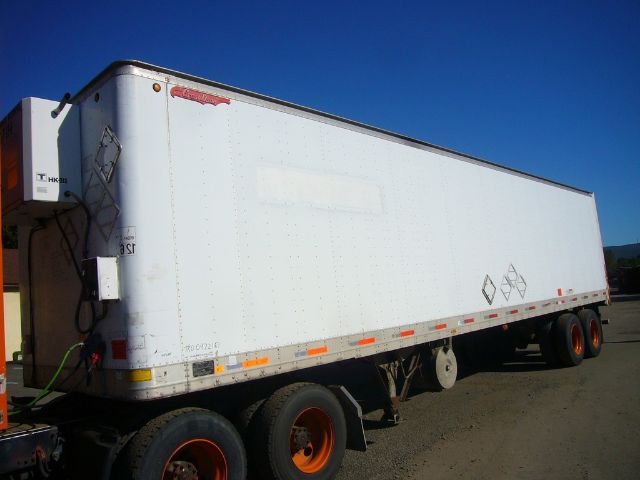

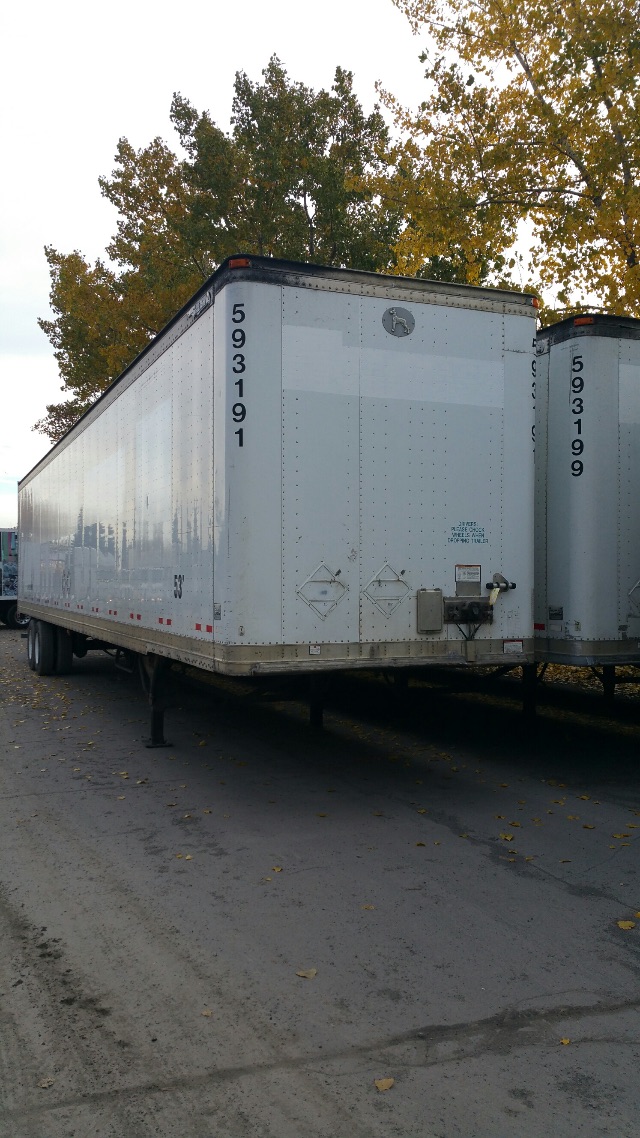
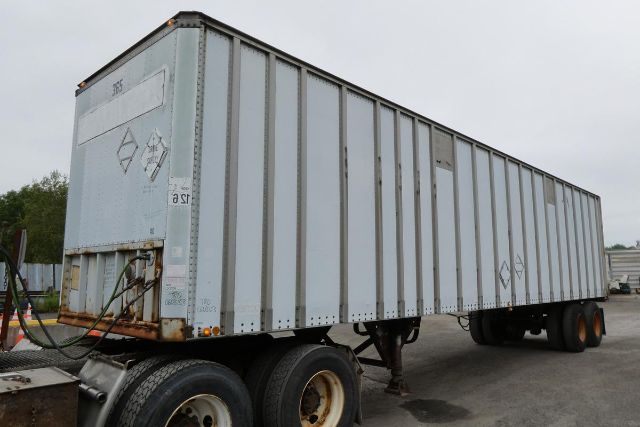
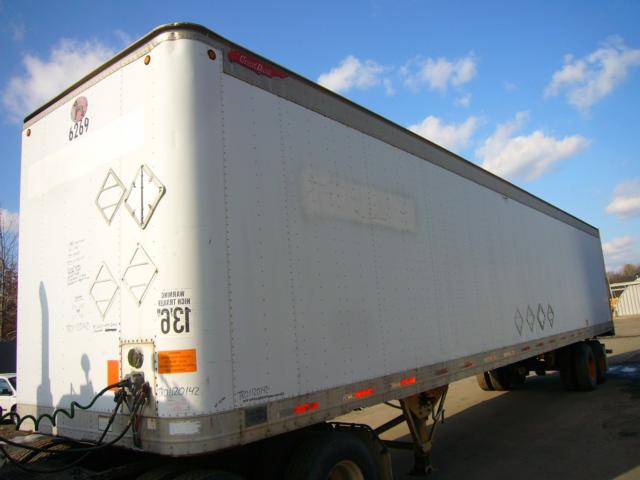
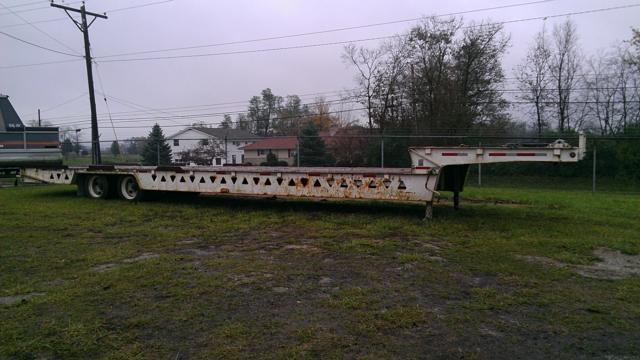
Showing 2,617 to 2,628 of 2,631 results
Have extreme trailer to sell? List it here to reach thousands of buyers.
About Extreme Trailers
The first decision is usually flatbed versus drop deck, also called a step deck. A flatbed gives you a full-length single deck for standard-height freight and fast loading from dock, side, or overhead crane. A drop deck adds lower deck height, which helps with taller freight that would exceed legal height on a standard flatbed. For carriers that regularly haul equipment, crated machinery, or taller building materials, the lower rear deck can reduce permitting issues and open up more legal load opportunities. A buyer comparing Extreme drop deck trailers should pay close attention to loaded deck height, upper deck length, rear deck length, and kingpin setting, since those details affect bridge law compliance, tractor pairing, and real-world load placement.
Spec choices like air ride suspension, sliding axle spacing, aluminum wheels, and low-profile 255/70R22.5 tires are not cosmetic. Air ride helps protect sensitive freight and improves ride quality over rough pavement. Sliding tandems give you more control over axle weights and state bridge requirements, especially when freight position changes from one load to the next. Aluminum wheels reduce unsprung weight and can improve corrosion resistance, while tire size affects deck height, maintenance cost, and replacement availability. Buyers should also look beyond the visible specs and verify crossmember spacing, concentrated load rating, winch track layout, tie-down package, rub rail strength, flooring type, scuff protection, and the condition or design of the suspension and brake system.
For an Extreme trailer, the right purchase usually comes down to freight profile and operating lane. Regional building supply work, steel hauling, machinery transport, and general commodity freight all put different demands on deck strength and tie-down configuration. A lighter trailer can improve payload, but durability matters if forklifts, coils, or concentrated point loads are routine. It also pays to confirm how the trailer is set up for securement, including stake pockets, chain slots, winches, and any features that support tarping efficiency. Buyers comparing Extreme trailers for sale should focus less on the badge alone and more on how the trailer’s length, suspension, axle slide, tire package, and deck configuration match the freight they actually haul.
Frequently Asked Questions
What is the difference between an Extreme flatbed trailer and an Extreme drop deck trailer?
An Extreme flatbed trailer has a single continuous deck height from front to rear, which makes it ideal for standard legal-height freight and fast loading from docks, forklifts, or cranes. An Extreme drop deck trailer, also called a step deck, has an upper deck and a lower rear deck. That lower deck allows taller freight to ride lower to the ground, helping keep loads within legal height limits without moving into a more specialized trailer class.
Why do sliding tandems matter on an open-deck trailer?
Sliding tandems matter because they let the driver shift axle position to balance weight and comply with bridge laws and state axle requirements. That flexibility is especially useful on flatbeds and drop decks where load placement changes by commodity, length, and securement needs. A sliding tandem can make the difference between a load that scales legally and one that needs to be reworked.
Is air ride suspension worth it on a flatbed or drop deck trailer?
Air ride suspension is a strong choice for many open-deck operations because it reduces shock transfer to the trailer and cargo compared with harsher suspension setups. That can be important for machinery, finished materials, palletized freight, and other loads that are sensitive to road vibration. Air ride also tends to improve overall ride quality and can help reduce cargo movement when freight is properly secured.
What should I check besides length and price when comparing Extreme trailers for sale?
The most important details are deck type, loaded deck height, axle spacing, tire size, suspension, crossmember spacing, floor condition, tie-down layout, and brake and suspension serviceability. Buyers should also confirm how the trailer is configured for the freight they move most often, including winch track position, stake pockets, chain ties, and any concentrated load limitations. Those factors affect legal loading, ease of securement, long-term maintenance, and resale value more than price alone.
Are 53-foot Extreme trailers a good fit for general freight?
A 53-foot Extreme trailer is a common and practical size for general open-deck freight because it gives enough deck length for a broad mix of building materials, steel, machinery, and palletized cargo. It is especially useful for carriers that need one trailer to cover multiple freight types across regional or long-haul lanes. The best fit still depends on the cargo profile, since taller loads may favor a drop deck while standard-height freight often works well on a full flatbed.