
Used Utility Dump Trailers For Sale
Browse used Utility dump trailers with specs that matter, including body style, liner condition, axle setup, hoist design, and tare weight.
Learn more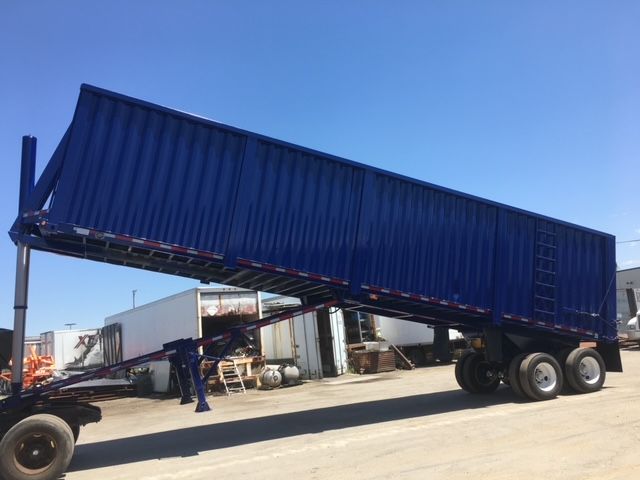
Have used utility dump trailer to sell? List it here to reach thousands of buyers.
About Used Utility Dump Trailers
Utility is well known in the trailer market, and when shopping used Utility dump trailers, buyers should pay close attention to axle condition, suspension, and hoist performance. Axles, brakes, hubs, and suspension components are high-wear areas on any dump trailer, especially if the trailer has spent time in quarry, transfer, or construction service. A proper inspection should include kingpin wear, landing gear operation, frame rail condition, crossmember integrity, and signs of cracking around the hoist mounts and rear hinge area. Tire age and tread depth matter, but alignment-related wear can tell you even more about how the trailer has been maintained and whether the running gear is tracking correctly under load.
Body style and discharge characteristics are also central to the buying decision. A square dump trailer typically offers strong cubic capacity and works well for bulk materials that do not require the flow characteristics of a rounded tub. Buyers hauling heavier or sticky product should look closely at the inside surface, any added liner, and the condition of the gate and tarp system. Hoist geometry, cylinder condition, and electrical and hydraulic hookups should all be checked carefully, since dump reliability depends on more than just the cylinder raising and lowering. If the trailer has been modified, such as with a container-style body or rebuilt structure, the quality of fabrication and reinforcement deserves extra scrutiny.
Used Utility dump trailers can be a practical choice for fleets and owner-operators that need volume and ruggedness without stepping into new-trailer pricing. The best units are the ones with a clear maintenance history, a body matched to the intended commodity, and enough remaining structural life to justify the tare weight and repair exposure. Buyers comparing listings should look beyond year model alone and weigh body dimensions, liner material, axle setup, brake type, and the trailer's prior application. In this equipment class, a lighter trailer may increase payload, but a heavier trailer with the right liner and reinforcements may hold up better in punishing service.
Frequently Asked Questions
What should I inspect first on a used Utility dump trailer?
Start with the body, floor, frame, and hoist areas because those components determine the trailer's structural life and repair risk. Check for floor thin spots, bowed walls, cracked welds, hinge damage, and stress around the hoist mounts. After that, inspect axles, brakes, suspension, wheels, and kingpin wear. Cosmetic condition matters far less than the condition of the structure and running gear.
Is a square-body Utility dump trailer a good choice for heavy material?
A square-body dump trailer can be a strong choice for heavy bulk material when the trailer has the right floor, liner, and structural reinforcement for the job. Square bodies are commonly used where cubic capacity and straight-wall volume are important. The tradeoff is that discharge characteristics can differ from a rounded tub, so buyers hauling sticky or compacting material should pay close attention to liner condition, gate function, and the trailer's history in similar service.
How important is a steel liner in a used dump trailer?
A steel liner can significantly extend the life of the walls and floor when the trailer hauls abrasive or impact-heavy material. It can also improve resistance to gouging and reduce wear on the original body. The downside is added tare weight, which can reduce payload. Buyers should inspect liner attachment points, thickness, gaps behind the liner, and any trapped moisture or corrosion that may be hidden under the liner system.
What running gear issues are common on older used dump trailers?
Common issues include worn bushings, suspension fatigue, brake component wear, axle misalignment, hub or bearing problems, and uneven tire wear. Dump service puts repeated stress on the rear of the trailer and on suspension components during off-road loading and unloading. A trailer with new tires may still need suspension or alignment work, so tire condition should be evaluated together with brake performance and axle tracking.
How do I know if a used dump trailer is suited for my commodity?
Match the trailer's body design, liner, cubic capacity, tare weight, and gate setup to the material you plan to haul. Aggregate, scrap, demolition debris, and lighter bulk products all place different demands on the trailer. A trailer that performs well with one commodity may be inefficient or wear quickly with another. The most useful listing details are body length, side height, liner type, axle configuration, and the trailer's prior application.