
Utility Dump Trailers For Sale
Browse Utility dump trailers with specs, body options, axle setups, and hauling applications for aggregate, scrap, demolition, and bulk material.
Learn more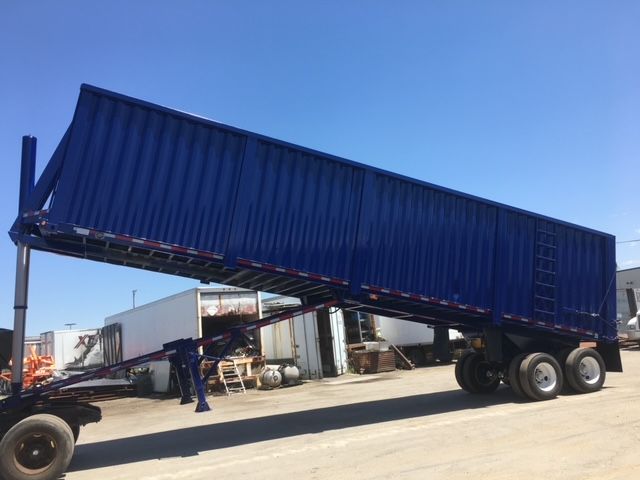
Have utility dump trailer to sell? List it here to reach thousands of buyers.
About Utility Dump Trailers
The body and liner setup deserves close attention. Steel bodies and steel-lined dump trailers hold up well in abrasive applications and in operations that see chunks of concrete, riprap, or scrap. Aluminum construction cuts tare weight and can improve payload on lighter commodities, but it is not always the first choice for severe impact environments. Floor thickness, wall thickness, crossmember design, hoist capacity, gate style, and tarp system all affect day-to-day usability. On used Utility dump trailers, inspect the hinge area, doghouse, upper rail, draft arms, suspension hangers, and rear frame section for cracks, repairs, and signs of twisting. A trailer that looks serviceable from the outside can still have fatigue issues around the hoist saddle or suspension pickup points.
Axle spec and suspension are just as important as body condition. Buyers should confirm axle ratings, wheelbase spread, suspension type, brake condition, tire size, and whether the trailer is set up for the state weight laws where it will run. Lift axles, tire inflation systems, and liner choices can make a real difference in operating cost and productivity depending on the route and material. Landing gear, kingpin setting, electrical condition, and hydraulic or air gate operation also deserve a closer look, especially if the trailer will be paired with multiple tractors. If the job includes uneven jobsite surfaces or frequent tip-and-return cycles, stability and suspension condition become more important than cosmetic appearance.
A Utility dump trailer can be a strong fit for fleets and owner-operators hauling aggregate, scrap, construction debris, agricultural bulk products, or other loose material. The best buying decision usually comes down to matching the trailer body style and weight to the commodity, then verifying that the structure has not been overstressed. A lighter trailer may improve revenue on legal-weight freight, but a heavier steel-lined unit may last longer in punishing service. Buyers comparing listings should focus less on paint and more on liner condition, axle and brake life, hoist performance, and evidence of proper prior maintenance.
Frequently Asked Questions
What should I inspect first on a used Utility dump trailer?
Start with the body structure, hoist area, suspension mounts, and rear frame. Cracks, weld repairs, bowed sidewalls, floor wear, and hinge damage tell you how hard the trailer has been worked. After that, check axle alignment, brake condition, tire wear, tarp function, gate operation, and the condition of the liner if one is installed. These areas usually reveal more about the trailer's remaining service life than exterior appearance.
Is a square-body Utility dump trailer better than a half-round body?
It depends on the material. Square-body dump trailers typically offer strong cubic capacity and are common in scrap, demolition, mulch, and mixed bulk hauling. Half-round bodies generally shed sticky or dense material more cleanly and are often favored for sand, gravel, asphalt millings, and other aggregate applications. The right choice is based on commodity type, loading method, and how important clean discharge is to your operation.
Are steel-lined dump trailers worth the extra weight?
In abrasive or impact-heavy service, a steel liner can be worth the tare weight penalty because it protects the body and extends service life. Operations hauling concrete chunks, scrap metal, or other harsh materials often benefit from the durability. If the freight is lighter and non-abrasive, the extra liner weight may reduce payload without delivering the same return. The decision should be based on commodity, cycle frequency, and expected repair costs.
What axle setup is most common on Utility dump trailers?
Tandem axle setups are common and fit many regional and general bulk-haul applications, while tri-axle configurations are used when local weight laws or commodity density justify the added capacity and bridge compliance. The best setup depends on the states where the trailer operates, the density of the material, and the balance between legal payload and maintenance cost. Buyers should confirm axle ratings and suspension specs rather than assuming all dump trailers in this class are configured the same way.
What makes a dump trailer stable during unloading?
Stability comes from a combination of suspension condition, even ground, proper loading, straight frame geometry, and a hoist system that lifts smoothly. A trailer with worn suspension components, frame twist, or uneven tire heights is more likely to lean during a dump cycle. Body design matters too, especially with high-volume loads that can hang up on the liner or sidewalls. For operators working on rough jobsites, structural condition and suspension health are critical safety factors.