
Jet Dump Trailers For Sale
Shop Jet dump trailers, including side dump models with steel tubs, air ride suspensions, electric tarps, and tandem or tri-axle setups.
Learn more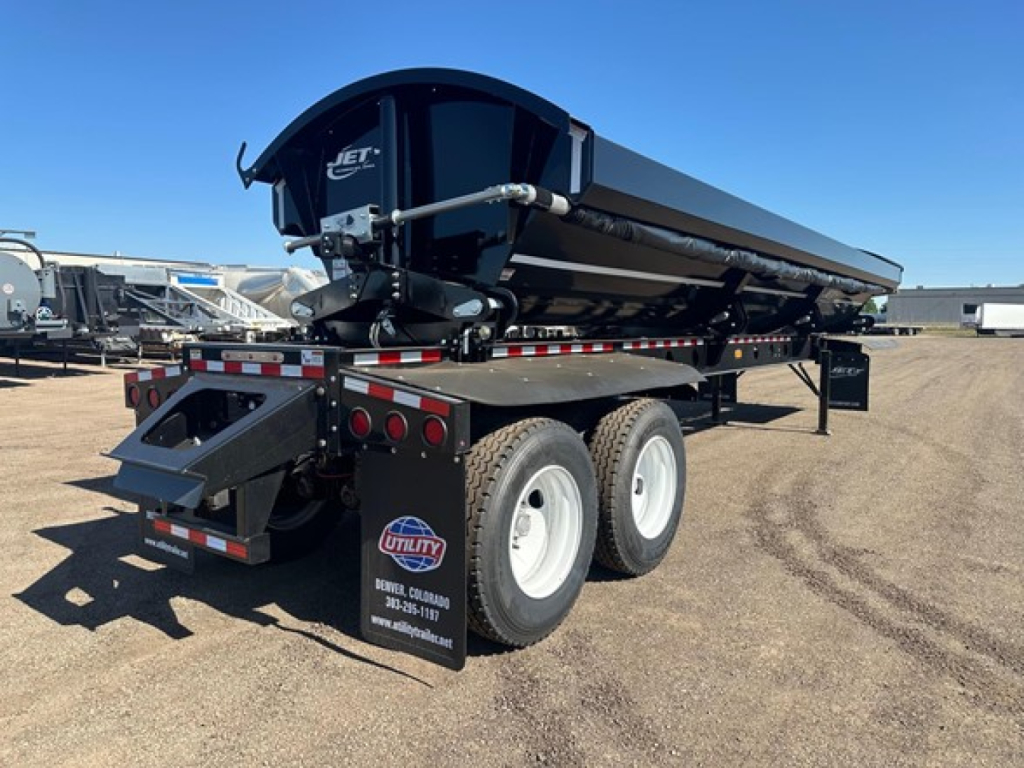
Showing 25 to 25 of 25 results
Have jet dump trailer to sell? List it here to reach thousands of buyers.
About Jet Dump Trailers
A buyer comparing Jet dump trailers should pay close attention to tub design, axle layout, and suspension. Many Jet units use round bottom or rock tub designs, often in AR400 steel for better wear resistance when hauling stone, riprap, or construction debris. Features like reinforced tub corners, multiple pivot points per side, and trunnion-mounted inverted cylinders are important because they directly affect dump stability, smoothness of operation, and long-term resistance to cracking around stress areas. Tandem air ride setups are common for general hauling, while tri-axle or super spread configurations can make sense for higher legal payloads, axle law flexibility, or specialized regional work.
Specs that deserve a close look include tub length versus trailer length, side wall height or tub extensions, tire size, axle spacing, kingpin setting, and kingpin height. A 34-foot to 36-foot tub inside a 40-foot trailer is common, and high-capacity versions may add tub extensions to increase cubic yard capacity for lighter commodities such as silage or compost. Air ride suspension is a popular choice for ride quality and trailer control, and electric roll-over tarps are nearly standard for faster load securement and cleaner operation. Bolt-on push blocks, front and rear fenders, LED lighting, ABS systems, and two-way directional hydraulic valves are also common on Jet side dump trailers because they support practical day-to-day use in paving, excavation, feed, and agricultural applications.
The right Jet dump trailer depends on material density, jobsite conditions, and state bridge laws. For rock and demolition work, buyers usually favor heavy steel tubs, durable cylinder geometry, and conservative axle spacing. For agricultural or lighter-volume hauling, added cubic capacity and tarp convenience may matter more than extreme tub thickness. If the trailer will spend time on rough entrances, county roads, or mixed on-road and off-road routes, suspension setup, tire package, and fender protection become more important. Jet has a strong reputation in the side dump market because the design focus stays on tub durability, dump control, and simple, serviceable construction that fleets and owner-operators can keep working.
Frequently Asked Questions
What is the main advantage of a Jet side dump trailer compared with an end dump?
The main advantage is unloading stability. A side dump trailer discharges the load to the side while keeping the body lower than an end dump raised to full height. That lower dumping profile reduces the risk of tip-over on uneven terrain, in wind, or on softer surfaces. For many contractors hauling aggregate, dirt, or debris, that makes a side dump a safer and faster choice for jobsites where conditions change throughout the day.
What materials are Jet dump trailers commonly used to haul?
Jet dump trailers are commonly used for rock, sand, gravel, asphalt millings, dirt, demolition material, manure, compost, feed byproducts, and silage. The exact trailer setup should match the commodity. Heavy, abrasive materials usually call for a steel rock tub and durable wear-focused construction, while lighter materials may justify a higher-capacity tub or extension package to maximize cubic volume.
Should I choose a tandem axle or tri-axle Jet dump trailer?
A tandem axle Jet dump trailer is a common fit for general construction and bulk material hauling where maneuverability and lower empty weight are important. A tri-axle setup can improve payload distribution and may help with local axle laws or permit strategies, especially in regions where bridge formulas and road restrictions reward additional axle capacity. The tradeoff is added complexity, more tires and brakes to maintain, and potentially higher tare weight.
Why do tub design and cylinder layout matter on a side dump trailer?
Tub shape and cylinder layout have a direct effect on how cleanly the trailer unloads and how well it holds up over time. Round bottom tubs can promote cleaner discharge, while reinforced corners and wear-grade steel help reduce stress cracking and abrasion damage. Trunnion-mounted inverted cylinders and multiple pivot points per side improve dumping control and structural balance, which is important when the trailer is cycled hard in aggregate, excavation, or demolition service.
What specs should I review first when comparing Jet dump trailers for sale?
Start with tub material, tub length, overall trailer length, axle count, axle spacing, suspension type, and tire size. Then review operational details such as hydraulic valve configuration, electric tarp setup, push block, kingpin setting, kingpin height, and ABS. Those specifications determine not just legal compliance and payload potential, but also how well the trailer will match your tractor, your route conditions, and the material you haul every day.