
2023 Dump Trailers For Sale
Shop 2023 dump trailers for hauling aggregate, dirt, scrap, and asphalt. Compare end dump and side dump specs, capacity, suspension, and body style.
Learn more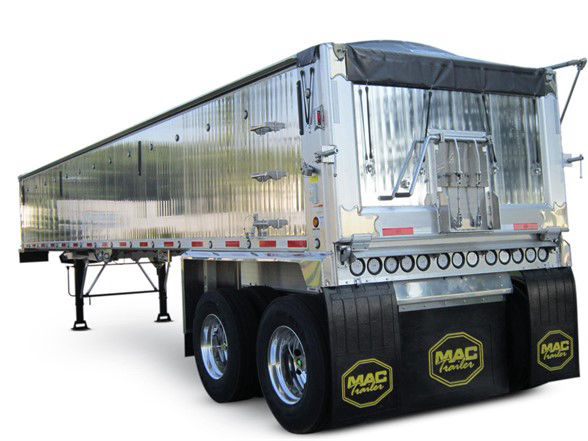
Showing 13 to 13 of 13 results
Have 2023 dump trailer to sell? List it here to reach thousands of buyers.
About 2023 Dump Trailers
Capacity and dimensions should be matched to the freight, not just the route. Many dump trailers in this class fall into the 23 to 26 cubic yard range, with lengths around 34 to 40 feet depending on configuration. Half-round and round-bottom tubs are popular because they shed material cleanly and reduce carryback, while quarter-frame and frameless designs can change tare weight, durability, and dump characteristics. Buyers should also check board height, gate configuration, and hoist setup. High-lift gates, combo gates, asphalt aprons, and single-point gate controls can make a real difference in cycle time and load control.
Running gear and chassis specs deserve close attention because they affect both ride quality and maintenance cost. Air ride is common when protecting the trailer and improving road manners matters, while spring ride is still favored in some severe-duty applications for simplicity and durability. Tire size, wheel type, axle spacing, kingpin setting, kingpin height, ABS configuration, and fender setup all affect tractor match and legal bridge compliance. Tarp systems are another important item. Electric roll tarp and flip tarp systems help with load securement, weather protection, and jobsite efficiency, especially in states with strict cover requirements.
A 2023 model year dump trailer is also recent enough that buyers can often find modern lighting, updated hydraulic layouts, and cleaner overall spec packages. Look closely at tub shape, cylinder design, pivot structure, draft arms, and crossmember condition if the trailer has seen heavy material service. For asphalt work, insulation, aprons, and gate sealing are worth checking. For rock and demolition, pay attention to liner condition, floor thickness, and reinforcement at stress points. The right trailer is the one that matches your material, unloading environment, tractor setup, and target payload, not simply the one with the highest cubic yard rating.
Frequently Asked Questions
What is the difference between an end dump trailer and a side dump trailer?
An end dump trailer unloads out the rear by raising the body, which makes it a common choice for aggregate, dirt, scrap, and demolition work. A side dump trailer unloads to the side through a tub and cylinder system, which can offer better stability on uneven terrain and quicker unloading in some applications. The right choice depends on jobsite conditions, material flow, and how much room is available during dumping.
What should I look for when buying a 2023 dump trailer?
Focus first on body style, body material, cubic yard capacity, and suspension type. Then verify key chassis specs such as axle spacing, kingpin setting, kingpin height, tire size, wheel type, and tarp system. Buyers should also inspect the tub floor, sidewalls, hinges, gate hardware, hydraulic components, frame structure, and signs of cracking or distortion if the trailer has hauled abrasive material or worked in severe-duty service.
Is steel or aluminum better for a dump trailer?
Steel is generally preferred for severe-duty hauling such as rock, riprap, scrap, and demolition because it handles abrasion and impact better. Aluminum is lighter and can improve payload for materials that are less abusive to the body. The best choice comes down to the commodity, the road weight limits, and how much emphasis you place on low tare weight versus long-term resistance to heavy wear.
How many cubic yards does a dump trailer usually hold?
Dump trailer capacity varies by body design, wall height, and legal payload targets, but many highway dump trailers are commonly spec'd around 23 to 26 cubic yards. Some are built larger or smaller depending on material density and state weight laws. Cubic yard rating should always be considered alongside empty weight because a larger body does not automatically mean a better payload outcome.
Why do kingpin setting and suspension matter on a dump trailer?
Kingpin setting affects tractor weight distribution, bridge compliance, and how the trailer matches with different wheelbases. Suspension type influences ride quality, durability, and maintenance needs. Air ride is often chosen for smoother operation and less shock to the trailer, while spring ride remains common in tougher service where simplicity and ruggedness are priorities.